Balayage vs Highlights vs Babylights | Which Suits Your Hair Best
You walk into the salon and sit in the chair. The stylist asks what you want for your next look. Your mind goes completely blank. Clients often feel deeply confused about their Hair Color choices. A client named Jessica recently showed me a Pinterest board full of dimensional blonde looks. She asked for traditional foils. Her reference photos clearly showed hand-painted styles. Mixing up these terms costs you money and time. You might even damage your hair by requesting the wrong service. Knowing the exact differences between these three coloring options saves you from a massive headache. We will break down exactly what each service entails. You will get everything you need to make the right choice.

You will get a clear breakdown of pricing and maintenance for each style right here. Balayage offers a low-maintenance and lived-in look through hand-painted sweeping pieces. Traditional Highlights deliver maximum brightness right to the root using aluminum foils. Babylights mimic the natural dimension of a child’s hair through ultra-thin foil weaves. Expect to pay between $150 and $450 depending on your chosen option and location. You can safely plan your next salon visit armed with this exact knowledge. Your next appointment will go perfectly.
The Core Differences Between Hair Color Options
People use these terms loosely but they represent entirely different chemical applications. Hair Cuts also dictate how these colors sit. Hand-painting creates a soft gradient from dark roots to light ends. Foils conduct heat to lift dark hair faster and lighter. Your stylist needs specific details about your daily routine to pick the right one.
In my experience, clients with straight hair need different placements than those with curls. A blunt bob looks entirely different with painted ends versus structured foils. We look at your natural root shadow to figure out the maintenance schedule. You must think about your budget for touch-ups before committing to a dramatic change. A dark root allows you to skip appointments. A bright root means you must visit the salon every six weeks.
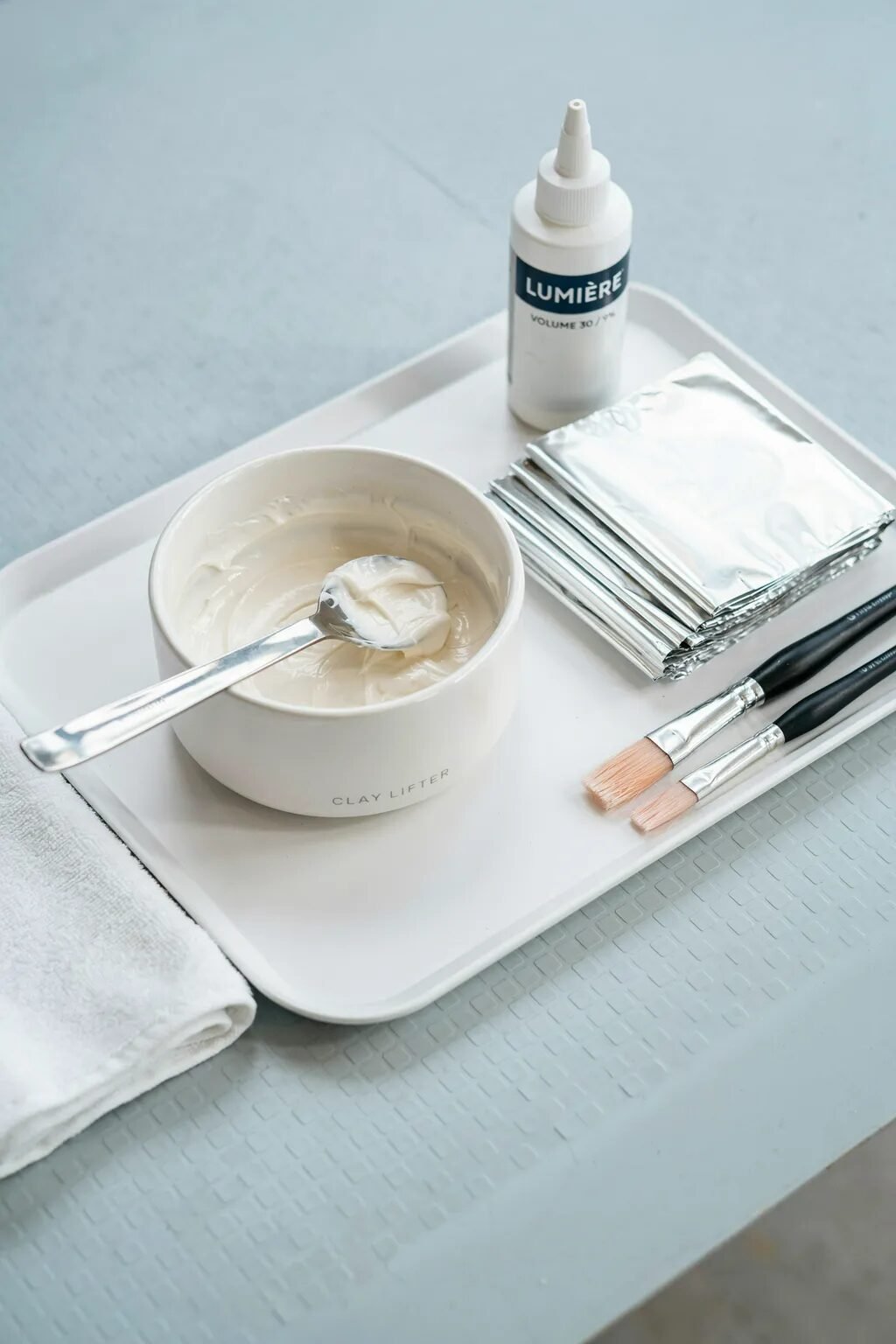
The chemistry behind the lightener also changes. Stylists use clay-based lighteners for hand-painting. The clay dries on the outside to protect the surrounding hair. It continues lifting on the inside. Foil lighteners stay wet. The foil traps the heat from your scalp. This heat forces the hair cuticle open much faster. You get a much lighter blonde with foils.
Everything You Need to Know About Balayage
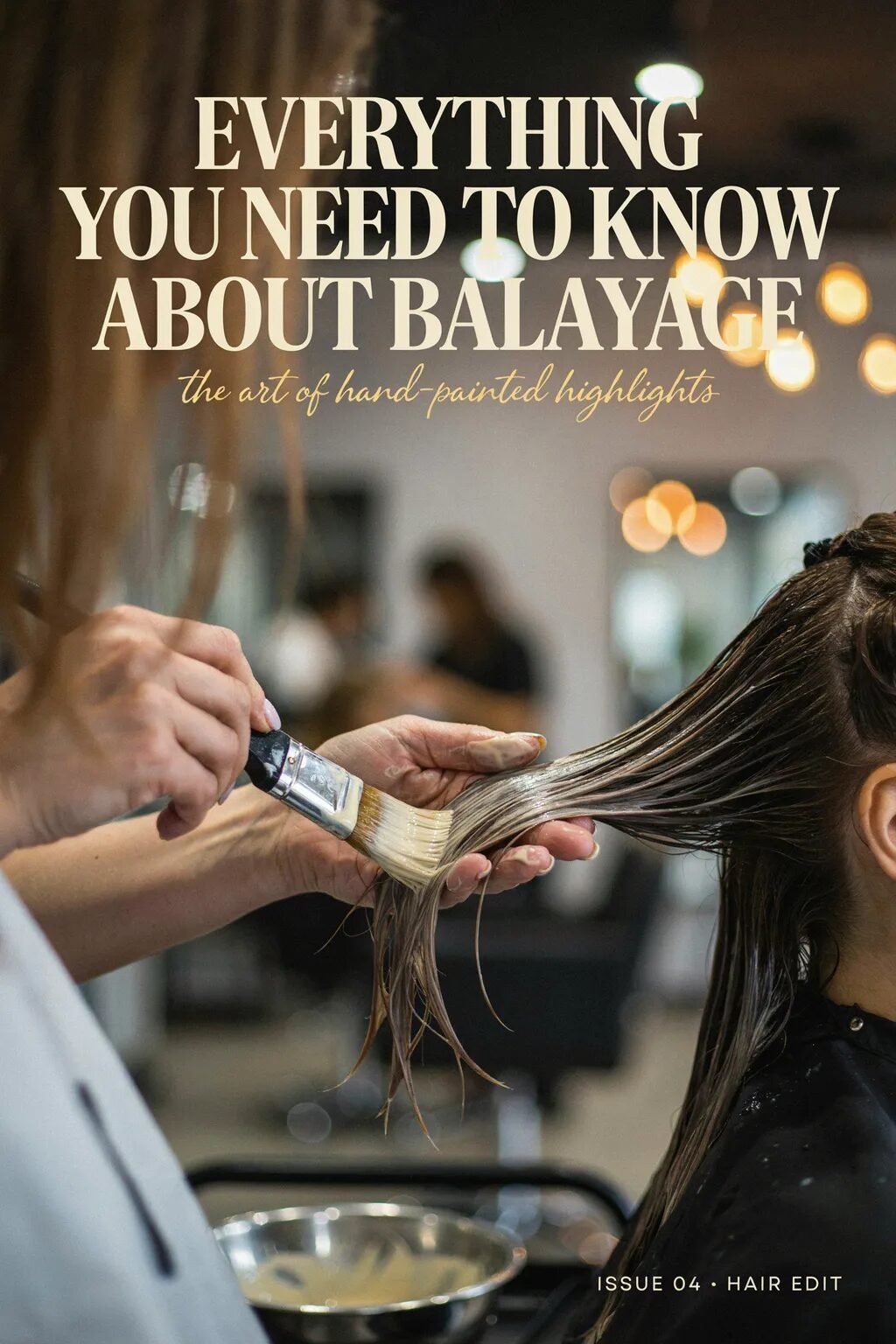
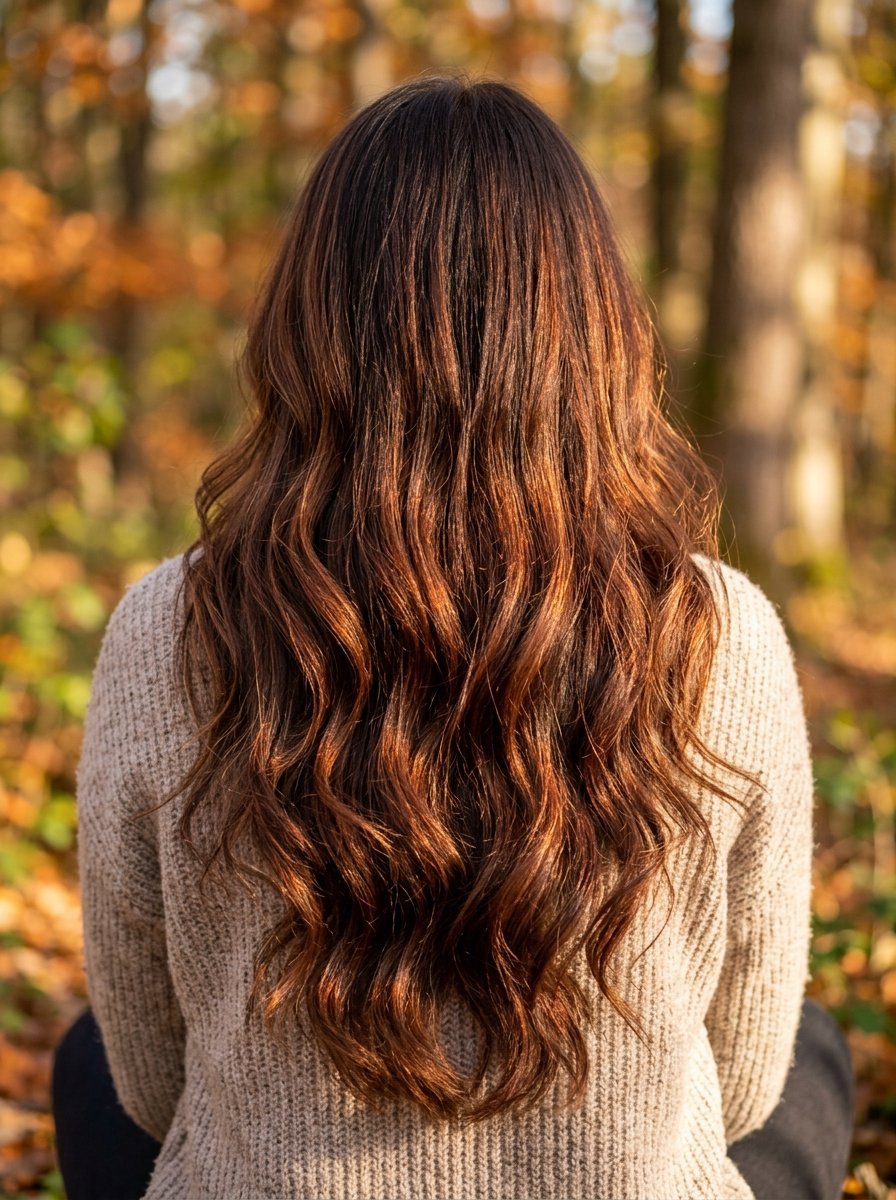
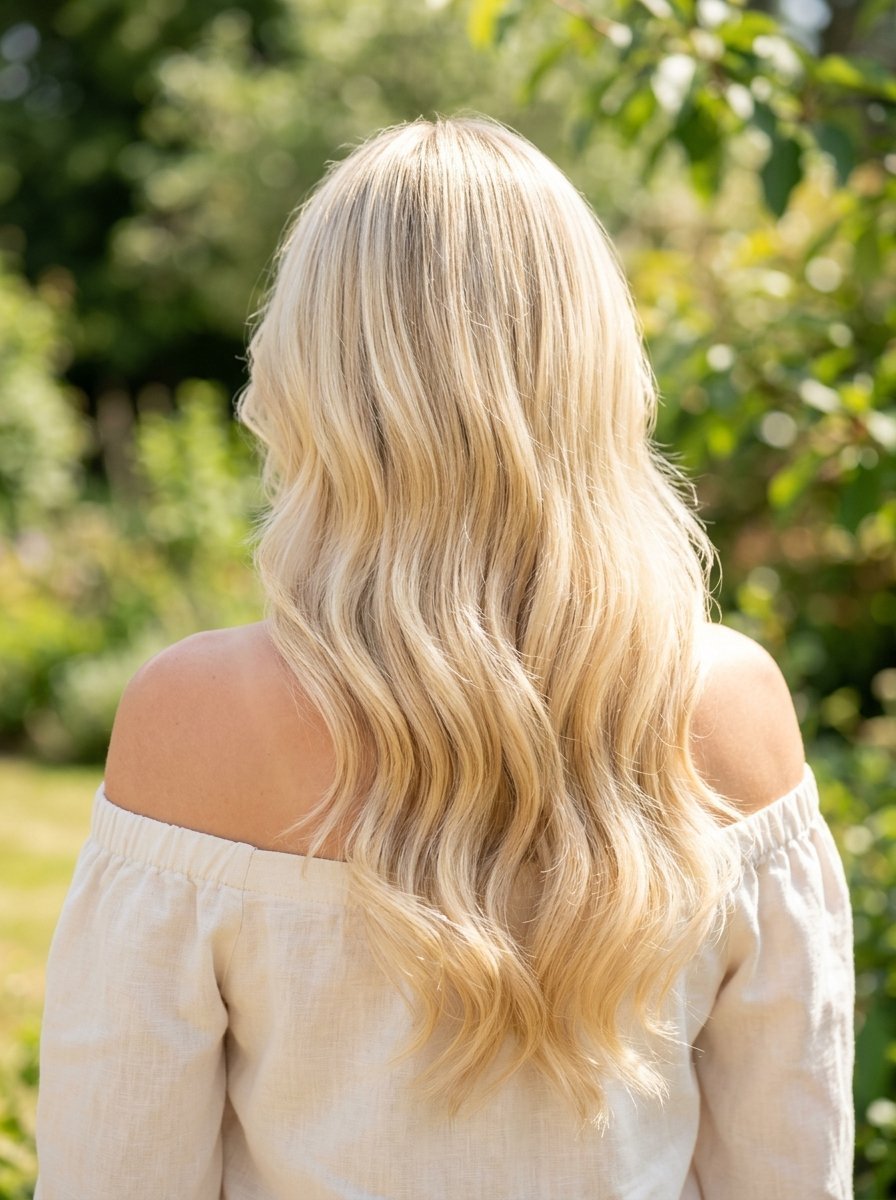
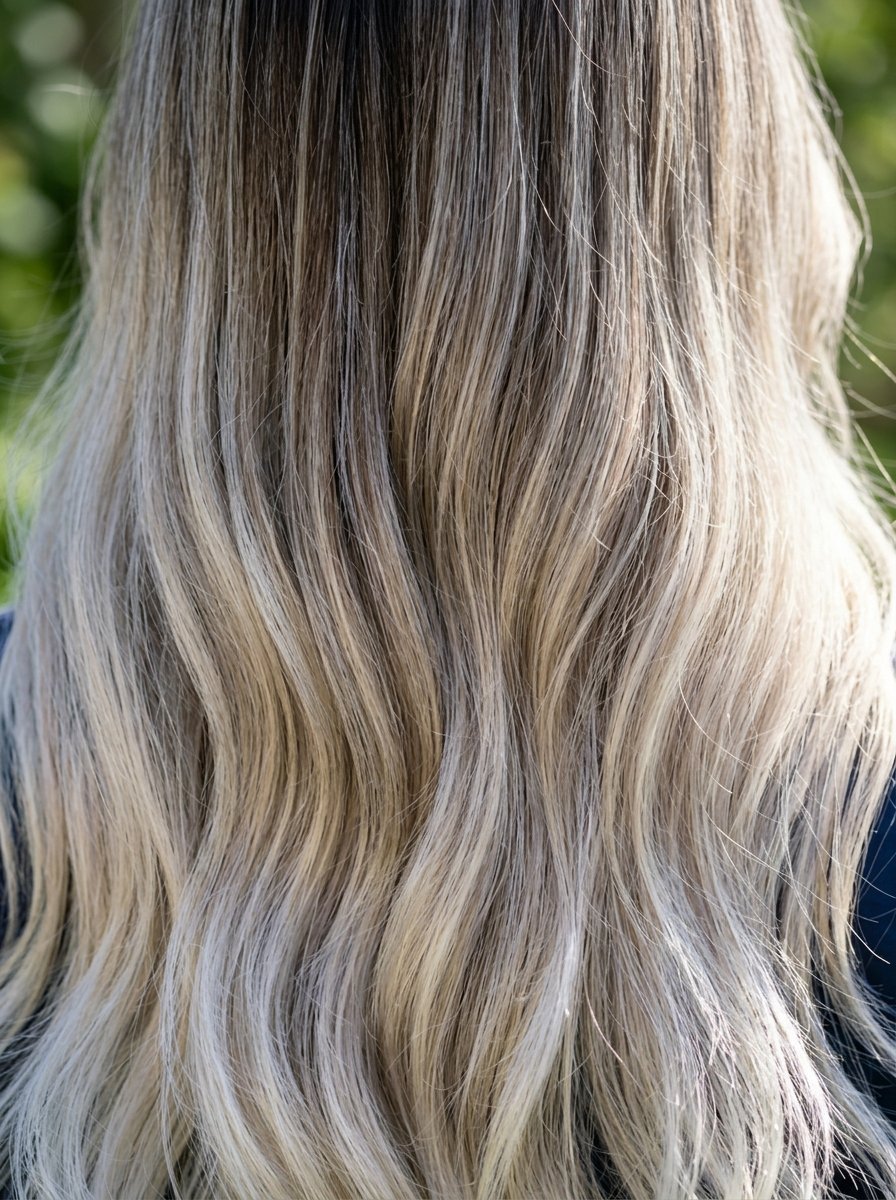
The word itself translates to “sweeping” in French. The stylist paints lightener directly onto the surface of your hair sections. They leave the underside darker to create natural dimension. This creates a beautifully blended gradient.
This style requires less frequent salon visits. Most clients return every three to six months for a toner gloss. The grow-out phase looks completely natural without harsh lines. You save money over the year by skipping frequent appointments.
I have noticed this works perfectly for a Balayage Brunette look. Brown hair gets rich caramel or mocha tones painted through the mid-lengths. A Balayage Haare Blond takes multiple sessions to keep the hair healthy. Going from dark to light without foils means lifting the hair slowly. You cannot rush this appointment.
I recently worked with a client named Emma. Emma had virgin brown hair and wanted a fresh Summer Hair Color. She works outdoors and washes her hair daily. Traditional foils would create harsh lines within four weeks. I hand-painted soft caramel ribbons starting three inches off her scalp. Her appointment took three hours and cost $280. She returned five months later. Her color still looked perfectly blended. She only needed a $60 gloss to refresh the tone.
The Classic Appeal of Traditional Highlights
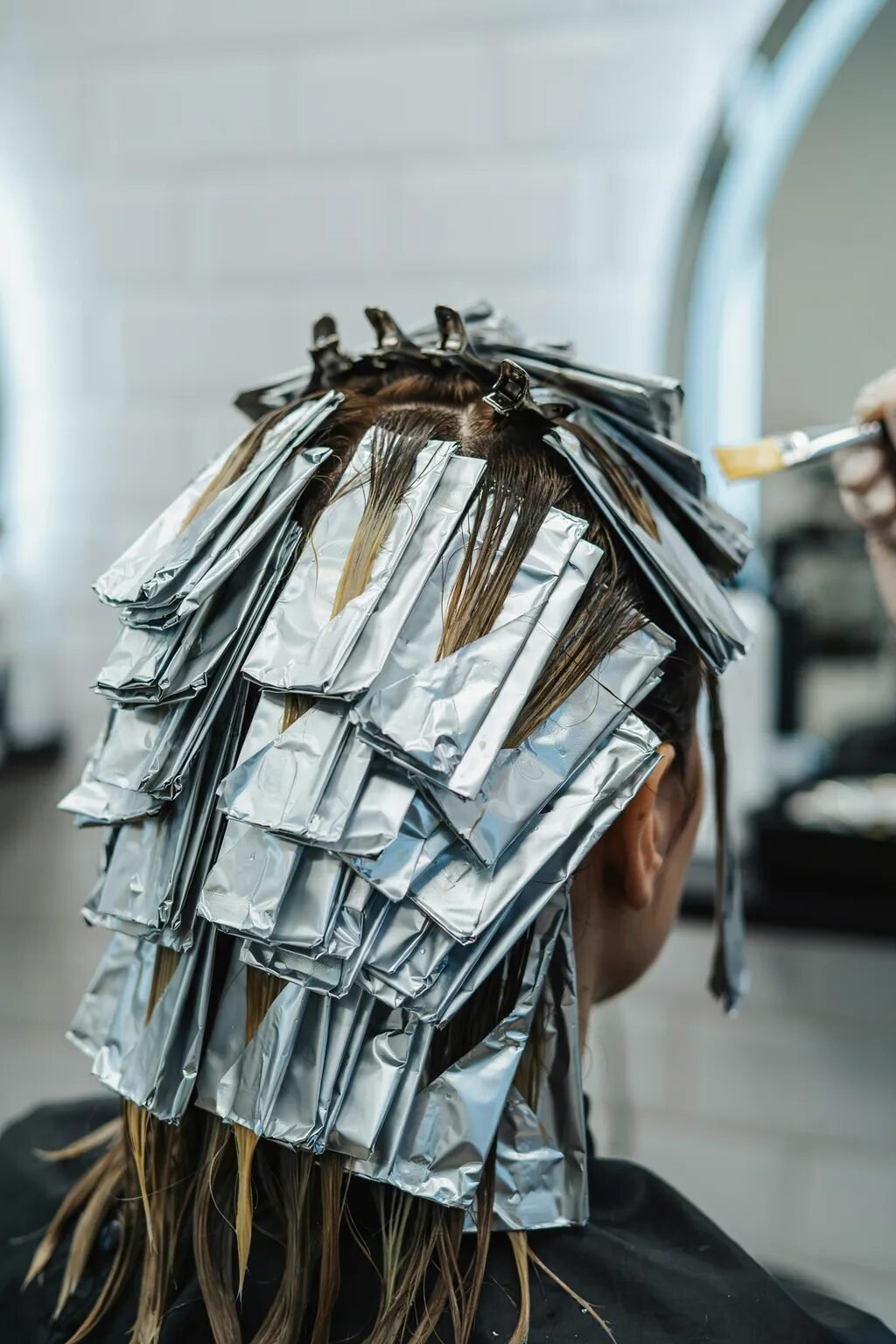
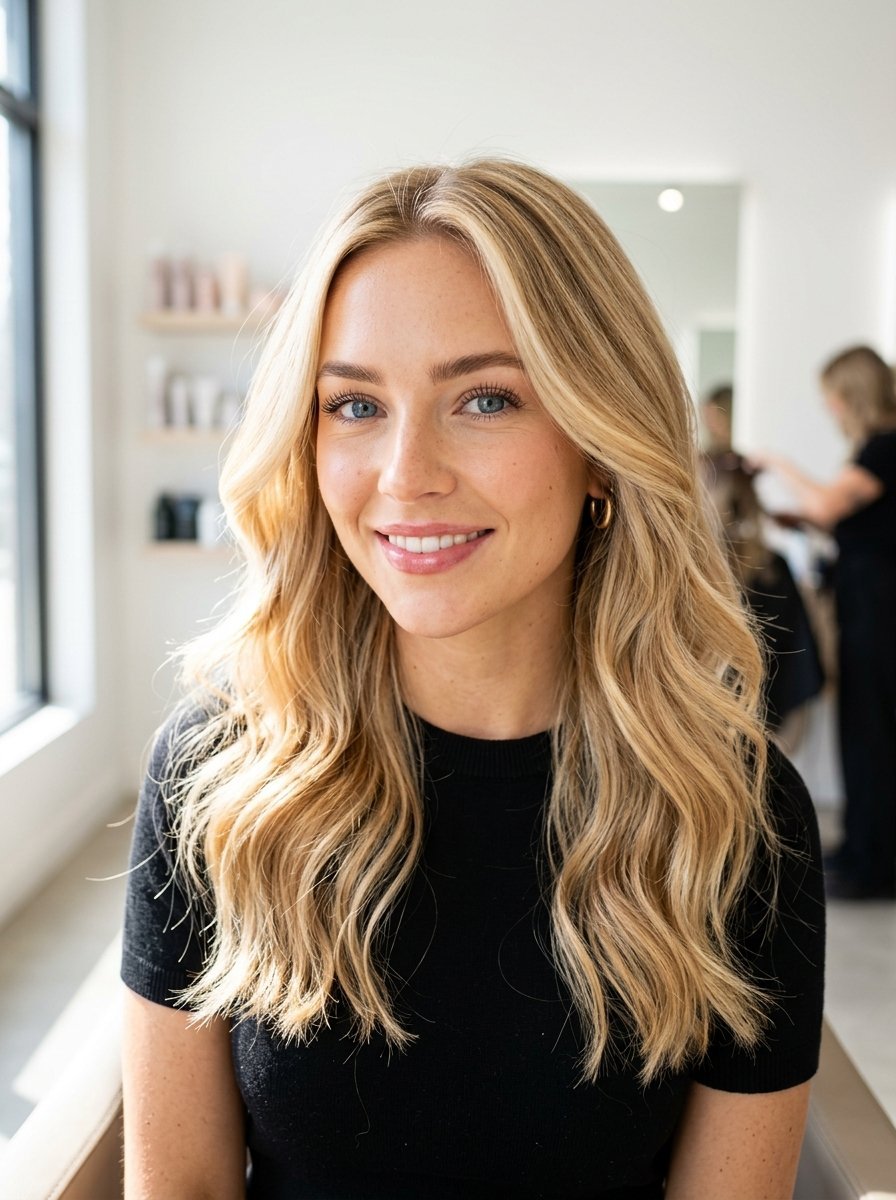
This classic option uses aluminum foils to separate small sections of hair. The stylist weaves pieces of hair and applies lightener from root to tip. The foil traps heat and allows the lightener to lift very dark hair.
You get the most brightness with this classic application. Clients wanting high-contrast blonde usually need this option. The maintenance schedule requires visits every six to eight weeks. A distinct line forms at the scalp as your natural hair grows out. You cannot wait months between appointments.
Foil applications give you maximum control. The stylist decides exactly which pieces get lightened. We can pack the foils tightly for a nearly solid blonde look. We can space them out for a chunky and textured vibe. You dictate the exact level of contrast.
Rachel came in last Tuesday with dull blonde hair looking for maximum lift. She wanted bright ribbons framing her face. I used Framar classic foils and Wella Blondor lightener. We foiled her entire head taking small weaves. The appointment took four hours and cost $320. She comes back every six weeks for a $120 root touch-up. Her hair stays incredibly bright and icy all year.
Why Babylights Might Be Your Best Choice
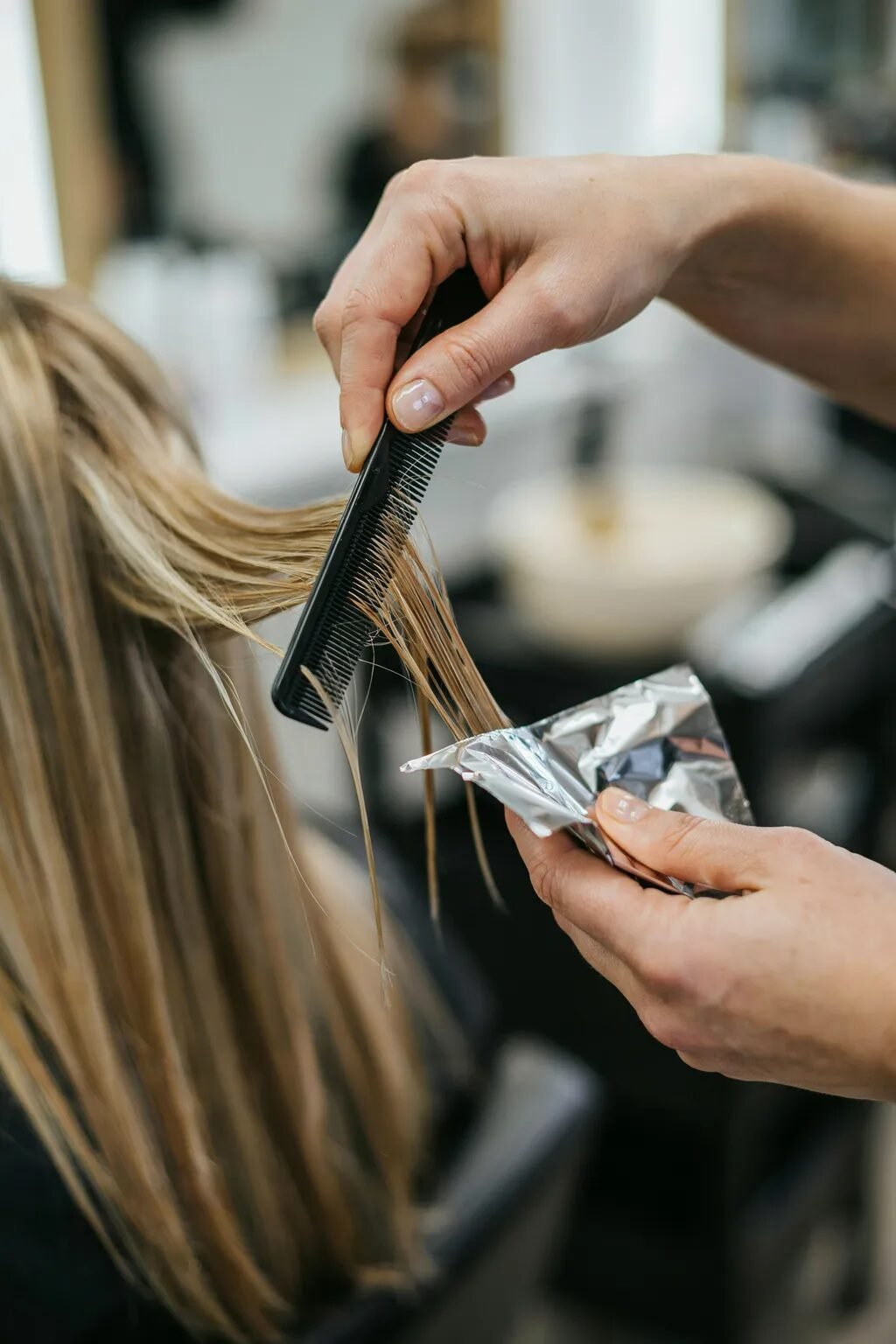
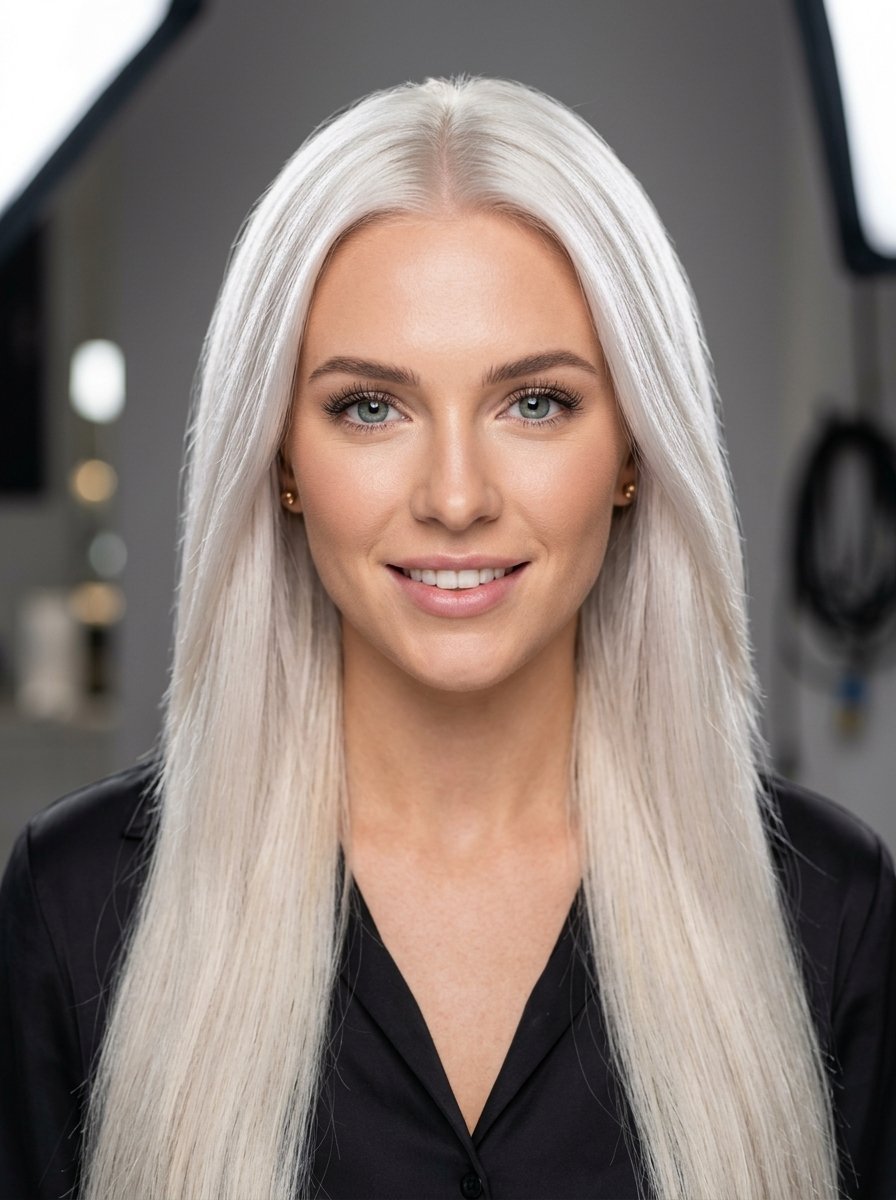
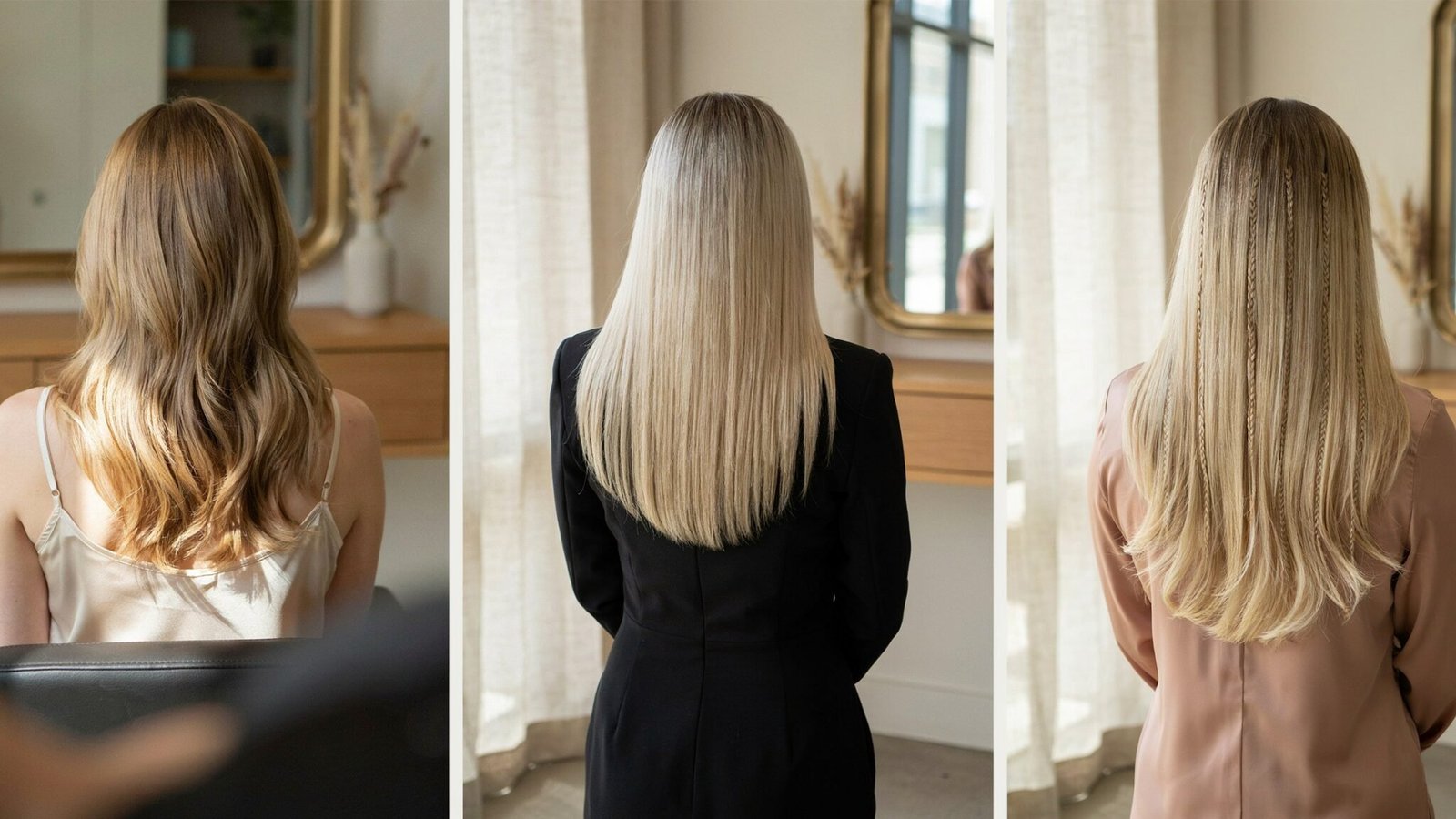
This style uses the exact same foil application as traditional foils. The difference lies entirely in the section size. The stylist takes micro-fine pieces of hair for each foil. This creates a beautifully blended color without chunky stripes.
You get the brightest blonde possible while keeping the look soft. The grow-out is much softer than standard foils. The application takes a very long time. Expect to sit in the chair for four to six hours. The stylist places double the amount of foils on your head.
This option works beautifully for fine hair. Thick highlights on fine hair look like zebra stripes. Micro-weaves blend seamlessly into thin hair strands. You get a shimmering effect that looks entirely natural.
Mia had previously damaged ends from over-processing. She wanted a bright Summer Hair Color without further breakage. I used ultra-thin weaves with a low-volume developer. We applied Redken Shades EQ gloss to tone everything into a creamy vanilla. The appointment took five hours and cost $400. Her hair remained strong and the grow-out was incredibly smooth. She waited ten weeks before needing a touch-up.
Comparing Costs and Salon Visit Schedules
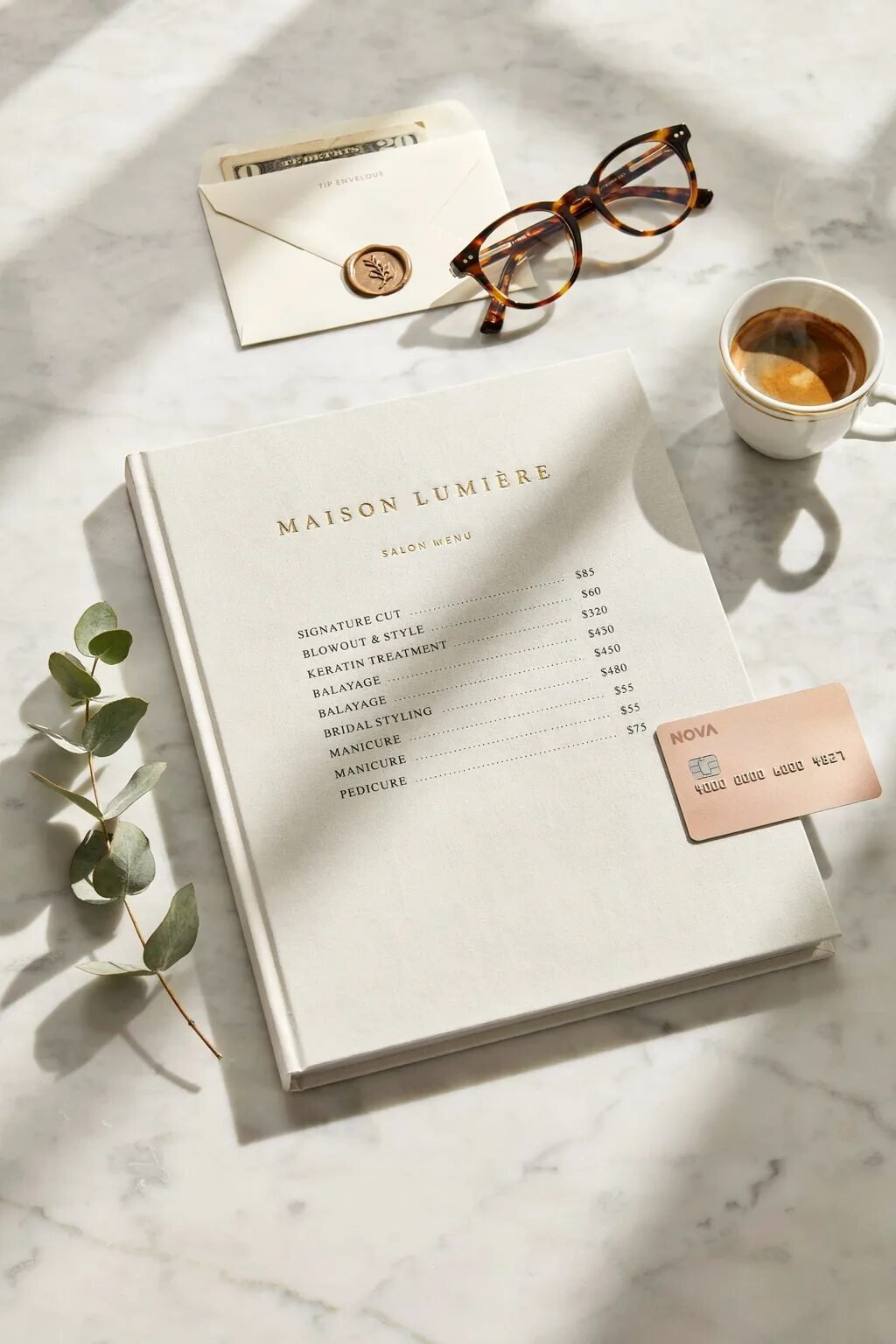
Salon pricing varies wildly based on location and stylist experience. You must ask about toner and blowout costs when booking. Many salons charge these as separate add-on services. A $200 quoted price can quickly turn into a $300 bill at the register.
Here is a realistic breakdown of average costs and salon visits.
- Balayage costs between $200 and $400. You will visit the salon every 12 to 16 weeks.
- Traditional Highlights cost between $150 and $250. You will visit the salon every 6 to 8 weeks.
- Babylights cost between $250 and $450. You will visit the salon every 8 to 12 weeks.
- Toner gloss appointments cost between $50 and $90. You need these between major appointments to fix fading.
- Root smudges cost between $40 and $80. These soften the lines of foil applications.
You must factor in tipping. Customary tipping ranges from fifteen to twenty percent of the total bill. A $400 service means an $80 tip. Plan your budget accordingly before sitting in the chair.
Preparing Your Hair Before the Salon Visit
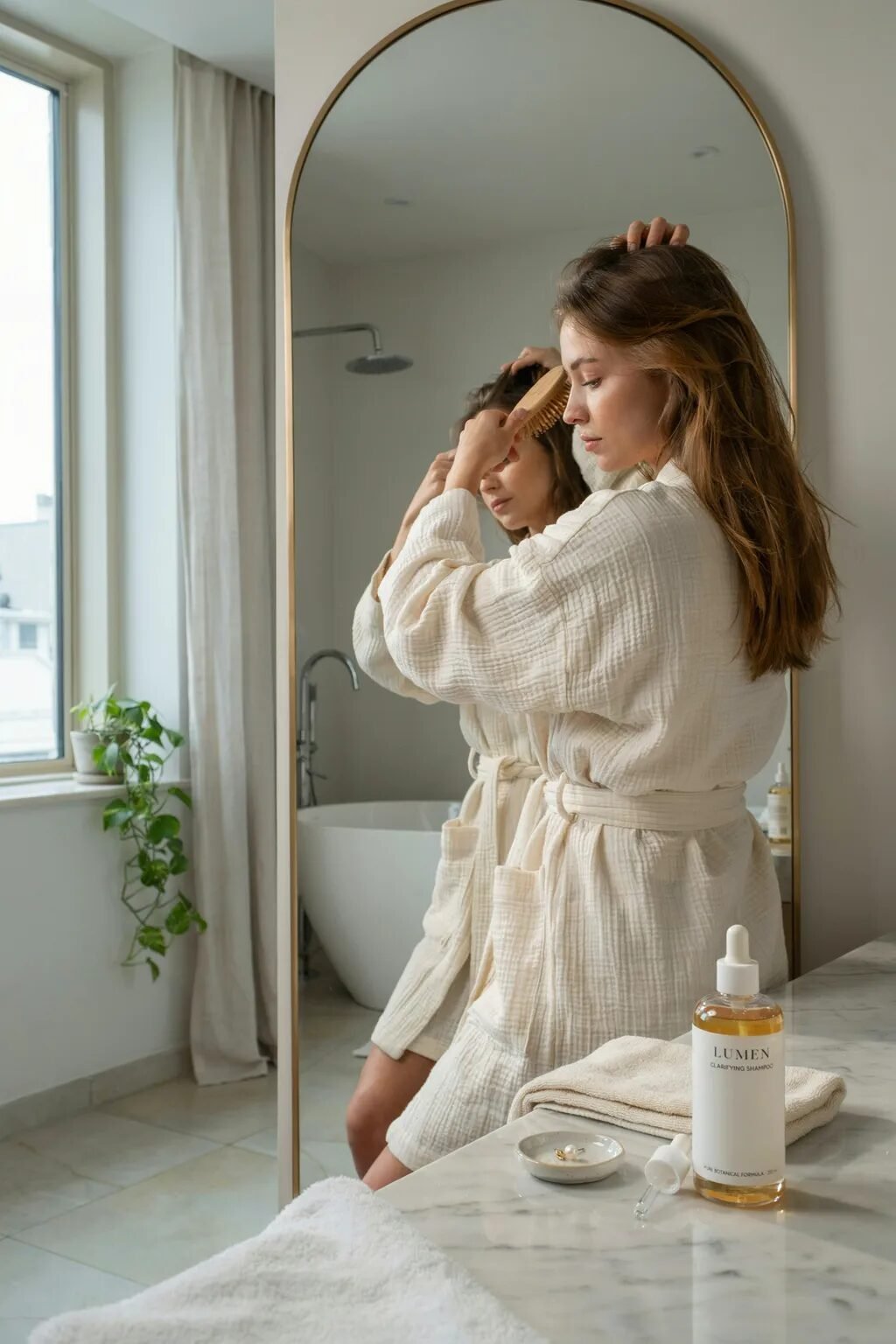
Your hair must be clean and free of heavy buildup before any chemical service. Old advice told clients to come in with dirty hair. This is completely false today. Modern lighteners struggle to penetrate thick layers of dry shampoo and heavy oils.
You need to wash your hair the night before your appointment. Use a clarifying shampoo to strip away hard water minerals. Do not use a heavy hair mask. The mask coats the cuticle and blocks the lightener. Arrive with dry and detangled hair.
Bring three photos of what you love. Bring one photo of what you hate. Showing the stylist what you hate gives them immediate boundaries. They will know exactly what tones to avoid. A visual reference eliminates miscommunication instantly.
Top Tools and Product Choices for Home Care
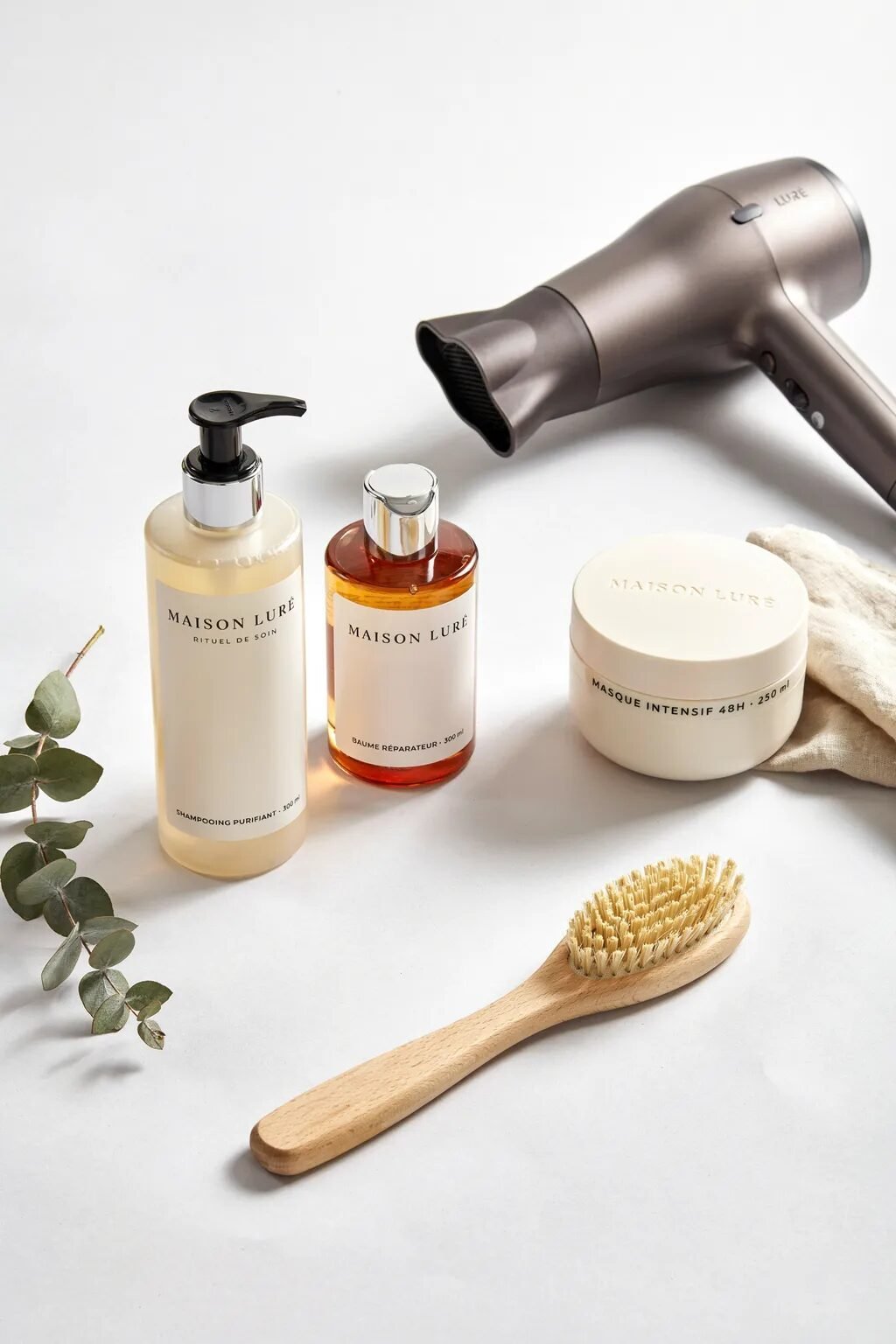
Your home care routine dictates how long your color lasts. Using drugstore shampoo on a $300 color service ruins the toner instantly. I have seen clients strip their color in one week using harsh shampoos. You must protect your investment with professional care.
Here are the exact products professional stylists trust.
- Olaplex No. 3 Hair Perfector rebuilds broken disulfide bonds at home.
- K18 Leave-In Molecular Repair Mask reverses bleach damage in four minutes.
- Pureology Color Fanatic Multi-Tasking Leave-In Spray provides heat protection and detangles wet hair.
- Dyson Supersonic Hair Dryer controls heat to prevent thermal damage on fragile ends.
- Framar Detangle Brush glides through wet lightened hair without snapping pieces.
- Redken Acidic Bonding Concentrate Shampoo balances the pH level of bleached hair.
- L’Oreal Professionnel Metal Detox Mask removes hard water minerals that turn blonde hair brassy.
- Moroccanoil Treatment Light adds shine to fine blonde hair without weighing it down.
You do not need to buy everything at once. Start with a high-quality shampoo and a reliable heat protectant. These two items protect the tone and prevent immediate breakage.
Matching the Service to Your Natural Base

Your starting canvas dictates which application produces the best look. Very dark hair pulls red and orange when lightened. Virgin hair lifts easily and predictably. Previously boxed-dyed hair requires extreme caution and patience.
If you have dark brown hair, hand-painting gives a warm and rich result. A Balayage Brunette keeps the deep root and lightens the ends softly. If you want cool icy blonde tones on dark hair, you need foils. Foils push past the orange stage much faster.
Blondes looking for dimension do very well with micro-weaves. Babylights place bright pops around the face without changing the overall base. I have tried mixing styles on my clients. We often paint the ends and place micro-foils around the hairline. This hybrid approach gives you a beautiful and customized look.
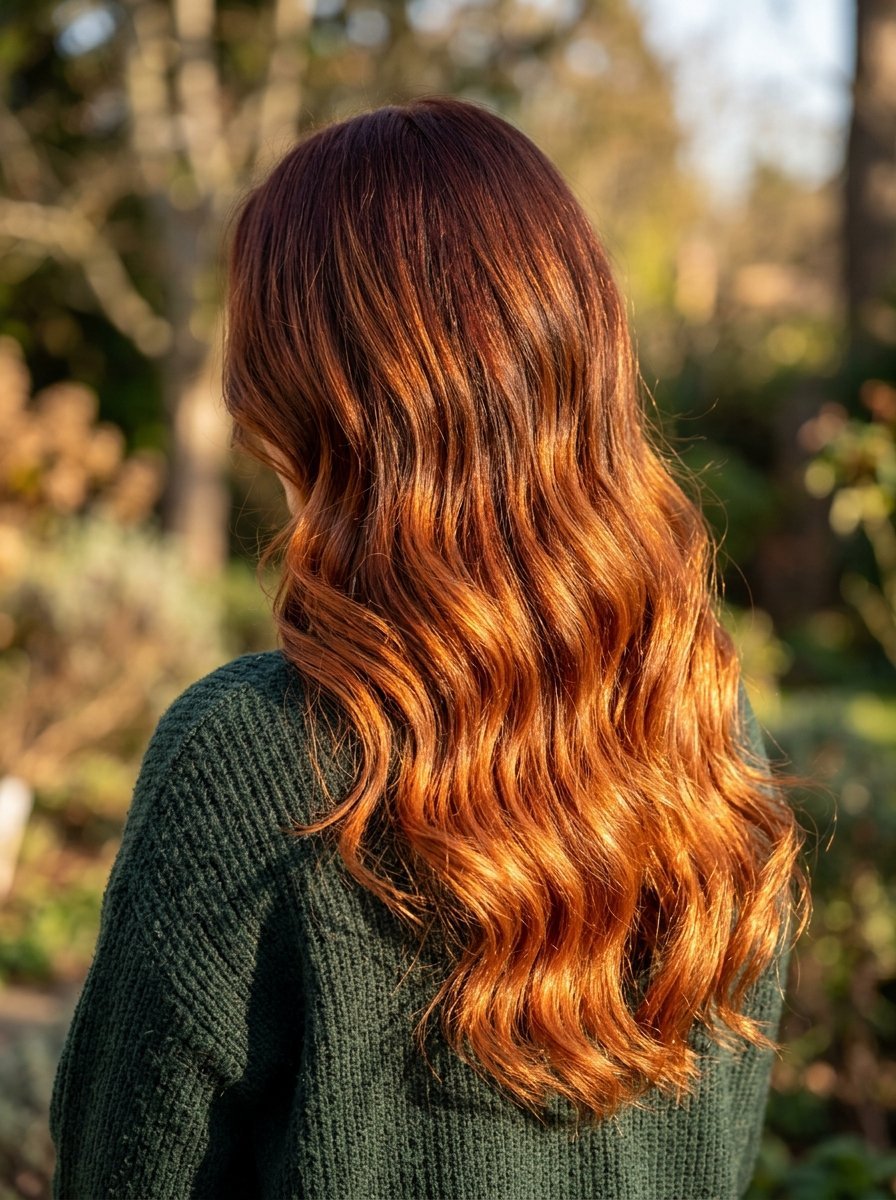
Redheads need extremely careful placement. Hand-painting golden copper tones into a natural red base looks stunning. Foils often lift red hair too fast and create stark yellow stripes. Hand-painting keeps the red tones looking perfectly natural.
Understanding Toner and Gloss Applications
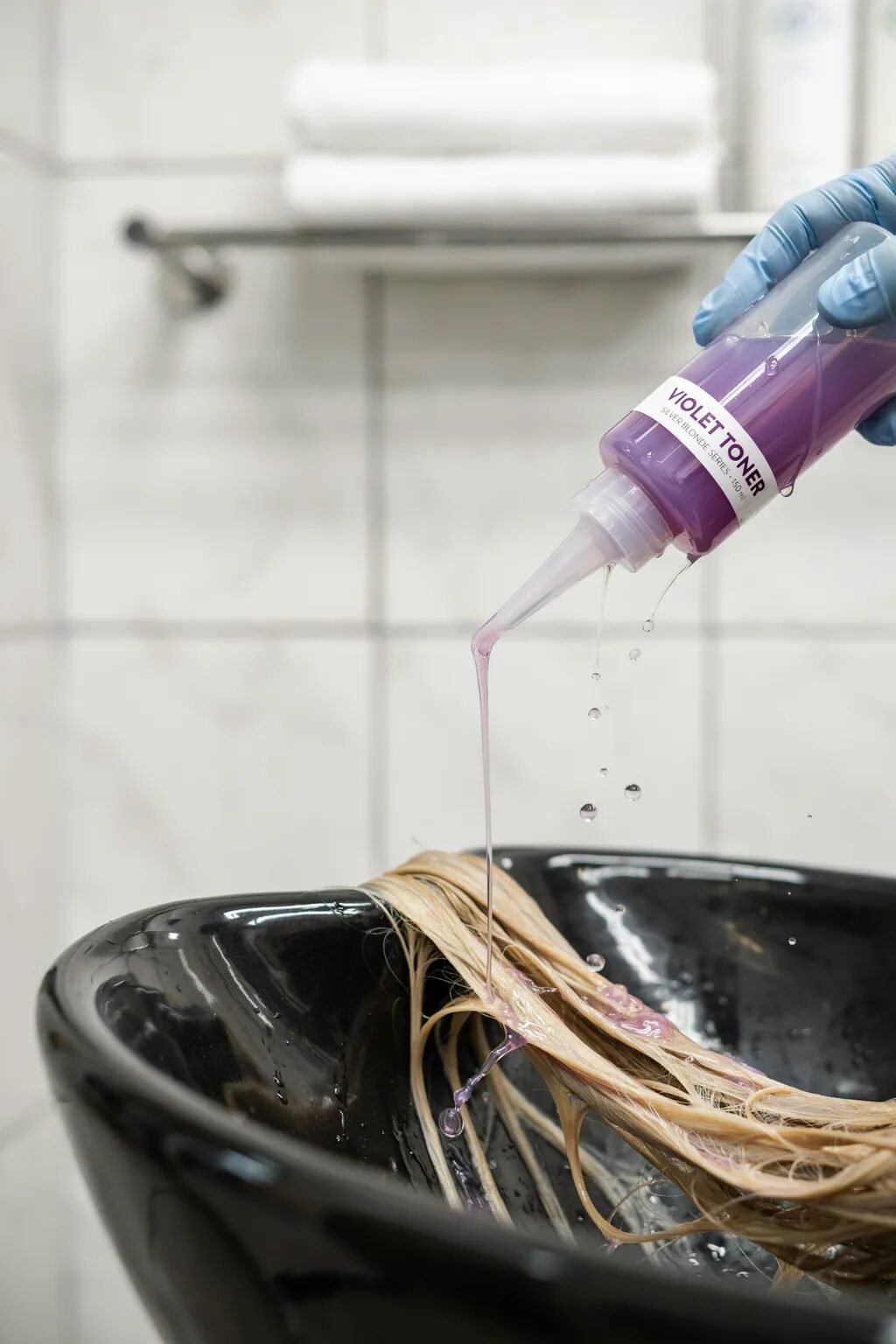
Lightener only removes pigment from your hair. It does not deposit the beautiful colors you see on Pinterest. Lightened hair usually looks raw and pale yellow. The toner provides the actual aesthetic finish.
A gloss or toner deposits sheer color over the lightened pieces. It corrects unwanted yellow or orange tones. It seals the hair cuticle down flat. This makes the hair incredibly shiny and soft.
Toners fade every time you wash your hair. They typically last for twenty washes. You will notice your icy blonde turning yellow after a month. Your caramel pieces might turn slightly brassy. This is completely normal. You simply book a standalone gloss appointment to refresh the tone.
Best Hair Hacks for Color Longevity
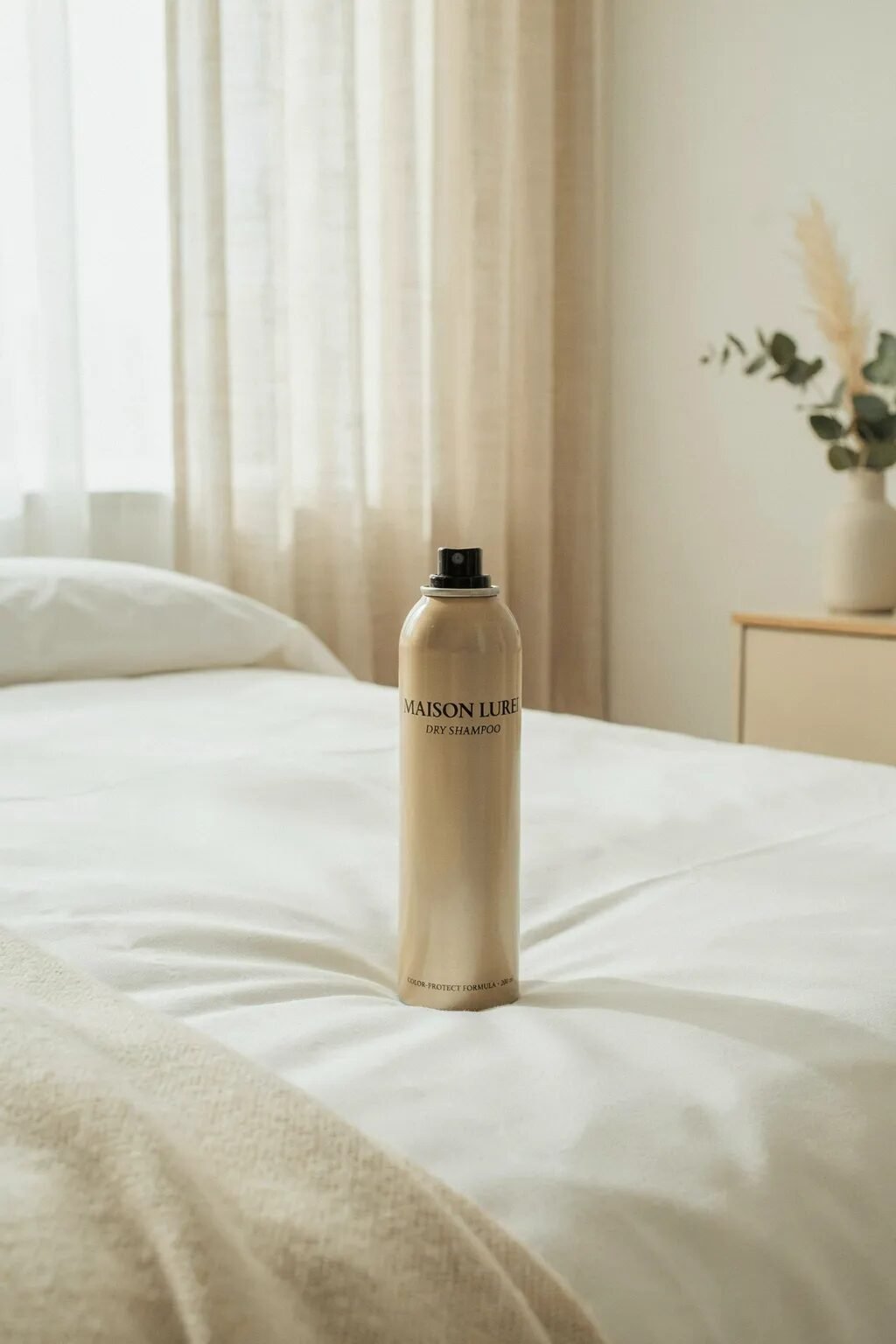
Washing your hair every day fades your toner fast. You must stretch your wash days using dry shampoo. Spray the dry shampoo at your roots before you go to bed. It absorbs the oil while you sleep.
Sleep on a silk pillowcase to prevent friction and breakage. Cotton pillowcases grab the hair cuticle and cause split ends. Silk allows the hair to glide smoothly all night long.
Turn down the water temperature when you rinse your conditioner. Hot water opens the hair cuticle and lets the color slip right out. Cold water seals the cuticle shut and makes the hair shiny.
Always use a heat protectant before touching a curling iron. Direct heat burns the toner right out of the hair shaft. Keep your hot tools under 350 degrees Fahrenheit.
Buy a shower filter if you have hard water. Hard water minerals cause blonde hair to turn yellow and brittle. A simple filter attaches to your shower head and protects your expensive color.
What to Expect During the Grow Out Phase
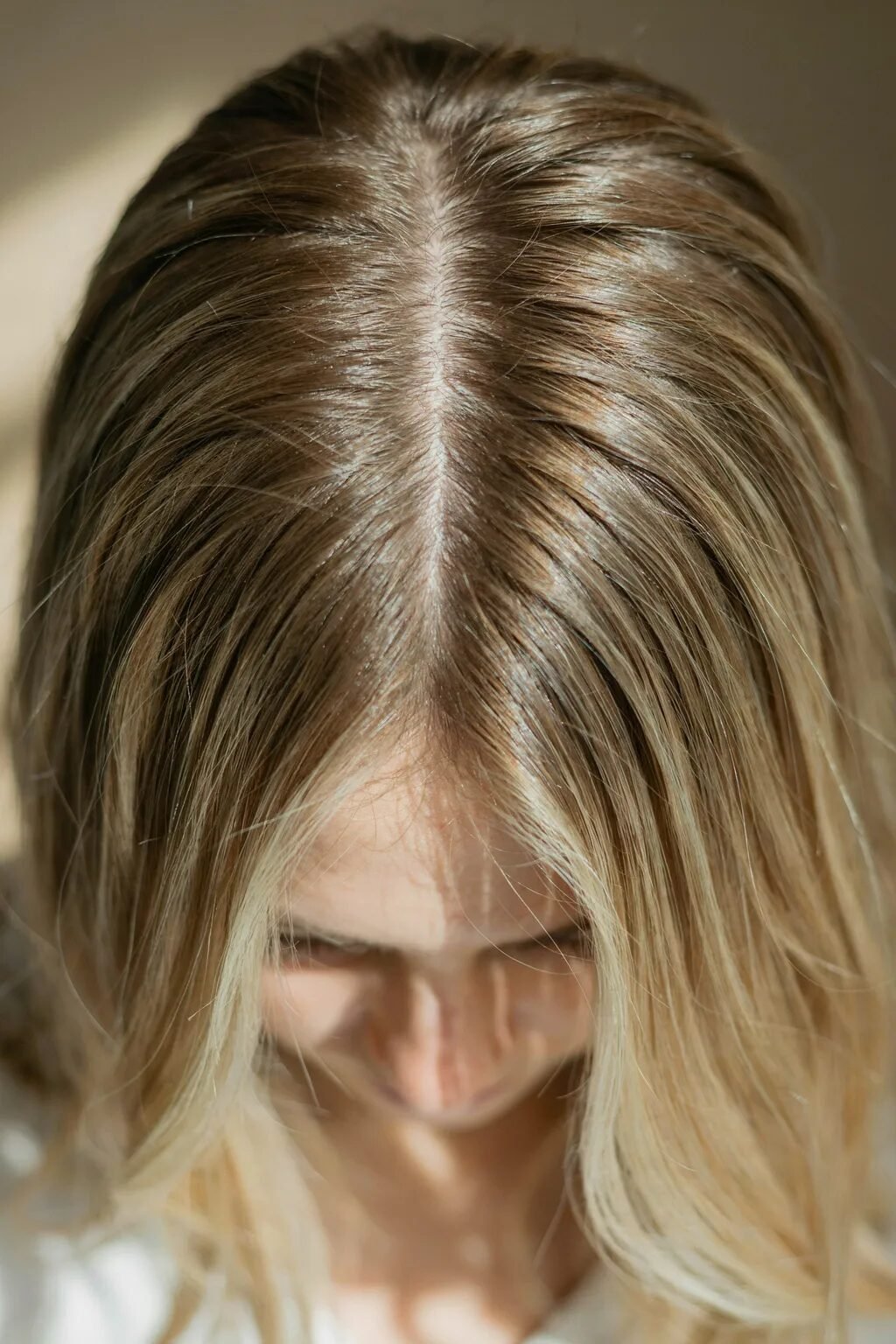
Knowing what your hair will look like months from now helps you choose the right style. Each application fades and grows out entirely differently.
Month one looks perfect across all styles. Your toner shines brightly and the roots remain tight to the scalp. You feel fresh and completely put together.
Month two brings changes. Traditional foils show a clear line of demarcation at the roots. The toner begins to fade slightly. Hand-painted styles still look completely blended at the root.
Month four requires action for foil clients. Your roots look heavily grown out. You desperately need a touch-up appointment. Hand-painted clients only need a fresh gloss. The roots still blend seamlessly into the mid-lengths.
Month six shows the true value of hand-painting. Your color looks intentionally lived-in. The dimension looks totally natural. Foil clients are on their third touch-up appointment by this time.
Fixing Common Salon Disasters
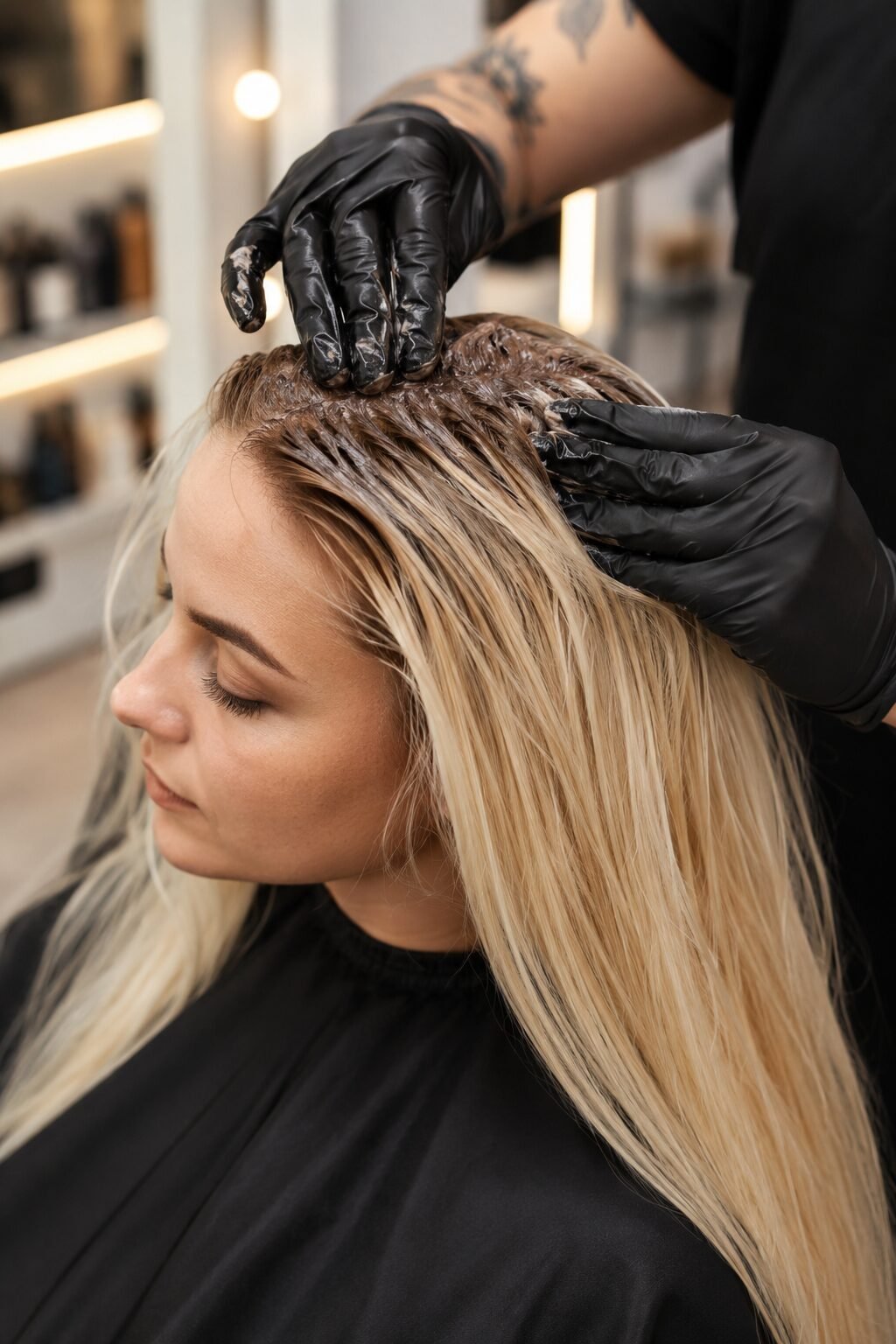
Sometimes things go wrong. You might end up with chunky stripes or severe breakage. Knowing how to handle these situations prevents further damage to your hair.
If your foils look like zebra stripes, ask for a root smudge. The stylist applies a dark demi-permanent color to your roots. This blurs the harsh lines and softens the entire look. It takes twenty minutes and fixes the problem instantly.
If your ends feel like chewing gum when wet, stop using heat immediately. You have severe chemical damage. Buy the K18 mask and use it for six consecutive washes. Do not use any bleach until the hair regains its elasticity.
If your color turns bright orange, you need a different toner. The stylist likely did not lift the hair light enough before toning. You must wait a few weeks and let them lift it past the orange stage safely.
Adapting Color for Different Hair Types
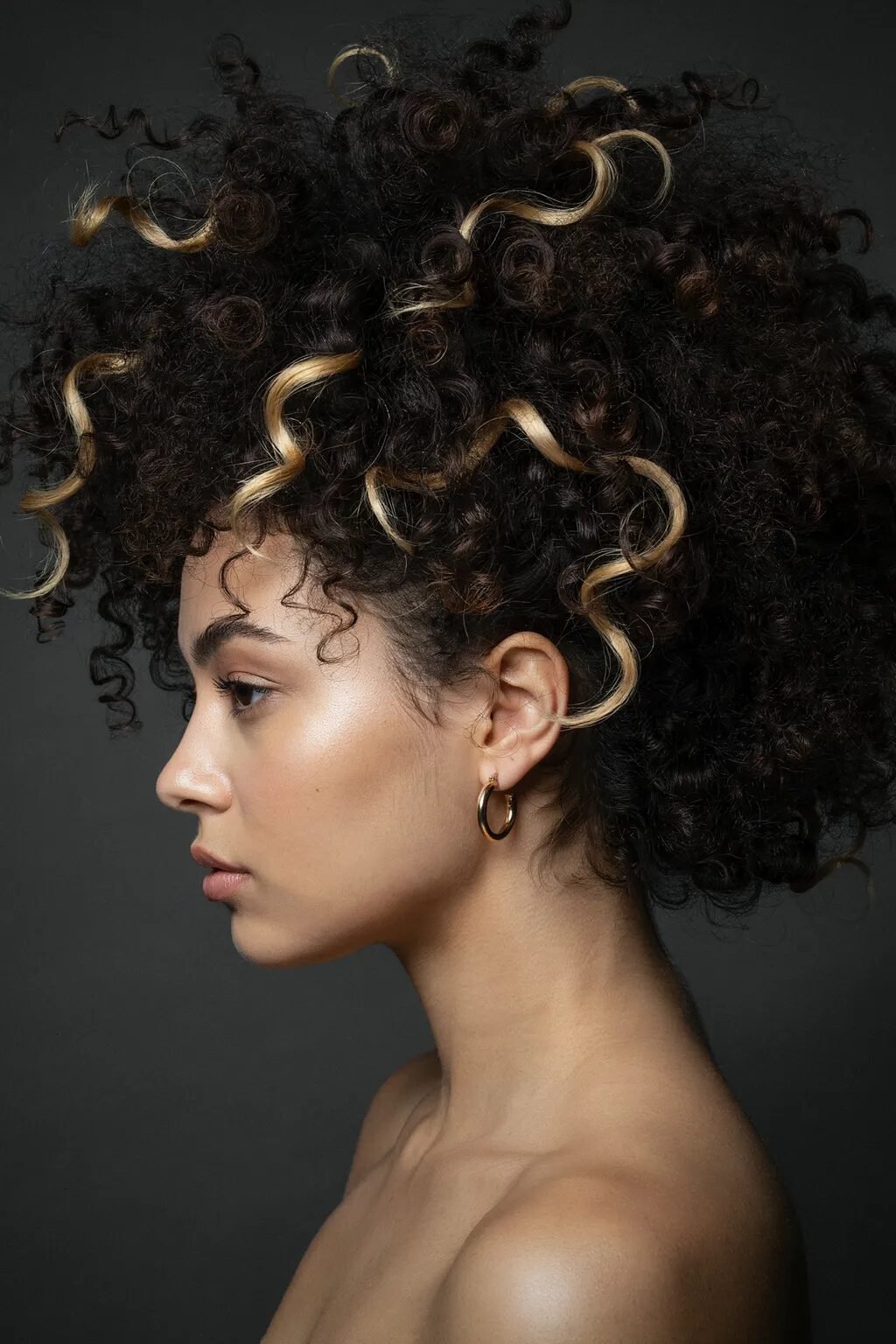
Fine hair needs gentle handling. Micro-weaves prevent severe chemical overlap. Heavy hand-painting makes fine hair look stringy. Thin sections keep the density looking thick and full.
Coarse and curly hair thrives with hand-painting. Curls naturally group together in clumps. Painting the outside of these clumps creates beautiful ribbons of light. Foils often break up the natural curl pattern and look disjointed.
Straight hair shows every single mistake. Micro-weaves look best on pin-straight hair. They blend perfectly and leave no harsh horizontal lines. Hand-painting on straight hair requires an expert blending hand.
Hair Cuts matter immensely. A layered cut shows off hand-painted dimension beautifully. The lighter pieces pop against the darker underneath layers. A blunt, one-length cut needs micro-weaves to avoid looking flat and heavy.
Frequently Asked Questions
Does hand-painting damage your hair less than foils?
Hand-painting typically uses a clay-based lightener. This lightener dries on the outside while continuing to work inside. Foils conduct heat and push the lightener deeper into the hair shaft quickly. Neither application damages hair if the stylist uses the correct developer. Proper timing and application keep the hair completely healthy.
Can you cover gray hair with these options?
Highlights and hand-painting do not cover gray hair completely. They only blend the grays with the lighter pieces. You need a permanent root color applied first to completely hide gray hair. Many clients get a root touch-up with a few painted pieces around the face. This hides the gray while adding bright dimension.
How do I fix brassy tones between appointments?
Purple shampoo neutralizes yellow tones in blonde hair. Blue shampoo neutralizes orange tones in brown hair. Use these toning shampoos only once a week. Overusing them makes the hair dry and dull. You can also book a quick gloss appointment at your salon. A gloss refreshes the tone safely.
Why does my stylist charge an hourly rate for color correction?
Fixing boxed dye or botched color takes unpredictable amounts of time. The stylist must carefully remove old layers of artificial pigment. They test small strands to see what the hair can actually handle. An hourly rate protects both you and the stylist. It ensures they take their time to preserve the integrity of your hair.
Can I swim in chlorine with freshly lightened hair?
You must wait at least one week before swimming in a chlorinated pool. Chlorine acts as a harsh chemical bleach. It strips your expensive toner instantly. It also leaves green mineral deposits in blonde hair. Wet your hair with fresh tap water and apply a leave-in conditioner before getting in the pool. This creates a protective barrier.
Will these applications work on previously boxed-dyed hair?
Box dye contains metallic salts and unpredictable pigments. Lifting box dye is completely possible but requires extreme caution. Your stylist must perform a test strand first. Expect warm, brassy tones during the first few sessions. You will not get a cool icy blonde in one day if you have black box dye on your hair.
Final Thoughts on Your Hair Journey
Choosing between these three applications comes down to your lifestyle and budget. Hand-painting gives you freedom from strict salon schedules. Traditional foils give you bright and high-contrast looks. Micro-weaves deliver incredibly seamless and natural dimension.
Speak honestly with your stylist about how often you wash your hair. Tell them your exact budget for the year. This transparency ensures you get a look you can actually maintain. You now hold the exact knowledge needed to walk into the salon with total confidence.