
Mousse vs Volumizing Spray: Which Adds More Lift to Fine Hair
Flat hair feels like a personal defeat. You spend forty minutes washing, blow-drying, and styling, only to look in the mirror an hour later and see your hair resting completely flat against your scalp. For anyone with fine strands, this is a daily battle. The underlying issue is simple physics: fine hair has a smaller diameter than other hair types, meaning it lacks the internal structural strength to hold itself up. Gravity wins every single time unless you introduce a styling product that alters the mechanical behavior of your strands.
The two main contenders in this space are hair mousse and volumizing spray. While both promise to rescue limp strands, they use entirely different chemical formulations to achieve that goal. Choosing the wrong one leaves your hair feeling sticky, weighed down, or completely stripped of moisture. This comprehensive breakdown will analyze how these products function on a molecular level, compare their real-world performance, and help you select the exact tool your specific styling routine requires.
Executive Summary
Fine hair requires specialized styling support because standard products easily overwhelm delicate strands. This guide evaluates hair mousse and volumizing spray across five performance metrics: structural lift, weight, texture, ease of use, and longevity.
Mousse utilizes aerosolized polymers to create a physical matrix around individual hair shafts. This expands the overall diameter of each strand, providing exceptional root lift and an all-over thickening effect. Volumizing sprays rely on lightweight liquid polymers and copolymer resins that target the root area specifically, stiffening the base of the hair shaft to force it upward without coating the entire length of the strand.
Based on professional testing and user feedback, mousse delivers superior all-over thickness and structural hold for complex styles, though it requires precise application to avoid crunchiness. Volumizing spray offers a faster, more flexible, and weightless lift that excels at the roots but provides less overall body through the mid-lengths. For optimal results, match your selection to your primary styling goal: choose mousse for maximum structural density and spray for clean, touchable root elevation.
How Does Hair Mousse Create Substance in Fine Strands?
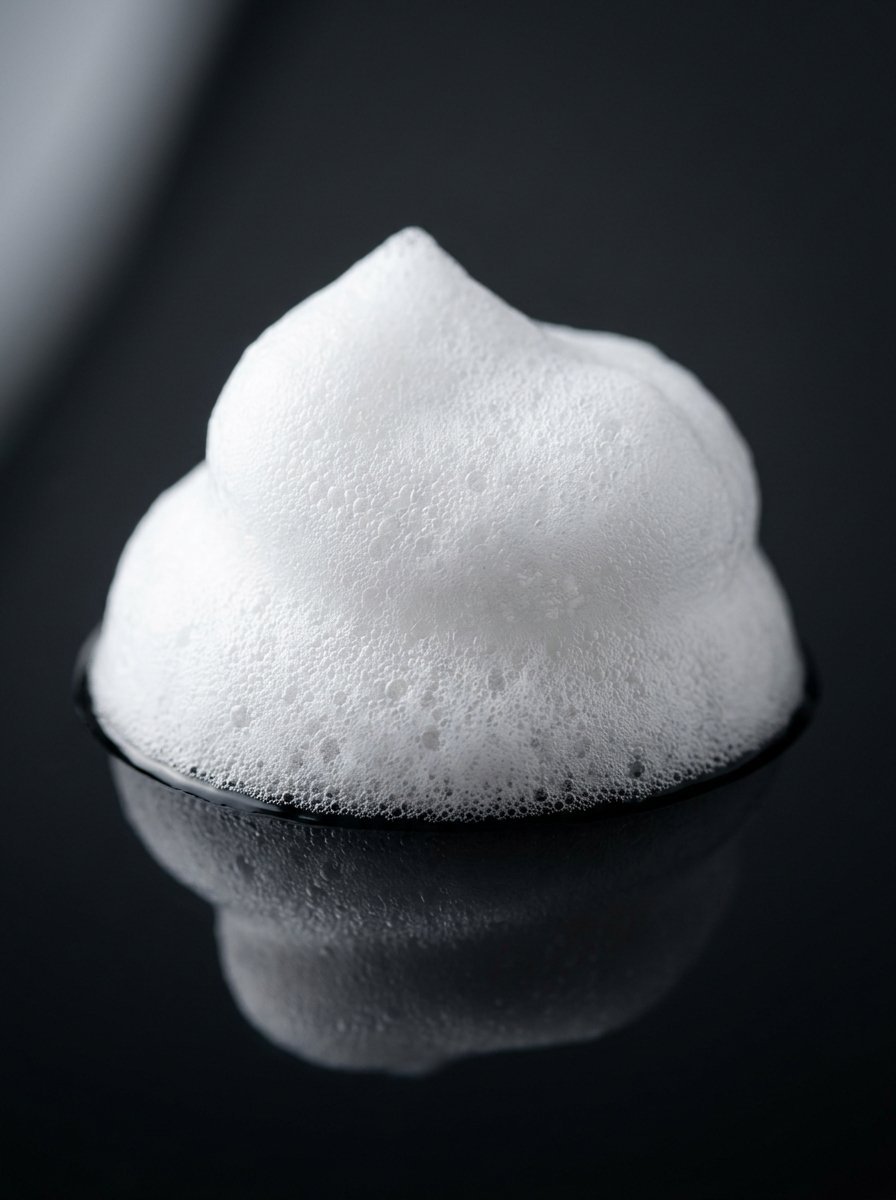
Hair mousse is a liquid formula dispensed through an aerosol valve, mixing the product with propellants to create a dense foam. This foam is packed with water-soluble conditioning agents and synthetic polymers like polyquaternium. When you work this foam through damp hair, these polymers coat the outer cuticle layer of every single strand.
As your hair dries, the water content in the mousse evaporates. This leaves behind a microscopic, flexible film that wraps around each hair shaft. This film increases the physical friction between neighboring hairs. Instead of sliding past each other and laying flat, your strands catch on one another, creating mechanical loft and the illusion of a much thicker head of hair.
In my experience, mousse works best when you need structural support from the roots all the way to the ends. If you are planning to use round brushes or hot rollers, mousse provides the necessary grip to lock that shape into place. I have noticed that modern formulas have moved away from the stiff, alcohol-heavy recipes of the past. Brands now incorporate ingredients like bamboo extract to provide flexible hold without making the hair feel like straw. However, application requires a careful hand. If you apply too much product or fail to distribute it evenly with a comb, you will end up with crunchy sections that are difficult to brush out.
How Does Volumizing Spray Deliver Weightless Root Elevation?
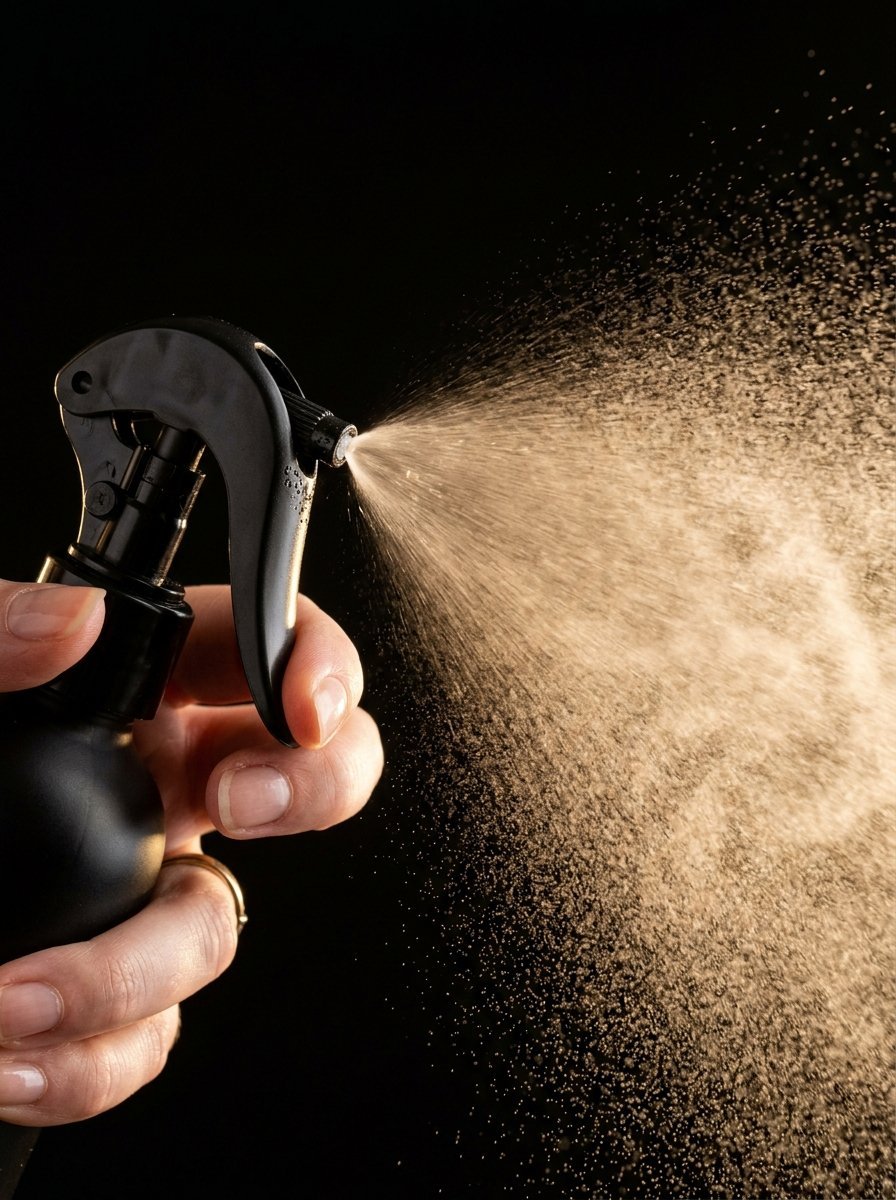
Volumizing sprays are liquid formulas delivered via a pump or fine-mist trigger. Unlike mousse, which is designed to coat the entire length of the hair, these sprays are formulated to target the first inch of hair closest to your scalp. The chemical composition relies heavily on lightweight resins, copolymer blends, and occasionally natural starches or silica derivatives.
When sprayed onto the roots, the liquid surrounds the base of the hair shaft. As heat from a blow-dryer is applied, these polymers quickly dry and harden slightly at the anchor point of the hair. This creates a supportive scaffold right at the scalp, physically propping the hair upward away from the skin. Because the product is concentrated at the base, the rest of the hair strand remains completely free of product weight.
I have tried dozens of these sprays on clients with ultra-fine hair, and the results are incredibly consistent. Sprays provide a clean, touchable lift that allows the hair to move naturally. You do not get that product-heavy feel that mousse can sometimes leave behind. This makes sprays perfect for casual, everyday styles where you want natural movement rather than structured volume. The limitation of a volumizing spray is its scope. It does an exceptional job of lifting the roots, but it does very little to add thickness or body to the mid-lengths and ends of your hair. If your ends are sparse or thin, a spray alone will not make your overall style look full.
Direct Performance Comparison: Mousse vs Volumizing Spray
To determine which product delivers the best results for your daily routine, it helps to compare their performance across specific categories. The table below outlines how mousse and volumizing spray behave during application and throughout the day.
| Performance Metric | Hair Mousse | Volumizing Spray |
| Primary Target Area | Full length (roots to ends) | Root area (first 1-2 inches) |
| Application State | Strictly damp hair | Damp or dry hair (formula dependent) |
| Finish and Texture | Matte to satin; adds tactile grip | Natural; leaves hair soft and touchable |
| Hold Longevity | High; resists humidity well | Moderate; may require midday fluffing |
| Skill Required | Moderate; needs thorough combing | Low; direct spray application |
| Best Styling Tools | Round brush, rollers, diffuser | Vent brush, hands, paddle brush |
The Root Lift Showdown: Which Product Wins?
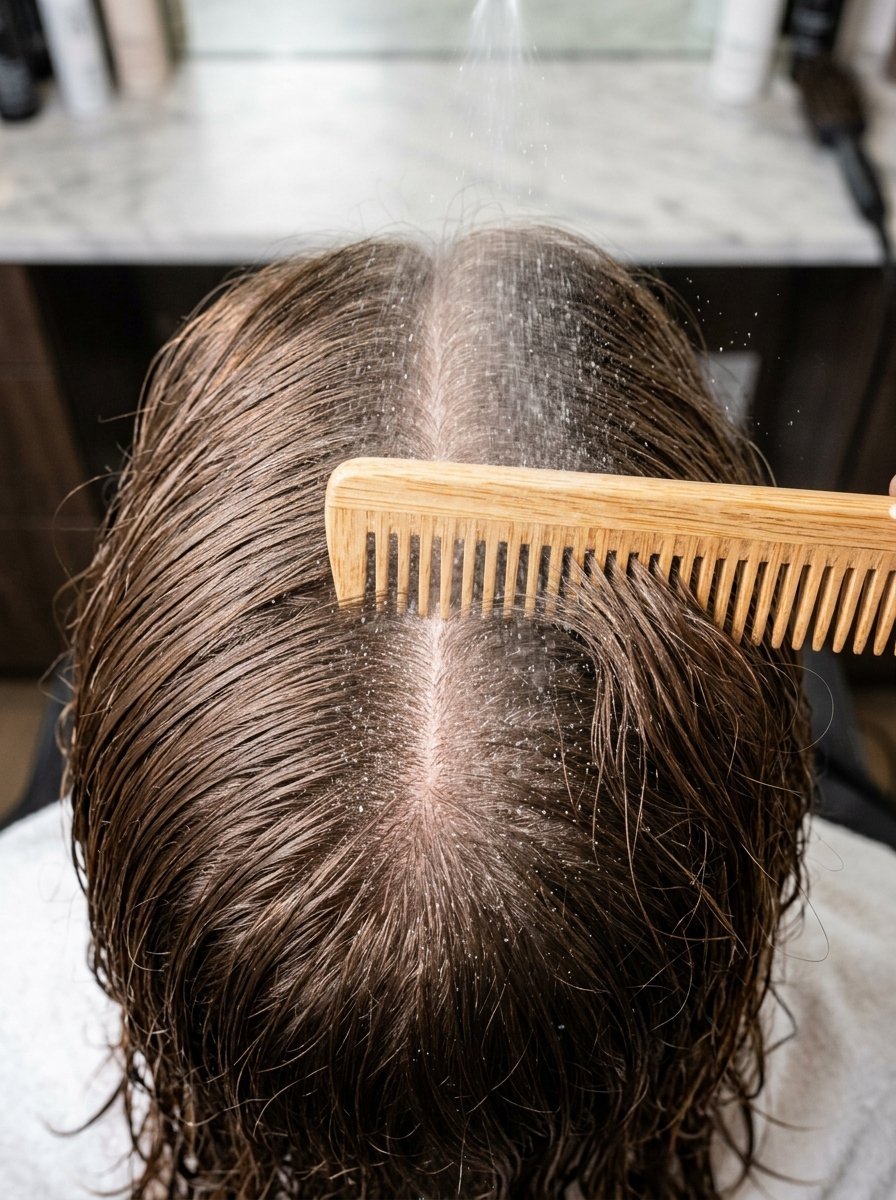
When the sole objective is moving hair vertically away from the scalp, volumizing spray holds a distinct technical advantage for fine hair. The explanation lies entirely in weight distribution. Fine hair cannot support excess weight at the mid-lengths without collapsing at the roots.
Because a volumizing spray applies a concentrated dose of lightweight polymers directly to the base of the hair, it maximizes upward force while minimizing the downward pull on the rest of the strand. This creates a clean pivot point at the scalp.
Mousse can certainly create incredible root lift, but because it is a dense foam, it is highly difficult to apply strictly to the roots without some of the product migrating down the hair shaft. For hair that is both fine and low-density (fewer hairs per square inch), that extra product weight along the length can counteract the lift you achieved at the base.
However, if your fine hair is high-density (meaning you have a lot of individual strands, but each strand is very thin), mousse wins the showdown. In that specific scenario, the collective strength of the polymer matrix across thousands of strands creates a massive web of volume that a simple root spray cannot replicate.
Analyzed Product Breakdown: Real-World Brand Performance
To understand how these formulas perform outside of a laboratory, we must look at how specific commercial products handle fine, delicate hair. The beauty market is filled with options, but a few specific formulas have shifted industry standards regarding weight and residue.
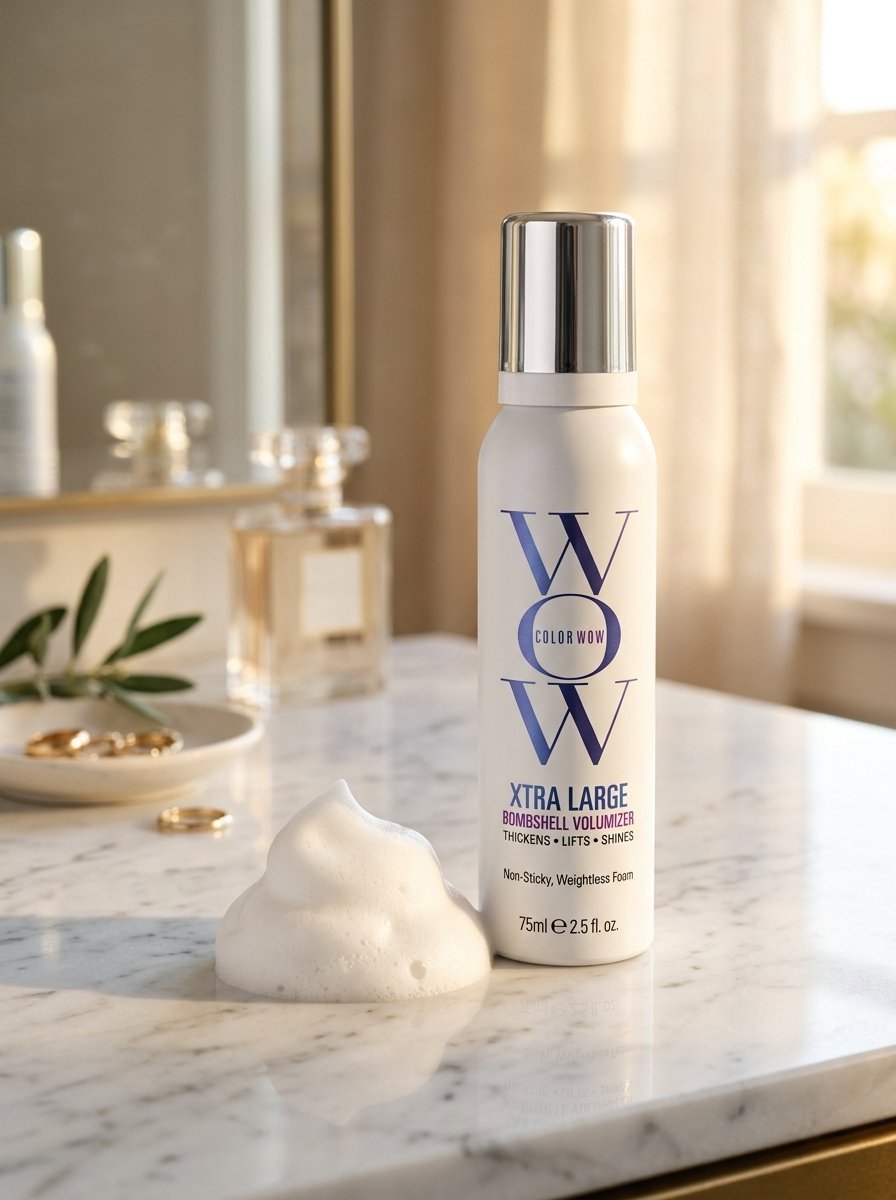
- Color Wow Xtra Large Bombshell Volumizer: This product represents a massive shift in mousse technology. Traditional mousses rely on alcohol and resins to stiffen the hair cuticle, which can disrupt color and strip moisture. This formula uses a non-dehydrating polymer blend webbed with bamboo extract. It expands the hair wrapper without forcing the cuticle open. In my experience, it leaves fine hair feeling completely naked while looking twice as thick. It is completely alcohol-free, making it safe for color-treated hair.
- Color Wow Raise the Root Thicken + Lift Spray: This is a dedicated root spray designed for both damp and dry hair. It uses clear, flexible elastane polymers that form a supportive spring at the base of each hair. Unlike older root lifters, it never becomes stiff or sticky. If your style begins to droop at 3:00 PM, you can simply massage your scalp with your fingertips to reactivate the polymers and restore the initial lift.
- John Frieda Volume Lift Air Whipped Mousse: A classic drugstore option that uses ultra-lightweight cleansing and styling polymers. It spreads quickly through damp hair without clumping, making it a reliable option for beginners who are still learning how to distribute foam evenly.
- Living Proof Full Dry Volume & Texture Spray: This functions as a hybrid between a styling spray and a finishing spray. It uses a patented Volumizing Molecule (ETAS) that is physically lighter than traditional starch ingredients. It adds space between hair strands instantly on dry hair, making it an exceptional tool for quick touch-ups.
Step-by-Step Styling Protocols for Maximum Volume
Achieving high-level volume requires combining the right product with correct physical styling techniques. Misusing either tool will result in a flat style. Follow these precise steps to get the most out of your chosen product.
The Full-Body Mousse Protocol
This technique ensures even distribution and prevents wet spots that dry into stiff, crunchy patches.
1.Towel Dry Thoroughly:Pre-styling preparation.
Remove excess water until your hair is damp but no longer dripping. If the hair is too wet, the water will dilute the mousse polymers, causing them to run off the strand instead of coating it.
2.Dispense and Section:Sizing the application.
Shake the can vigorously. Dispense an egg-sized amount of foam into your palm. Divide your hair into three horizontal sections: bottom, middle, and top.
3.Paint the Roots and Lengths:Even product distribution.
Take small amounts of foam from your hand using a wide-tooth comb. Run the comb through each section, starting half an inch away from the scalp down to the ends. This ensures every strand receives a uniform, micro-thin layer of product.
4.Tension Blow-Dry:Setting the polymer matrix.
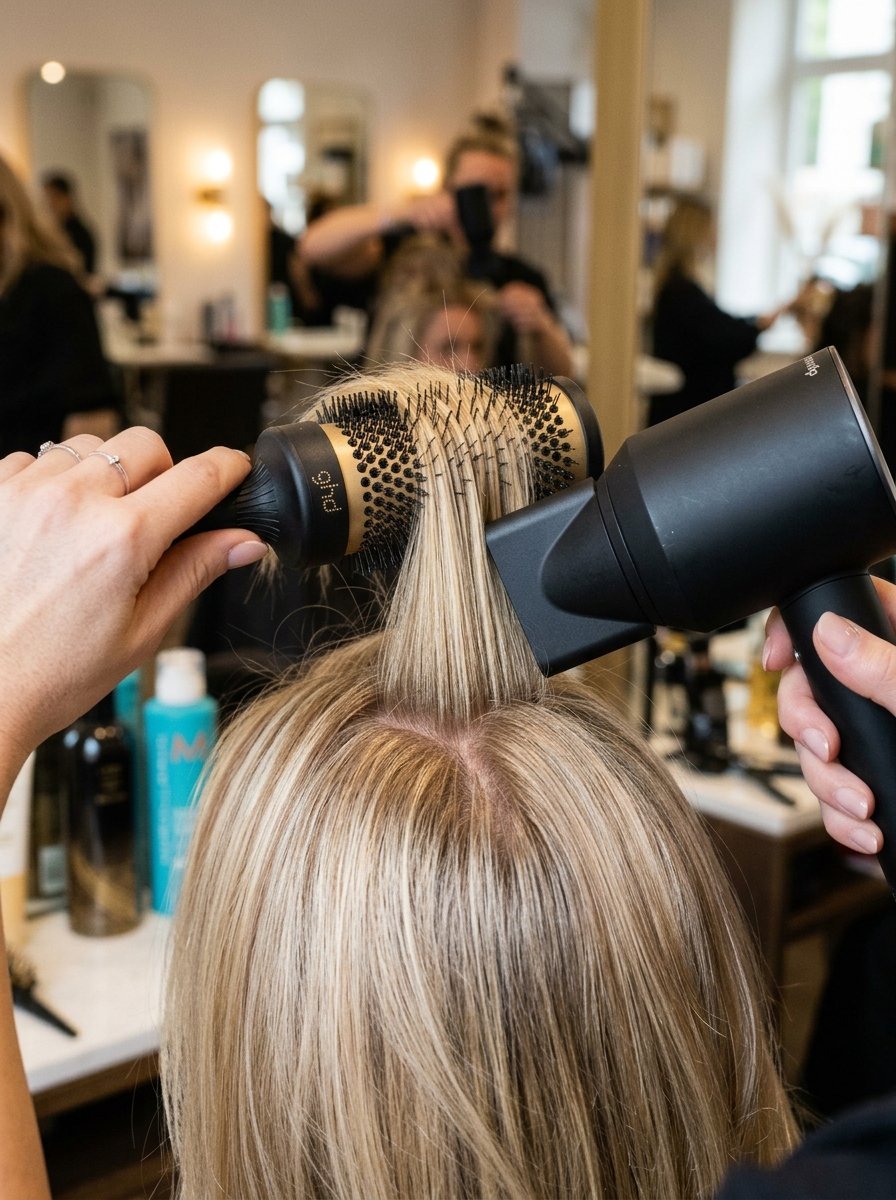
Using a ceramic round brush, lift each section at a ninety-degree angle from the scalp. Apply medium heat from your dryer, keeping the nozzle pointed downward toward the ends to keep the cuticle smooth. Let each section cool completely on the brush before releasing it to lock in the shape.
The Target-Spray Elevation Protocol
This technique focuses energy entirely on the architectural foundation of your hairstyle.
1.Rough Dry to Fifty Percent:Removing bulk weight.
Flip your head upside down and use your fingers to blow-dry your hair until it is roughly half dry. This removes the heavy water weight from the ends before you apply your styling spray.
2.Create Clean Partings:Exposing the root zones.
Flip your head back up. Use a tail comb to create horizontal parts along the crown of your head, spaced about one inch apart.
3.Spray the Anchor Points:Applying product to the base.
Hold the volumizing spray bottle roughly six inches away from your scalp. Mist the root area along each part line once or twice. Avoid over-saturating; you want a fine mist, not a wet puddle on the skin.
4.Directional Heat Application:Locking in the upward lift.
Use a vent brush to lift the sprayed sections straight up and back, away from your face. Direct the heat of your blow-dryer straight at the roots for three to five seconds, then blast it with cool air to set the polymer scaffold.
Troubleshooting Failure Points in Fine Hair Styling
When styling fine hair, the margin for error is incredibly small. A tiny misstep can turn a high-volume look into a flat, greasy mess. Recognizing these common pitfalls allows you to adjust your routine before ruining your style.
The Heavy Silicones Pitfall
Many over-the-counter shampoos, conditioners, and serums are packed with heavy silicones like dimethicone. While these ingredients make coarse hair look shiny and smooth, they are disastrous for fine strands. Silicones form a waterproof coating over the hair shaft that builds up over time, adding significant physical weight. No amount of volumizing spray or mousse can lift a hair shaft that is weighed down by silicone buildup.
To fix this, switch to a dedicated clarifying shampoo once every two weeks to strip away accumulated product residue. Look for daily conditioners that utilize lightweight hydrating agents like glycerin or hydrolyzed proteins instead of heavy oils.
The Air-Drying Mistake
If you apply a volumizing product and then let your hair air-dry, you are wasting your time and product. Volumizing polymers and resins are explicitly engineered to expand and harden in response to heat and tension. When left to air-dry, gravity pulls the wet hair downward against the scalp. The polymers will dry in that flat position, locking the hair down instead of propping it up. Always use a blow-dryer to activate these styling formulas.
Frequently Asked Questions
Can I use hair mousse and volumizing spray together?
You can use them together, but you must be careful with the amounts. This technique works best if you apply a tiny amount of volumizing spray strictly to the root area along your crown for upward lift, and then use a lightweight mousse strictly through the mid-lengths and ends to add thickness. Avoid layering them on top of each other at the roots, as this creates product buildup that weighs fine hair down.
Does alcohol-free mousse actually hold fine hair in place?
Yes. Early hair mousses relied heavily on simple drying alcohols to make the foam dry quickly on the hair. However, this stripped moisture and left the hair feeling brittle. Modern alcohol-free mousses utilize advanced synthetic polymers that dry cleanly without stripping moisture, delivering excellent hold and thickness without the dry texture.
Why does my hair feel sticky after using a volumizing spray?
Sticky hair usually happens because of two reasons: spraying the product too close to the scalp or using too much. When a spray is held two to three inches away, it hits the hair in concentrated droplets instead of a fine mist. Always hold the bottle at least six inches away, and start with fewer sprays than you think you need.
How do I refresh my volume the next day without washing my hair?
Avoid adding more wet product to dry hair, as this will cause it to collapse. Instead, use a dry texture spray or a lightweight dry shampoo at the roots to absorb any natural oils. Once applied, flip your head upside down and give your roots a quick blast with a blow-dryer on medium heat while massaging your scalp with your fingertips to reactivate the original styling resins.
Is mousse safe for fine, color-treated hair?
Mousse is completely safe for color-treated hair as long as you choose an alcohol-free, color-safe formula. Look for brands that explicitly state they are color-safe. These formulas avoid harsh solvents that strip hair dye, using gentle ingredients that protect your hair color while adding excellent volume.
What happens if I apply mousse directly to dry hair?
Applying traditional mousse to dry hair causes the foam to dry unevenly, leaving sticky, stiff, and wet-looking patches that are difficult to brush out. Mousse requires water to spread smoothly across the hair fibers. If you need to add volume to dry hair, skip the mousse entirely and use a dry texture spray instead.
The choice between mousse and volumizing spray comes down to what your specific hairstyle needs. If your goal is all-over fullness, tactile grip, and a style that holds its shape from morning until night, reach for a high-quality mousse. If you want a quick, clean, and completely weightless lift right at your roots while keeping your ends soft and natural, a volumizing spray is your best tool. Match your product to your daily styling goals, use heat to activate the formulas, and flat hair will no longer dominate your mornings.

Sarah Mitchell — Founder & Editor-in-Chief
Sarah Mitchell is the founder and editorial voice behind Hair Level Up. A licensed cosmetologist with more than 15 years of experience, she has styled A-list celebrities for editorial shoots and red carpets, with work featured in Vogue, Elle, and Harper’s Bazaar. Early in her career, she trained under the legendary hairstylist Oribe in New York, an apprenticeship that still shapes her editorial eye today. Sarah founded Hair Level Up in 2020 after one bad haircut convinced her that women deserved a destination that felt like a magazine, taught like a stylist, and inspired like an art gallery. She oversees every story from concept to publication, guided by a simple belief: a good story teaches you something, but a great one makes you feel beautiful while it does.