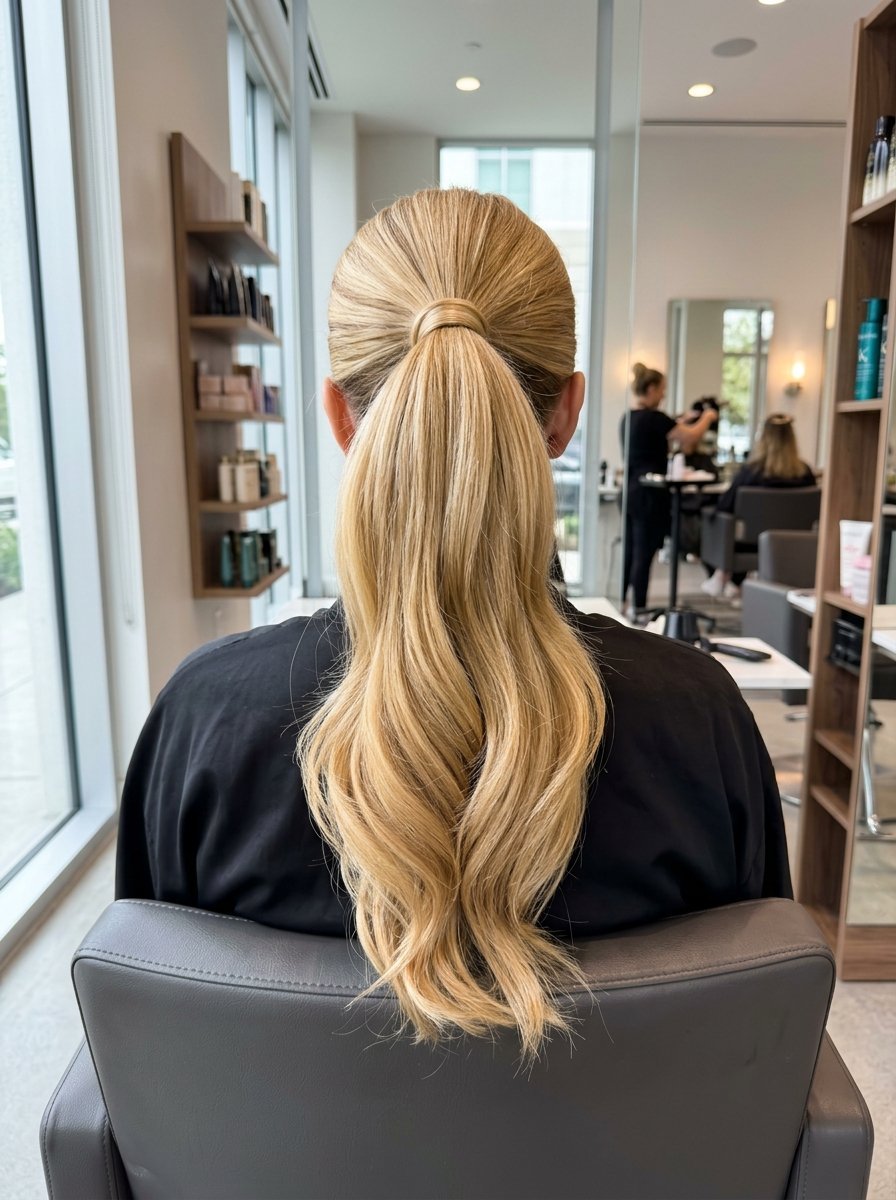

10 Habits Quietly Flattening Your Fine Hair
Many people wake up to strands that cling to their scalp, looking deflated and lifeless. You might spend time and money on volumizing sprays, expensive cuts, or specific styling routines, only to see your style collapse into a flat look within an hour. It feels frustrating when your efforts yield zero lasting volume.
The truth is that fine hair behaves differently than other hair types. Each individual strand has a smaller diameter, meaning it lacks the structural stiffness to hold itself up. When oil, heavy products, or improper styling techniques weigh it down, gravity pulls it flat. You might think your hair is simply stubborn, but the issue often stems from subtle daily routines that work against your natural structure.
In my experience behind the chair as a stylist, I see clients make the same tiny errors every day. They try hard to build body but accidentally trigger a flat result. If you feel like your hair is permanently glued to your head, you are likely repeating one of these common mistakes. Let us dive into the everyday patterns that deflate fine hair and look at the straightforward changes that restore lasting body.
Executive Summary
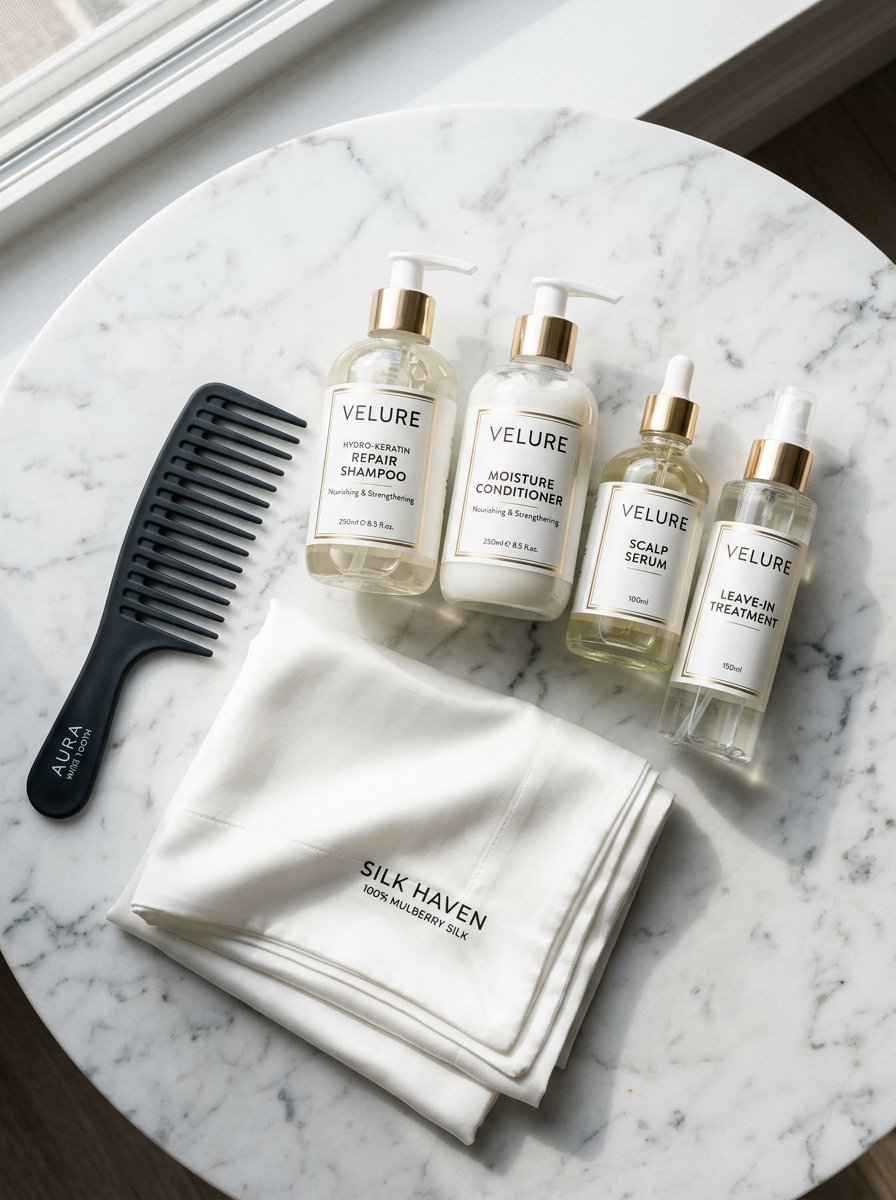
Fine hair struggles with weight, oil accumulation, and structural collapse. This comprehensive guide details ten common daily habits that accidentally pull fine strands down. You will learn how heavy moisturizing products, improper washing routines, incorrect tool usage, and sleeping patterns create a limp appearance. By identifying these hidden mistakes and implementing targeted, lightweight alternatives, you can protect your delicate strands and build reliable, all-day volume. This resource provides a practical, clear plan to transform flat hair into a full, bouncy style.
1. Washing With Heavy Moisturizing Shampoos
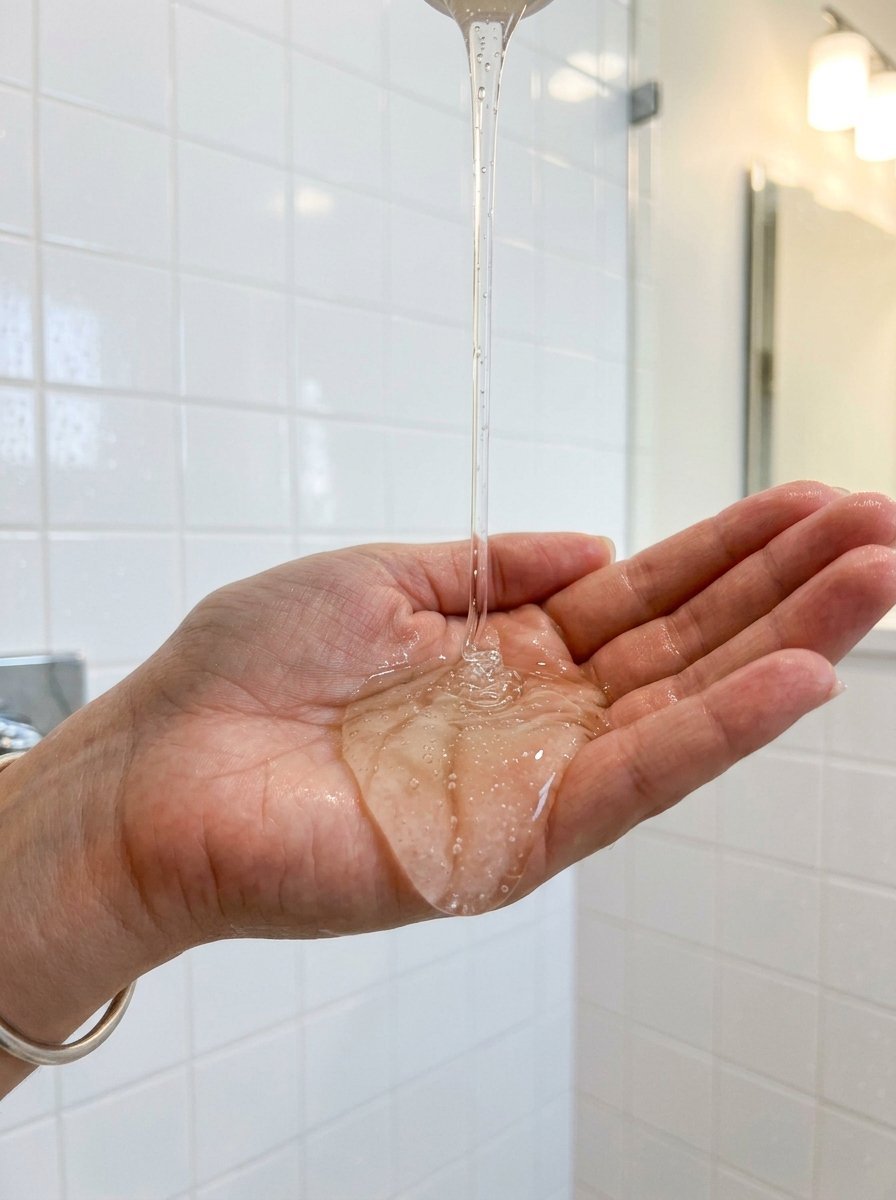
Many people pick a shampoo labeled for intense hydration or deep repair, thinking it will make their hair look shiny and healthy. These formulas usually contain heavy oils, butters, and silicones that coat the hair shaft. While thick or coarse hair drinks up that moisture, fine hair gets completely smothered by it. The ingredients do not rinse away fully, leaving a microscopic layer of weight that pulls the hair down from the root.
In my experience, changing to a clear, lightweight body-building formula makes an immediate difference. I always look for options that focus on gentle cleansing without oily additives. You want something that leaves the scalp completely fresh and free from residue.
- Use a transparent volumizing shampoo for your daily wash.
- Keep creamy, pearlescent moisturizing formulas away from fine strands.
- Focus the suds directly on the roots to remove natural oils.
- Rinse with clean water for two full minutes to prevent residue.
2. Massaging Conditioner Into Your Scalp
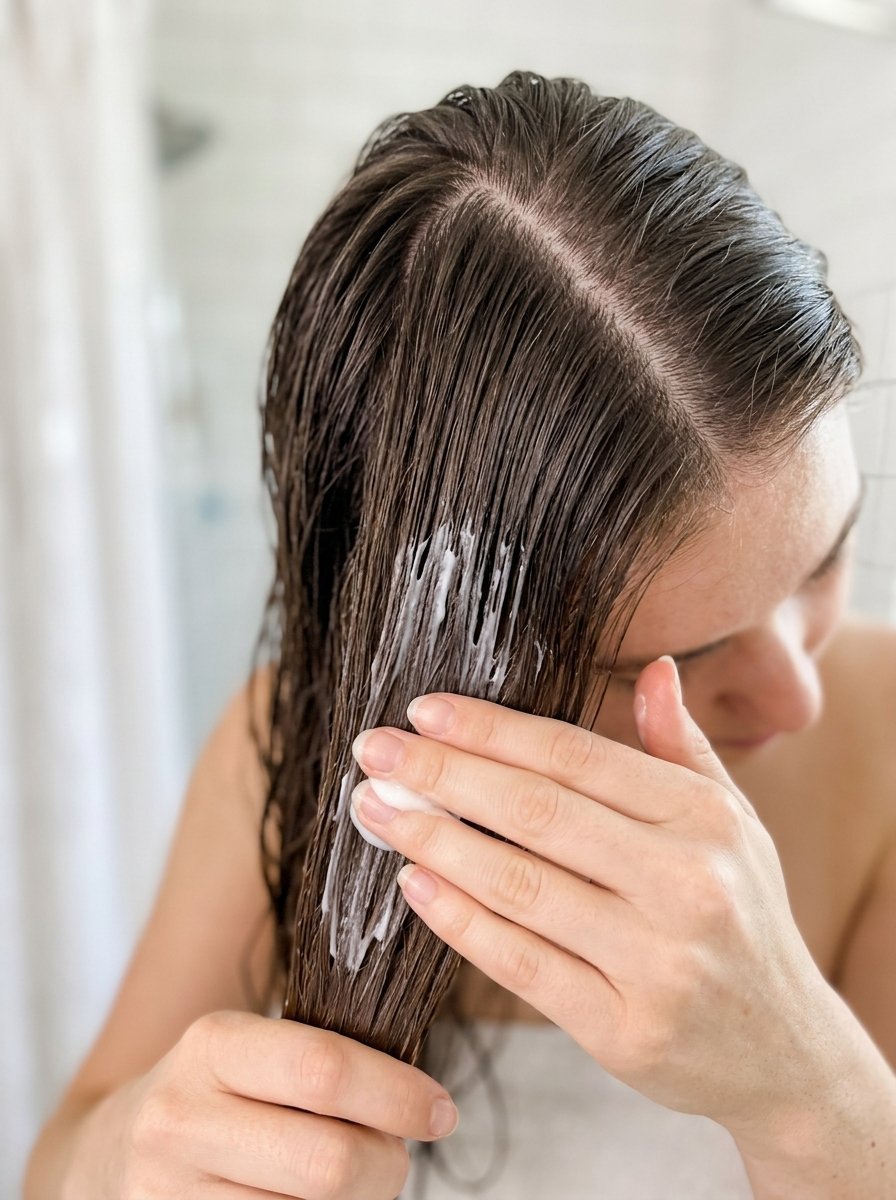
Applying conditioner all over your head is a fast way to guarantee a flat style. Your scalp produces its own natural oils, which means the hair closest to your skin rarely needs extra moisture. When you rub rich conditioners directly into the roots, the product clings to the skin and creates a heavy base. The weight instantly deflates any potential root lift before you even reach for a blow dryer.
I notice that clients who complain about oily roots by noon are almost always conditioning their entire head. The correction is simple: restrict your conditioner to the bottom two-thirds of your length.
- Gather your hair into a ponytail shape with your hands.
- Apply a dime-sized amount of conditioner only to the loose length below your hand.
- Work the product down toward the tips where moisture is actually needed.
- Use a wide-tooth comb to spread it evenly through the lower sections.
3. Overusing Dry Shampoo to Create Volume
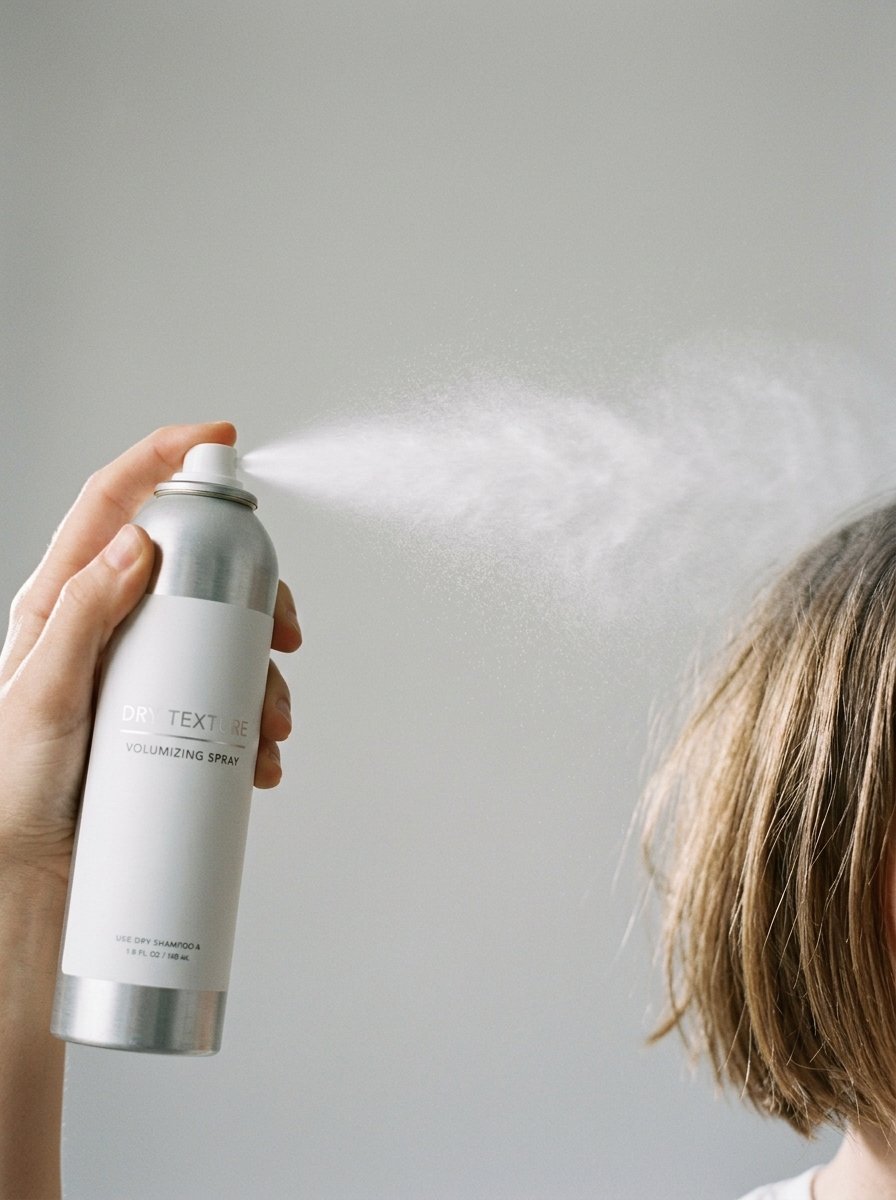
Using dry shampoo seems like a great shortcut to fix oily roots and add quick texture. However, spraying layer after layer onto your scalp day after day creates a thick, chalky buildup. The powder mixes with your natural sebum, forming a heavy paste that glues your roots to your scalp. Instead of lifting the hair, the accumulation chokes the hair follicle and weighs down the base.
I tried using dry shampoo as a daily volumizer for a client last summer, and by day three, her hair looked completely matte and deflated. It is far better to wash your hair with a clarifying cleanser than to rely constantly on starch powders.
- Limit your dry shampoo usage to once or twice between regular washes.
- Hold the spray can a full ten inches away from your head during application.
- Massage the powder into your scalp with your fingertips to distribute it evenly.
- Brush through your hair thoroughly to remove any excess white residue.
4. Brushing Wet Hair With Aggressive Bristles
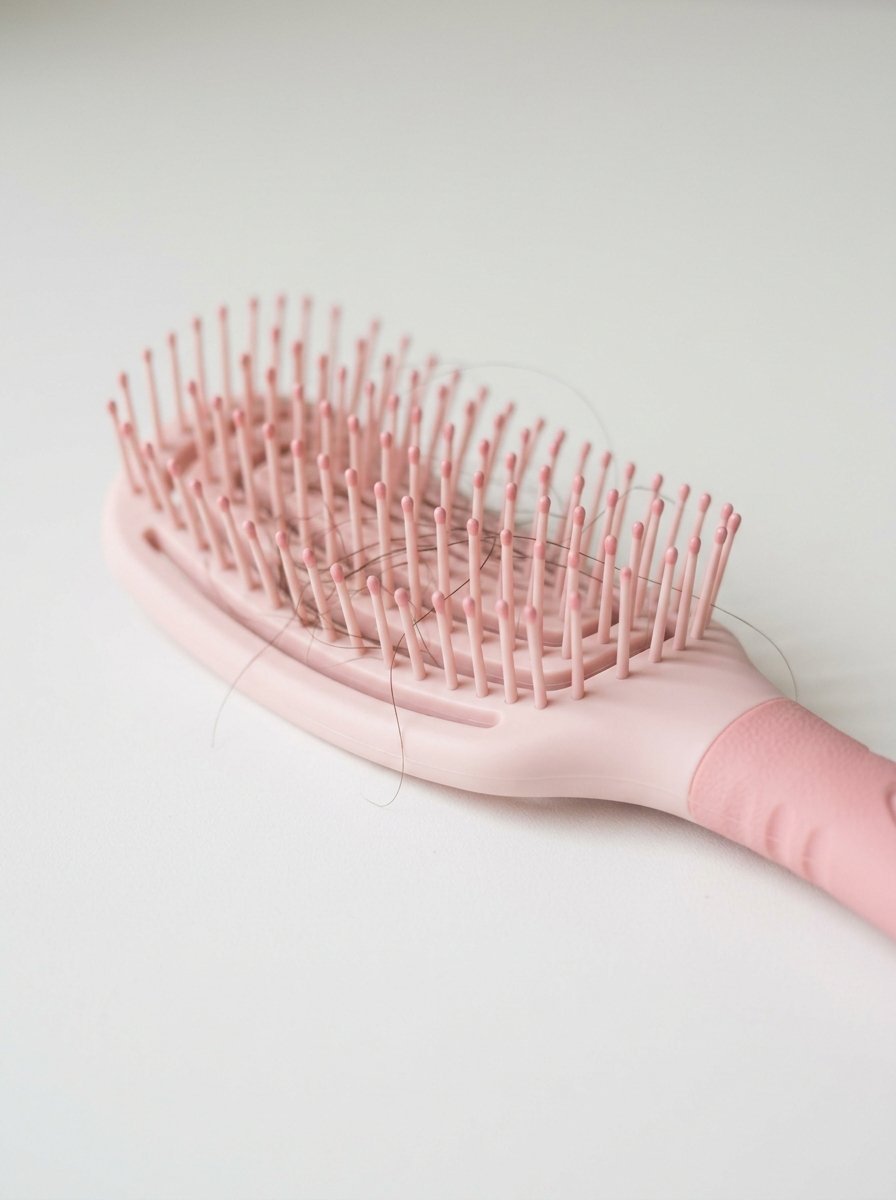
Fine hair is incredibly stretchy and fragile when wet. When you yank a standard brush through damp strands, you stretch the hair past its elastic limit. This mechanical stress weakens the structure, causing the strands to lose their natural spring and resilience. Over time, the hair becomes limp, brittle, and unable to support any bounce or volume.
I see this damage manifest as frayed ends and thin, wispy lengths that look totally flat. To preserve the structural strength of your hair, you must treat it gently when it is wet.
- Use a flexible detangling brush with soft, spaced-out pins.
- Start detangling at the very tips of your hair, working upward slowly.
- Hold the section above your brush to prevent pulling directly on the roots.
- Apply a tiny amount of lightweight leave-in spray to help glide through knots.
5. Applying Heavy Styling Creams and Oils
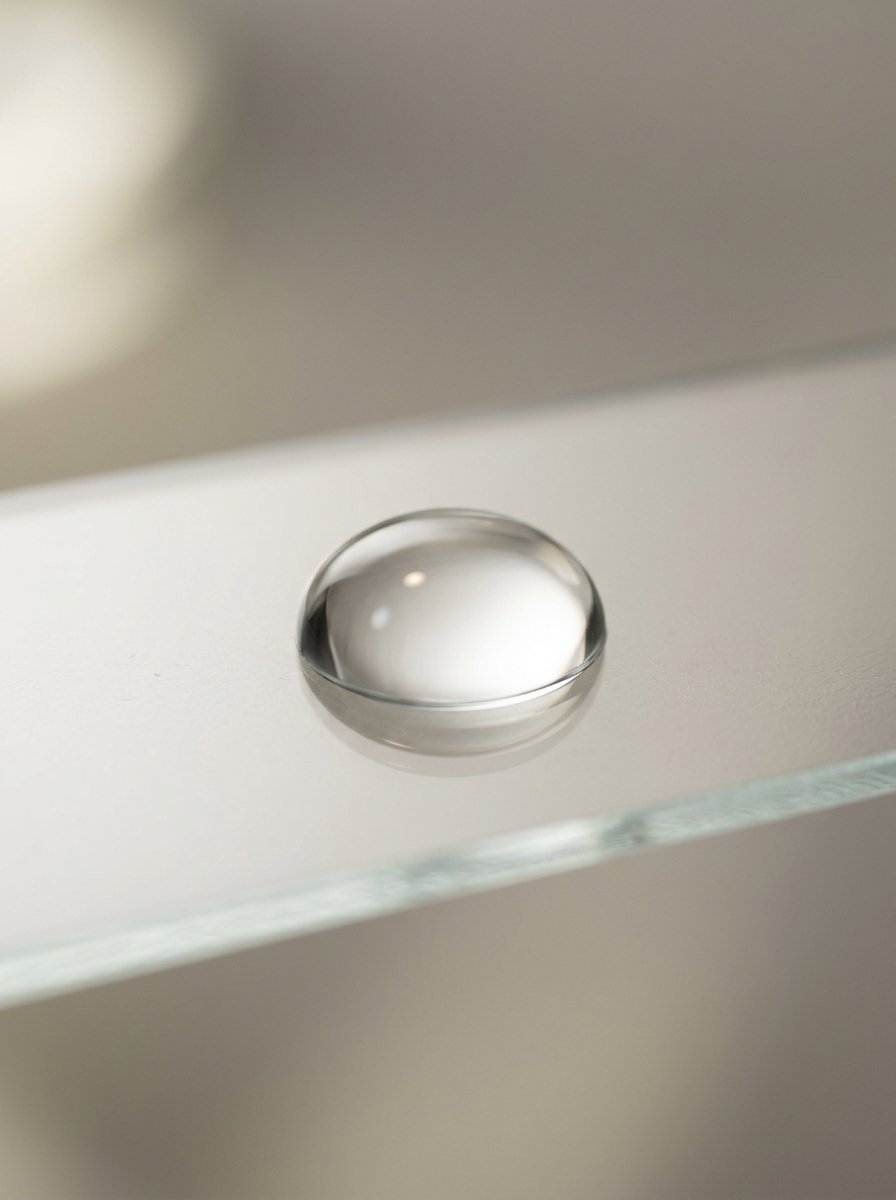
Using thick lotions, heavy serums, or pure oils to smooth down frizz will instantly ruin fine hair. These products are designed to tame thick, unruly textures by adding weight. When applied to fine hair, they coat the tiny strands and make them clump together. Instead of looking full and separated, your hair looks sparse, piecey, and flat against your neck.
I always tell my clients to trade heavy creams for lightweight mousses or liquid root lifters. You want products that dry down to an invisible, weightless finish rather than leaving an oily film.
- Check product labels for lightweight ingredients like rice protein or cellulose.
- Avoid styling products that feature shea butter, coconut oil, or argan oil high on the ingredient list.
- Dispense a nickel-sized pool of mousse into your hands instead of using creams.
- Distribute styling foam evenly through damp hair using a fine-tooth comb.
6. Blow Drying Your Hair Straight Downward
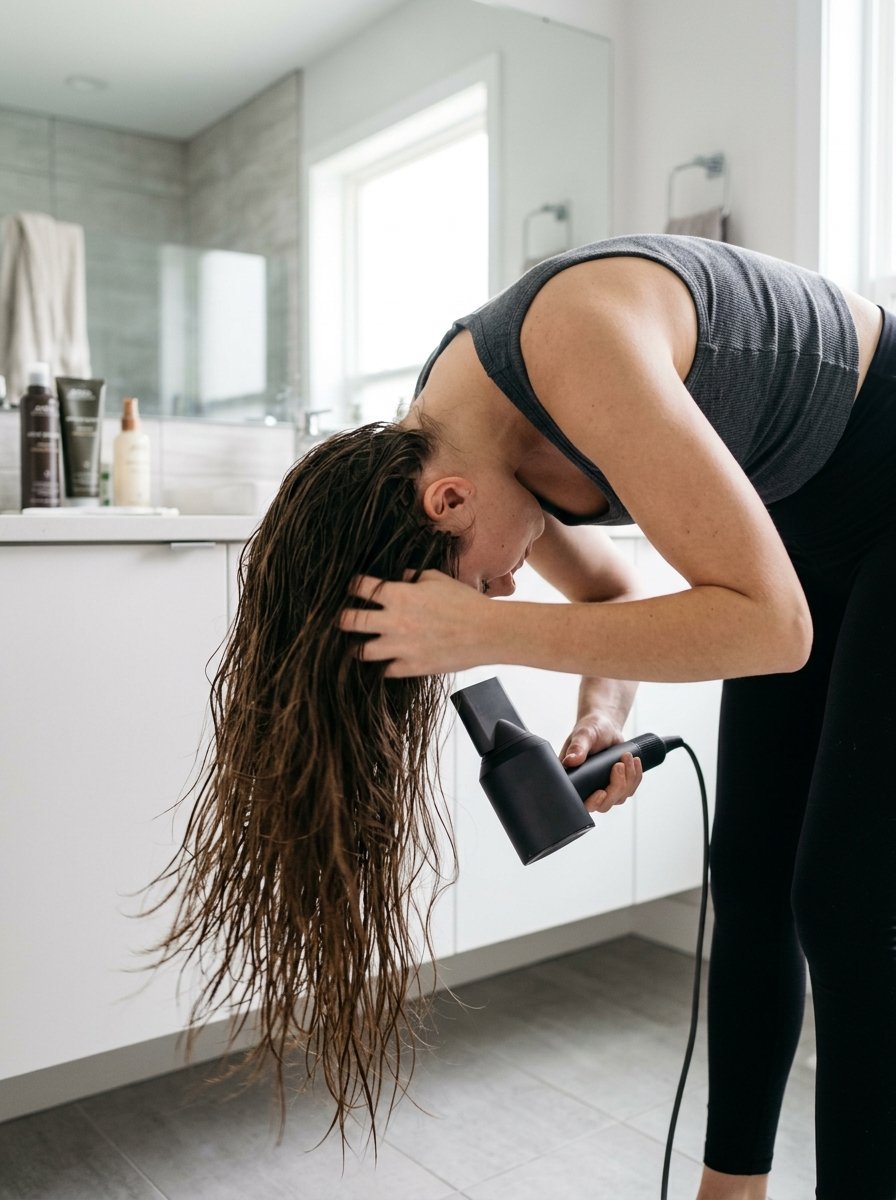
The direction of your airflow during styling sets the final direction of your roots. If you point your blow dryer downward from the ceiling toward your feet, you are actively training your hair to lay flat against your skull. The heat seals the cuticle in a downward position, making it nearly impossible to build any lift later.
In my experience, the easiest way to double your volume is to change your drying posture. By altering the angle of the brush and the airflow, you encourage the hair to dry away from the scalp.
- Flip your head completely upside down while rough drying your hair.
- Direct the warm airflow from your roots toward your ends while inverted.
- Use your fingers to lift the hair away from the scalp as you dry.
- Flip back up when your hair is eighty percent dry to finish styling with a round brush.
7. Skipping Regular Trims and Keeping Hair Too Long
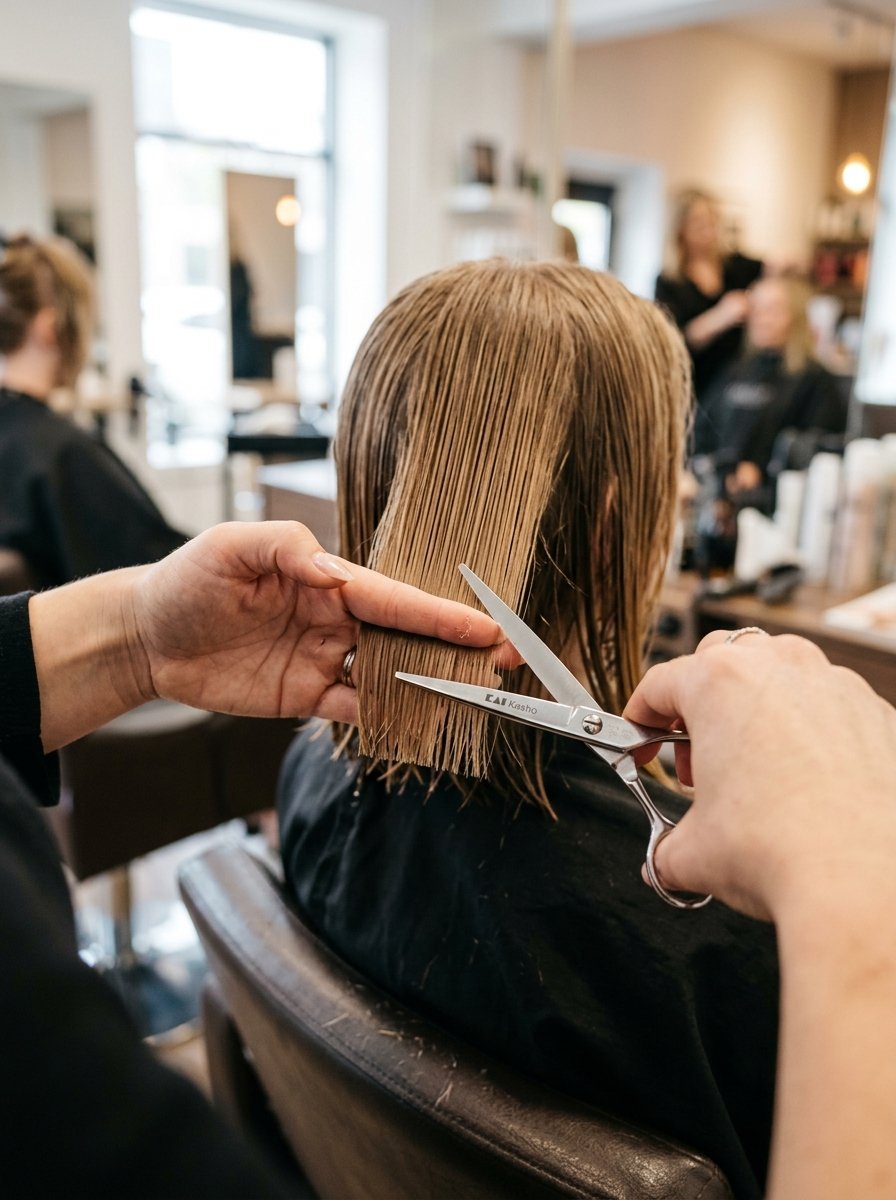
Fine hair tends to get thin and wispy at the ends as it grows out. When you go too long between haircuts, the bottom edges lose their blunt density. The weight of the extra length pulls down on the roots, dragging the entire style flat. Long, un-trimmed fine hair often ends up looking sparse and stringy.
I notice that cutting just an inch off a client’s length can instantly restore life to their style. A crisp, blunt perimeter creates the illusion of thicker, fuller hair from top to bottom.
- Schedule a trim every six to eight weeks to remove thin, worn ends.
- Opt for blunt cuts like a bob or a lob rather than long, heavy layers.
- Ask your stylist to avoid thinning shears, which can make fine ends look emptier.
- Keep your overall length above your collarbones for the best natural bounce.
8. Sleeping on Rough Cotton Pillowcases

Standard cotton pillowcases create constant friction as you toss and turn during the night. This rough texture ruffles the hair cuticle, causing tangles and flattening the natural body you built the day before. The absorbent cotton can also draw out necessary hydration, leaving your fine strands dry, static-prone, and limp by morning.
I switched to a smooth silk surface three years ago, and it completely changed my morning routine. My hair preserves its shape and requires much less heat styling to look presentable.
- Switch to a 100% pure silk or high-quality satin pillowcase.
- Gather your hair loosely at the top of your head in a soft scrunchie before bed.
- Avoid sleeping with damp hair, which causes severe flattening and creasing.
- Use a silk bonnet if you want to keep your blowout intact overnight.
9. Using High Heat Tools Without Structural Support
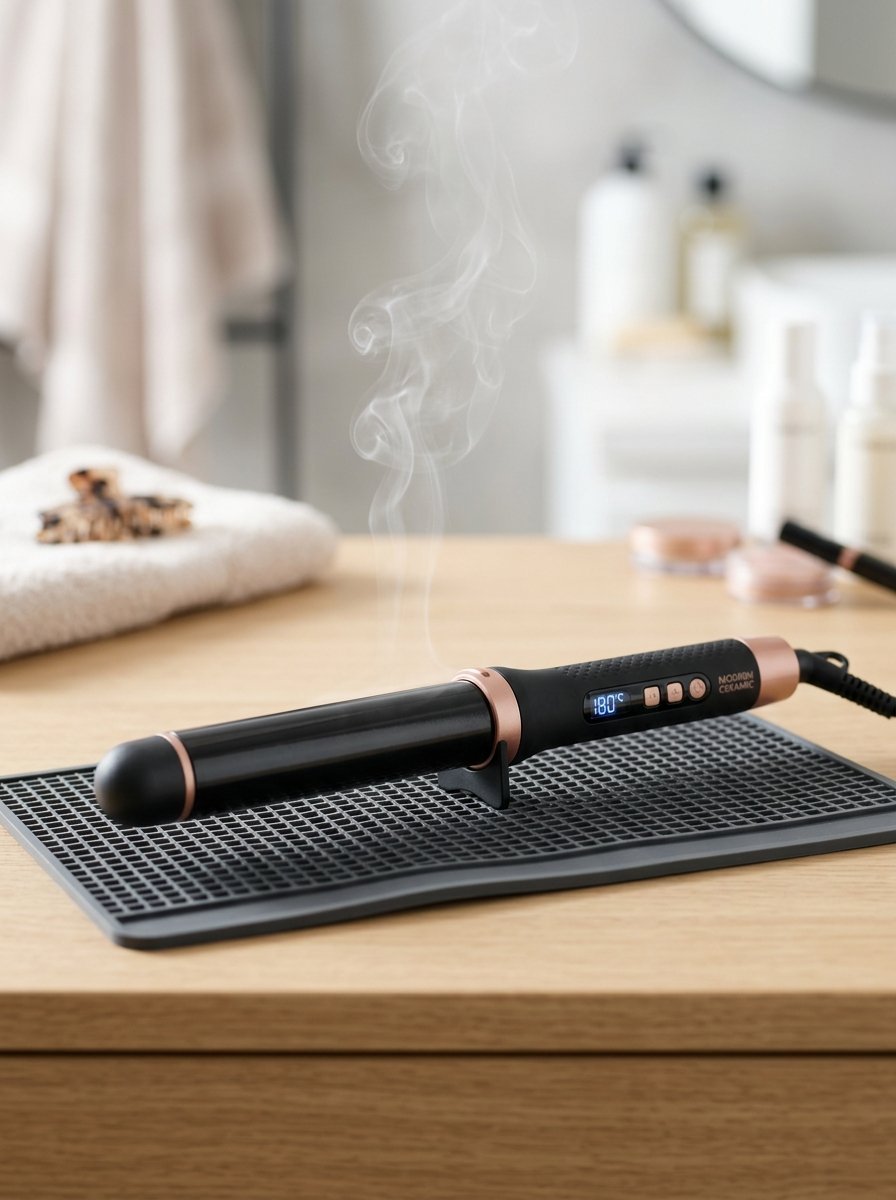
Running a hot flat iron or curling iron over fine hair without the right preparation can deflate it permanently. High heat collapses the temporary hydrogen bonds that give your hair its bounce and shape. Without a supporting product to lock in the form, the hair simply falls flat under the high temperature, leaving you with stiff, lifeless pieces.
I see many people use the highest heat setting on their irons, thinking it will make the style last longer. In reality, extreme heat cooks the bounce out of fine hair, causing it to go straight and limp.
- Set your hot tools to a lower temperature setting below 350 degrees Fahrenheit.
- Mist a lightweight thermal setting spray onto each section before applying heat.
- Allow your curls to cool completely in your palm before dropping them.
- Use ceramic plates which distribute heat more evenly across delicate strands.
10. Allowing Hard Water Minerals to Build Up
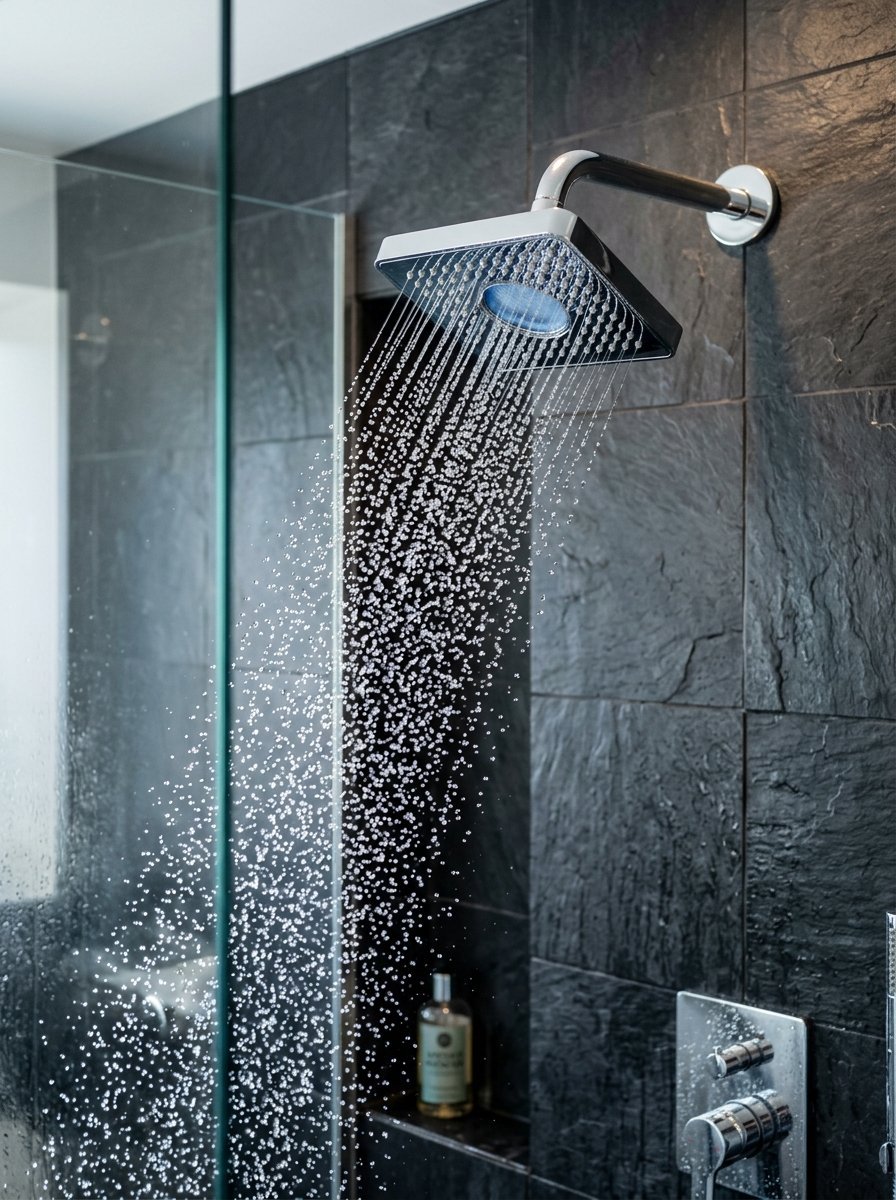
Hard water contains high levels of dissolved minerals like calcium and magnesium. Every time you shower, these minerals bond to your hair shaft like a invisible layer of crust. This mineral coating blocks out moisture, makes the hair feel stiff, and adds significant weight that pulls fine hair down.
I’ve seen clients try every volumizing trick available with no success, only to discover their home shower water was the true culprit. A simple deep-cleansing routine can strip away those minerals and restore natural lightness.
- Install a filtering shower head to reduce mineral content in your water.
- Use a dedicated chelating or clarifying shampoo once every week.
- Leave the clarifying suds on your hair for three full minutes to dissolve deposits.
- Follow up with a ultra-lightweight rinse to restore balance without adding grease.
Volumizing Product Comparison
Choosing the right type of product is essential for maintaining lift in fine hair. The table below outlines how common product categories affect fine strands.
| Product Category | How It Behaves on Fine Hair | Best Application Method | Expected Volume Result |
| Volumizing Mousse | Dries to an invisible, stiff structure that supports roots. | Apply a small cloud to damp roots before blow drying. | High, lasting lift |
| Liquid Root Spray | Targets the first inch of hair to create separation from scalp. | Mist directly onto the scalp section by section. | Medium, targeted lift |
| Styling Cream | Adds weight and moisture, causing fine strands to clump. | Spread through the ends of coarse hair only. | Flat, heavy appearance |
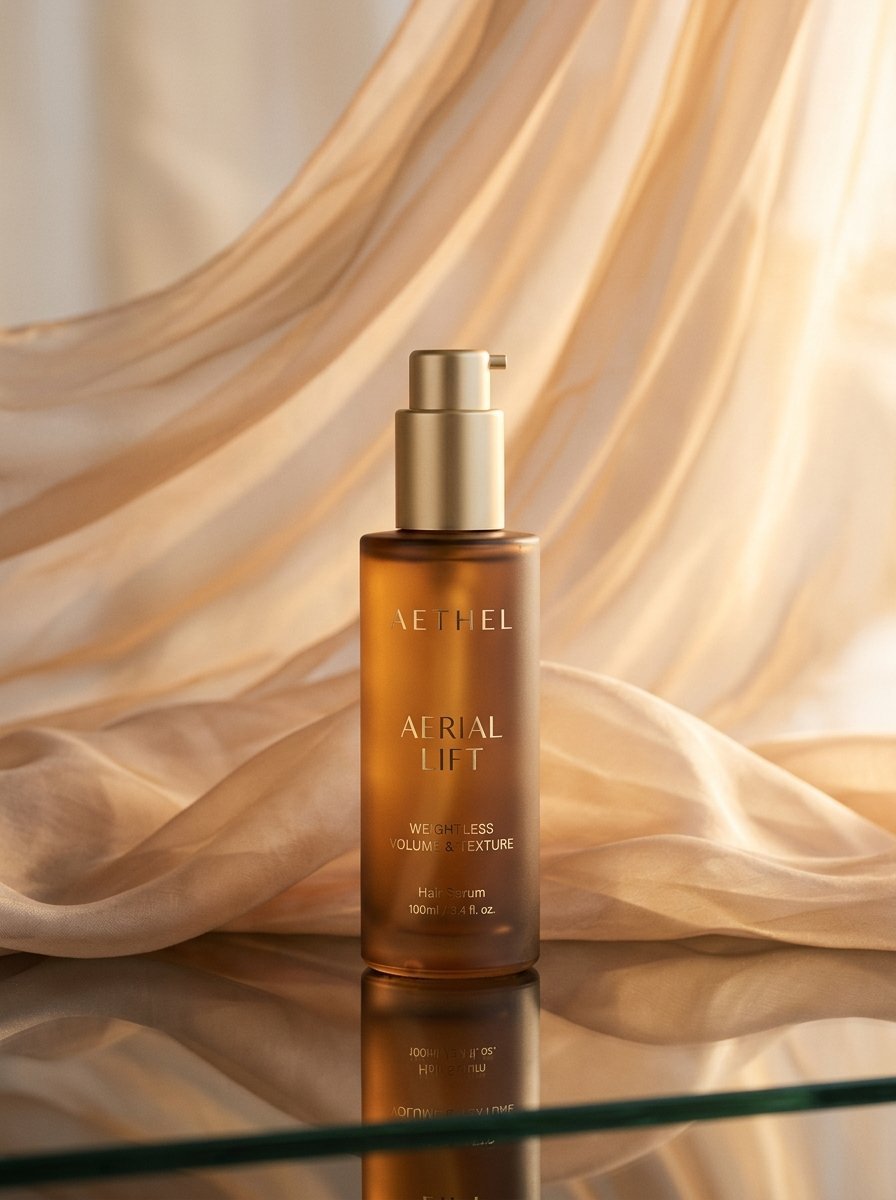
| Hair Serum / Oil | Coats the outer layer, making hair look shiny but flat. | Use one drop on the very tips for shine. | Flat, deflated look |
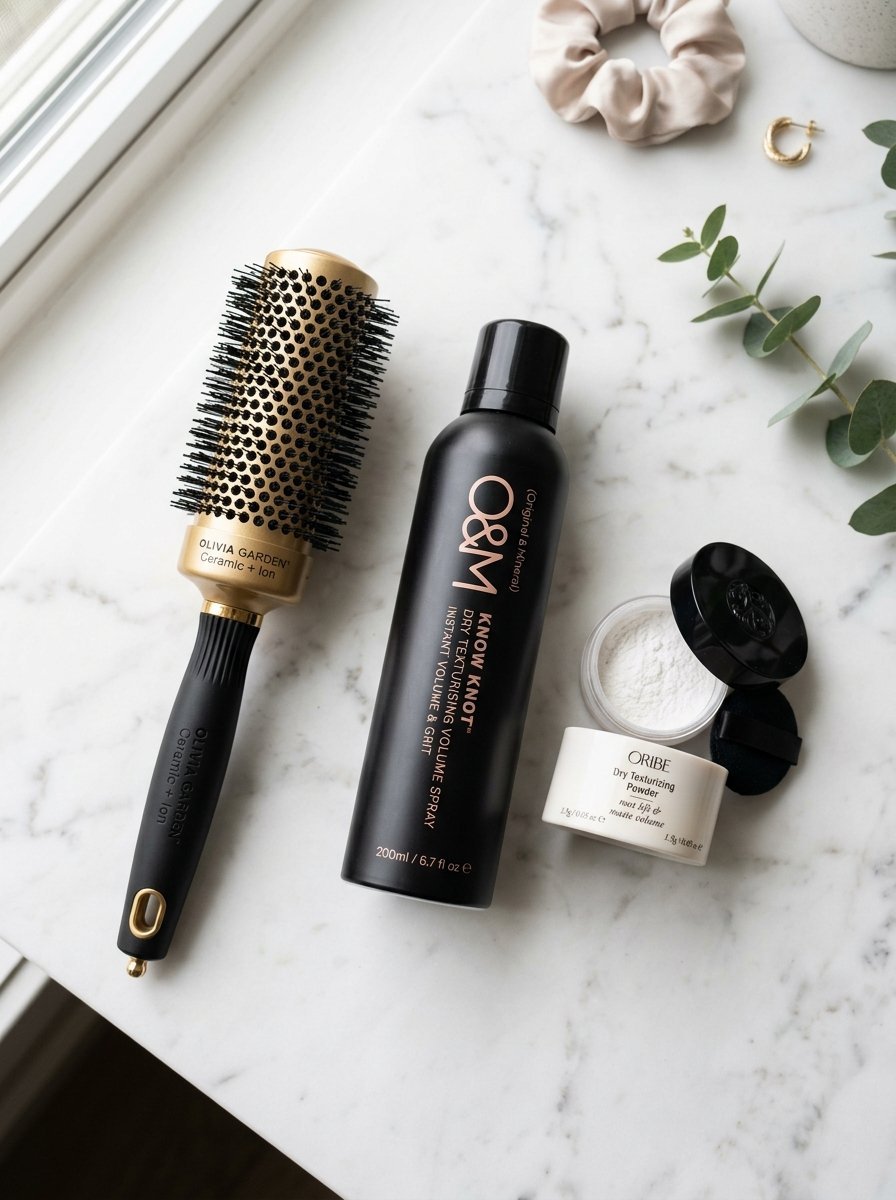
| Texturizing Powder | Creates dry friction between strands for instant thickness. | Puff sparingly into dry roots and massage. | Instant, high texture |
Frequently Asked Questions
How often should fine hair be washed?
Fine hair typically needs to be washed more frequently than other hair types, often every day or every other day. This frequent schedule is necessary because natural scalp oils quickly travel down the thin strands, making them look greasy and flat. Using a gentle, clear shampoo ensures your roots stay clean and lifted without drying out your ends.
Can layers help add volume to fine hair?
Light, strategic layers can help create movement, but too many layers will remove the necessary weight from the perimeter of your haircut. When you thin out the bottom edges of fine hair, the style can look wispy and thin. Stick to long, subtle layers or a crisp, blunt cut to maintain the look of density.
Why does my hair go flat immediately after blow drying?
Your hair likely goes flat because there is still trapped moisture in the inner layers or you used a heavy product before drying. Fine hair must be completely dry and cooled into place to hold its shape. If you style your hair while it contains hidden dampness, gravity will pull the strands down as soon as you walk away from the mirror.
Are silicones bad for fine hair textures?
Heavy silicones like dimethicone can accumulate on fine hair, creating a waterproof coating that weighs it down over time. If you use products with silicones, make sure to use a weekly clarifying shampoo to clear away the buildup. Alternatively, look for water-soluble silicones that rinse away easily with water.
How can I get volume at my roots without using heat?
You can build heat-free volume by changing your hair part while your hair dries naturally. If you normally part your hair on the left, flip it to the right side while it is damp. Once it dries completely, flip it back to your usual side for an instant, natural lift at the root base.

Sarah Mitchell — Founder & Editor-in-Chief
Sarah Mitchell is the founder and editorial voice behind Hair Level Up. A licensed cosmetologist with more than 15 years of experience, she has styled A-list celebrities for editorial shoots and red carpets, with work featured in Vogue, Elle, and Harper’s Bazaar. Early in her career, she trained under the legendary hairstylist Oribe in New York, an apprenticeship that still shapes her editorial eye today. Sarah founded Hair Level Up in 2020 after one bad haircut convinced her that women deserved a destination that felt like a magazine, taught like a stylist, and inspired like an art gallery. She oversees every story from concept to publication, guided by a simple belief: a good story teaches you something, but a great one makes you feel beautiful while it does.