Curly Hair Care for Beginners: Your First 30-Day Routine
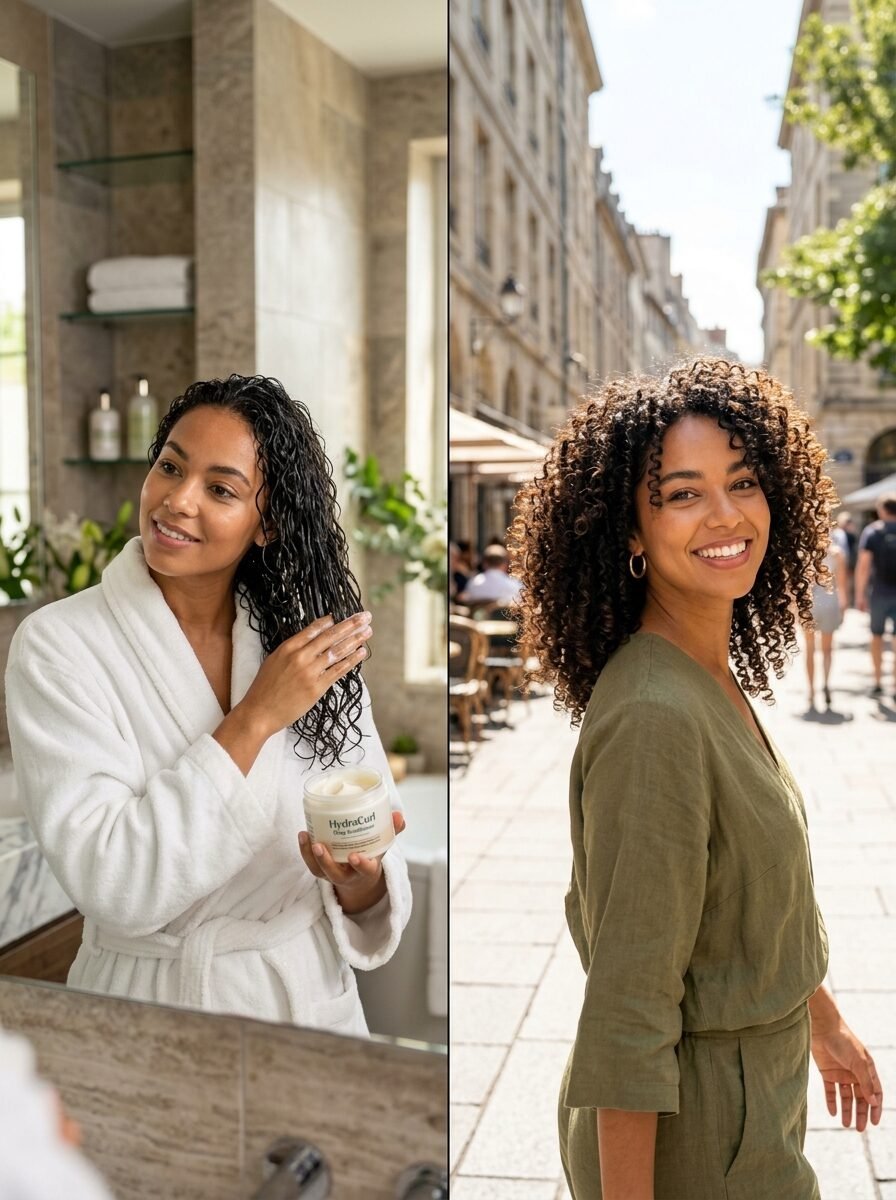
Most people treat curly hair like straight hair that just won’t behave. I spent years fighting my own frizz before realizing my hair wasn’t “bad.” It was just thirsty and misunderstood. When you start a curly hair routine, you aren’t just changing products. You are learning a new language of moisture and movement. This 30-day guide simplifies the confusion of the Curly Girl Method. It gives you a clear path from chaotic frizz to defined, healthy curls.
This 30-day routine focuses on the foundational needs of waves, curls, and coils. Over the next month, you will move through three distinct phases. Phase one is the reset, where we remove heavy silicones and buildup. Phase two focuses on moisture recovery using deep conditioners and sulfate-free cleansers. Phase three introduces styling techniques like plopping and scrunching to lock in shape. You will learn to identify your hair porosity, which dictates how your hair absorbs water. By the end of week four, you will have a personalized wash day schedule. You will also know which ingredients to avoid and which tools, like the Denman brush or microfiber towels, actually work. This guide provides realistic expectations for the transition period. It helps you manage the “awkward phase” where your hair adjusts to new habits.
Why does curly hair require a different approach than straight hair?
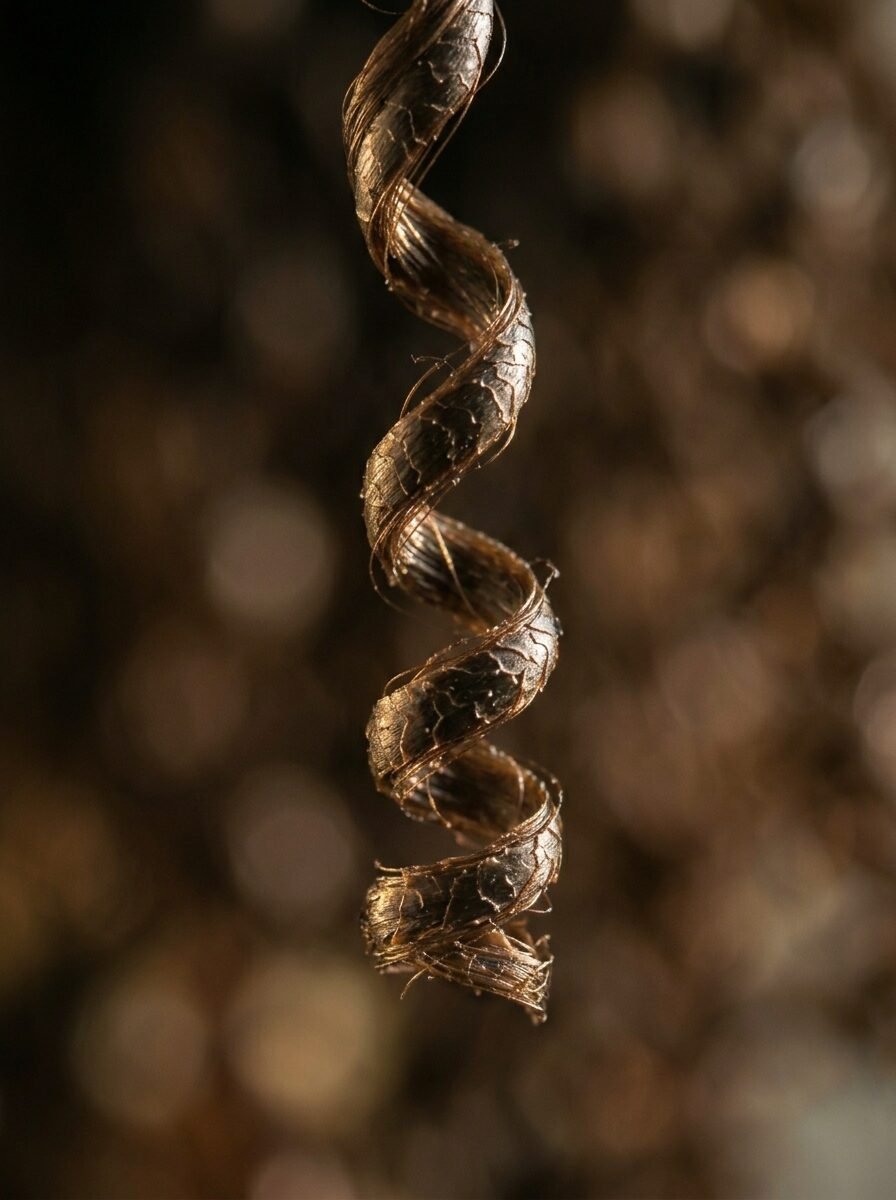
The structure of a curly hair strand is fundamentally different from a straight one. Straight hair allows natural scalp oils to travel down the shaft easily. This keeps the hair lubricated and shiny. Curls have bends and kinks that act as roadblocks for these oils. This is why curly hair feels dry even if your scalp is oily. In my experience, treating curls like straight hair leads to breakage. When you brush curly hair dry, you break the natural curl clumps. This creates a cloud of frizz.
Curls also have a more raised cuticle layer. This makes the hair more reactive to humidity and environmental changes. A specialized routine focuses on sealing that cuticle. We use water as our primary source of hydration. Products like leave-in conditioners then act as a seal to keep that water inside. I have seen people transform their hair simply by stopping the use of regular bath towels. Traditional towels have tiny loops that snag the hair cuticle. Switching to a smooth t-shirt or microfiber cloth makes an immediate difference. You must stop thinking about “fixing” your hair and start thinking about “feeding” it.
How do you determine your hair porosity and curl pattern?
Before buying products, you need to know what your hair can handle. Curl pattern refers to the shape of your strands, ranging from 2A waves to 4C coils. While the pattern looks good on Pinterest, porosity is more important for health. Porosity describes how easily your hair absorbs and retains moisture.
High porosity hair has gaps in the cuticle. It absorbs water fast but loses it just as quickly. If your hair dries in twenty minutes, it is likely high porosity. Low porosity hair has a tightly closed cuticle. Water often beads up on the surface instead of soaking in. It takes a long time to get fully wet and a very long time to dry. In my research, I found that low porosity hair needs heat to open the cuticle. High porosity hair needs cold water rinses and protein to fill the gaps.
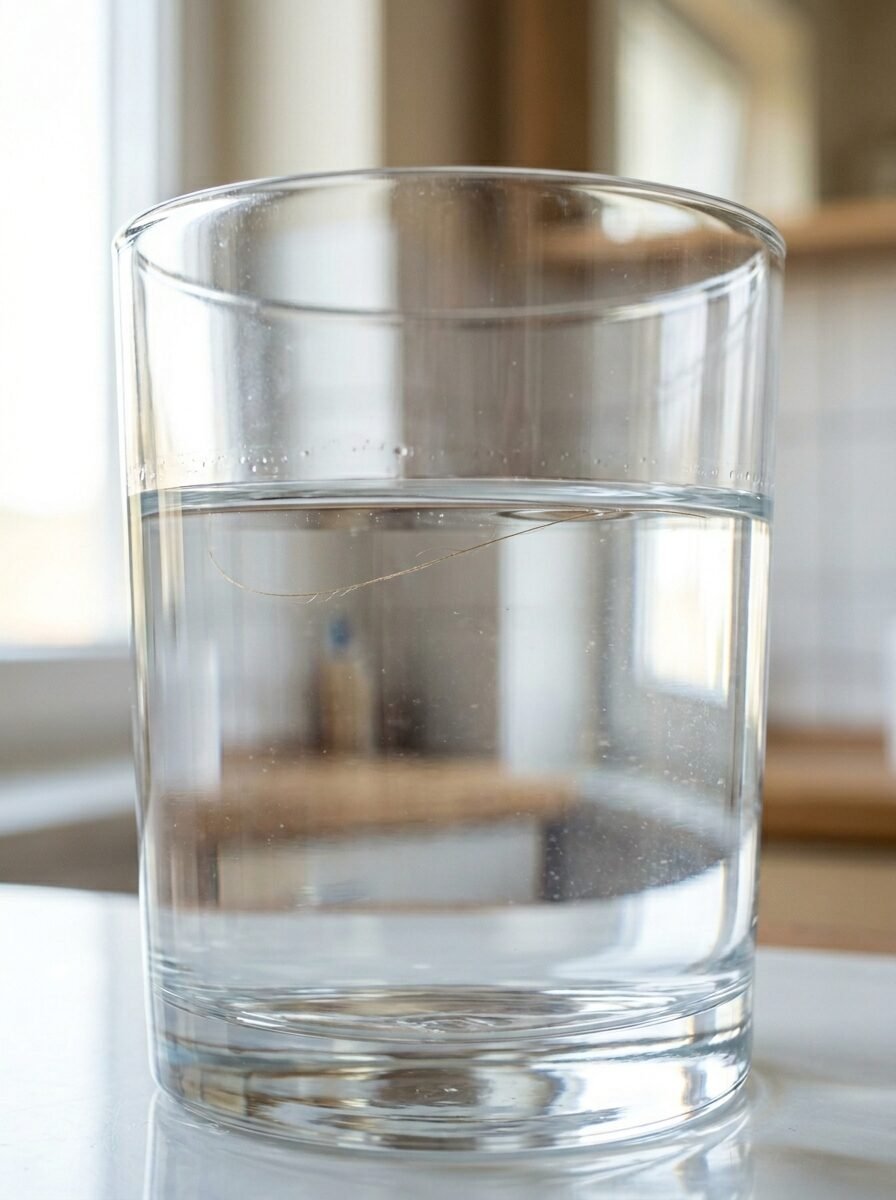
To test this, place a clean, dry hair strand in a glass of water. If it sinks immediately, it is high porosity. If it floats for a long time, it is low porosity. Understanding this saved me hundreds of dollars on the wrong gels and creams. Your curl pattern might change as your hair gets healthier. Do not worry about your “type” on day one. Focus on how your hair reacts to water.
What essential tools do you need for a beginner curly journey?
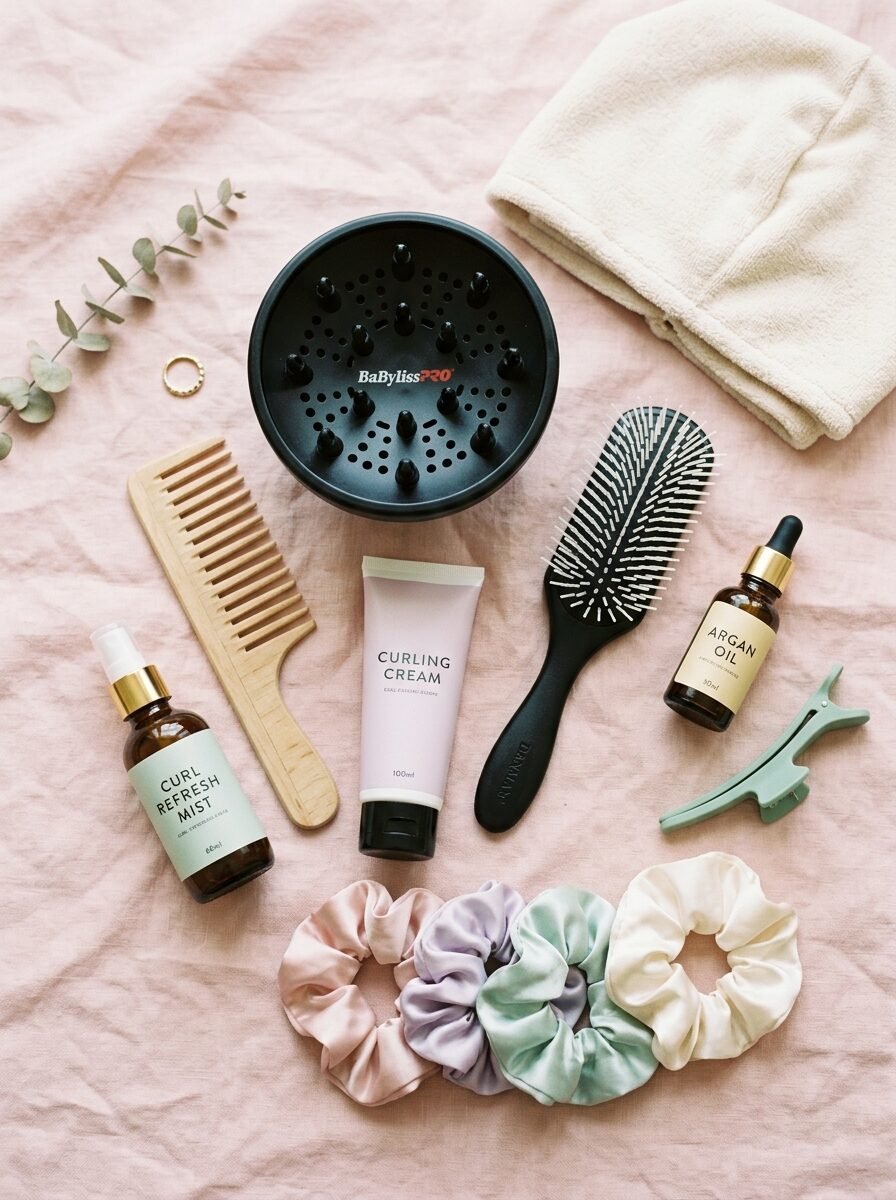
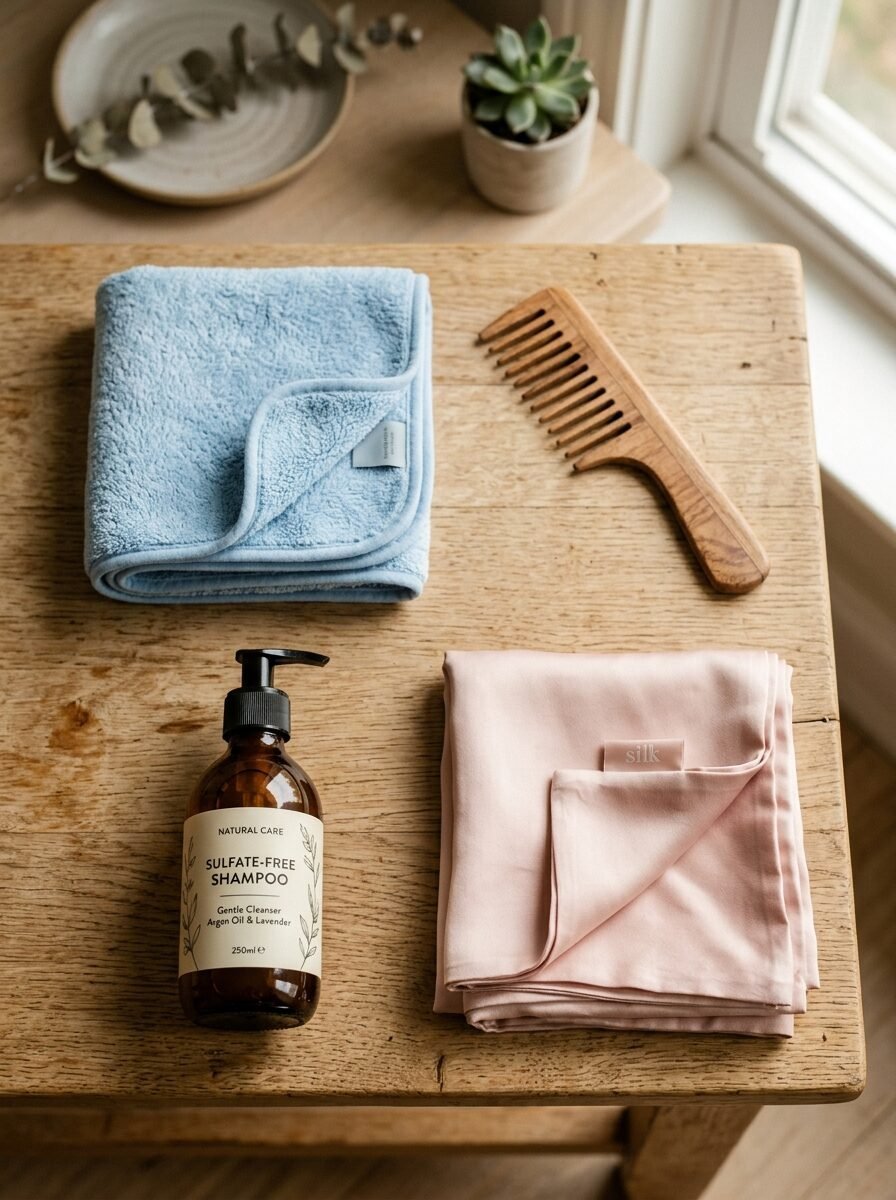
You do not need a massive budget to start. However, a few specific tools are non-negotiable for success. First, get a high-quality microfiber towel or a large cotton t-shirt. This prevents frizz during the drying process. Second, invest in a wide-tooth comb or a specialized detangling brush like the Crave Naturals Glide Thru. Never use a standard boar bristle brush on wet curls.
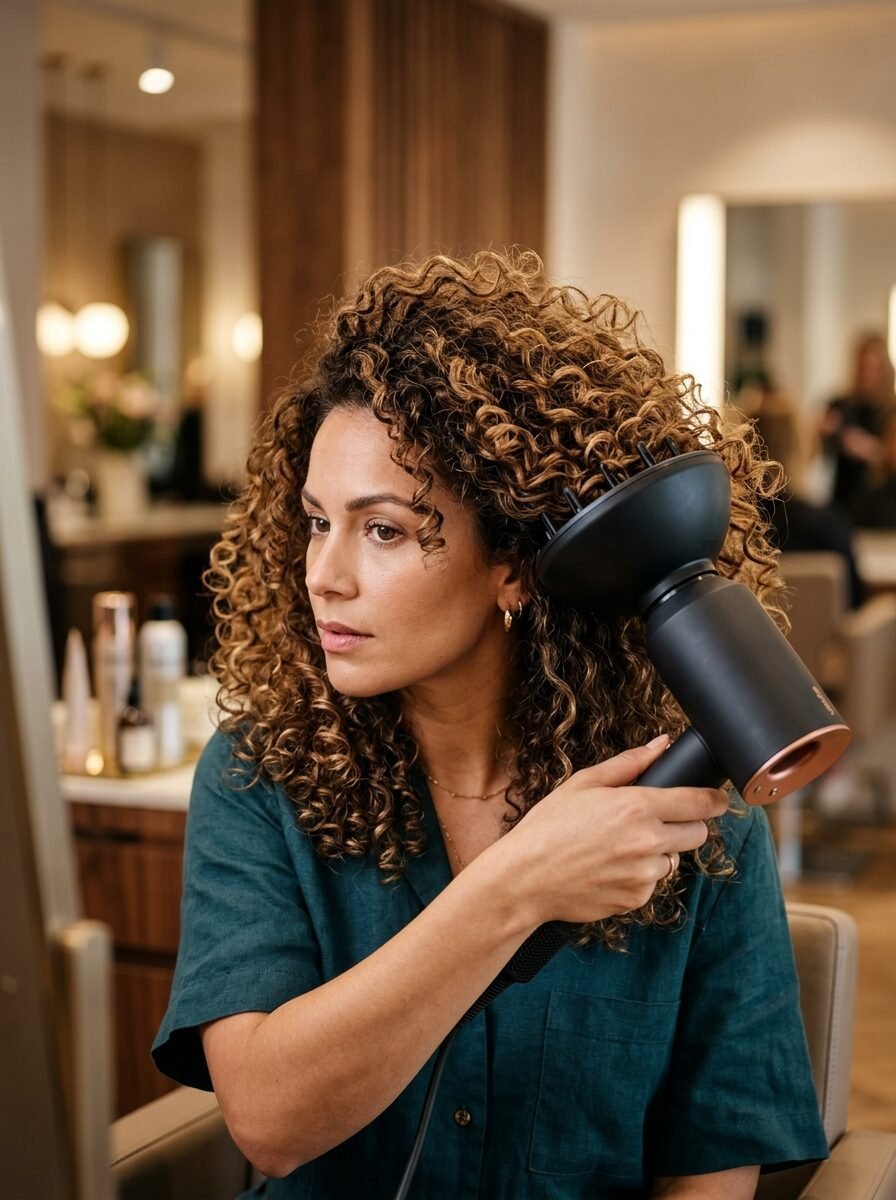
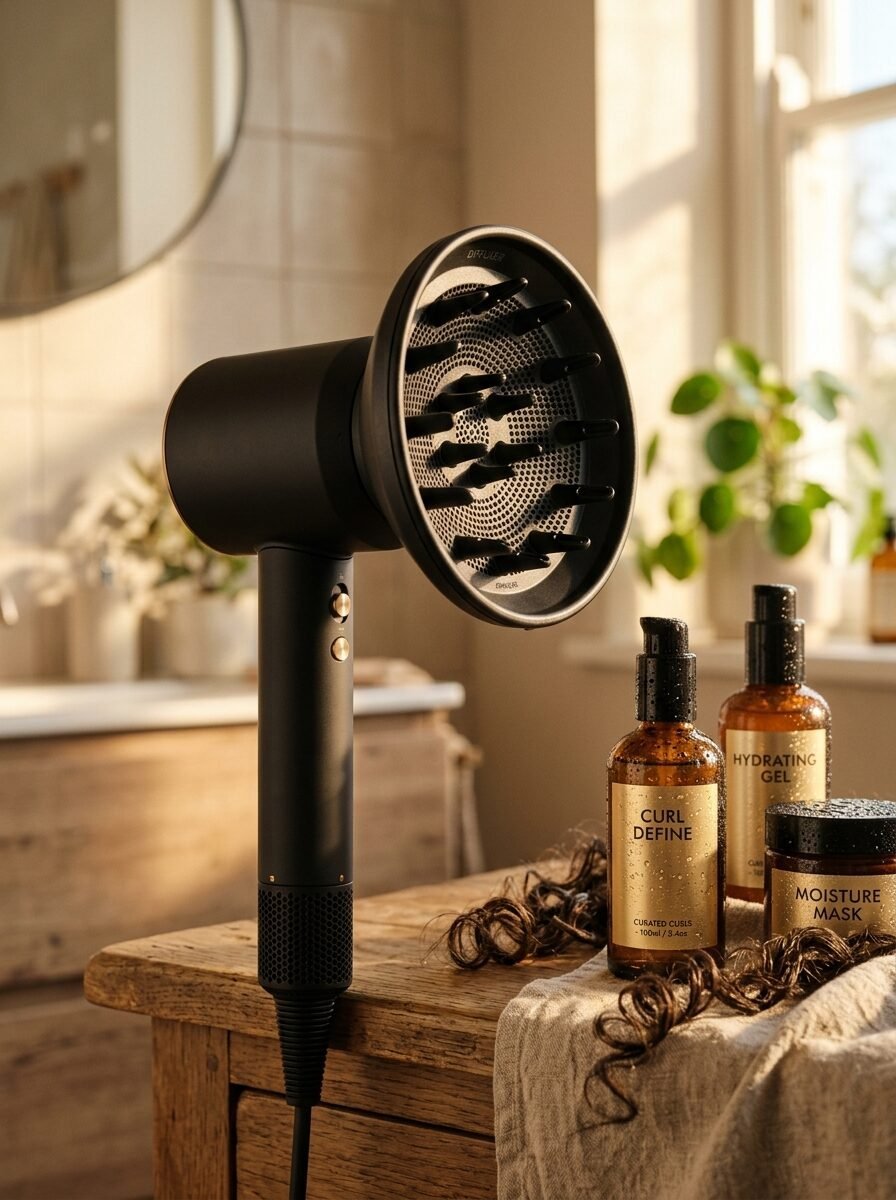
A silk or satin pillowcase is another vital tool. Cotton pillowcases suck the moisture out of your hair while you sleep. They also cause friction that leads to tangles. If you prefer, a satin bonnet works just as well. For styling, a Denman D3 brush helps define curl clumps. For drying, a diffuser attachment for your hair dryer is a game changer. The Dyson Supersonic is the gold standard, but a budget-friendly Conair diffuser works too. Lastly, grab some plastic “duckbill” clips. These help create volume at the roots while your hair dries. I’ve tried skipping these tools, but the results are never as polished.
Week 1: The Great Reset and Detox
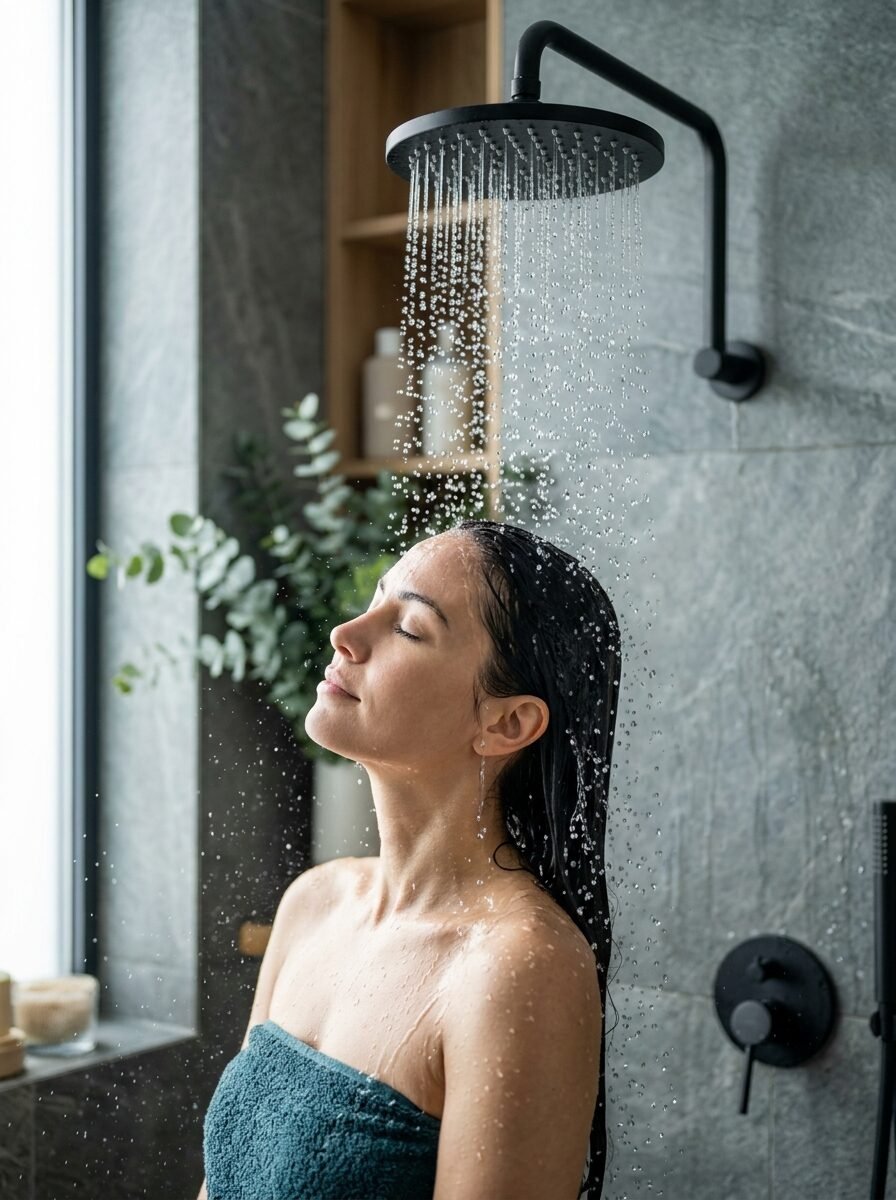
The first week is about starting with a clean slate. Most drugstore shampoos contain sulfates that strip the hair. Most conditioners contain silicones that coat the hair to create fake shine. These silicones are not water-soluble. They build up over time and block moisture from entering.
On day one, perform a “final wash.” Use a shampoo that contains sulfates but no silicones. This sounds counter-intuitive, but you must strip away the old silicone buildup one last time. Suave Daily Clarifying is a cheap and effective choice for this. After this wash, you will transition to sulfate-free cleansers or “co-washes.”
During week one, your hair might feel like straw. This is normal. You are seeing the actual state of your hair without the silicone coating. I once helped a friend who almost quit on day four because her hair felt “crunchy.” I told her to stick with it. Use a deep conditioner like the SheaMoisture Raw Shea Butter Deep Treatment Masque. Leave it on for thirty minutes under a plastic cap. This begins the long process of rehydration.
Week 2: Finding the Balance of Moisture and Protein
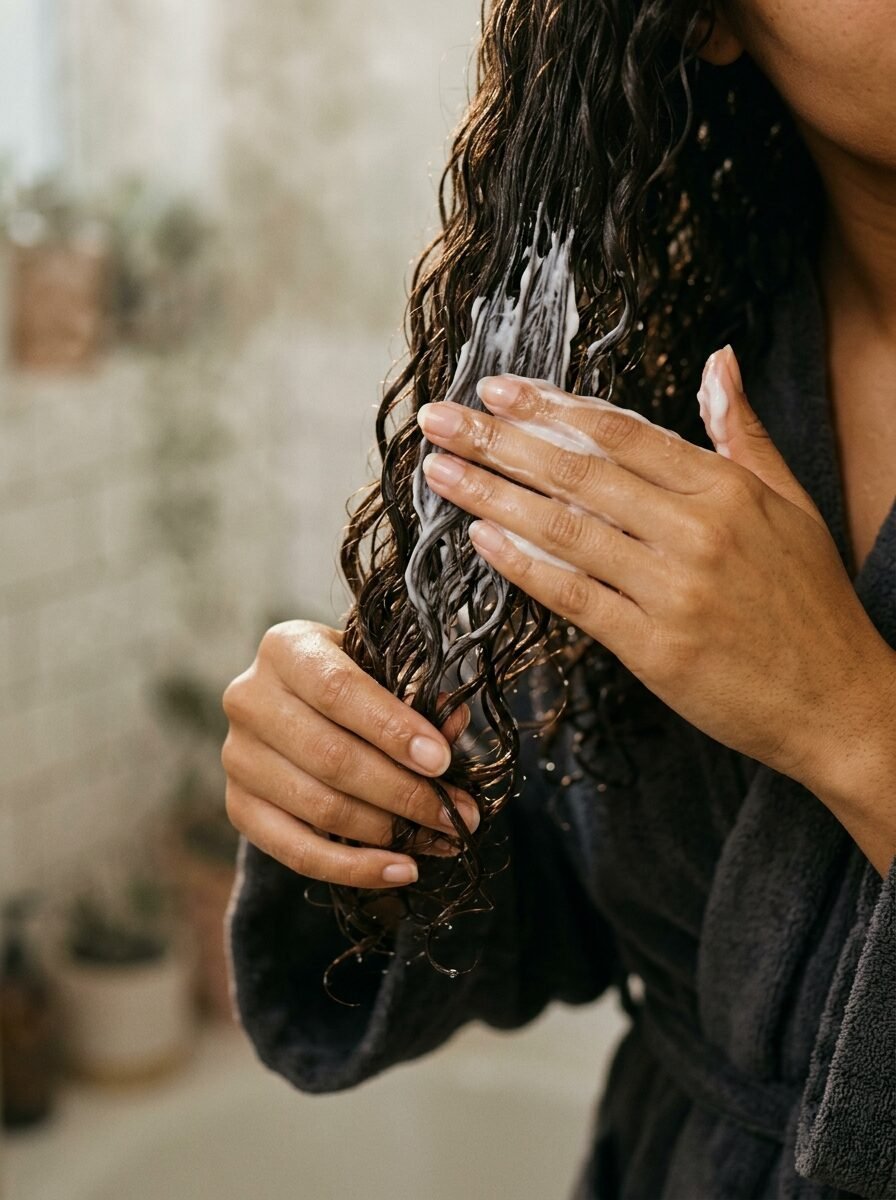
By the second week, your scalp might feel oily as it adjusts its oil production. Do not panic and reach for the harsh shampoo. Use a gentle scalp massager to break up oils during your wash. This week, we focus on the balance between moisture and protein.
Curly hair needs moisture for elasticity. It needs protein for structure and strength. If your hair feels limp and won’t hold a curl, you need protein. If it feels brittle and snaps easily, you need more moisture. I have seen many beginners over-moisturize their hair. This leads to “hygral fatigue,” where the hair becomes mushy.
Try a protein treatment like the Mielle Rice Water Hair Milk. If your hair reacts well, it will feel “bouncy.” If your hair feels stiff after protein, follow up with a moisturizing leave-in like the Not Your Mother’s Naturals Royal Honey and Kalahari Desert Melon Butter. This week is about observation. Keep a simple log of how your curls look each morning. You are looking for the “sweet spot” where your hair is soft but stays in its shape.
Week 3: Mastering Styling Techniques and Definition
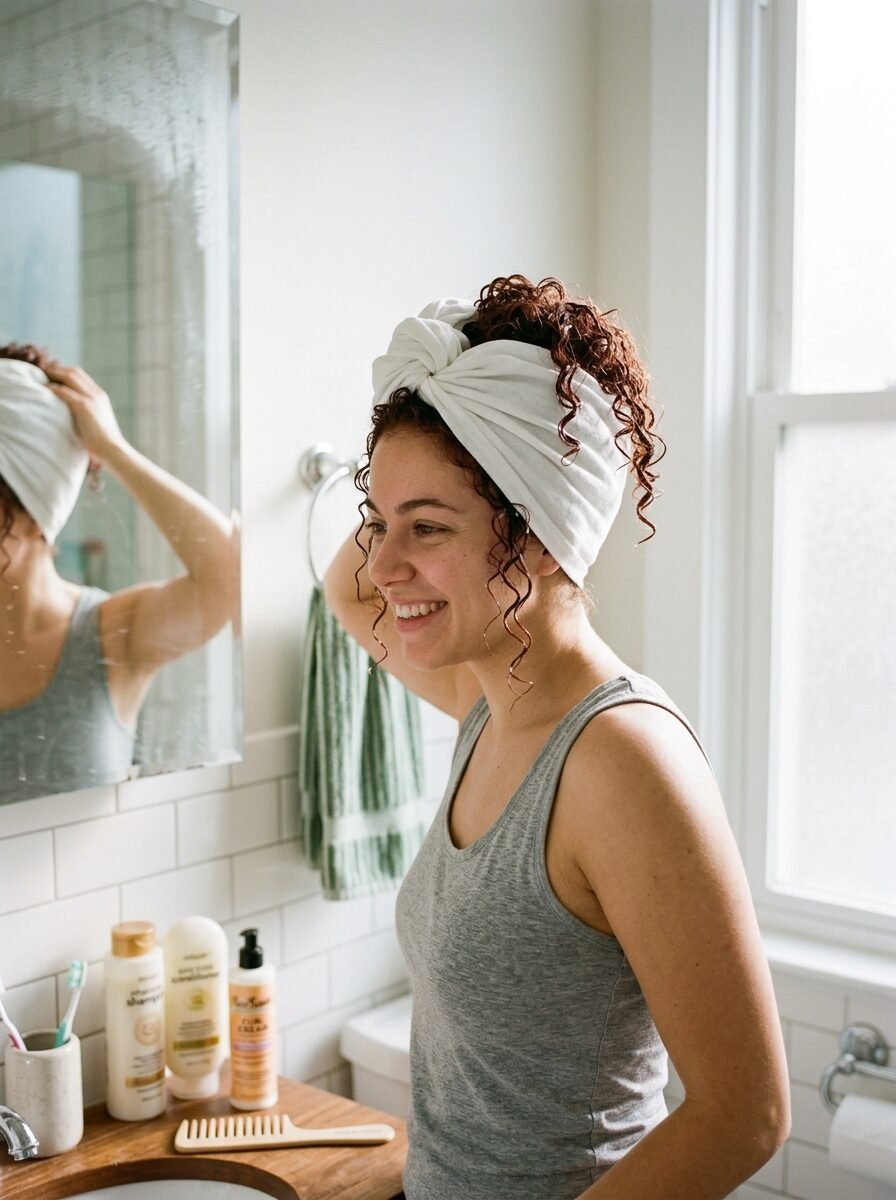
Now that your hair is getting healthier, it is time to style. The most common mistake is applying product to towel-dried hair. Curls love water. Apply your leave-in conditioner and gel to soaking wet hair while you are still in the shower. Use the “praying hands” method. Rub the product between your palms and smooth it over your hair sections.
Next, try “scrunching.” Cup your hair in your hands and squeeze upward toward the scalp. You should hear a squishing sound. This means the product and water are mixing well. This is also when you introduce “plopping.” Lay your microfiber towel on a flat surface. Flip your hair forward onto the towel and tie it up. This keeps the curls compressed against your head while they set.
I’ve noticed that plopping for ten to fifteen minutes is plenty. Any longer and the hair can get weirdly shaped. After plopping, apply a strong-hold gel like the Ouidad Advanced Climate Control Heat and Humidity Gel. Do not touch your hair while it dries. Touching wet curls is the fastest way to create frizz. Once it is 100% dry, your hair will feel hard or “crunchy.” This is the “gel cast.” Squeeze your hair with your hands to “scrunch out the crunch.” You will be left with soft, defined curls.
Week 4: Maintenance and Long-Term Success

In the final week, we focus on making the routine sustainable. You cannot wash your hair every day. It is too drying. You must learn to “refresh” your curls on days two and three. Use a spray bottle filled with water and a tiny bit of leave-in conditioner. Lightly mist your hair and scrunch to reactivate the gel from the day before.
Protecting your curls at night is also key. Try the “pineapple” method. Use a silk scrunchie to tie your hair in a very loose ponytail on the very top of your head. This prevents you from crushing your curls while you sleep. I have seen this one habit double the life of a wash day.
Look back at your photos from day one. You will likely see more shine and a more consistent curl pattern. My own transition took months, but the thirty-day mark was when the frizz finally stayed under control. This is the point where you can start experimenting with different brands. Maybe you prefer a light mousse over a heavy gel. Maybe your hair loves coconut oil, or maybe it hates it. You now have the foundation to make those choices.
What are the biggest mistakes beginners make with curly hair?
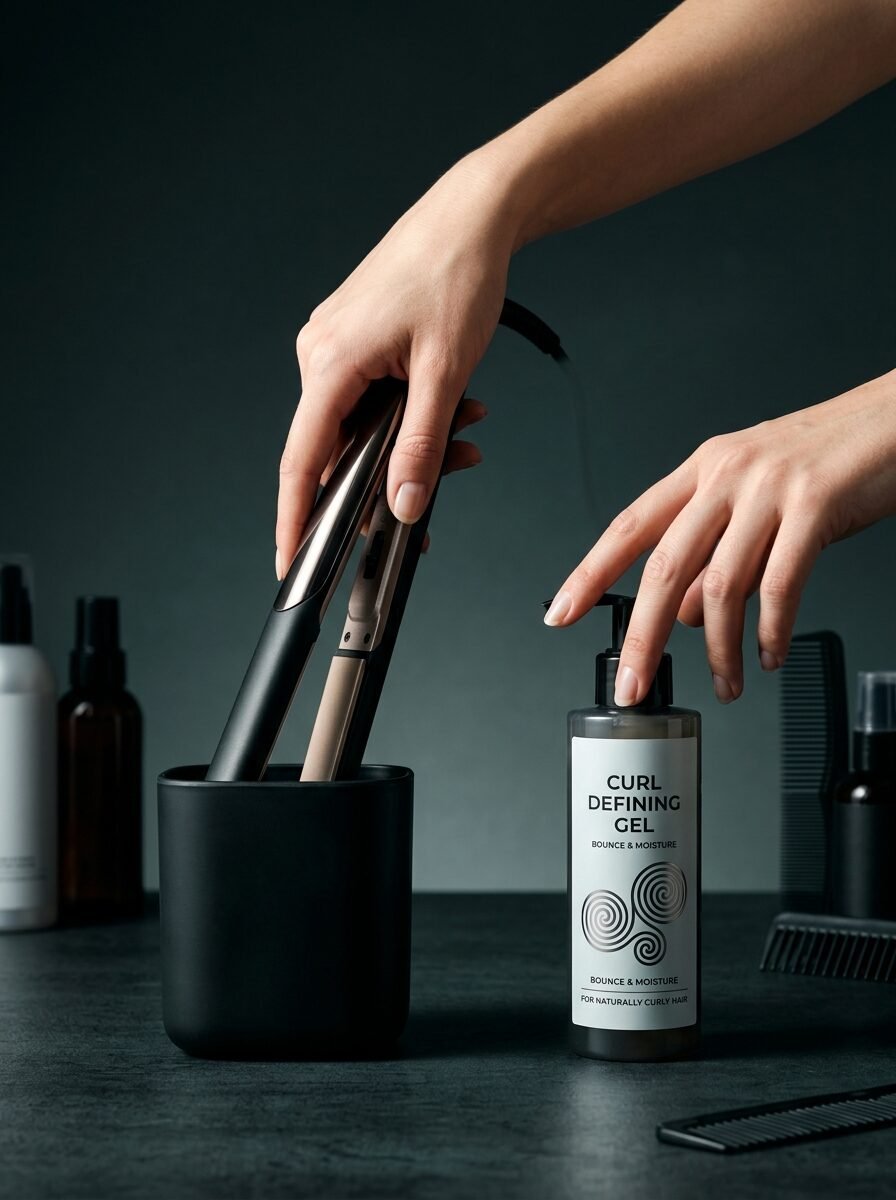
The biggest error is impatience. Your hair did not get damaged in a day, and it won’t heal in a week. I’ve seen people give up because they didn’t have “Pinterest curls” by day ten. Stick to the process. Another mistake is using too much heat. Put the flat iron away for these thirty days. Even a “quick touch-up” can reset your progress.
Using the wrong products is another hurdle. Avoid products with “Isopropyl Alcohol” or “Dimethicone.” These are the enemies of moisture. Also, stop brushing your hair when it is dry. This is a hard habit to break, but it is essential. Only detangle when your hair is soaked in conditioner.
Lastly, don’t compare your journey to others. A person with 3C curls will have a different experience than someone with 2B waves. Your hair is unique to you. In my experience, the most successful people are those who listen to their hair rather than a rigid set of rules. If your hair feels dry, add moisture. If it feels heavy, use a clarifying wash.
Frequently Asked Questions
How often should I wash curly hair?
Most beginners find success washing two to three times per week. If you have very fine hair, you might need to wash more often to prevent grease. If you have thick coils, once a week might be enough. The goal is to keep the scalp clean without stripping the ends.
Can I still dye my hair while following this routine?
Yes, but be careful. Bleach and permanent dyes open the hair cuticle and strip protein. If you dye your hair, you must increase your deep conditioning and protein treatments. I’ve seen many “bleach fails” that were saved by consistent moisture masking.
What should I do if my hair feels greasy?
You may be using products that are too heavy for your hair type. If you have fine waves, avoid heavy butters and oils like Shea or Cantu. Switch to lightweight mousses or foams. Also, ensure you are rinsing your conditioner out thoroughly.
Is the Curly Girl Method expensive?
It does not have to be. There are many “CG approved” products at drugstores. Brands like Suave, VO5, and Not Your Mother’s offer great options for under ten dollars. You are paying for the technique and the ingredients, not the brand name.
Why is my hair frizzy even with gel?
You might be applying gel to hair that is too dry. Curls need to be soaking wet to clump properly. If you wait until your hair is damp, the frizz has already started to form. Apply product sooner and use more than you think you need.
How do I handle my hair during a workout?
Wear your hair in a high “pineapple” or a loose braid. After your workout, use a dry shampoo on the roots if needed. You can also do a “conditioner-only” wash to rinse out sweat without using harsh soaps.
Does the weather affect my curls?
Absolutely. High humidity can cause hair to swell and frizz. In dry winter air, your hair may need extra leave-in conditioner. Look for “glycerin-free” products in high humidity, as glycerin pulls moisture from the air into your hair, causing it to puff up.
How long does it take to see real results?
You will see a difference in texture within thirty days. However, full recovery from heat damage can take six months to a year. The hair that grows out from your scalp will be the healthiest. Be patient with the older, damaged ends.

The journey to healthy curls is about freedom. It is about waking up and not fearing the weather or the mirror. In my experience, the first thirty days are the hardest because you are breaking old habits. Once you understand what your hair needs, the routine becomes second nature. You will spend less time fighting your hair and more time enjoying it. Start today with a simple detox wash. Buy a t-shirt for your hair. Small changes lead to the most dramatic transformations. Your curls are waiting to be seen.

Sarah Mitchell — Founder & Editor-in-Chief
Sarah Mitchell is the founder and editorial voice behind Hair Level Up. A licensed cosmetologist with more than 15 years of experience, she has styled A-list celebrities for editorial shoots and red carpets, with work featured in Vogue, Elle, and Harper’s Bazaar. Early in her career, she trained under the legendary hairstylist Oribe in New York, an apprenticeship that still shapes her editorial eye today. Sarah founded Hair Level Up in 2020 after one bad haircut convinced her that women deserved a destination that felt like a magazine, taught like a stylist, and inspired like an art gallery. She oversees every story from concept to publication, guided by a simple belief: a good story teaches you something, but a great one makes you feel beautiful while it does.