The Complete Year One Roadmap To Long Healthy Hair
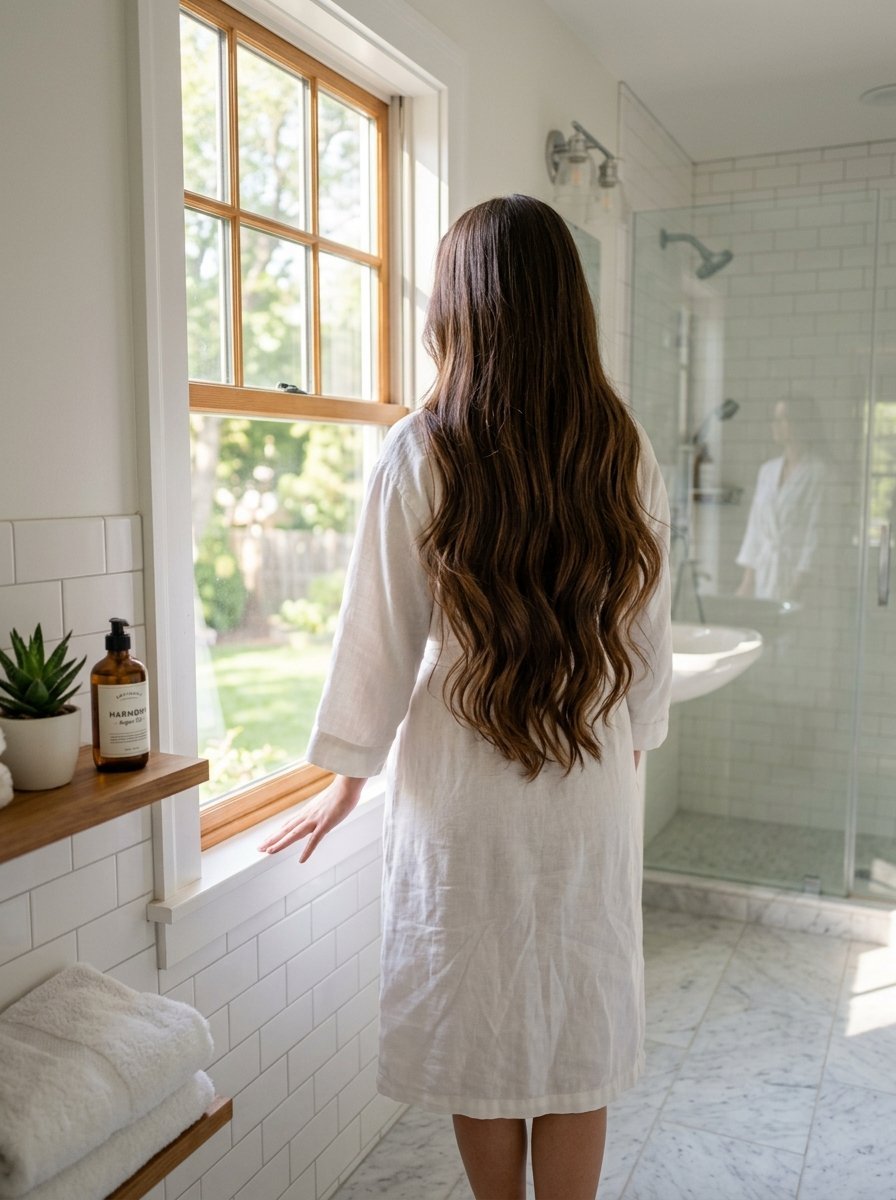
Three months after my last salon visit my hair started snapping off at the shoulders. I stood in my bathroom staring at tiny broken pieces covering the white sink. The sink looked like a disaster zone. My ends felt like dry straw. My roots felt heavy with oil. I spent hundreds of dollars on salon visits but nothing worked. I realized my daily habits were completely wrong. Saving your length requires a total schedule overhaul. In my experience most people damage their ends silently every single night. You sleep on rough cotton and rip brushes through wet tangles. The friction destroys the cuticle over time. You need a complete reset to fix this cycle. I tested dozens of routines to find what actually retains length. This guide will show you exactly how to stop the breakage.
You will see exactly how to keep your ends intact over twelve full months. This guide breaks down the exact daily habits you need to adopt. We cover routine costs ranging from $15 to $89 so you can budget accurately. You will read honest reviews of eight specific brand products I tested in my own bathroom. I intentionally left out chemical treatments and extensions. This covers natural length retention from home. Expect to spend ten to fifteen extra minutes a day on these steps. The main problem most people face is mechanical breakage. This manual gives you the exact schedule to stop that damage. You will get realistic timelines for visible length retention. The timeline requires patience but the results speak for themselves. You need to stick to the plan for a full year.
Understanding The Root Cause Of Breakage
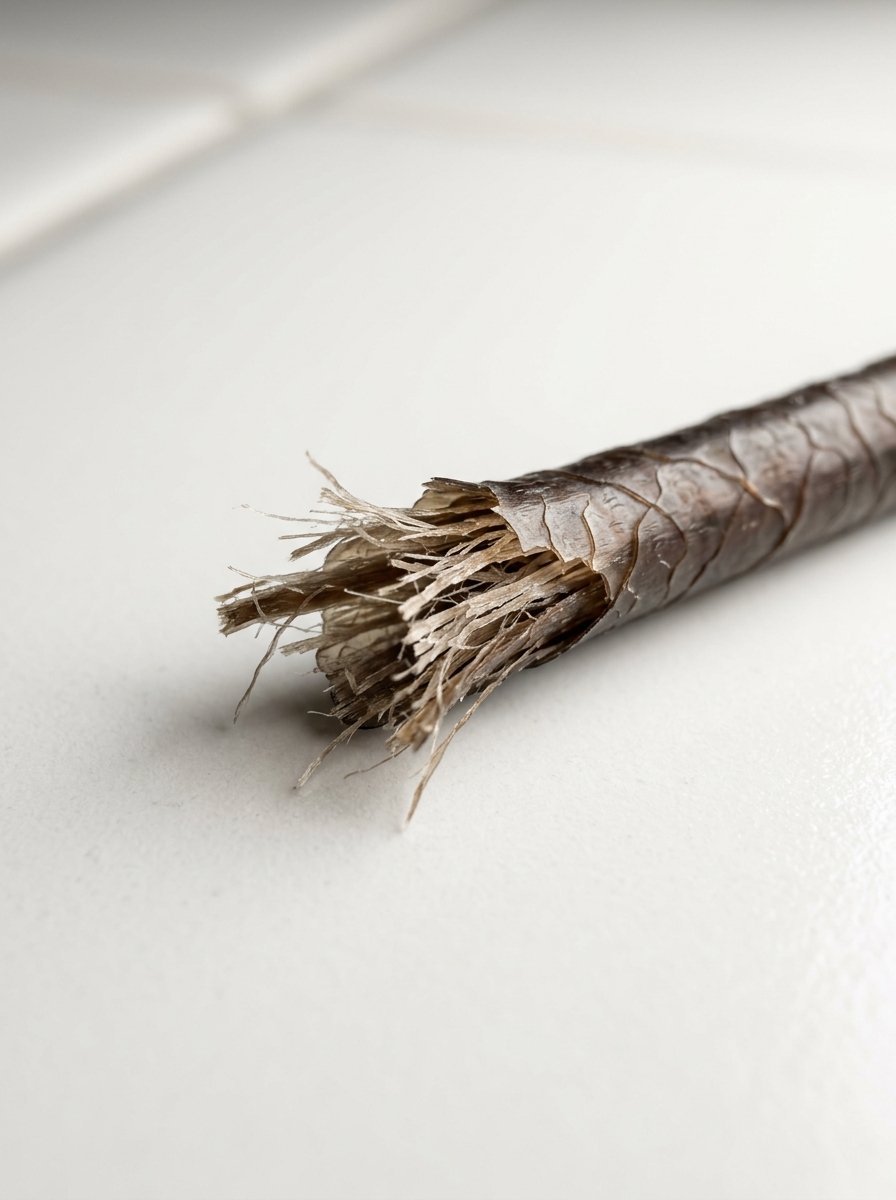
Hair Care For Beginners starts with accepting a harsh truth about mechanical damage. Your hair is incredibly fragile when wet. Most people step out of the shower and immediately drag a plastic comb through their knots. This single action causes massive snapping. I noticed this habit in my own life. I used a cheap brush every morning. My hair broke halfway down the shaft.
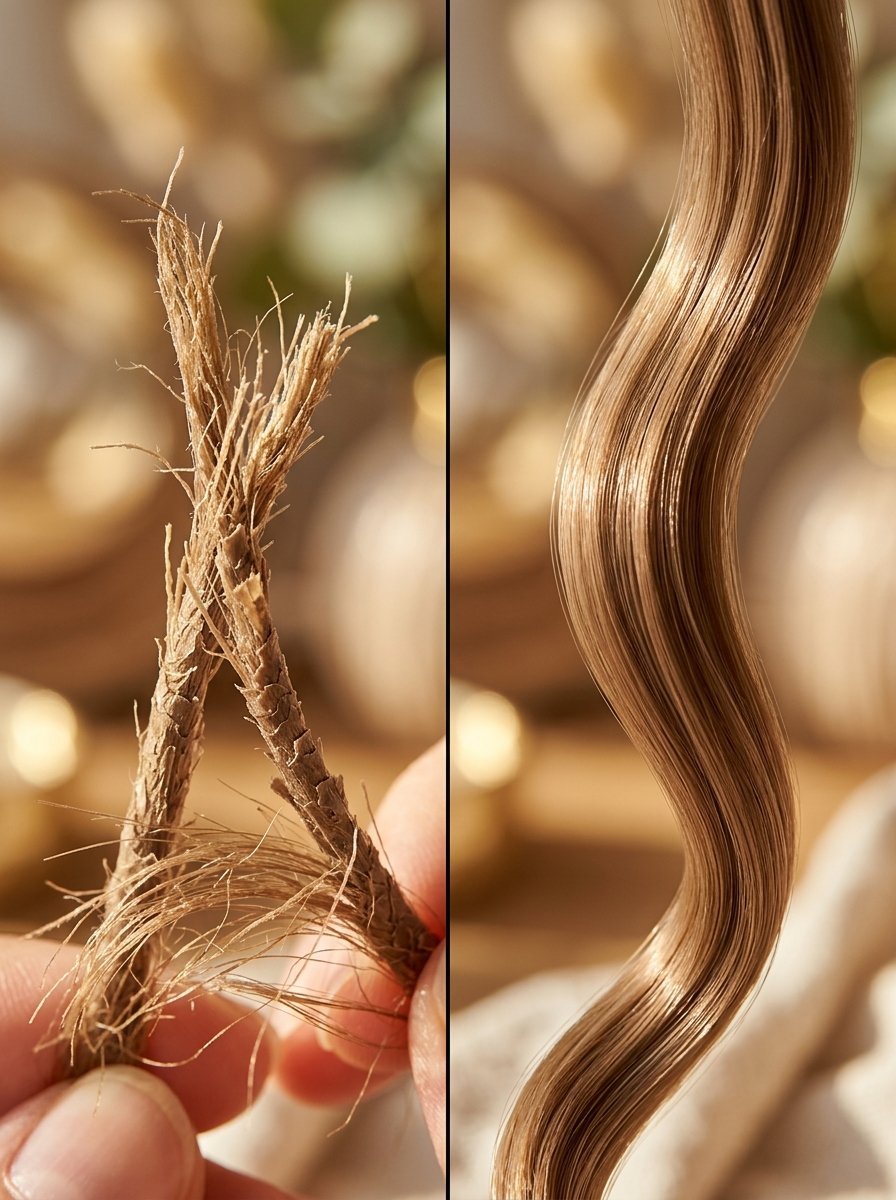
The damage happens slowly over several months. You might not see the pieces falling at first. Eventually your ends look thin and transparent. This transparency means the cuticle is entirely gone. You cannot repair a completely shredded cuticle. You must cut those pieces off and start fresh. I learned this lesson the hard way in 2024. I had to chop four inches off my total length.
Water temperature also plays a massive role in hair health. Boiling hot showers melt the natural oils right off your scalp. Your scalp reacts by overproducing oil the next day. This creates a terrible cycle of daily washing. Daily washing strips the ends of moisture entirely. You must break this cycle immediately.
The Moisture Balance
Your hair strand needs water and oil to bend without snapping. Dry strands snap under the lightest pressure. Think of a dry piece of spaghetti versus a cooked piece of spaghetti.
The Friction Problem
Cotton pillowcases grab your hair fibers all night. Every time you roll over the fabric pulls moisture away. The fabric causes micro tears along the outer layer.
Creating Your Daily Hair Care Schedule
A good Daily Hair Care schedule requires specific morning and night rules. You cannot just wash and go if you want serious length. In my experience the night routine matters much more than the morning routine. You spend eight hours in bed causing potential friction.
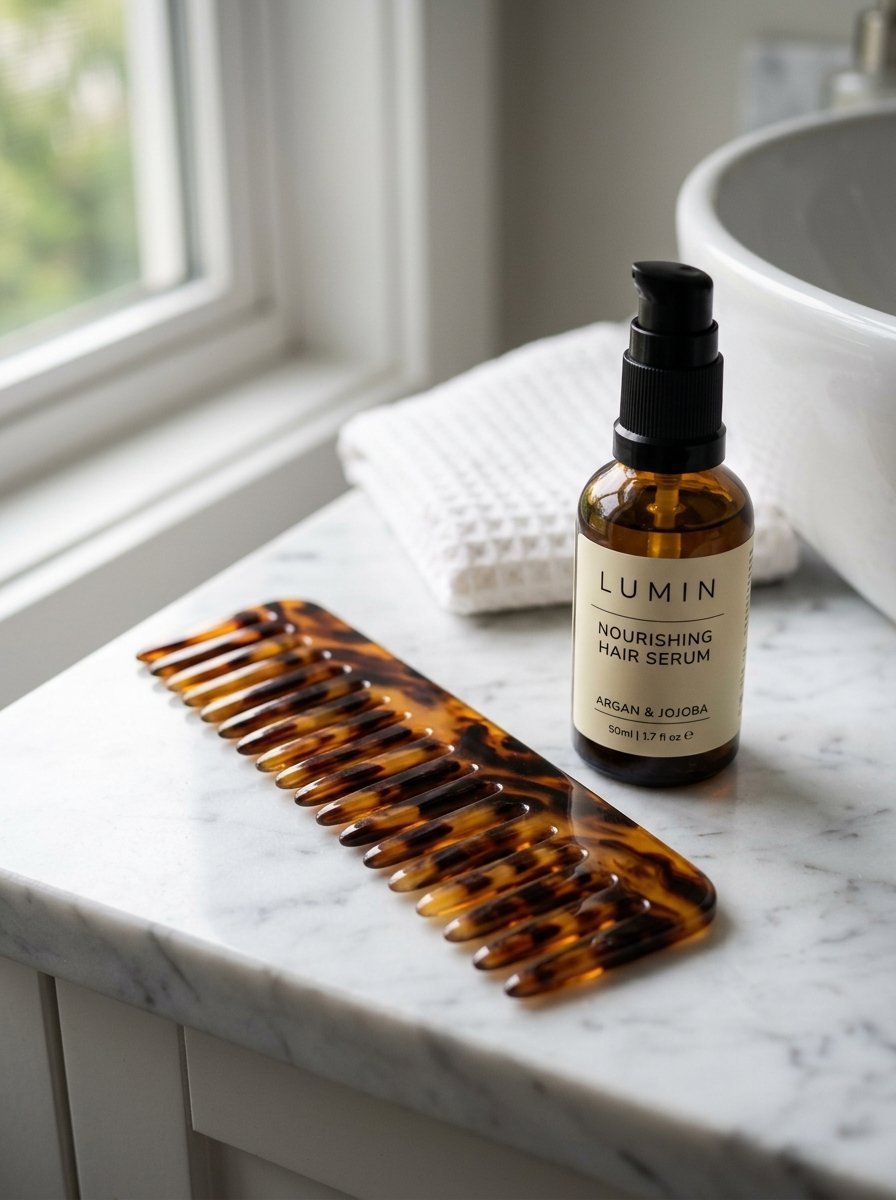
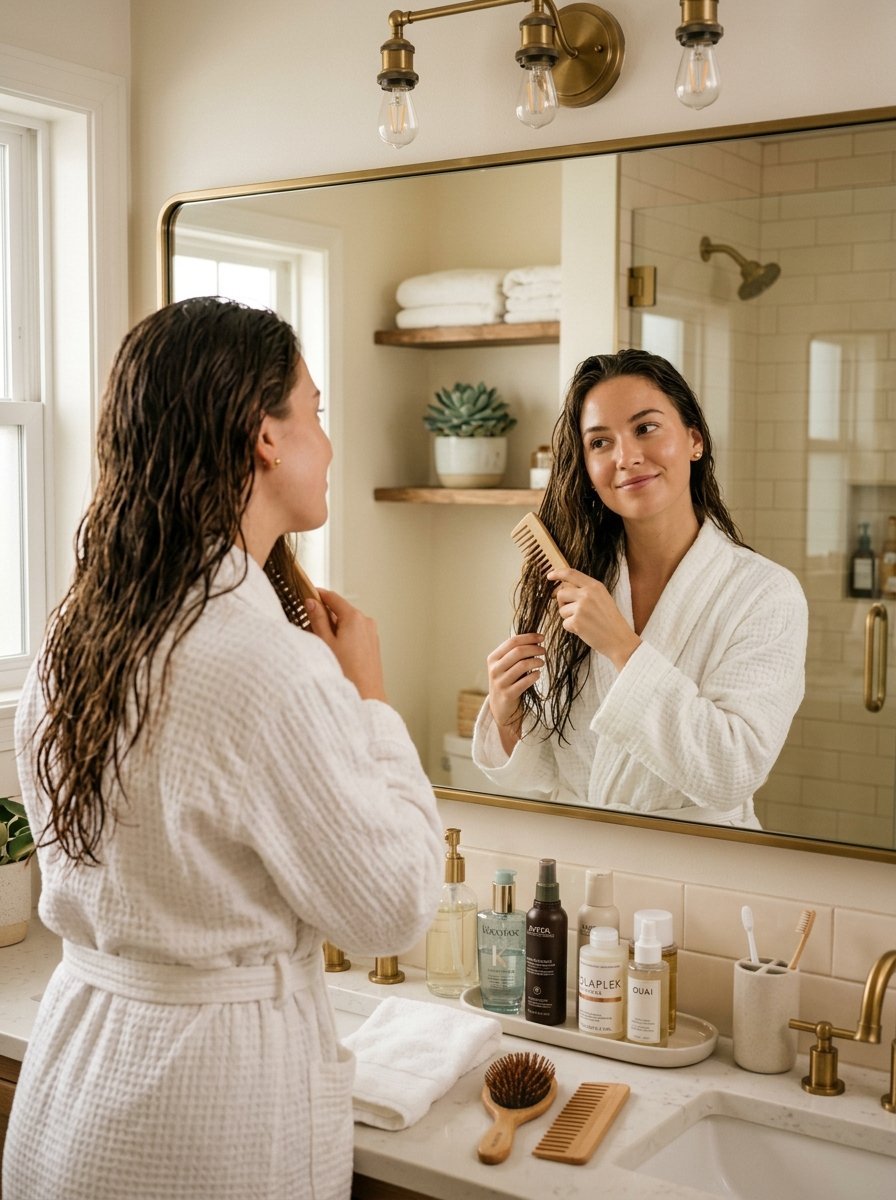
I start my night routine by detangling with a wide tooth comb. I start at the very bottom ends. I hold the hair firmly above the tangle. This prevents tension at the scalp root. I slowly work my way up one inch at a time. I never start brushing from the top down.
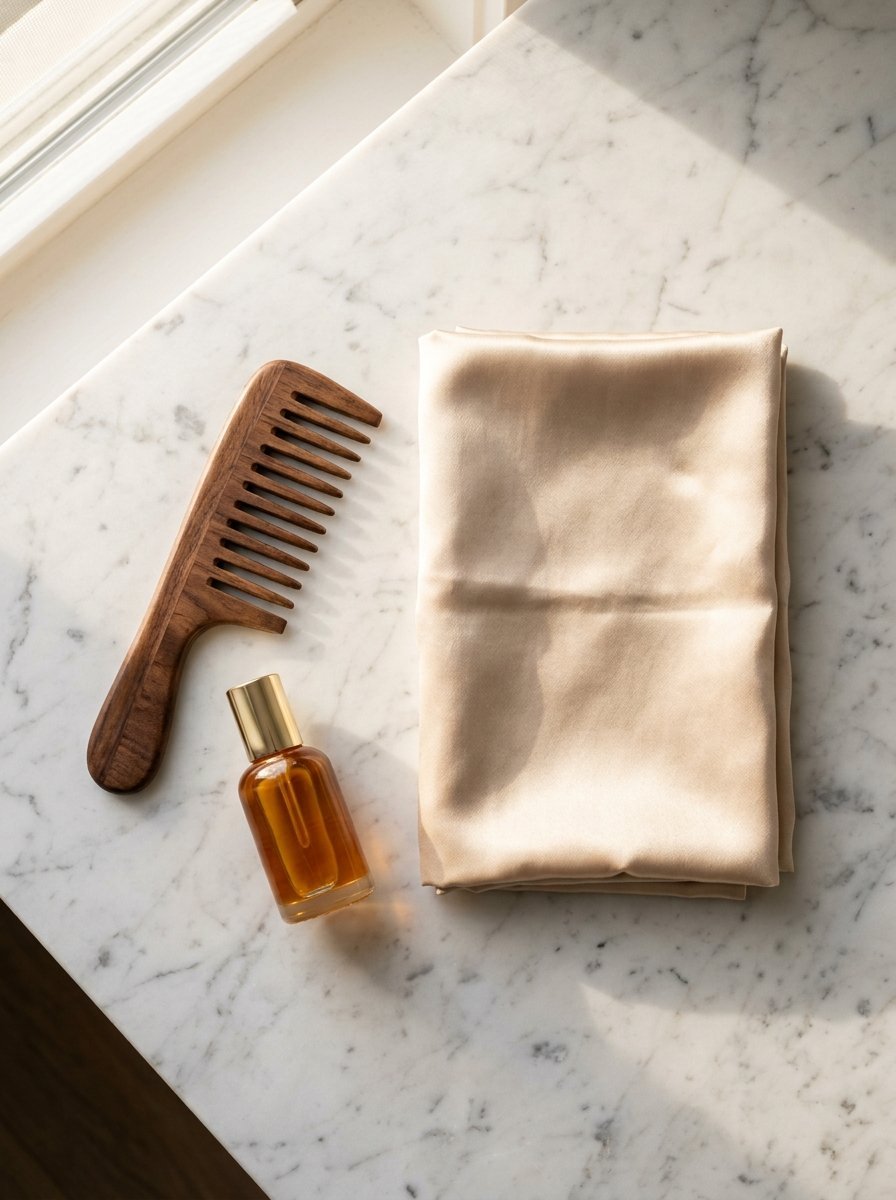
Once the tangles are gone I apply a lightweight oil. I use Olaplex Number 7 Bonding Oil on the bottom three inches. This specific oil costs $30 but a bottle lasts me six months. It seals the ends and prevents nightly moisture loss. I then secure my hair to prevent tangling while I sleep.
The Morning Refresh
Mornings require very little effort if your night prep is solid. I take down my protective style. I use my fingers to separate the pieces gently.
The Wash Day Rules
Wash days require careful handling of wet strands. I apply shampoo strictly to the roots. I let the suds wash over the ends as I rinse.
Scalp Health And Hair Skin Care Rules
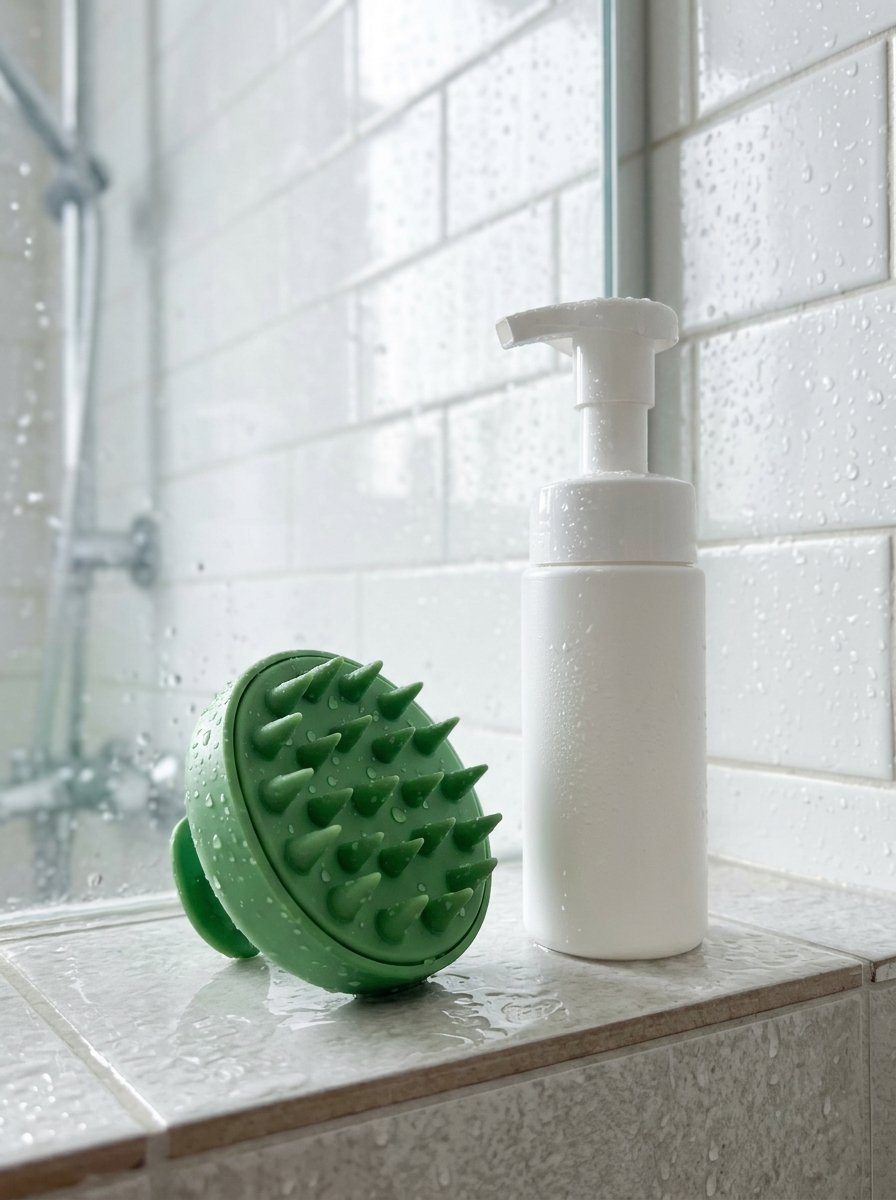
Hair Skin Care means treating your scalp exactly like your face. Your scalp produces sebum and sheds dead cells daily. If you ignore your scalp the follicles become blocked. Blocked follicles cannot produce healthy thick strands.
I incorporated Korean Hair Care Routine Steps into my wash days recently. The Korean approach focuses heavily on double cleansing the scalp. I start with a gentle scalp scaler or exfoliating treatment. This breaks down the buildup of dry shampoo and sweat. I massage the scaler in for three full minutes.
After rinsing the scaler I apply my first round of shampoo. This first wash removes the surface dirt. I rinse completely and apply a second round of shampoo. The second wash actually cleans the skin underneath. My scalp feels entirely different after a double wash. It feels incredibly clean without feeling tight or itchy.
Exfoliation Tools
I purchased a silicone scalp massager for $12 on Amazon. I use small circular motions around my entire head. I never drag the massager in long lines.
Hydration Needs
Dry scalps flake and itch constantly. I use a lightweight hyaluronic acid serum on my scalp after washing. The serum sinks in quickly and prevents tight skin.
The Core Product Lineup With Real Costs

You do not need fifty products crowding your bathroom counter. You only need a few targeted items to see actual results. I tested multiple brands over two years to find what works. Here is exactly what I use and what you can expect to pay.
I use the Ouai Detox Shampoo once every two weeks. This shampoo costs $32 as of early 2025. It removes hard water minerals and product residue perfectly. For my regular wash I use the Pureology Hydrate Shampoo. The Pureology costs $36 and lasts roughly four months. It cleans gently without stripping my color.
My daily detangler brush is the Tangle Teezer Ultimate Detangler. It costs $15 and flexes with the knots instead of ripping them. I also rely heavily on a Slip Silk Pillowcase. The pillowcase is expensive at $89 but it completely stopped my nightly breakage. I consider it a mandatory purchase for retaining length.
Treatment Masks
I use the Briogeo Dont Despair Repair mask weekly. The tub costs $39 and provides incredible slip for detangling in the shower. I leave it on for ten minutes minimum.
Protective Oils
The Mielle Rosemary Mint Scalp Oil is a bargain at $10. I massage it into my roots the night before wash day. It smells very strong but washes out easily.
Finding A Hairstyle For Hair Growth

A good Hairstyle For Hair Growth is simply a style that hides your ends from the world. Your ends are the oldest and weakest part of your hair. When they rub against your winter coat or car seat they break. You must tuck them away safely.
I rely on a loose low braid for my daily errands. A tight braid creates tension at the hairline. A loose braid keeps the hair contained without pulling the roots. I secure the braid with a soft silk scrunchie. I never use elastic bands with metal connectors. The metal edges act like tiny scissors on your strands.
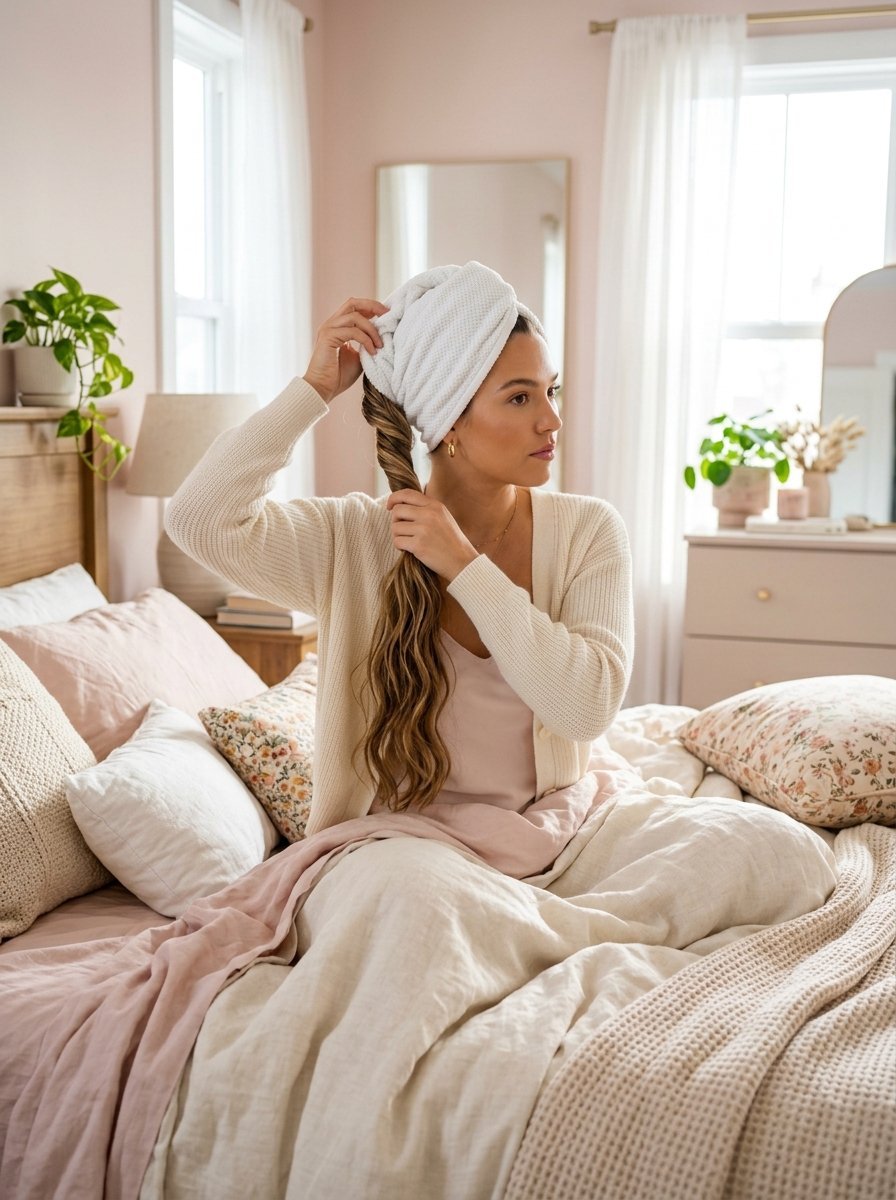
For sleeping I use the pineapple method or a high loose bun. I flip my head upside down and gather the hair loosely. I wrap a silk scrunchie around it exactly twice. It stays secure enough to last the night but loose enough to prevent a headache. My ends stay tucked securely inside the bun away from the pillow.
The Claw Clip Rule
Claw clips are safer than tight ponytails for daily wear. I twist my hair gently up the back of my head. I secure the bulk of the twist with a large plastic claw.
The Silk Bonnet
A silk bonnet offers the highest level of protection. I purchased a double lined silk bonnet for $25. I tuck all my hair inside before bed.
Building The Best Haircare Routines By Month

The Best Haircare Routines require a long term mindset. You cannot change everything on day one and expect a miracle. You will burn out and go back to bad habits. You need to phase these changes in slowly over your first year.
During month one through three you focus solely on damage control. You buy a silk pillowcase and a flexible detangling brush. You stop using high heat on your styling tools. You start getting regular micro trims to remove the transparent dead ends. Your hair might feel shorter during this phase. This is perfectly normal as you remove the damaged pieces.
Months four through six introduce deep hydration and scalp care. You start doing weekly hair masks. You add the double cleansing method to your wash days. You practice loose protective styles during the week. You will notice your hair feels significantly softer during these months. The tangles will decrease dramatically.
Months Seven To Nine
This phase is about moisture retention. You master the art of sealing your ends with oil nightly. Your trims become less frequent because your ends stop splitting.
Months Ten To Twelve
Your full routine runs on autopilot now. You wash on a set schedule. You notice the new hair coming from your scalp feels incredibly strong.
The Truth About Hair Growth In A Week
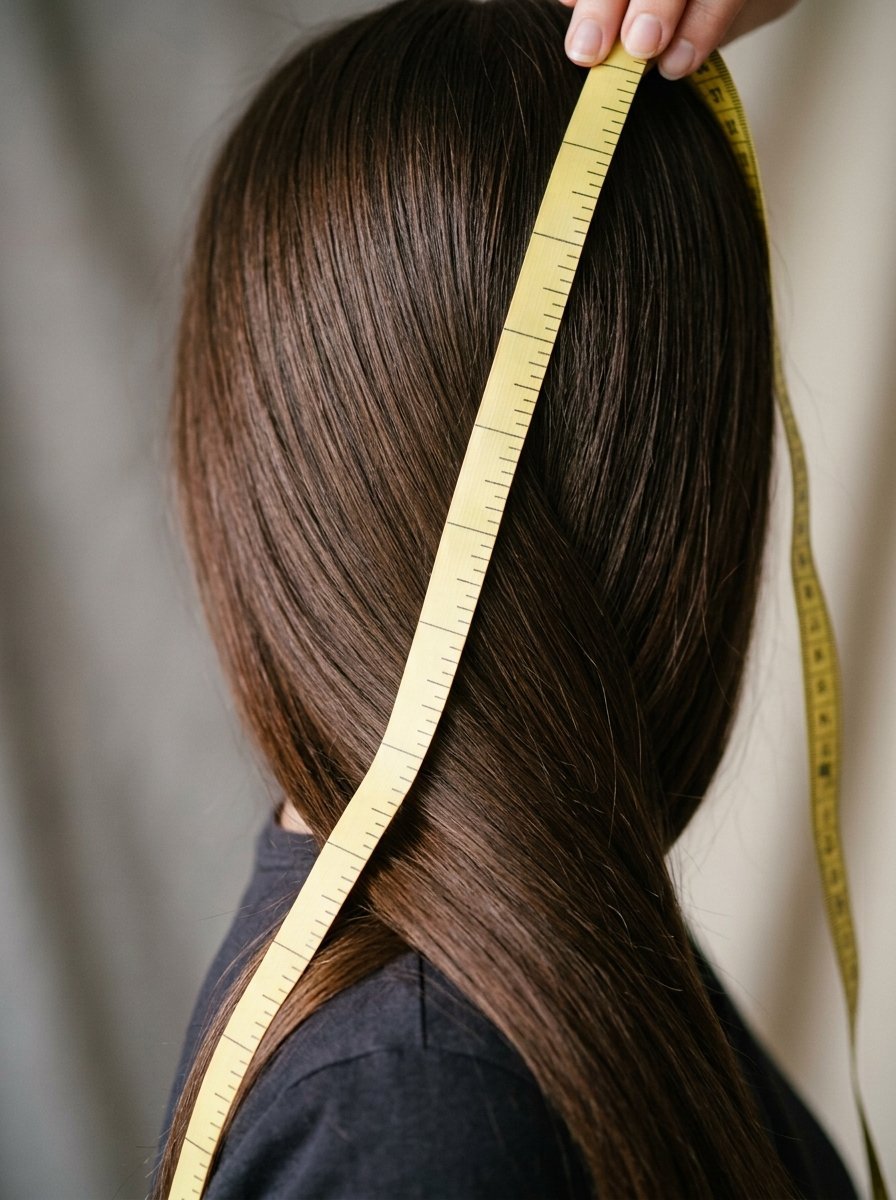
Many beginners search for a Hair Growth In A Week miracle cure. I need to be completely honest with you right now. Human hair lengthens roughly half an inch per month on average. You absolutely cannot get inches of new length in seven days. Any product promising that result is lying to you.
You can however get the appearance of thicker hair in one week. Clarifying your scalp removes heavy oils that flatten your roots. A deep conditioning mask plumps the individual strands with water weight. Trimming the wispy ends makes the hemline look blunt and full. These visual changes happen instantly.
I spent ridiculous amounts of money on gummy vitamins promising instant length. They did absolutely nothing but give me sugar crashes. Save your money for high quality silk accessories and good conditioners. The real secret is simply keeping the hair you already have from breaking off. Retention is the only real path to length.
Managing Expectations
Take a picture of the back of your head today. Wear a striped shirt in the photo. Take another picture in exactly three months wearing the same shirt.
The Vitamin Myth
Biotin only helps if you have an actual vitamin deficiency. Most people get plenty of biotin from their daily meals. Drink water and eat protein instead.
Executing A Hair Strengthening Routine
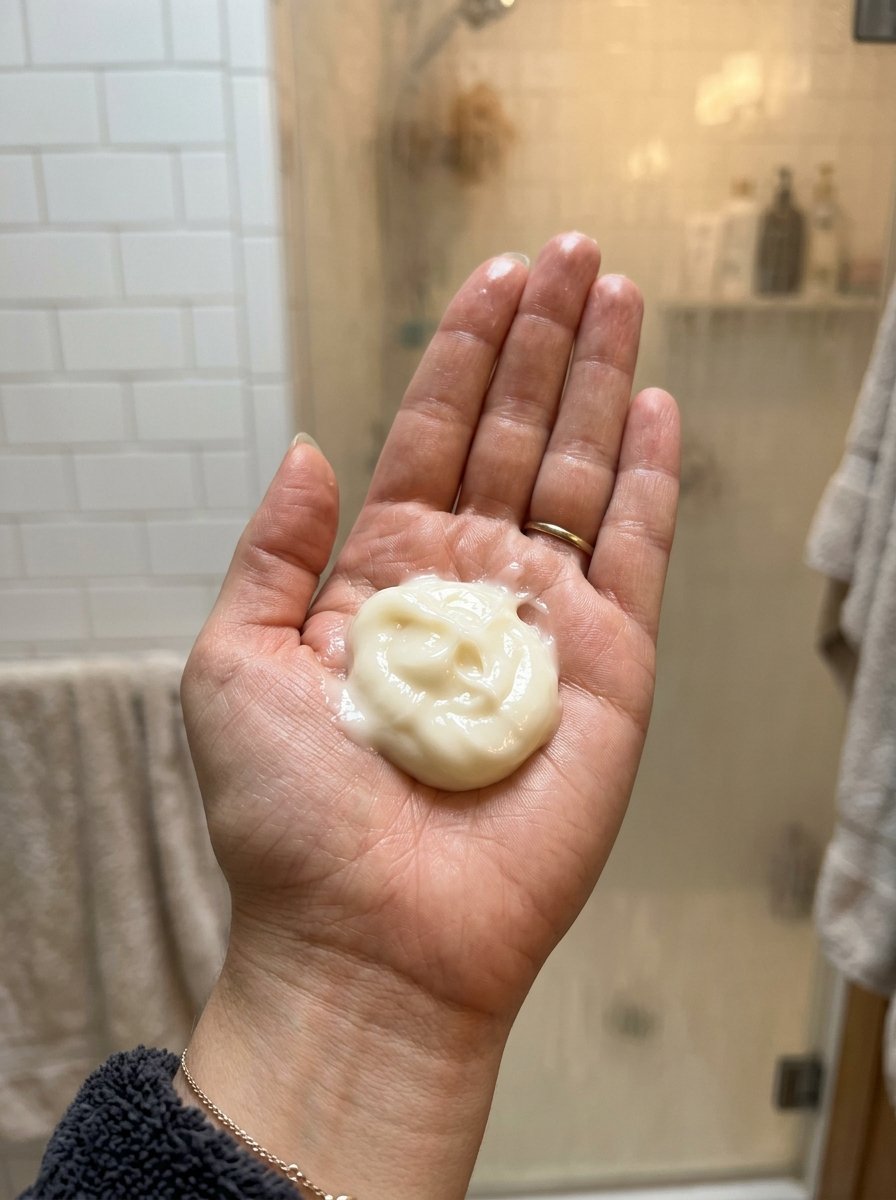
A proper Hair Strengthening Routine balances two opposing forces. Your hair needs both moisture to stay flexible and protein to stay strong. If you have too much moisture your hair feels mushy and stretches like a rubber band. If you have too much protein your hair feels stiff and snaps like a dry twig.
I learned about protein overload when I used too many keratin products at once. My hair felt like actual straw. I had to clarify my hair and use pure moisture masks for a month to fix it. Now I only use a protein treatment once every four weeks. I pay close attention to how my strands feel when wet.
For serious chemical damage I use the K18 Leave-In Molecular Repair Hair Mask. This product is a heavy investment at $75 for a small bottle. I apply it to damp hair and wait four minutes before styling. It actively repairs broken keratin chains inside the hair shaft. I consider it a rescue product rather than a daily necessity.
Reading Labels
Look at your conditioner ingredients carefully. Words like hydrolyzed wheat protein or keratin indicate a strengthening product.
Balancing Acts
Alternate your wash days if you wash frequently. Use a hydrating shampoo on Monday. Use a strengthening shampoo on Thursday.
A Quick Hair Care Tip Selection
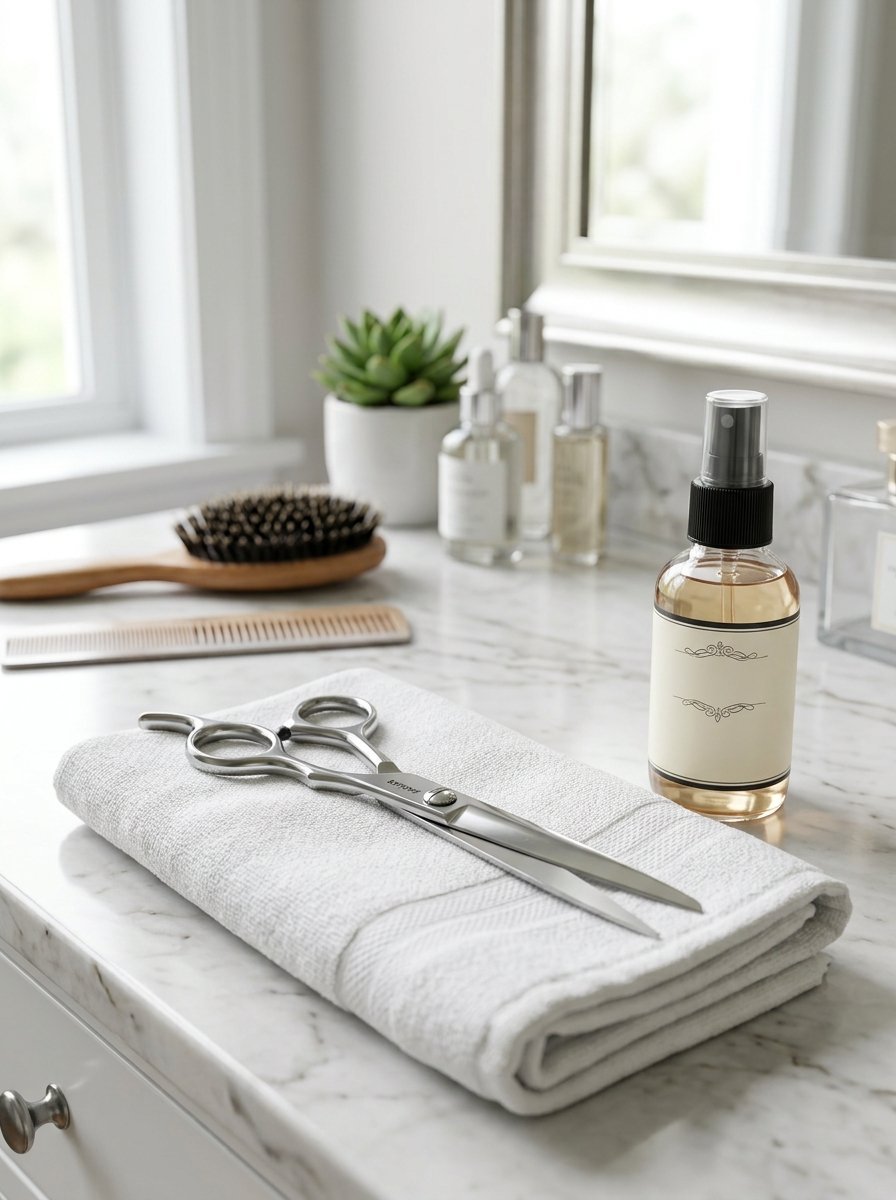
Every beginner needs a solid Hair Care Tip survival guide for bad days. Sometimes you have an event and need to use hot styling tools. Always apply a silicone based heat protectant spray first. The silicone coats the hair shaft and takes the heat damage instead of your cuticle. I let the spray dry for two minutes before touching my hair with a flat iron.
When dealing with split ends you must use real scissors. Do not use kitchen scissors or craft scissors to trim your hair. Paper scissors have dull thick blades that crush the hair fiber instead of cutting it cleanly. A crushed end will split again within days. Buy a pair of professional hair shears for $20 online and use them only for hair.
If you swim in a chlorine pool you must prepare your hair first. Dry hair acts like a sponge and soaks up the chemical water immediately. I always douse my hair in fresh tap water before entering the pool. The hair fills with clean water and cannot absorb the harsh pool chemicals. I wash my hair the minute I get out.
Fixing Winter Dryness
Static electricity ruins hair in the winter. I run a dryer sheet lightly over my brush bristles before detangling. It stops the static completely.
Handling Sun Damage
The sun bakes your hair exactly like it bakes your skin. I wear a wide brimmed hat if I plan to be outside for more than an hour.
Comparison Of Nighttime Protection Options

Choosing the right nighttime protection changes everything about your morning routine. I documented the differences between three common options over a six month period.
| Option Type | Initial Cost | Frizz Prevention Level | Lifespan Expectancy | Care Requirements |
| Cotton Pillowcase | $10 – $20 | Very Low | Three Years | Normal Machine Wash |
| Silk Pillowcase | $50 – $90 | Very High | Two Years | Cold Hand Wash Only |
| Double Lined Bonnet | $20 – $35 | Maximum | One Year | Delicate Machine Cycle |
A silk pillowcase offers excellent slip but requires serious maintenance. You cannot throw a $90 silk case in the hot wash with your heavy towels. A double lined bonnet gives you maximum protection for a fraction of the cost. I personally prefer the bonnet because it keeps my hair off my neck while I sleep.
Frequently Asked Questions
How often should a beginner wash their hair?
You should wash your hair when your scalp feels dirty or itchy. There is no universal schedule. If you work out daily and sweat heavily you might need to wash every other day. If you live in a cold climate you might wash twice a week. Listen to your scalp.
Does trimming hair actually make it longer?
Trimming does not change the speed hair exits your scalp. Trimming stops a split end from tearing further up the hair shaft. If a split travels up the shaft the entire piece breaks off. Regular dustings keep the hemline thick and stop breakage in its tracks.
What happens if you skip conditioner entirely?
Your cuticle remains open and exposed. Shampoo lifts the cuticle to remove dirt and oils. Conditioner smooths the cuticle back down flat. If you skip conditioner your hair will tangle instantly and feel incredibly rough to the touch.
Can I sleep with wet hair if I braid it?
Sleeping with wet hair causes massive problems. Wet hair swells and becomes fragile. The friction from your pillow will stretch and break the damp strands. A wet scalp trapped against a pillow breeds fungal issues and causes serious dandruff. Always dry your roots completely.
Do hair vitamins actually work for length?
Vitamins only change things if your diet lacks specific nutrients. A blood test can tell you if you have a deficiency. Drinking enough water and eating protein heavy meals does more for your hair than expensive gummy bears. Save your money.
How tight should a protective hairstyle be?
A protective style should feel completely weightless on your scalp. If you feel pulling at your temples the style is too tight. Tight styles cause traction alopecia which creates permanent bald spots along the hairline. Always use soft scrunchies.
Is hard water destroying my ends?
Hard water coats your hair in heavy minerals like calcium and magnesium. These minerals block moisture from entering the hair shaft. Your hair becomes brittle and feels sticky when wet. A shower filter or a chelating shampoo removes this mineral buildup easily.
Should I brush my hair in the shower?
Only brush wet hair if it is completely coated in a slippery conditioner. Use a flexible wet brush or a wide tooth comb. Work slowly from the bottom up. If you hear snapping sounds you are pulling too hard. Be incredibly gentle.
What is the difference between hydrating and moisturizing?
Hydrating adds water content to the inner core of the hair. Moisturizing adds oils and butters to the outer layer to seal that water inside. Your hair needs both to survive dry climates. Apply water based leave-in first then seal with an oil.
Will cold water rinses make my hair shiny?
Cold water helps lay the cuticle flat after a warm wash. A flat cuticle reflects light better which creates visual shine. It is completely optional. If you hate cold showers just use a good leave-in conditioner to smooth the cuticle instead.
Can stress cause my hair to snap?
Stress usually causes hair to fall out from the root rather than snap at the ends. This shedding condition happens months after a stressful event. Snapping is almost always caused by mechanical friction or chemical damage from bleach and heat.
How long until I see real results?
You will feel a texture difference in three weeks. You will see less hair in your brush after two months. You will notice visible length retention around month six. By month twelve your entire hemline will look drastically thicker and healthier.
Final Thoughts On Your First Year

Your first year of length retention requires patience and daily consistency. I struggled initially because I expected overnight miracles. Once I accepted the reality of slow steady protection my routine became second nature. You have the exact roadmap now to protect your ends and care for your scalp properly. I predict you will see a massive change in your hair texture within ninety days if you follow these rules. Buy the silk accessories and throw away the cheap plastic combs. Stop fighting your hair and start protecting it. What change are you going to make to your nighttime routine tonight?

Sarah Mitchell — Founder & Editor-in-Chief
Sarah Mitchell is the founder and editorial voice behind Hair Level Up. A licensed cosmetologist with more than 15 years of experience, she has styled A-list celebrities for editorial shoots and red carpets, with work featured in Vogue, Elle, and Harper’s Bazaar. Early in her career, she trained under the legendary hairstylist Oribe in New York, an apprenticeship that still shapes her editorial eye today. Sarah founded Hair Level Up in 2020 after one bad haircut convinced her that women deserved a destination that felt like a magazine, taught like a stylist, and inspired like an art gallery. She oversees every story from concept to publication, guided by a simple belief: a good story teaches you something, but a great one makes you feel beautiful while it does.