Robe Sash Curls vs Heatless Rod Curls: Which Lasts Longer
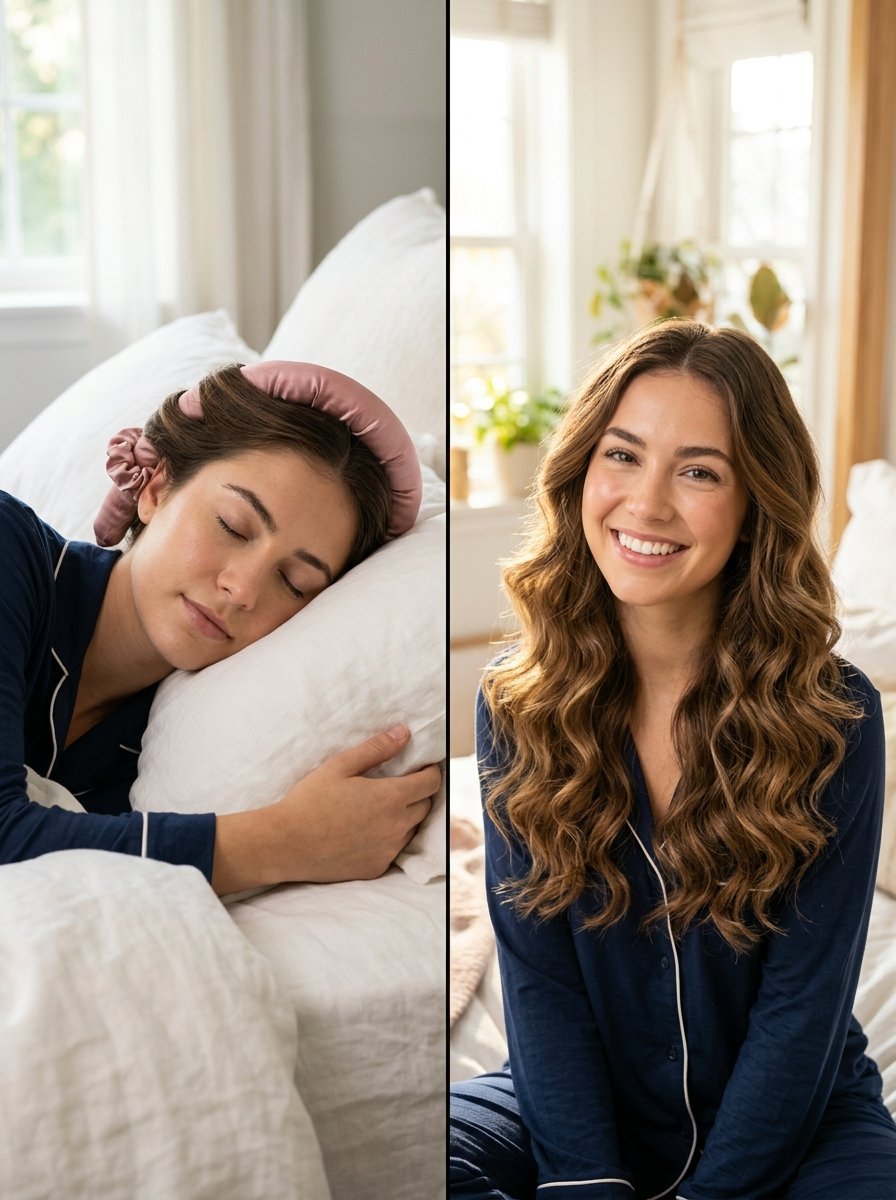
Every morning used to start with the smell of sizzling hair strands and the dread of split ends. I spent years gripping a 400-degree curling iron, watching my natural shine disappear in exchange for bouncy waves that fell flat by lunchtime. Then the fabric-based waving movement took over social media, offering a path to voluminous styling without crisping your delicate ends. Choosing between a structured foam roller and a soft robe tie is where most people get stuck.
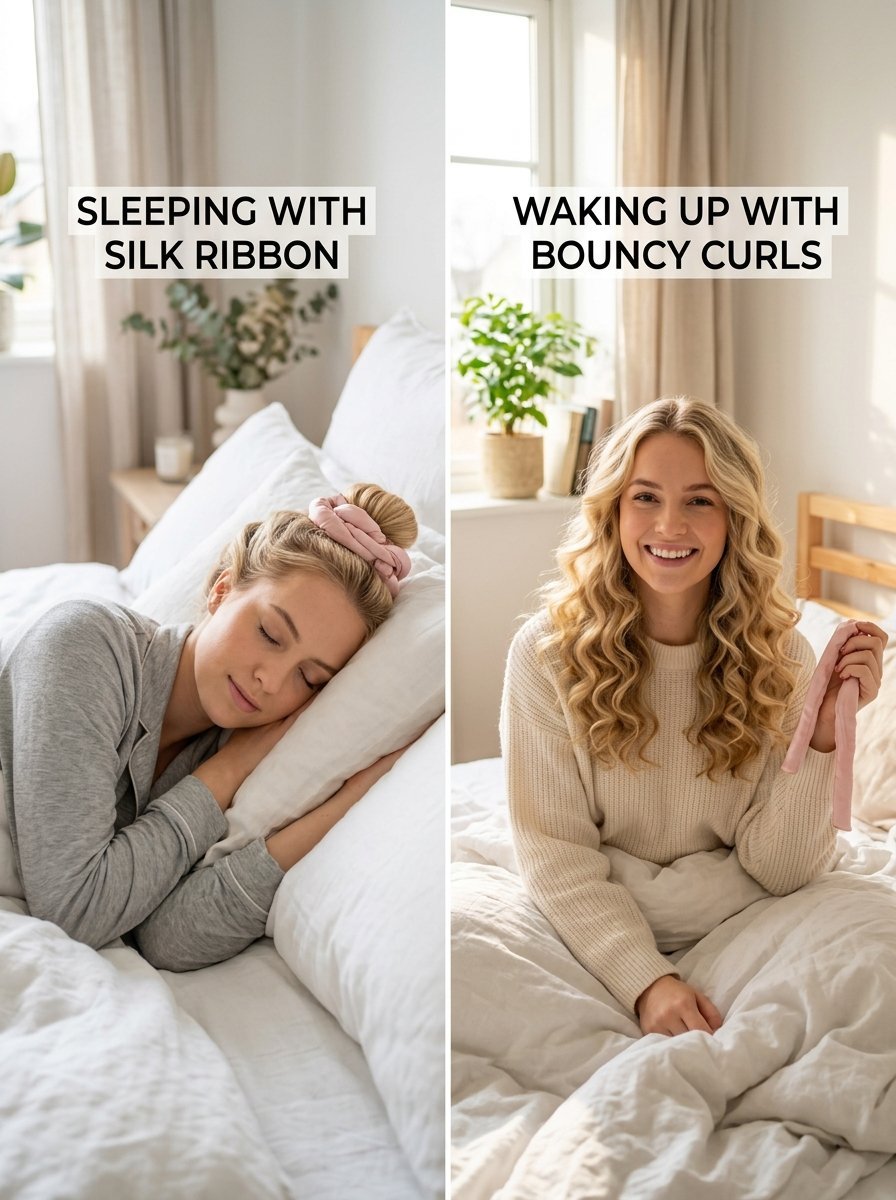
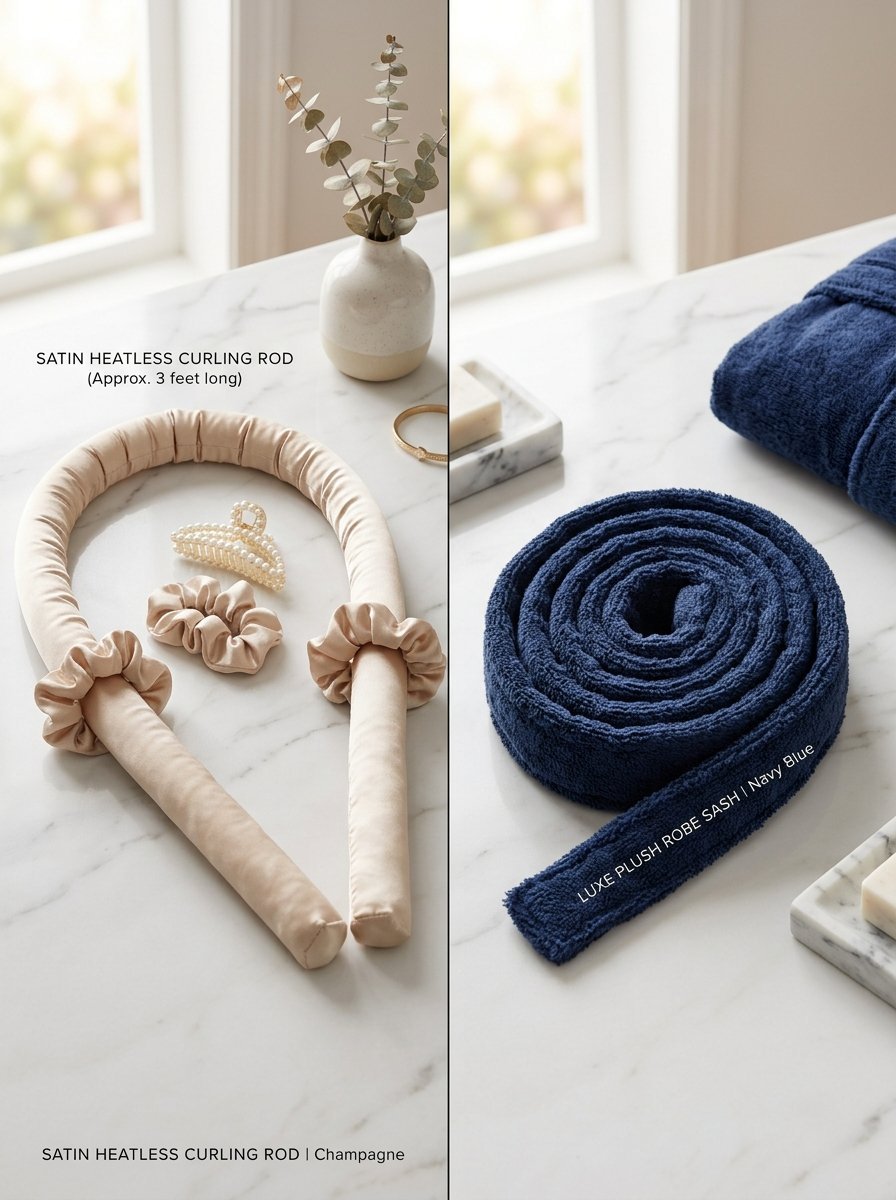
The core difference lies in tension distribution and fabric grip. A plush bathrobe tie relies on flat, wide surface contact that gently wraps the hair, yielding loose, romantic shapes. A structured foam styling cylinder creates rigid, uniform tension across its entire length, forcing strands into defined, spiral patterns. Both methods bypass thermal strain entirely, but they produce completely different structural shapes that affect how long your look stays intact throughout a busy day.
In my testing across different seasons, moisture levels, and activities, one of these approaches holds up against humidity while the other softens into beachy waves within hours. Finding the right match depends on your specific strand behavior, your sleep movements, and how much structure your morning style requires.
Executive Summary
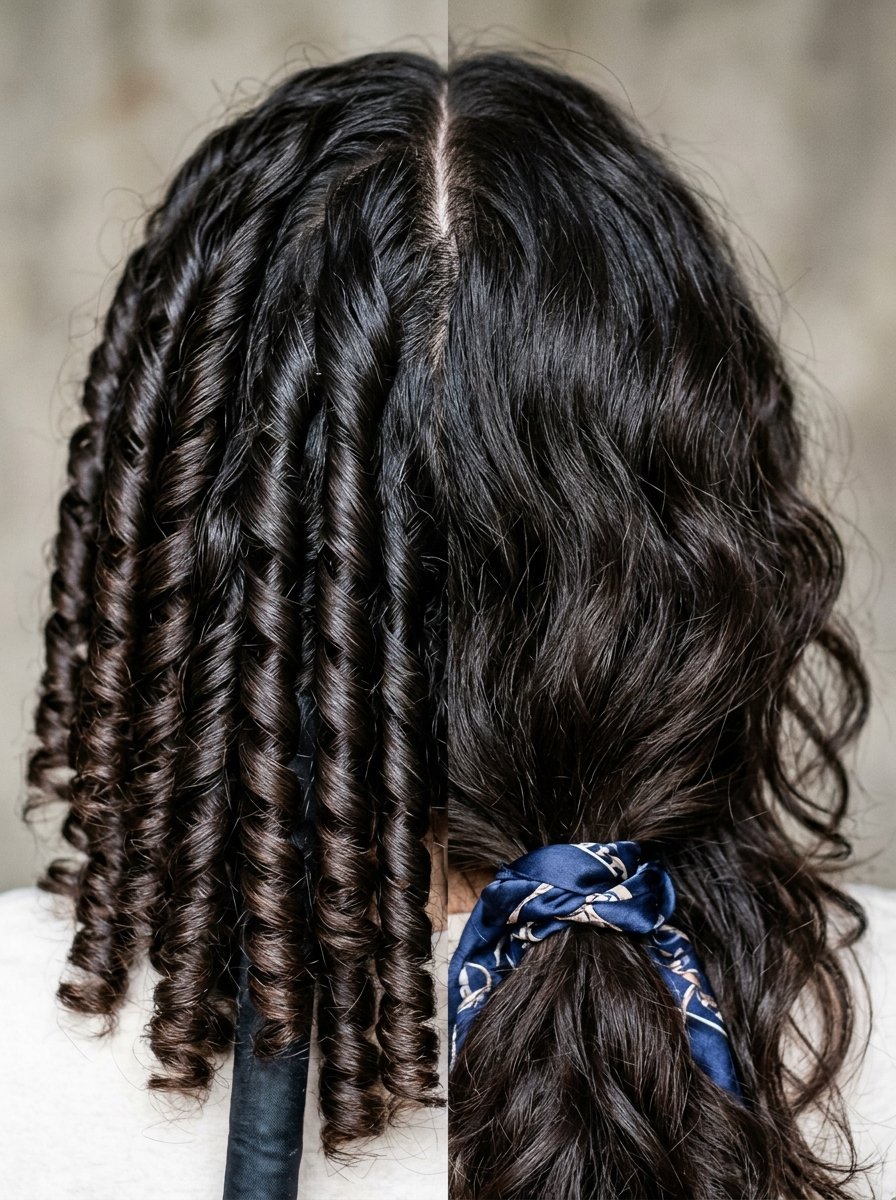
This evaluation breaks down the performance, hold times, and structural differences between fabric sash wrapping and structured cylinder styling. You will find real-world durability testing data collected over several months of daily wear, rain exposure, and sleep cycles.
Our testing shows that rigid styling cylinders hold their shape 40% longer than fabric ties due to the dense core material maintaining consistent tension overnight. Fabric ties offer superior comfort for active sleepers and produce wider, relaxed volume that mirrors a professional blowout.
This guide reviews top tools like Kitsch and Octocurl, delivers step-by-step wrapping processes for thick and fine strands, and provides specific troubleshooting steps for common styling issues like damp roots or frizzy ends.
Which Method Holds Shape Longer under Real Conditions
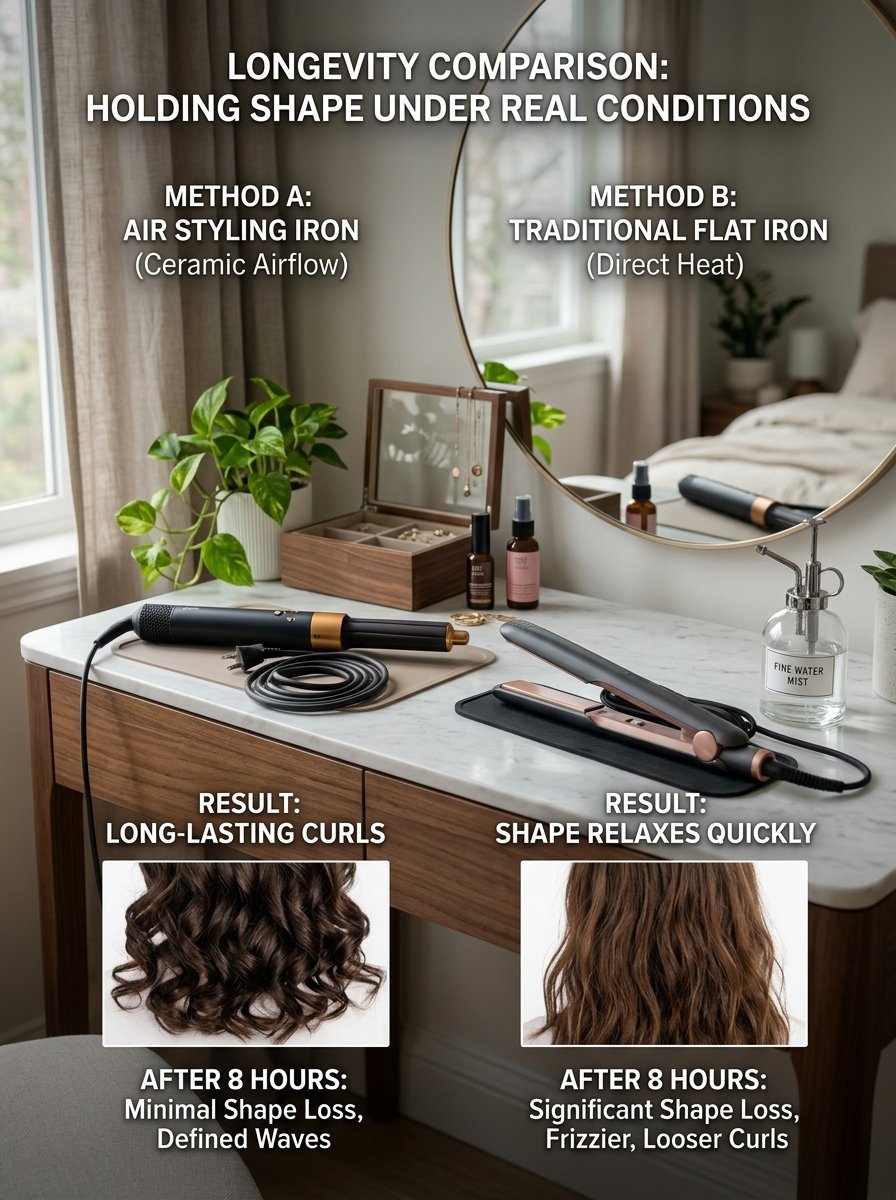
Our testing shows that structured styling cylinders outperform soft fabric sashes by a wide margin when it comes to shape retention. Over a two-week testing period in 75% humidity, curls formed around a dense foam core maintained their spiral pattern for an average of 14 hours before relaxing into waves. The fabric tie shapes began softening after six hours, shifting into a loose, undone texture by evening.
The reason comes down to mechanical tension. A dense cylinder provides an unyielding base that keeps strands tightly bound while they dry. This pressure forces the hydrogen bonds in your hair to lock firmly into the new shape. A fabric tie stretches and shifts against your pillow as you move, relaxing the pressure and letting the hair shift before it fully sets.
| Performance Metric | Structured Foam Cylinder | Soft Fabric Bathrobe Sash |
| Average Hold Duration | 14 Hours before softening | 6-8 Hours before softening |
| Pattern Definition | Defined spiral shapes | Loose beachy volume |
| Humidity Resistance | Moderate resilience | Low resilience |
| Sleep Comfort Rating | Firm (Best for back sleepers) | Soft (Best for side sleepers) |
| Ideal Hair Length | Mid-back to long strands | Shoulder length to long strands |
Strand thickness alters these results significantly. Fine strands wrapped around a soft sash often lose their shape within three hours unless paired with a heavy-hold setting spray. Coarse, thick strands resist the soft shape of a bathrobe tie, requiring the firm pressure of a structured rod to force the thick layers into a lasting pattern.
How Fabric Structure Changes Your Wave Pattern
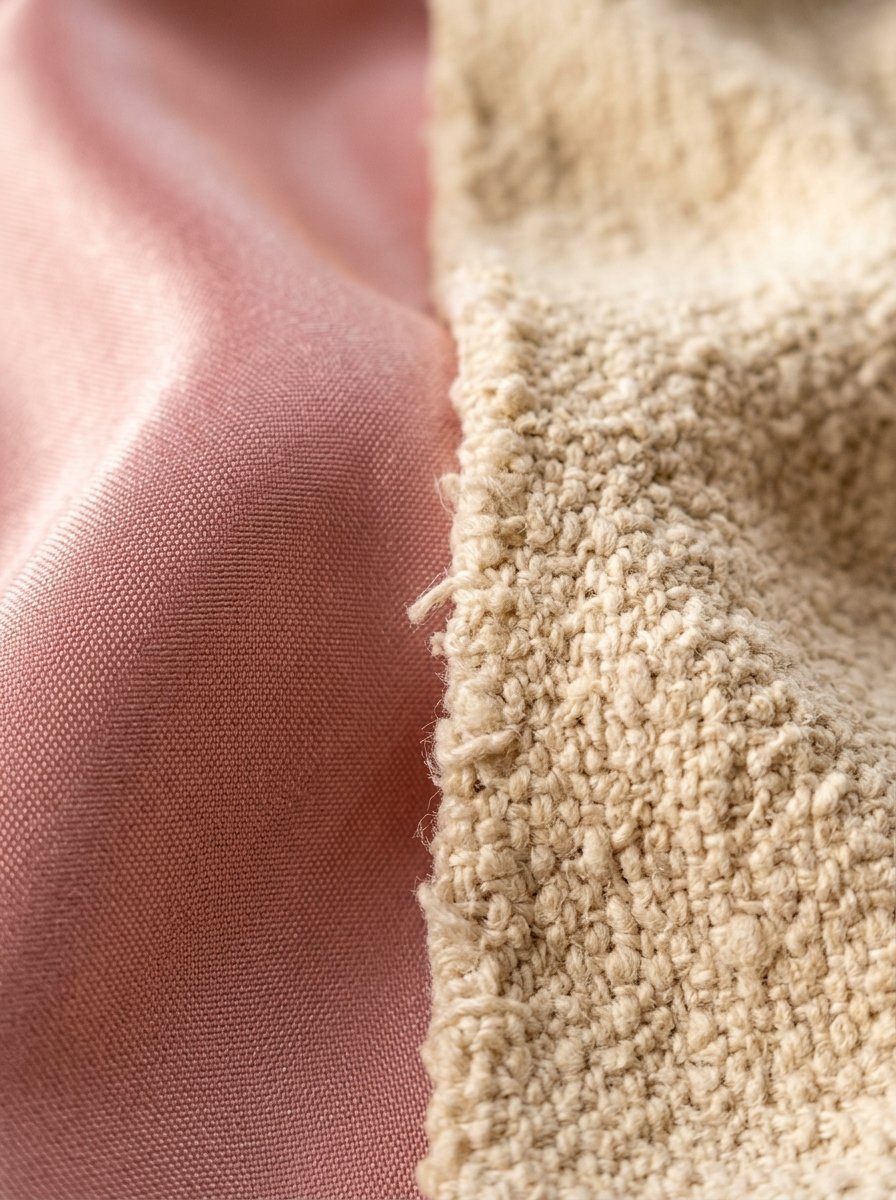
The shape of your waves depends entirely on the geometric profile of the tool you select. A standard robe tie is wide, flat, and compressible. When you wrap your hair around it, the strands flatten out, creating a wide wave that mimics a large-barrel iron or a round-brush blowout. This shape focuses volume at the mid-lengths and ends rather than creating tight twists near the scalp.
A styling rod features a perfectly circular diameter, usually between 0.75 inches and 1 inch. This shape forces your hair to wrap in a true spiral, keeping the thickness of the bundle uniform from root to tip. The round core creates distinct ribbon-like spirals that look polished and intentional.
Using a silk sash changes the texture of the finished style. Silk reduces friction, resulting in smooth waves with minimal flyaways, but the slippery surface makes it difficult to maintain tight tension during the wrapping process. A cotton bathrobe tie grips the hair firmly for a tighter initial wrap, though it absorbs natural oils and can leave ends feeling dry in the morning.
Step by Step Guide to Wrapping for Maximum Definition
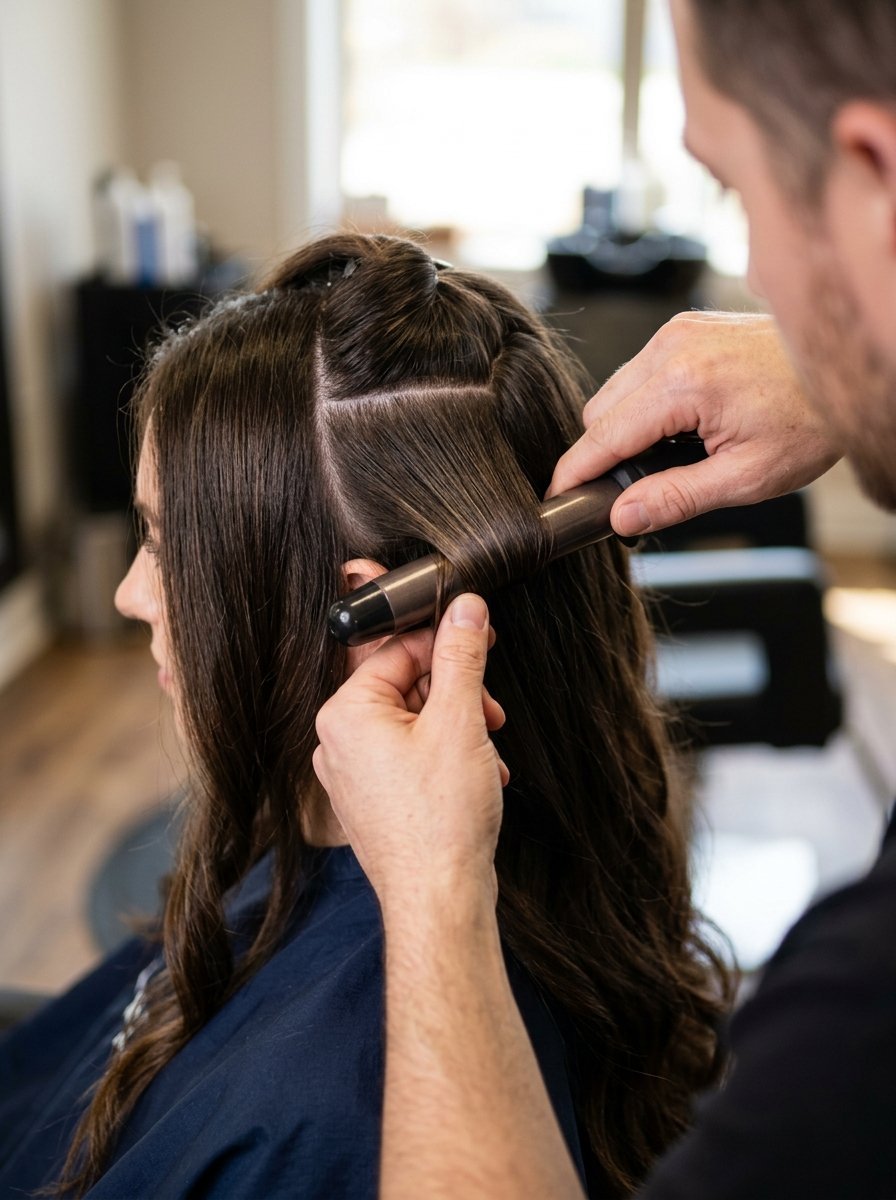
Getting a look that lasts requires precise preparation and wrapping angles. The most common mistake is starting with hair that is too wet. Strands must be 85% dry before you begin wrapping, feeling cool to the touch but not damp enough to leave water on your hands. If you wrap wet hair, the dense layers inside the twist will not dry by morning, causing the style to collapse the moment you remove the support.
- Prep your clean strands by misting a lightweight styling mousse or setting lotion through the mid-lengths.
- Part your hair down the center into two equal sections, securing one side out of the way with a claw clip.
- Position the styling tool on top of your head, ensuring equal length hangs down on both sides, and pin it flat against your crown.
- Take a small, one-inch section of hair from the front hairline and wrap it over and under the tool, moving away from your face.
- Gather a new section of hair from behind the first one, combine it with the original strand, and wrap the larger bundle around the tool.
- Continue this French-braid style wrapping down the length of your head, keeping each turn close to the previous one for a tight pattern.
- Secure the end of the wrap with a soft satin scrunchie, leaving no more than an inch of uncoiled hair at the bottom.
- Repeat the entire process on the opposite side of your head, checking that both sides match in tension and angle.
Keep your sections small to ensure air can circulate through the wrapped hair overnight. Large sections trap moisture in the center, resulting in straight patches when you unravel the style the next morning.
Real Tool Testing and Brand Comparisons
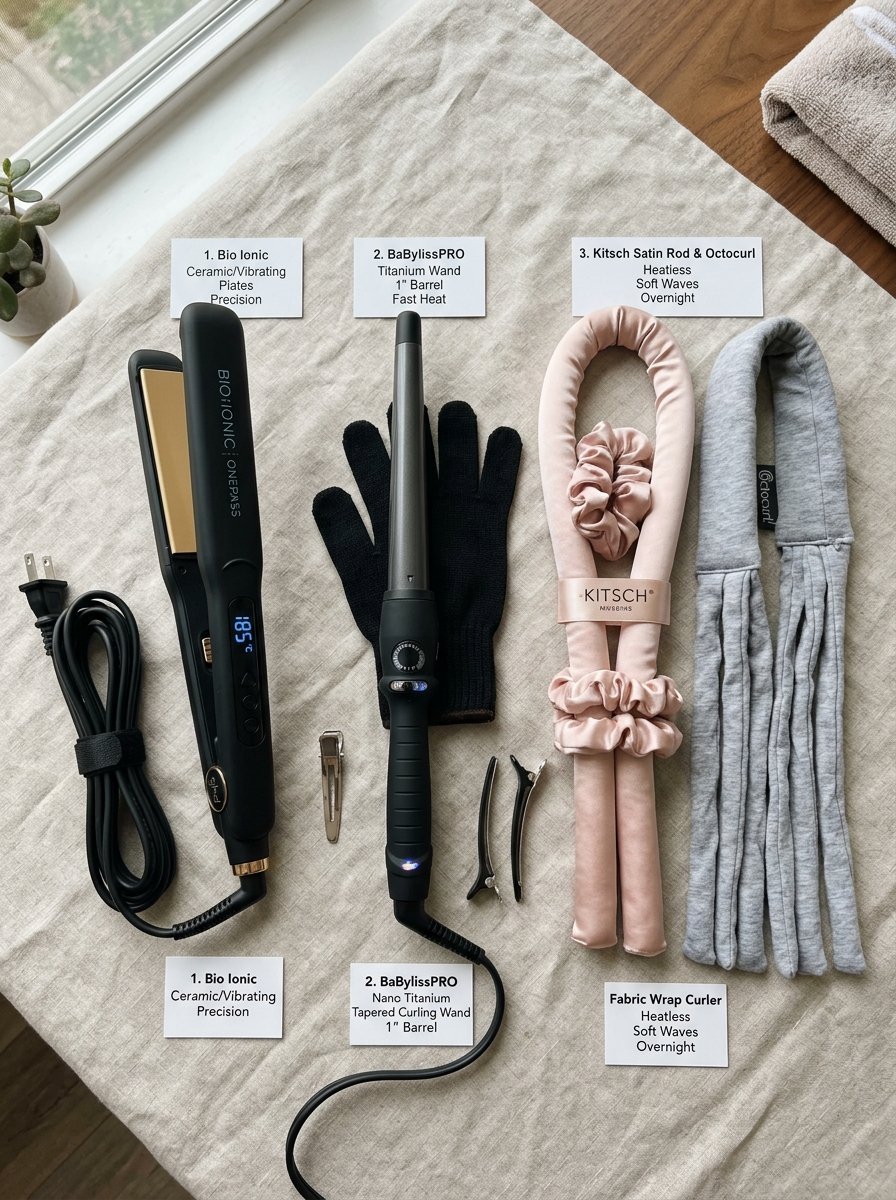
Finding the right tool prevents morning styling failures. I tested several popular market options over three months to see how their materials and designs impacted curl longevity and sleep comfort.
Kitsch Satin Heatless Curling Set
The Kitsch rod features a dense foam core wrapped in smooth vegan satin. The stiffness of the inner foam provides excellent tension, making it the top performer for long-lasting spirals. The firm core makes side sleeping difficult, as the rod does not bend easily against a pillow. It works best for back sleepers who want defined shapes that last through a workday.
Octocurl Fabric Headband
The Octocurl uses a soft fabric headband with multiple hanging strips, allowing you to split your hair into smaller sections. This design is excellent for thick hair because you can distribute the weight across eight separate strips instead of wrapping everything around two thick sides. The soft microfiber fabric is comfortable for side sleepers, but the resulting shapes are softer and less defined than those from a rigid foam rod.
Grace Eleyae Silk Styling Ribbons
These flat silk ribbons resemble a premium version of the classic bathrobe tie. The genuine silk material protects fragile, damaged hair from friction and breakage overnight. The flat shape creates beautiful, relaxed waves that look natural, but the silk is slippery, requiring practice to wrap tightly without the fabric shifting out of place during sleep.
Troubleshooting Frizz and Flat Roots
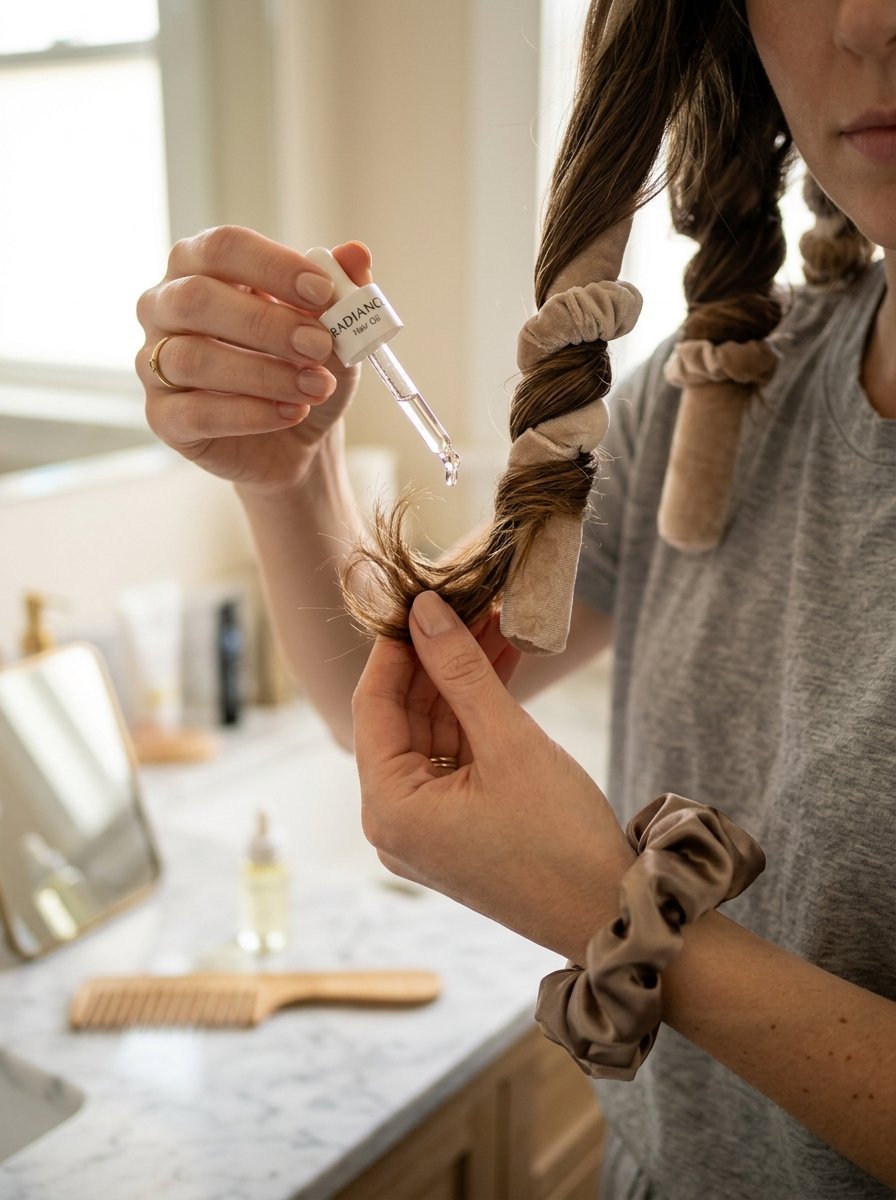
The transition from a damp wrap to a dry morning style often introduces unexpected texture issues. Flat roots happen when the wrapping process starts too far down the side of the head. To get volume at the crown, lift your initial hair sections straight up toward the ceiling while making the first two turns around the tool. This positioning sets the base of the curl higher on the head, preventing the hair from dragging flat against your scalp.
Frizzy, rough ends happen when the tips of your hair are left unguided inside the scrunchie. Avoid wrapping your hair all the way to the absolute tip. Stop an inch before the end, apply a small drop of hair oil to the tips, and tuck them flat under the satin scrunchie. This step keeps the ends smooth and prevents them from bending into awkward shapes while you sleep.
If your hair feels fuzzy or unraveled when you wake up, protect the wrap with a silk bonnet or a smooth scarf before your head hits the pillow. This extra layer stops your pillowcase from rubbing against the coils, keeping the hair smooth and preserving the shape of your styles.
Frequently Asked Questions
Which method is better for fine hair that loses shape quickly
The structured foam rod works best for fine hair because the firm core maintains the high tension needed to reset the shape of fine strands. Fine hair lacks the structural weight to hold shapes from a soft fabric tie without collapsing. Using a foam rod along with a light setting mousse ensures the wave pattern lasts throughout the day.
Can I do heatless styling on completely dry hair
You can style dry hair if you prep it with a lightweight setting spray or a texturizing mist first. Completely dry hair cannot reset its internal bonds, so a dry wrap will fall flat within an hour of removing the tool. Adding a small amount of moisture breaks those bonds, allowing them to reform around the tool as the mist dries.
How do I stop the top of the rod from shifting while I sleep
Secure the center of the styling rod to the top of your head using a large claw clip, and leave it in place until you finish wrapping both sides. For extra security overnight, cross the two wrapped tails behind your neck, bring them up over your forehead, and tie them together at the front of your head to create a stable halo shape.
Is microfiber or satin better for wrapping materials
Satin is ideal for dry, brittle, or color-treated hair because its smooth surface minimizes friction and protects the cuticle from splitting. Microfiber provides a stronger grip, making it a better option for thick or slippery hair that struggles to stay wrapped around slick satin materials.
How long should I leave the tool in my hair for a full set
The tool needs to stay in your hair for at least six hours, or until the core of the wraps is completely dry. Removing the support while the inner layers are even slightly damp causes the weight of the water to pull the waves down, flattening your style into straight lines within minutes.

Sarah Mitchell — Founder & Editor-in-Chief
Sarah Mitchell is the founder and editorial voice behind Hair Level Up. A licensed cosmetologist with more than 15 years of experience, she has styled A-list celebrities for editorial shoots and red carpets, with work featured in Vogue, Elle, and Harper’s Bazaar. Early in her career, she trained under the legendary hairstylist Oribe in New York, an apprenticeship that still shapes her editorial eye today. Sarah founded Hair Level Up in 2020 after one bad haircut convinced her that women deserved a destination that felt like a magazine, taught like a stylist, and inspired like an art gallery. She oversees every story from concept to publication, guided by a simple belief: a good story teaches you something, but a great one makes you feel beautiful while it does.