
10 Steps for a Winter Long Hair Routine to Prevent Breakage and Static
Cold weather wrecks long hair. The air gets freezing outside and extremely dry inside our homes. Hair loses moisture fast in these conditions. It gets full of static electricity. It snaps off on wool coats and heavy scarves. You end up with terrible split ends by February. I have seen this happen every single winter. I used to chop off four inches every spring out of frustration. Not anymore. I changed my daily habits completely. I tested dozens of products to see what actually works. I found a daily plan that keeps hair soft and strong. Your hair will stay healthy. You will skip the big spring haircut. This guide shows you exactly what to do.
You will get ten exact steps for better hair right now. You will see which exact products work and what they cost. I list current prices as of late 2023. You will read about real people fixing their hair issues. We will cover the best washing habits. We will cover sleep habits and silk products. We will cover protective styling for cold days. Expect to spend maybe twenty extra minutes a week on your hair. You will save hundreds of dollars on salon treatments. Let us dive right into the exact steps for your daily routine.
1. How do you protect long hair before washing it in winter?
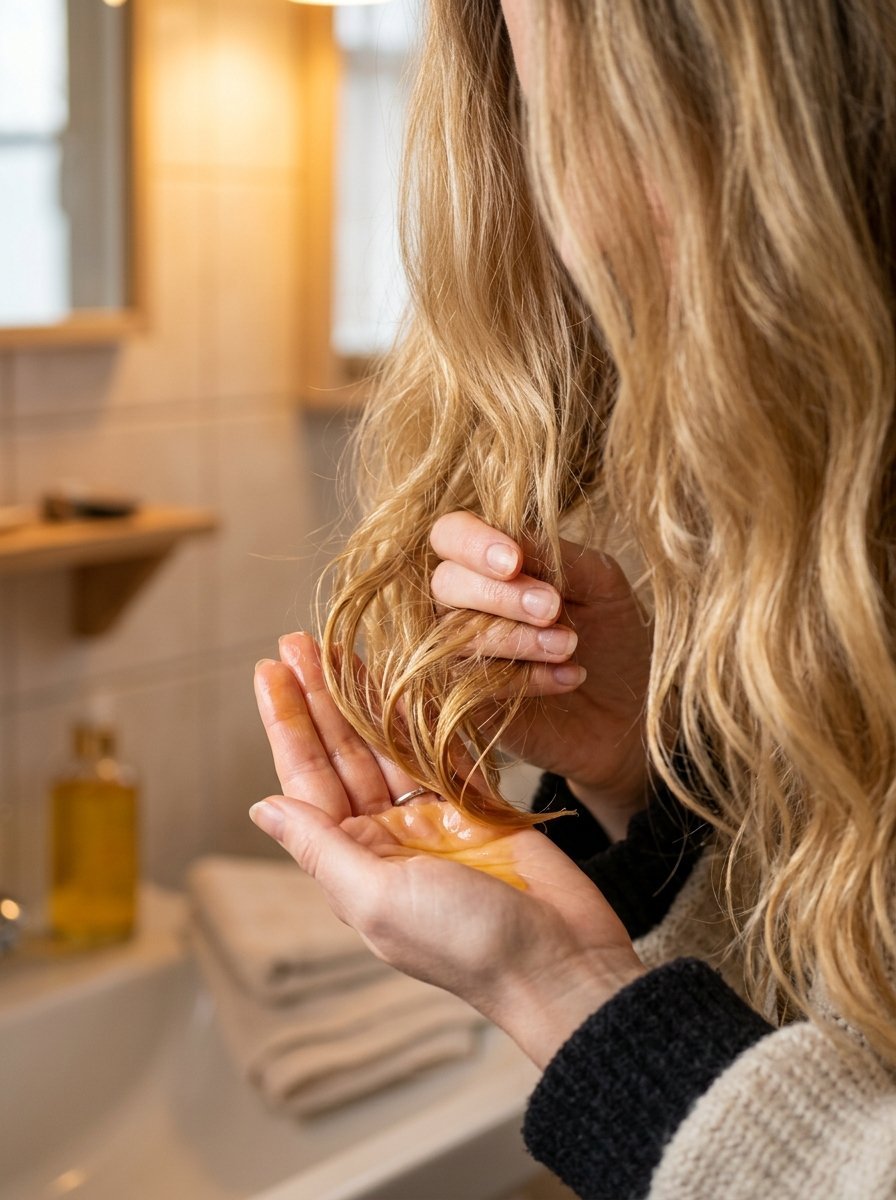
Pre-wash oiling changed my hair completely. Cold air strips your natural scalp oils. Indoor heating dries out your skin and hair. You need a shield before water even touches your head. Tap water swells the hair shaft during washing. This causes severe damage over time. Oil acts as a waterproof barrier. I started doing this three years ago. My breakage dropped to almost zero within a month.
Apply a heavy oil from the middle of your hair down to the ends. Do this two hours before you take a shower. You can even leave it on overnight for a better feel.
My client Sarah had extremely brittle ends. We started her on a pre-wash oil routine in January 2023. By March, her hair held moisture for days. She stopped finding broken hair pieces on her sweaters.
I tell people to try Gisou Honey Infused Hair Oil. It costs about 46 dollars. The honey pulls moisture into the hair strand. It smells beautiful and feels thick. The bad part is the price tag. It also comes in a glass bottle that breaks easily on tile floors. Another cheap option is plain jojoba oil. Jojoba mimics your natural scalp oils perfectly. You can buy a large bottle for ten dollars at any store.
Rub three drops between your palms. Gently press it into the bottom three inches of your hair. Do not pull or drag your hands down the hair. Just press it in. Leave it alone until you wash. This is the first step for true dry hair care.
2. What is the right shampoo schedule for dry winter months?
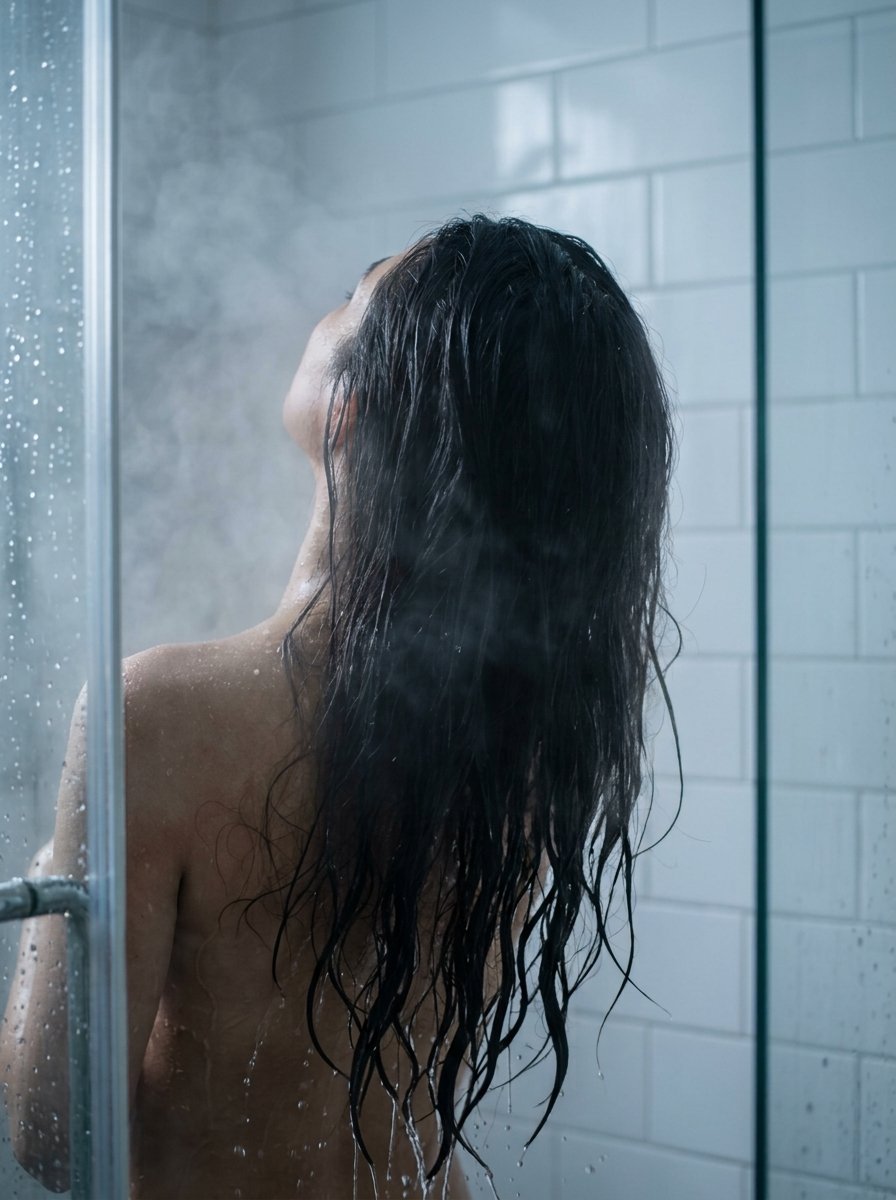
Washing too much causes massive dryness. Most people wash their hair every single day. That is a huge mistake in January. The air has zero humidity. Your scalp makes less oil in the freezing cold. Daily washing removes whatever protection you have left.
I wash my hair twice a week during winter. Sometimes I wait three days if I stay indoors mostly. You need to adjust this based on your workout schedule.
When you do wash, pick the right product. You need a hydrating cleanser. Clarifying shampoos are too harsh for daily use right now. They strip the hair totally bare.
I tell everyone to buy Pureology Hydrate Shampoo. It costs around 36 dollars. It cleans without making hair feel like dry straw. The lather feels very rich and thick. A small amount goes a very long way. One bottle usually lasts me four full months. The only bad part is the strong mint smell. Some people hate the tingling feeling.
Here is a washing trick. Only put shampoo on your scalp. Never rub it into the bottom half of your hair. Let the soap run down when you rinse. The soapy water cleans the ends perfectly well. Use lukewarm water only. Hot water feels amazing in winter but it destroys hair cuticles. It causes massive frizz instantly. Keep the shower temperature mild.
3. How often should you use deep conditioning masks on dry hair?
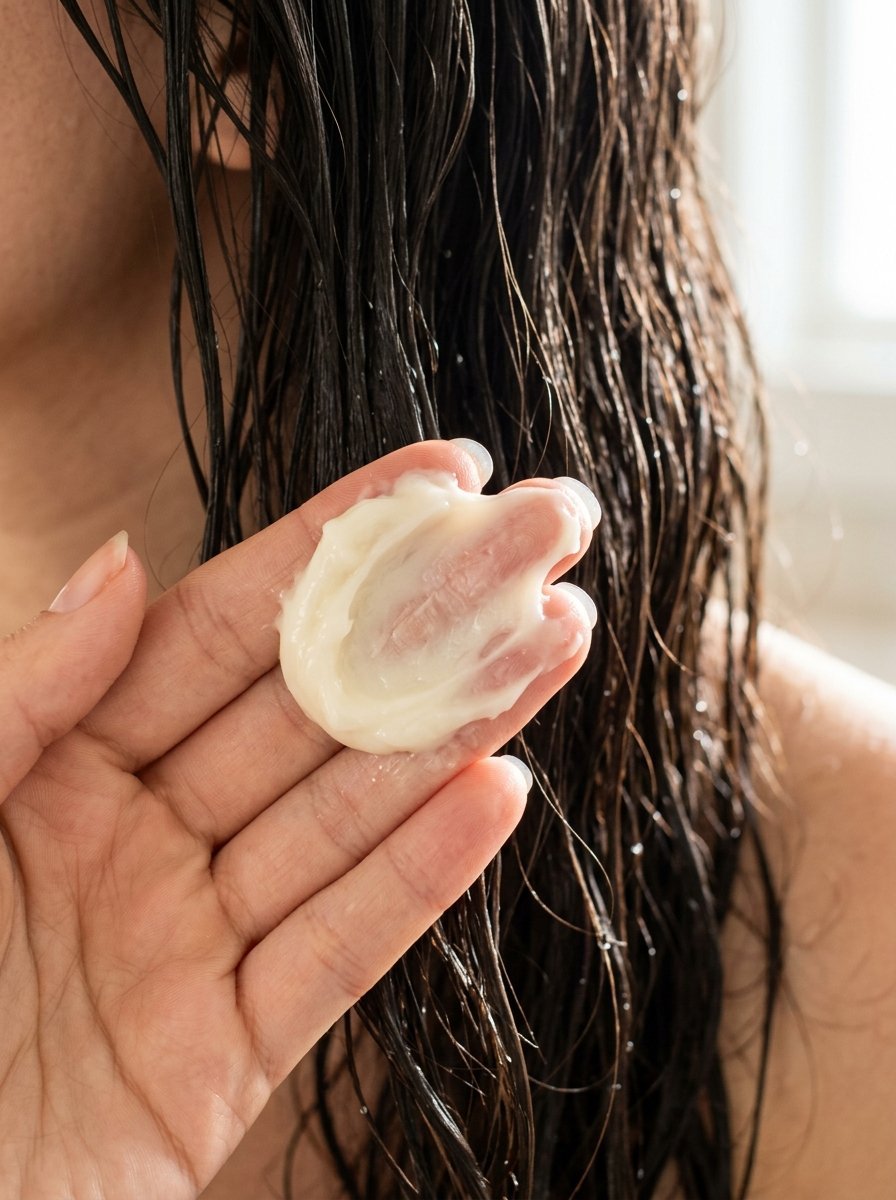
Normal conditioner is not enough in December. You need heavy moisture replacement. Deep conditioning changes everything for winter hair care. It fills in the damaged spots on your hair shaft.
You should use a hair mask once a week. Do not skip this step. Make it a Sunday night habit.
My friend Jessica bleached her hair in November. By December, her hair felt like actual hay. She started using a thick moisture mask every Sunday. We tracked her progress for four weeks. Her hair became soft and stopped snapping when she brushed it. Her hair goals became reality just by using one weekly mask.
I use the Amika Soulfood Nourishing Mask. It costs 32 dollars for a jar. It contains jojoba seed oil and sea buckthorn. It makes hair incredibly soft without feeling heavy. The smell is sweet and lasts for days. The downside is the jar packaging. Water easily gets inside the tub while you shower.
Another option is the Redken All Soft Heavy Cream. It retails for about 25 dollars. It targets extreme dryness perfectly.
After you shampoo, squeeze all the water out of your hair. Apply the mask from your ears down to the ends. Clip your hair up. Leave it on for ten minutes while you wash your face and shave. Rinse it out with cool water. The cool water seals the hair cuticle shut.
4. What is the safest way to dry long hair without causing breakage?

Wet hair is very weak. It stretches and snaps easily. Regular cotton towels rough up the hair cuticle. They cause immediate frizz and tangles.
You must switch your towel type. I made this switch five years ago. My hair stopped breaking at the shoulders.
Buy an Aquis Microfiber Hair Towel. It costs around 25 dollars. The fabric absorbs water extremely fast. It does not rough up the hair surface at all. The downside is you have to wash it with special care. You cannot use fabric softener on microfiber.
When you get out of the shower, gently squeeze your hair. Do not rub it back and forth. Wrap the microfiber towel around your head. Leave it for twenty minutes.
If you use a hair dryer, use the right tools. I invested in the Dyson Supersonic Hair Dryer. It costs 429 dollars. It dries hair incredibly fast with low heat. The temperature control prevents heat damage completely. The huge price tag is the obvious downside. But it lasts for years.
Always point the hair dryer nozzle down. Pointing it down smooths the hair cuticles. This prevents static electricity later. Make sure your hair is totally dry before walking outside. Freezing wet hair causes it to literally break in half.
5. How do you brush long hair in winter without causing static?
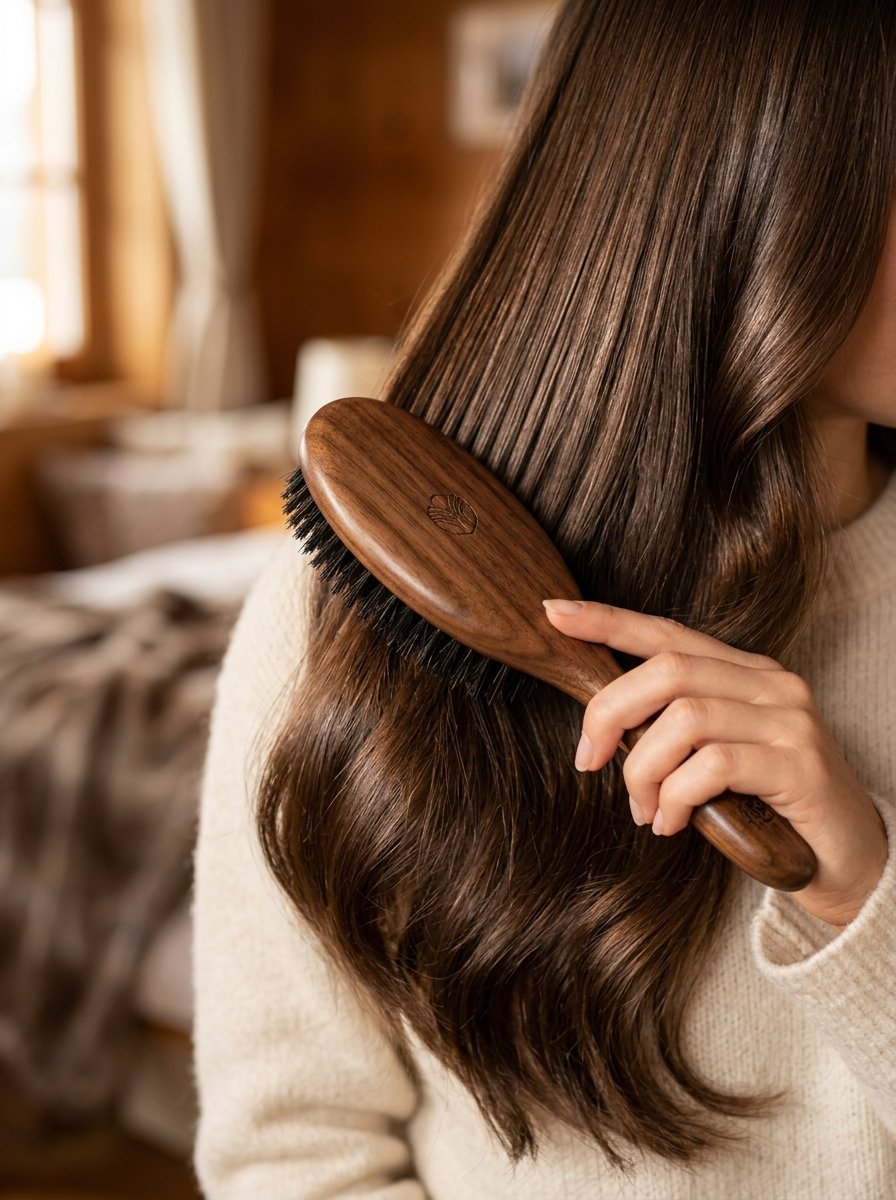
Static electricity ruins perfectly styled hair. Plastic brushes make static much worse. They create friction against dry winter hair.
You need to change your brushing tools. The right brush makes a massive difference for healthy hair.
My client Megan had terrible static every morning. She used a cheap plastic comb. I told her to buy a boar bristle brush. Within two days, her static disappeared entirely. The natural bristles move scalp oils down the hair shaft. This acts as a natural anti-static shield.
I use the Mason Pearson Boar Bristle Brush. It costs a shocking 175 dollars. It lasts a lifetime and distributes oil perfectly. It makes hair shine like glass. The obvious bad part is the crazy price.
A cheaper choice is the Tangle Teezer The Ultimate Detangler. It costs 15 dollars. It removes knots without tearing the hair. I use this one when my hair is wet. I use the boar bristle brush when my hair is dry.
Never brush wet hair from the top down. Start at the very bottom ends. Gently work your way up to the roots. This stops you from ripping through tangles. Spray a little leave-in conditioner on your brush if you still get static.
6. Which leave-in treatments actually stop winter hair static?
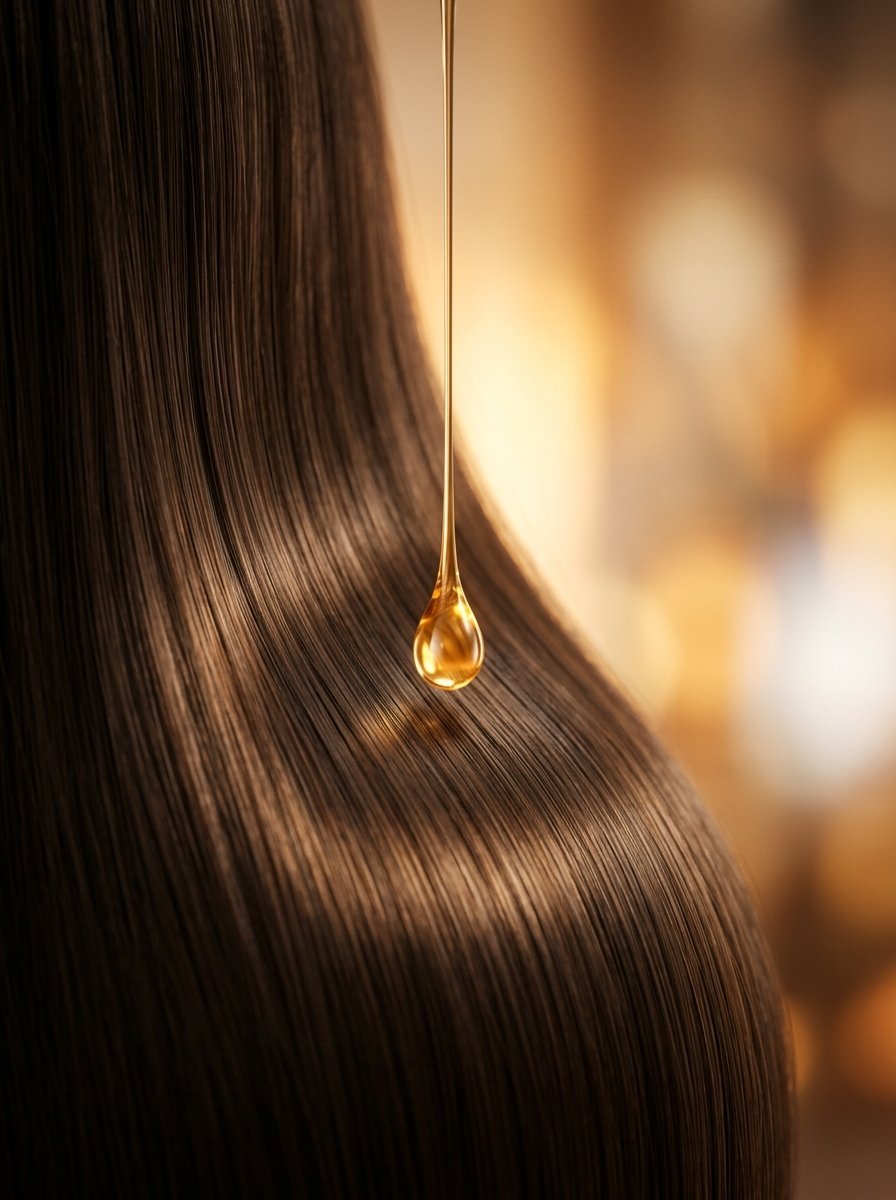
Conditioner in the shower washes down the drain. You need something that stays on your hair all day. Leave-in serums lock moisture inside the hair. They block dry air from stealing your hydration.
I apply a serum every single morning in winter. Even on days I do not wash my hair.
I swear by the Moroccanoil Treatment Original. A bottle costs 48 dollars. It contains argan oil which smooths frizz instantly. A tiny drop cures static electricity on contact. The smell is famous and beautiful. The bad part is it can make fine hair look greasy if you use too much. You only need one drop.
Another amazing product is Olaplex Number 7 Bonding Oil. It costs 30 dollars for a tiny bottle. It protects hair from heat tools up to 450 degrees. It fixes broken hair bonds internally. The bottle is very small for the price.
Put one drop of oil in your hands. Rub your hands together until they feel warm. Lightly glaze your hands over the bottom half of your hair. Do not put oil near your roots. Your roots will look dirty and flat. Keep the oil on the older, drier parts of your hair. This is the secret to perfect hair routines.
7. What are the best winter hairstyles to protect your ends from coats?

Wool coats and heavy scarves destroy long hair. Your hair rubs against the rough fabric all day. This endless friction causes severe split ends and knots at the nape of your neck.
You must keep your hair up and away from your collar. Protective styles are mandatory for winter hairstyles.
My sister Chloe wore her hair down every day in 2022. By February, she had a giant knot at the back of her neck. We had to cut three inches off. In 2023, she started braiding her hair on cold days. She had zero neck knots that entire winter.
- Use a loose side braid.
- Try a soft messy bun on top of your head.
- Use large claw clips to hold hair up safely.
- Try a loose French braid down the back.
Do not use tight elastic hair bands. They cut into the hair shaft and cause breakage. Buy large silk scrunchies instead. A pack of Slip Silk Scrunchies costs 39 dollars. They slide out of your hair without ripping out any strands. They hold hair securely without causing headaches. The downside is they stretch out over time and lose their shape.
Tuck your ends away. If your ends are exposed to the freezing wind, they will snap. Hide them inside a bun or under a silk-lined hat.
8. How do you protect long hair while sleeping in a dry room?

Heaters run all night in winter. They suck every drop of moisture out of your bedroom air. You toss and turn on cotton pillowcases. Cotton absorbs the expensive serums right out of your hair.
You have to fix your sleep environment. I made two changes in my bedroom last year. My hair felt totally different in the morning.
My client Rachel woke up with tangled, dry hair every day. I told her to buy a room humidifier and a silk pillowcase. One week later, she texted me photos. Her hair was smooth and hydrated right out of bed.
Buy a Slip Pure Silk Pillowcase. It costs 89 dollars. Silk does not absorb your hair products. Your hair glides over the surface when you move at night. This prevents tangles completely. The price is very high for a pillowcase. It also requires delicate washing by hand.
You also need a Canopy Humidifier for your nightstand. It costs 150 dollars. It puts clean moisture back into the bedroom air. Your skin and hair will absorb this water overnight. The machine prevents mold growth inside the tank. The bad part is you have to buy replacement paper filters every month.
Sleep with your hair in a loose top knot. Use a silk scrunchie. Never sleep with wet hair. Wet hair stretches and breaks while you roll around in your sleep.
9. Does cutting your hair in winter actually prevent split ends?
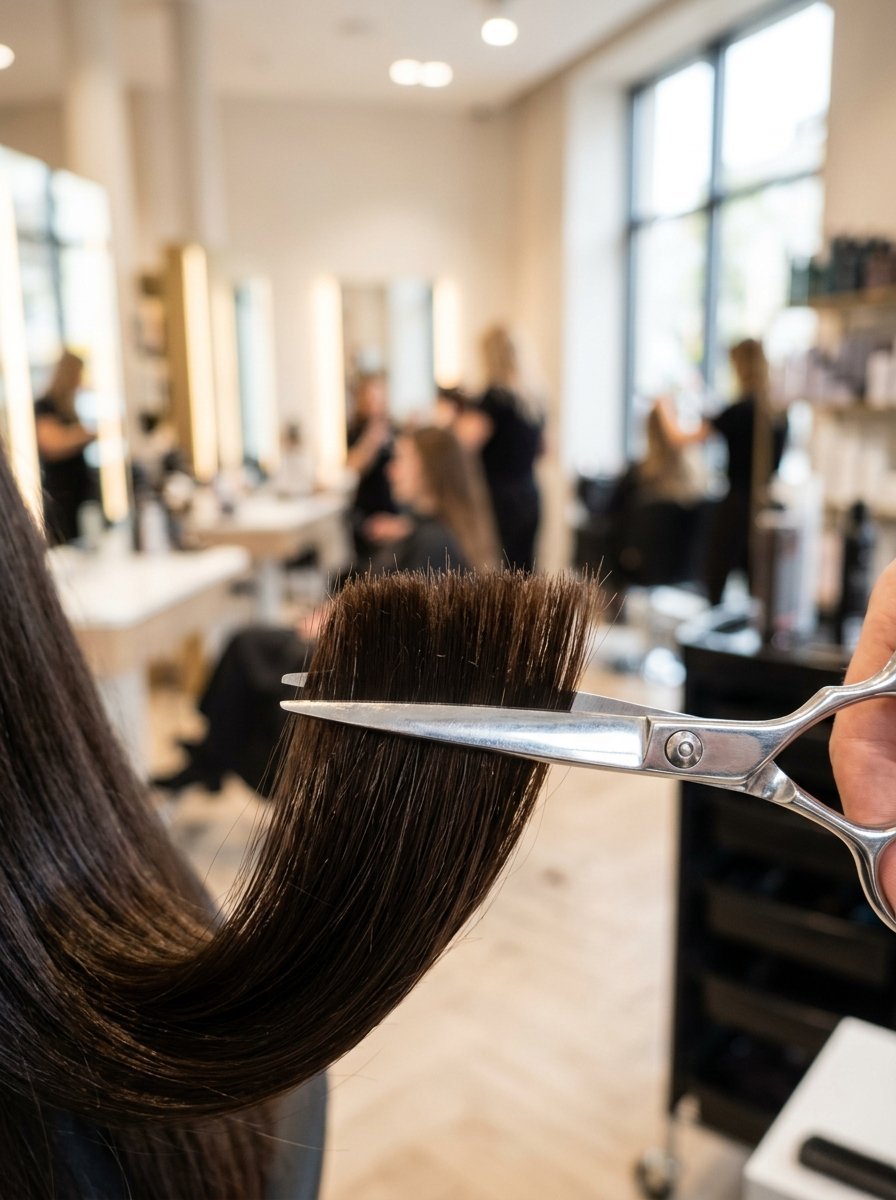
Many people avoid haircuts in winter. They want to keep their hair as long as possible for warmth. This is a very bad plan.
Dry air causes hair ends to split open. If you do not cut the split end off, the split travels up the hair shaft. It will break off higher up. You will lose more length eventually.
You need to get small trims every eight weeks. We name this dusting the ends. The stylist only removes a quarter of an inch.
I skipped trims for six months back in 2019. I thought my hair was growing so long. When I finally sat in the salon chair, the stylist showed me the back in a mirror. The ends were completely transparent and broken. She had to cut off five inches to make it look thick again. I figured out my mistake the hard way.
Tell your stylist exactly what you want. Say the word dusting. Watch them to make sure they do not cut too much. Getting regular trims makes your hair grow longer over time. The ends stay thick and blunt. Thick ends do not tangle easily. This saves you from ripping out knots with your brush. Hair care tips always include regular cutting for a reason.
10. Does drinking more water actually fix dry winter hair?

Products only fix the outside of your hair. Real hair health starts inside your body. Winter makes people drink less water. We drink hot coffee and hot tea instead. Coffee dehydrates the body quickly.
Your hair is the last part of your body to get water and nutrients. If you are dehydrated, your hair gets nothing. It grows out brittle and weak.
I forced myself to drink eighty ounces of water a day last January. The difference was huge. My scalp stopped flaking. My hair felt softer at the roots.
You also need internal healthy fats. Winter diets often lack fresh foods. I take Nutrafol Women Hair Growth Supplements. A bottle costs 88 dollars for a one-month supply. It contains marine collagen and ashwagandha. It makes hair grow faster and stronger. My ponytail felt noticeably thicker after four months. The downside is having to swallow four large pills every single day. The monthly cost is also very high.
Eat foods with high water content. Eat lots of healthy fats like avocados and salmon. These foods oil your scalp from the inside out. Your hair routines must include internal care. You cannot just put serum on dead hair and expect a miracle. Fix your diet and water intake first.
Frequently Asked Questions About Winter Hair Care
Can I walk outside with wet hair if I wear a warm hat?
No. Never walk outside with wet hair in freezing weather. The water inside your hair shaft will literally freeze into ice crystals. This expands the hair and shatters the cuticle. Your hair will break off completely. Always dry your hair one hundred percent before leaving your house.
Why does my hair get so staticky when I take off my winter sweater?
Sweaters are usually made of synthetic fibers or wool. When these fabrics rub against dry hair, they steal electrons. This creates an electric charge. Your hair strands repel each other and stand up. Using a leave-in oil and a boar bristle brush stops this from happening.
Are silk bonnets better than silk pillowcases for long hair?
Yes. A silk bonnet is much better. It traps your body heat inside. This creates a slightly humid environment for your hair all night long. It also stops your hair from rubbing against your shoulders while you sleep. Many people find bonnets uncomfortable though. A silk pillowcase is a great backup plan if you hate wearing things on your head.
Does indoor heating really cause hair damage?
Yes. Central heating removes almost all humidity from the air inside your home. The dry air pulls moisture straight out of your skin and hair to balance the room. This is why you get a dry throat and staticky hair in January. Running a humidifier puts water back into the air so it stops stealing from your hair.
Can I use body lotion on my hair ends to stop static?
You can do this in a true emergency. If you are at work and your hair is flying away, rub a tiny drop of unscented hand cream on your palms. Gently smooth it over your flyaways. Do not make this a daily habit. Body lotions have heavy waxes that coat the hair and cause dullness over time. Buy a real hair serum instead.
Final Thoughts on Your Winter Long Hair Routine

You have everything you need to fix your dry hair right now. I shared the exact steps that changed my hair completely. You know which products actually work and which tools to buy. The cold weather does not have to ruin your length anymore. Start with the pre-wash oil tonight. Buy a good humidifier for your bedroom. Switch to a microfiber towel after your next shower. These small daily choices pile up to massive changes. Your hair will stay soft, strong, and totally free of static. What step are you going to try first tonight? Tell me about your worst winter hair disaster in the comments below.

Sarah Mitchell — Founder & Editor-in-Chief
Sarah Mitchell is the founder and editorial voice behind Hair Level Up. A licensed cosmetologist with more than 15 years of experience, she has styled A-list celebrities for editorial shoots and red carpets, with work featured in Vogue, Elle, and Harper’s Bazaar. Early in her career, she trained under the legendary hairstylist Oribe in New York, an apprenticeship that still shapes her editorial eye today. Sarah founded Hair Level Up in 2020 after one bad haircut convinced her that women deserved a destination that felt like a magazine, taught like a stylist, and inspired like an art gallery. She oversees every story from concept to publication, guided by a simple belief: a good story teaches you something, but a great one makes you feel beautiful while it does.