
How to Blow Dry Fine Hair for Maximum Volume
Your fine hair elements often feel like a styling puzzle. You wash your hair, apply random styling creams, and spend twenty minutes pulling a round brush through your strands. By the time you step out the door, your hair sits flat against your scalp. It feels frustrating when your hard work deflates before lunchtime.
The problem lies in standard styling choices that weigh down individual hair strands. Fine hair requires specific mechanics to stand away from the scalp. You can change your styling results by shifting your preparation and styling angles. This approach turns flat hair into a bouncy, thick blowout that lasts for days.
You will learn exactly how to transform flat hair using a reliable preparation routine. This guide covers specific product weights, accurate rough drying percentages, and correct round brush angles. You will also discover how to use the cool shot button to lock in your bounce. These steps give you salon-grade fullness at home.
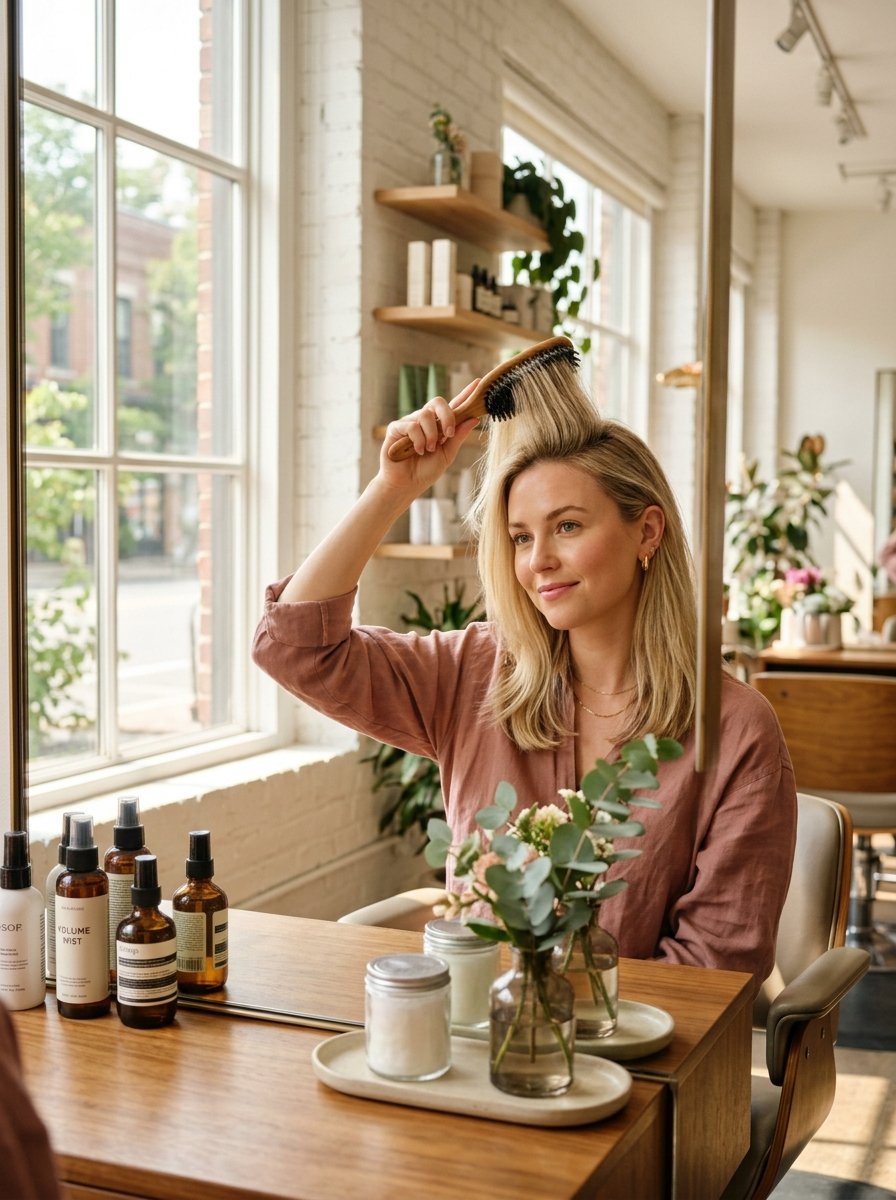
In my experience, changing your styling angle makes the biggest difference. I spent years styling my hair downward, wondering why my roots stayed flat. When I started lifting sections straight up toward the ceiling, my hair immediately gained lasting fullness. This guide shares those practical shifts so you can get identical outcomes.
Why does fine hair lose volume so fast?
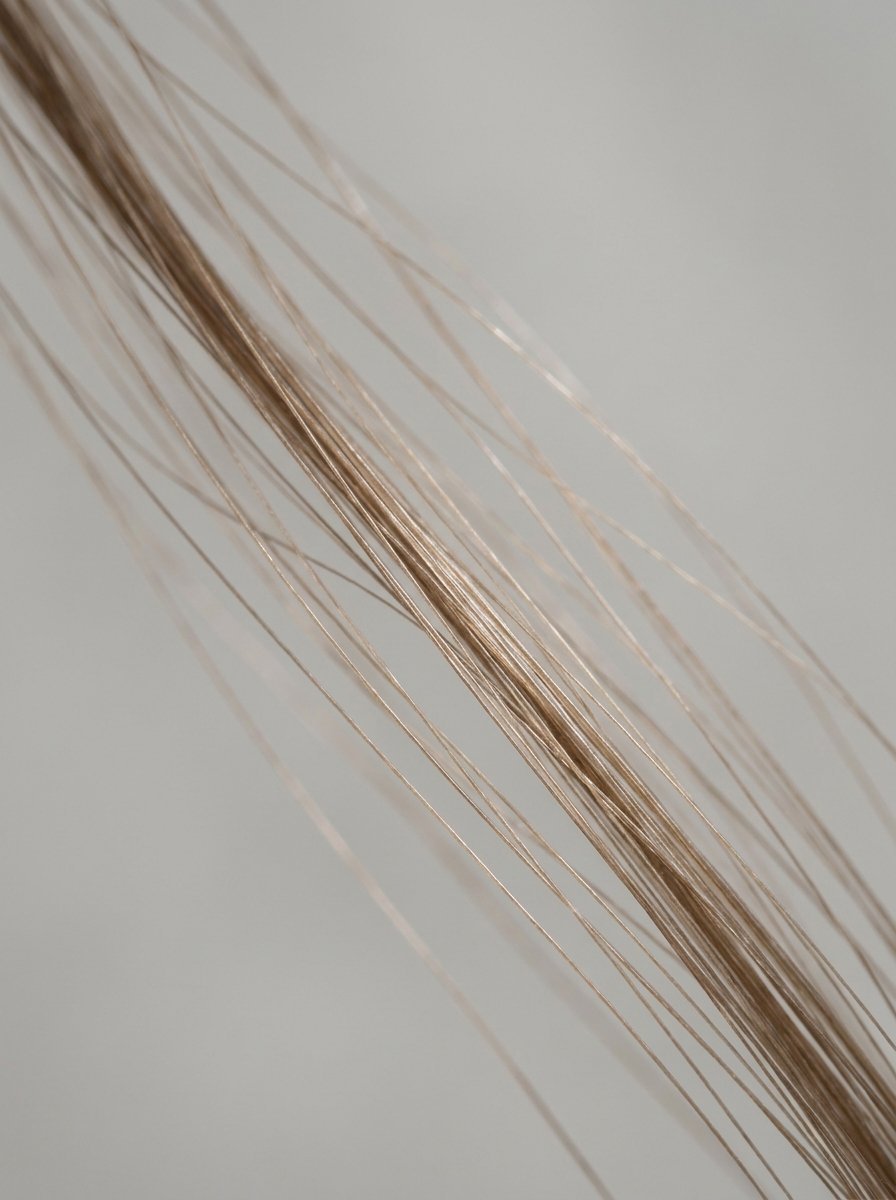
Fine hair feels soft because each strand has a small diameter. The individual cuticle layer contains fewer protein bonds to support weight. When natural scalp oils or heavy creams coat these delicate strands, gravity pulls them flat. Standard products create a heavy film that destroys your natural bounce within hours.
Traditional styling methods also cause early flattening. Pulling your hair straight down with a round brush trains your roots to lay flat against your head. Residual moisture acts as another major issue. If your strands contain even five percent moisture when you finish styling, your hair will collapse as soon as you step outside.
Choosing heavy moisturizing creams makes the issue worse. Fine hair needs light formulas that leave no residue behind. By switching to targeted volumizing products and lifting your roots, you give your hair the physical structure it needs to stay lifted all day.
What are the best pre-wash choices for fine hair?
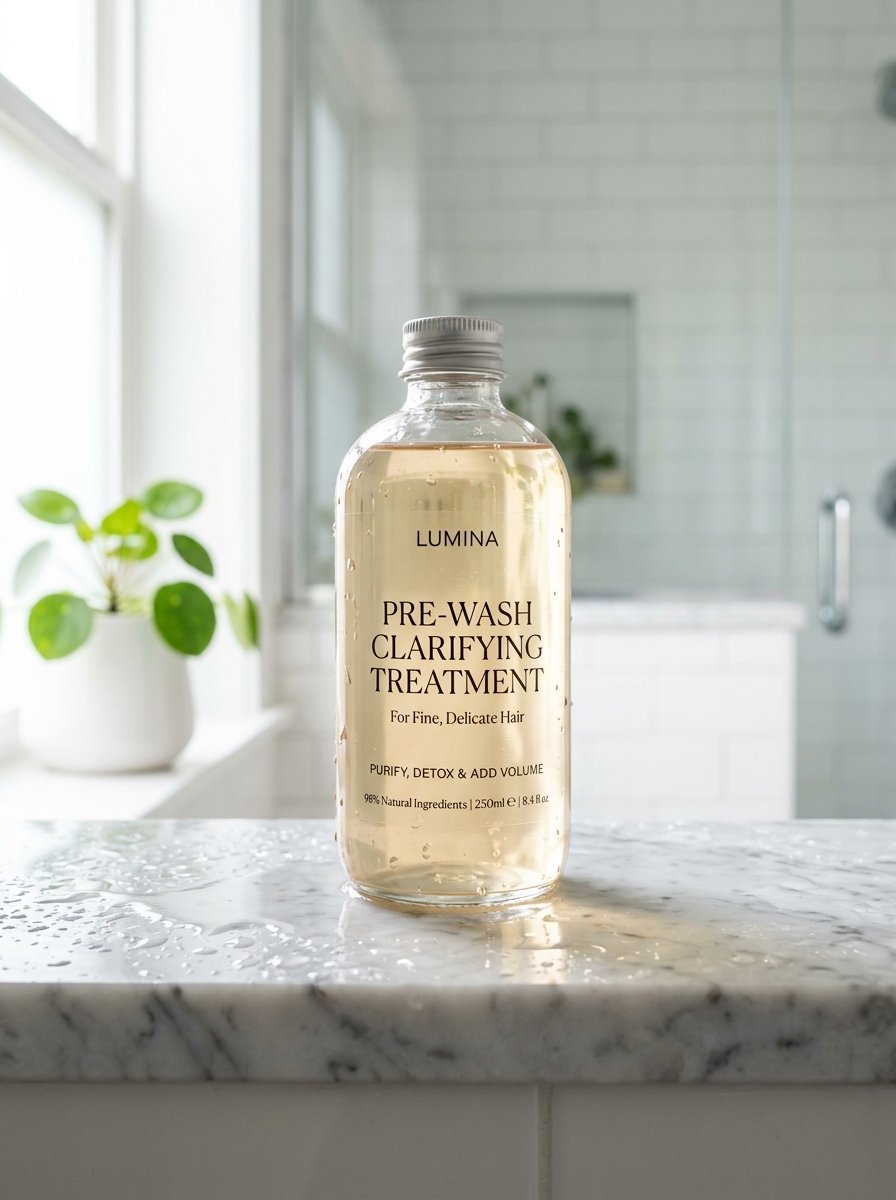
Your preparation starts before you turn on your blow dryer. Heavy daily conditioning builds up on fine strands, making volume impossible. A clarifying wash removes built-up minerals, styling oils, and silicones that flatten your roots. Using a clarifying treatment once a week keeps your hair light and responsive to styling.
When you wash, apply shampoo directly to your scalp where oil builds up. Avoid scrubbing your ends, as the running water cleans them sufficiently. Apply a lightweight conditioner exclusively from the mid-lengths to your ends. Keeping conditioner away from your roots ensures your scalp remains free from heavy coating agents.
I noticed a massive change when I switched to a lightweight, transparent shampoo. Creamy, pearlescent formulas often contain heavy oils that stick to fine strands. A clear, gentle formula lifts away impurities without leaving a flattening residue behind.
How do you choose the right volumizing products?
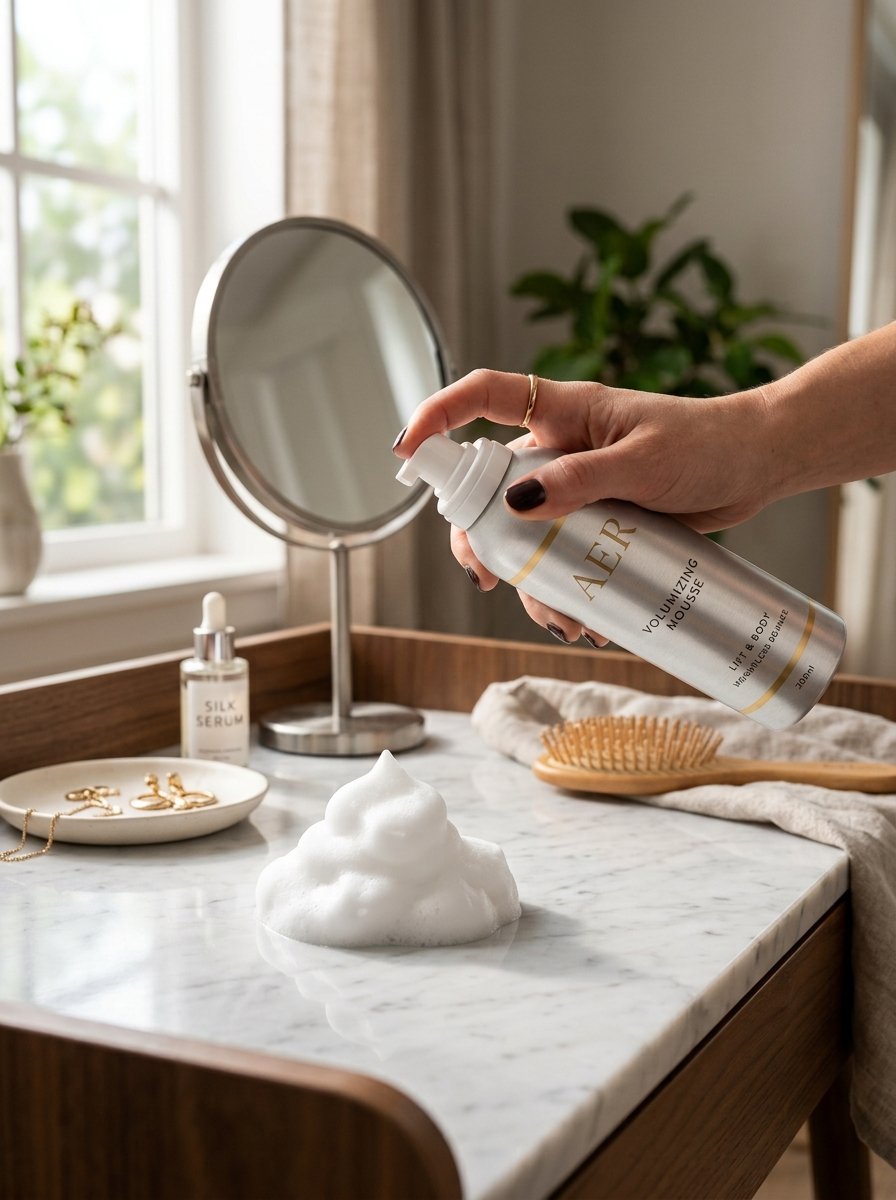
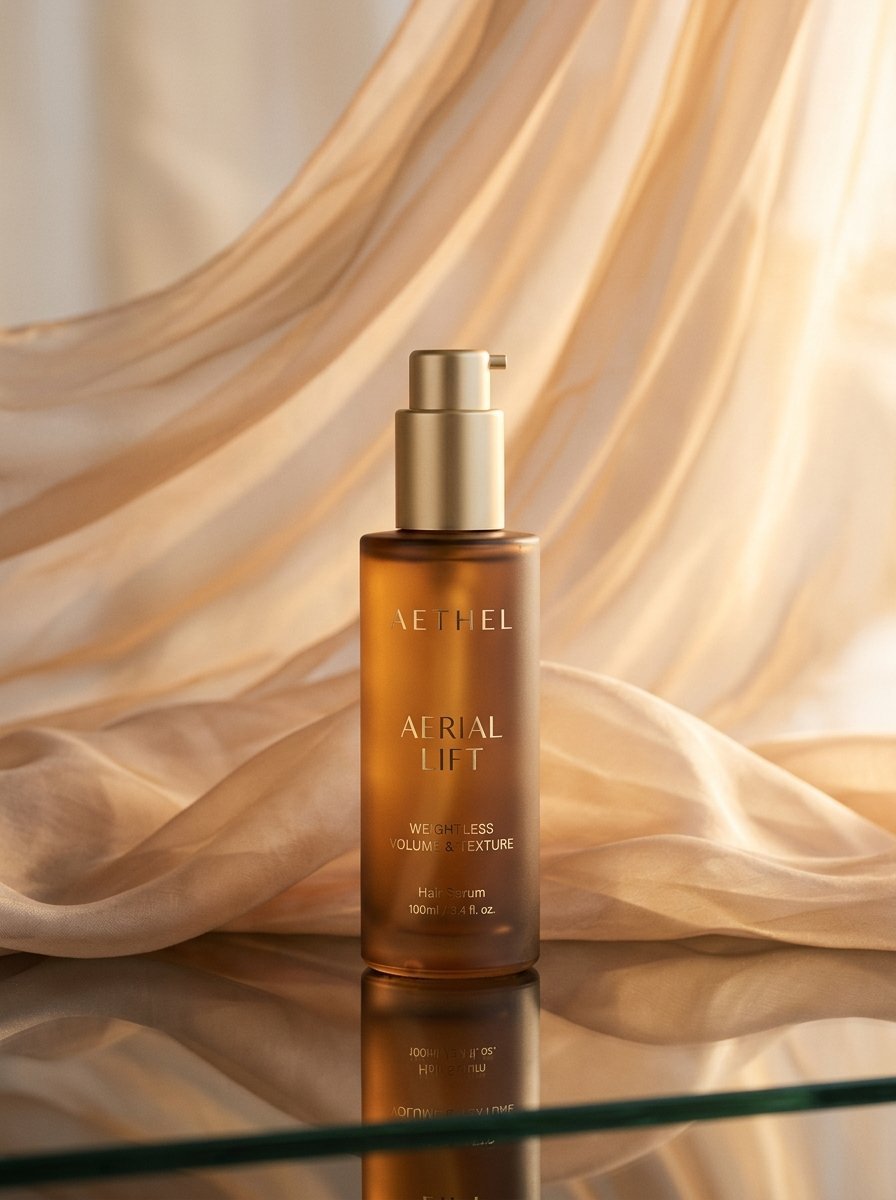
Fine hair demands specific styling products that add grip without stiffness. Thick creams or traditional silicone serums coat your strands, causing them to clump together and look sparse. Alcohol-free volumizing mousses and liquid root lifters work best because they expand the hair fiber cleanly.
Look for formulas containing hydrolyzed proteins or rice starch. These ingredients temporarily thicken individual strands, giving your hair better structure. Apply your chosen root lifter directly to damp scalp skin in neat sections to build a supportive base.
- Volumizing Mousse: Dispense an egg-sized amount and comb it evenly from your roots to your mid-lengths.
- Root Lifting Spray: Mist this formula directly onto your scalp along your parting lines for targeted lift.
- Thickening Spray: Spray this lightly through your mid-lengths and ends to add texture and grip.
Why is rough drying critical for maximum fullness?
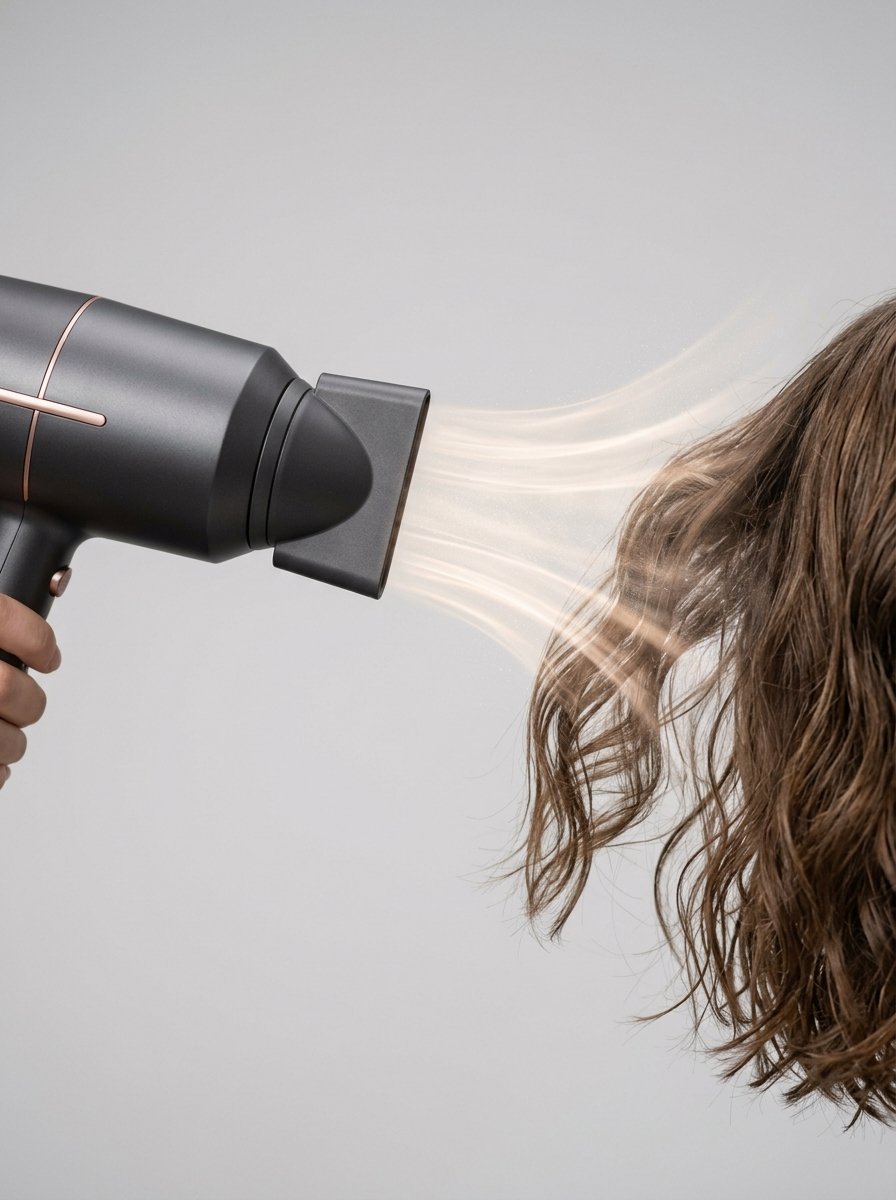
Never use a round brush on soaking wet fine hair. Wet strands are highly elastic and prone to snapping when pulled. Styling soaking wet hair also takes too long, exposing your strands to excessive heat damage while stretching out the follicle.
Rough drying removes eighty percent of the moisture before you introduce your styling brush. This step allows your hair to hold shape without unnecessary tension. Flip your head upside down during this phase to direct your roots away from your scalp.
Use your fingers to gently agitate your roots while directing the airflow from your dryer downward toward your ends. This action roughs up the root angle for better lift while keeping your hair cuticles smooth. Stop rough drying when your hair feels damp but no longer wet.
What tool selection works best for fine hair blowouts?
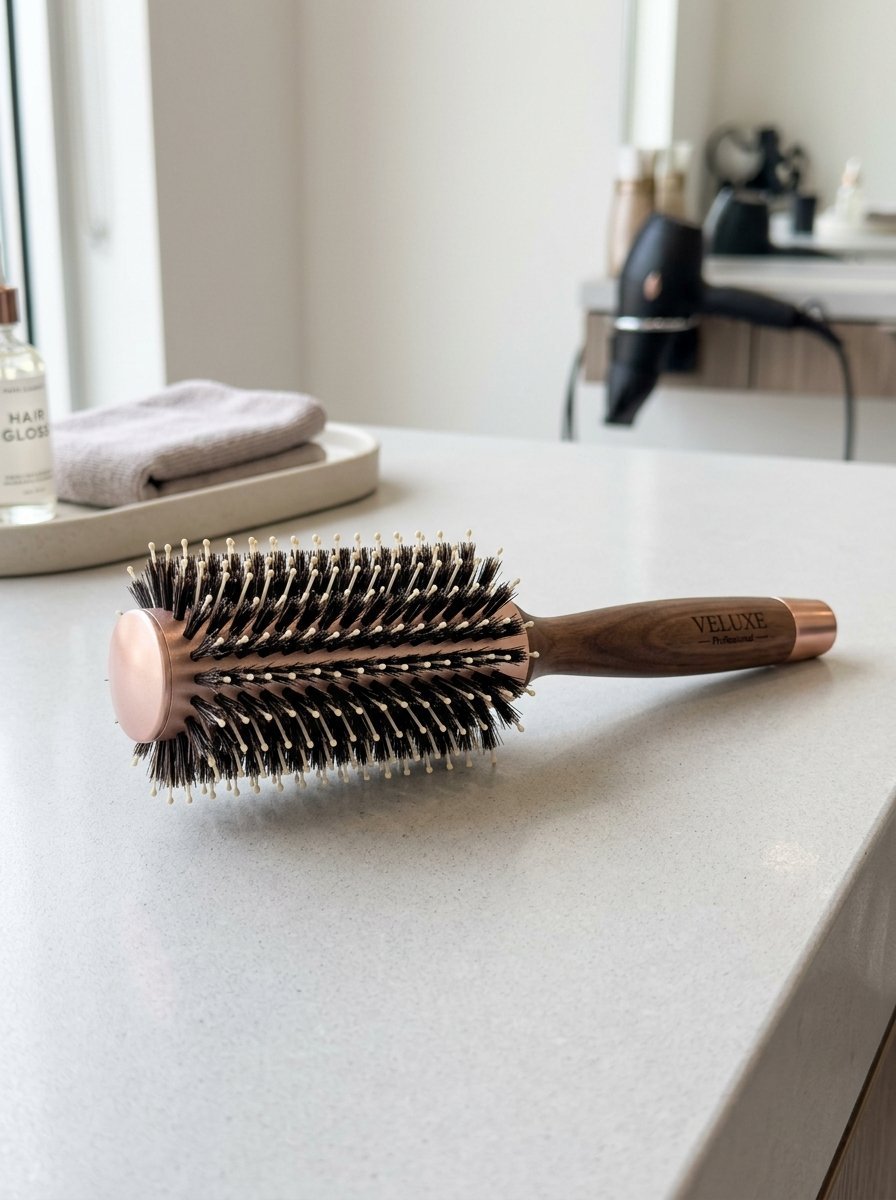
The wrong styling tools can easily flatten fine hair or cause breakage. Large, heavy ceramic brushes heat up too quickly, which can singe delicate strands. A medium-sized round brush with a mix of boar and nylon bristles provides the ideal balance of tension and safety.
Boar bristles grab fine strands gently, creating smooth tension that coaxes out shine. Nylon bristles help detangle without snagging your hair. Look for a brush with a ventilated barrel to let air pass through freely, reducing styling time.
Choose a professional blow dryer that includes a directional concentrator nozzle. This nozzle focuses the airflow, preventing your hair from blowing around randomly and tangling. Select a machine with adjustable heat settings and a responsive cool shot button to secure your finished style.
How do you section fine hair for styling control?
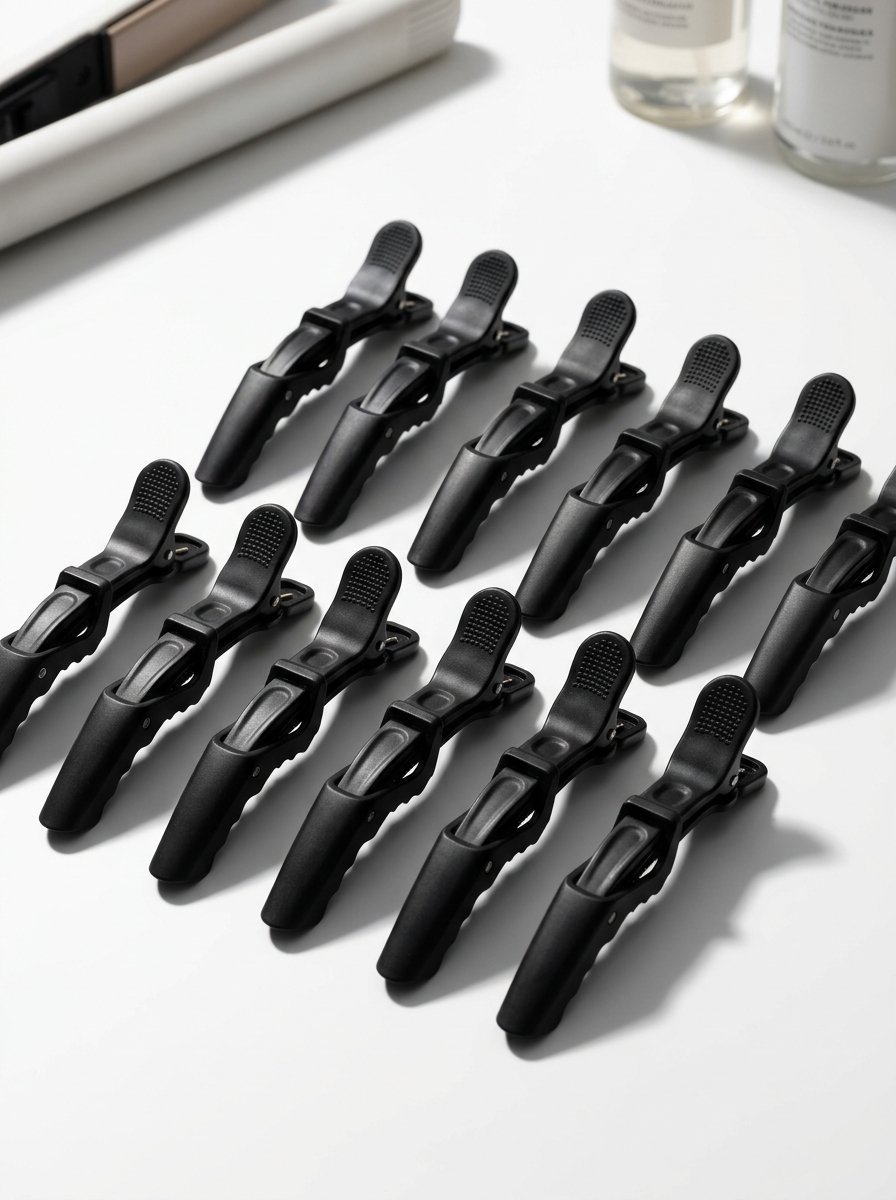
Styling large clumps of hair at once leads to uneven drying and a flat finish. Sectioning ensures every strand receives direct airflow and even product distribution. Divide your hair into four main quadrants using smooth styling clips.
Create a clean center parting from your forehead to the nape of your neck, then go from ear to ear. Work in small, horizontal sections within these quadrants, starting at the bottom of your head. Your sections should never be wider than the diameter of your round brush.
If your brush is two inches wide, keep your hair sections under two inches across. This sizing keeps your hair securely on the brush barrel, preventing strands from sliding off and tangling in the dryer nozzle.
What is the correct round brush technique for root lift?
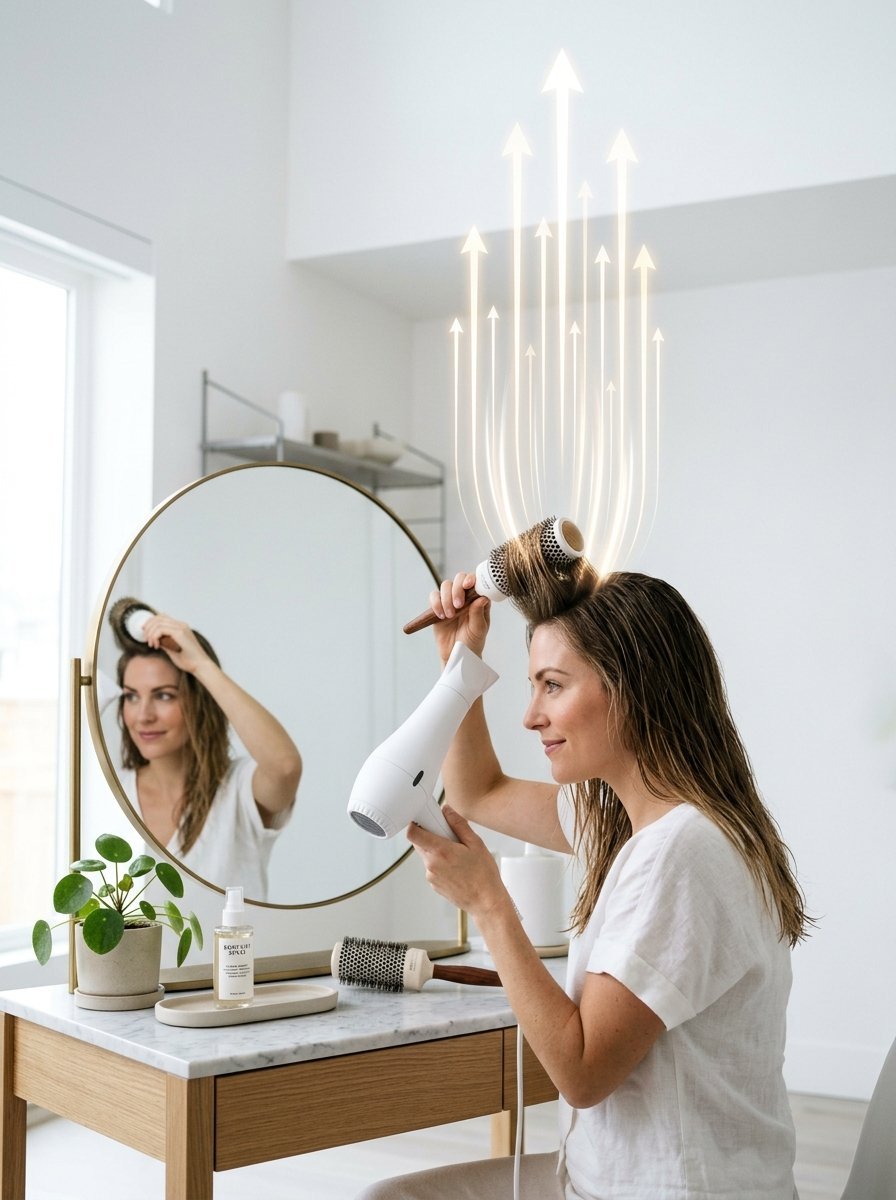
To get lasting body, you must change your styling angles. Place your round brush directly underneath your hair section, right against your scalp. Instead of pulling the brush down toward your shoulders, lift it straight up toward the ceiling.
Hold the blow dryer nozzle perpendicular to your brush barrel. Move both tools upward together in a smooth, continuous motion. This upward angle forces your roots to dry perpendicular to your scalp, creating instant volume.
Rotate the brush barrel slightly as you reach your ends to create a soft, polished curve. Repeat this motion three times per section to ensure the hair dries completely. Keep your movements steady to prevent unwanted frizz.
How does the cool shot button lock in your volume?
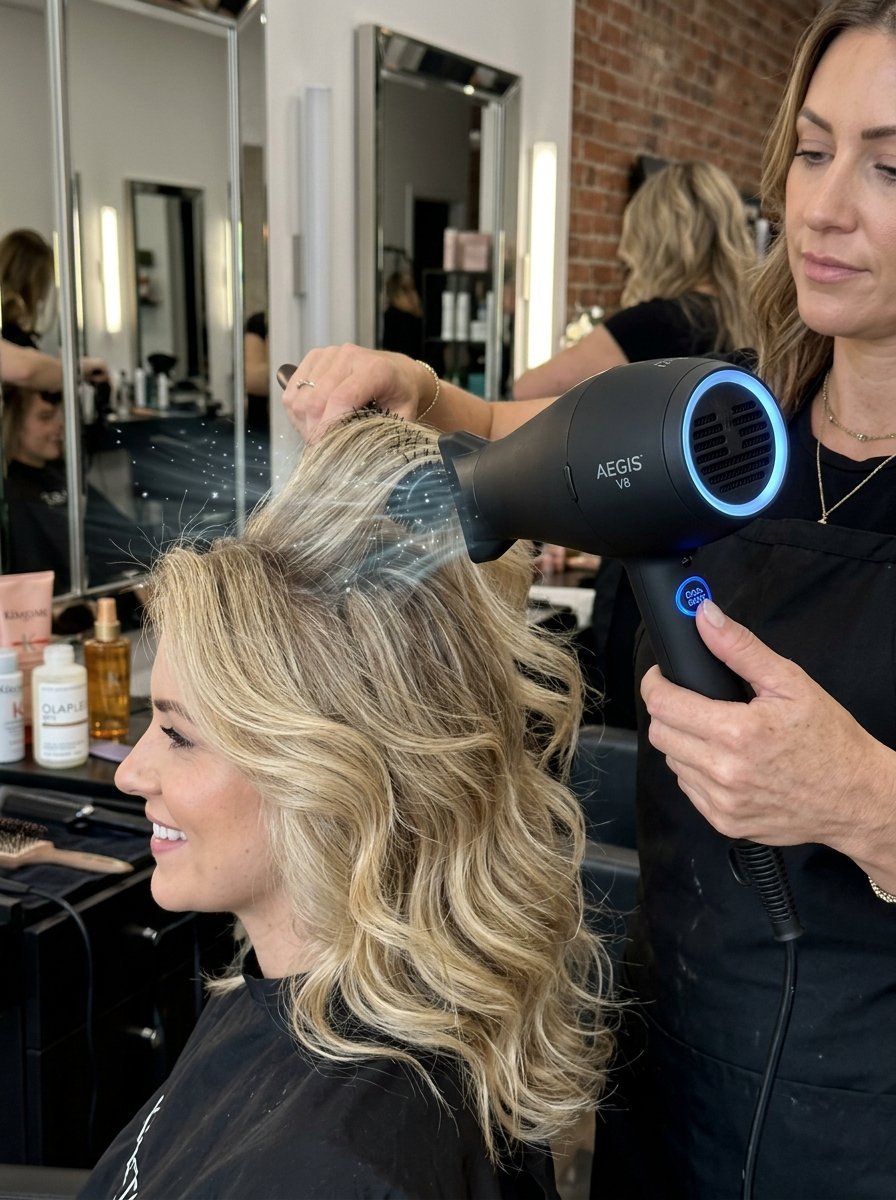
Heat softens the protein bonds in your hair, making your strands malleable enough to style. However, if you drop a hot section of hair immediately after drying, gravity will flatten it before it cools. The cool shot button solves this issue by freezing your hair bonds in their new shape.
Once a section of hair is fully dry, leave your round brush rolled tightly against your scalp. Press and hold your dryer’s cool shot button, directing the cold air over the rolled section for fifteen seconds.
This rapid temperature drop hardens the protein bonds around the shape of the brush. Gently unravel the brush after cooling to reveal a resilient, springy lift that resists sagging.
How do you use velcro rollers for extra bounce?
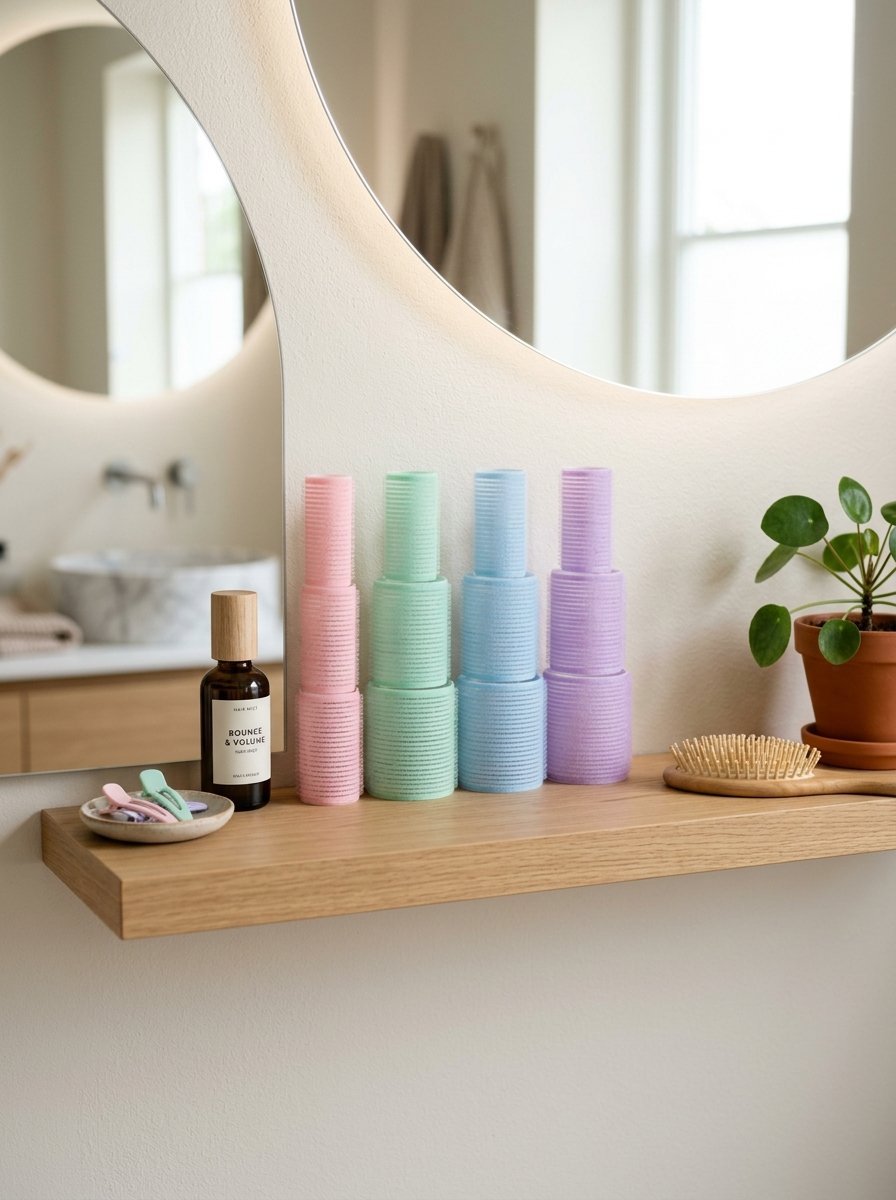
Velcro rollers offer an excellent way to boost your volume while your hair sets. They act as supportive place holders, keeping your roots lifted while you finish styling the rest of your head. Use medium or large rollers on warm, freshly dried sections.
Roll each section forward from the ends down to your scalp, making sure your hair remains smooth against the roller. Secure the base with a flat clip to prevent the roller from sliding out of place.
- Crown Placement: Place three large rollers at the top of your head, rolling them backward away from your face.
- Side Placement: Use medium rollers on the sides of your head, rolling them downward toward your ears.
- Cooling Time: Leave the rollers in place for twenty minutes until your hair cools completely.
How do you preserve your blowout overnight?
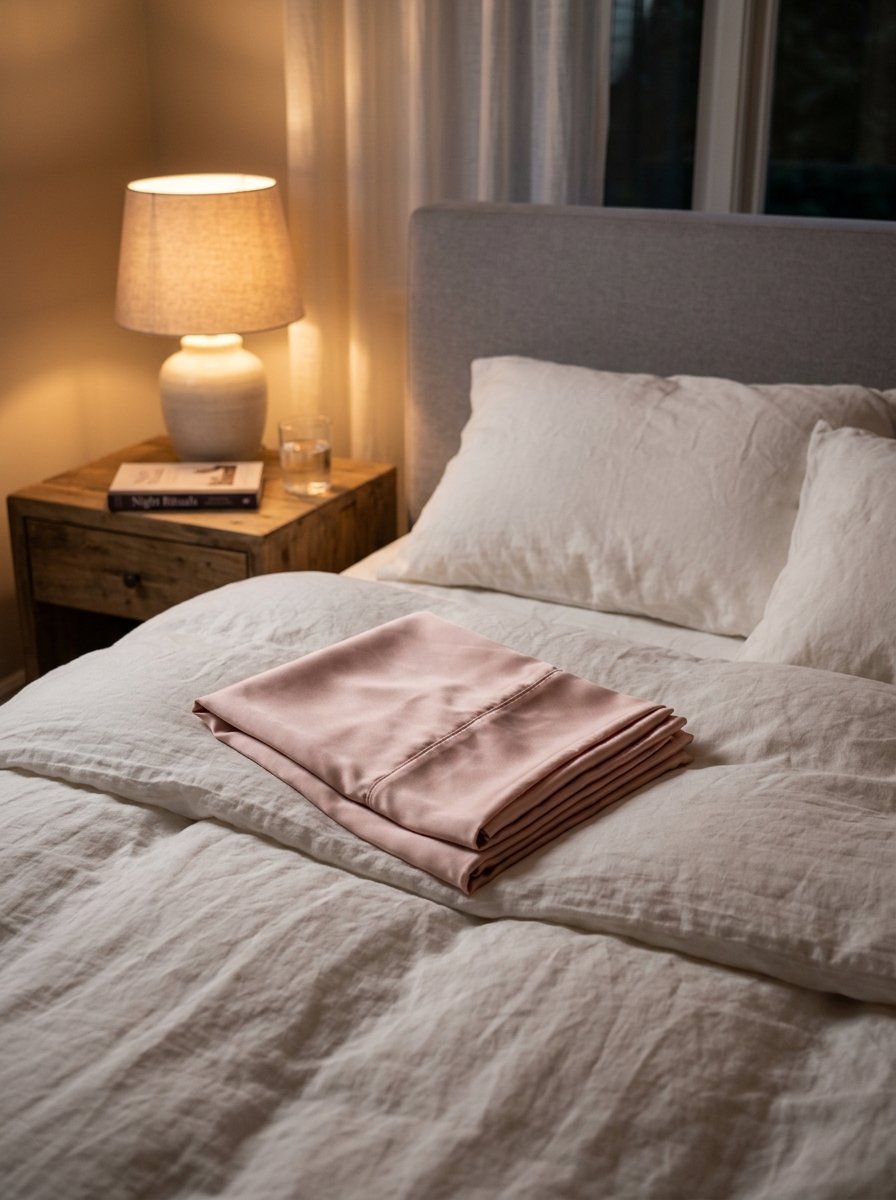
Protecting your volume while you sleep keeps your style looking fresh the next day. Tossing and turning on a traditional cotton pillowcase creates friction that flattens your roots and causes frizz. Switch to a silk or satin pillowcase to let your strands glide smoothly without snagging.
Gather your hair loosely at the top of your head before bed using a soft silk scrunchie. Loop the scrunchie once to avoid leaving a visible crease in your hair. This placement keeps your roots directed upward while you sleep.
Shake your hair out gently the next morning. If your roots look slightly flat, mist a small amount of dry shampoo through your crown and massage it in with your fingertips to restore your volume.
Product Comparison for Fine Hair Volume
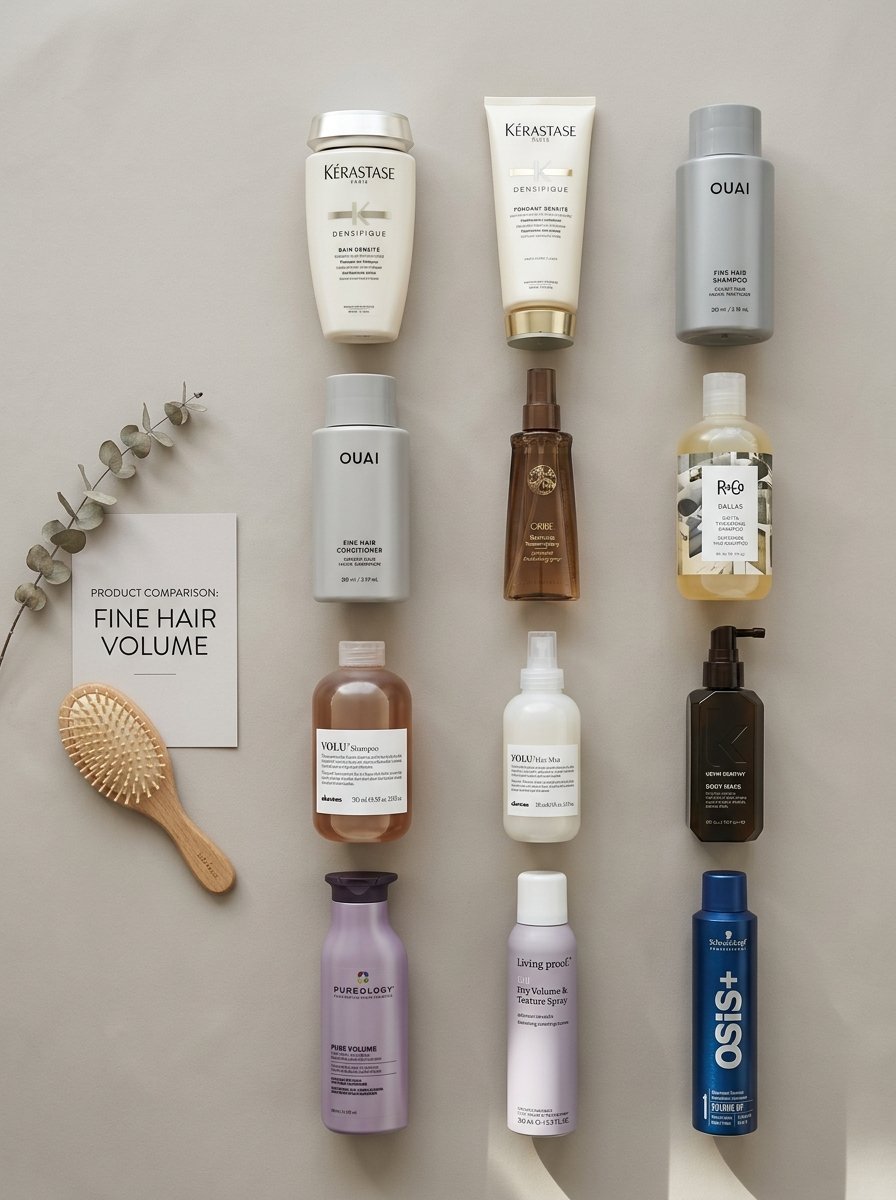
| Product Type | Best Application Area | Main Benefit | Texture Result |
| Clear Clarifying Shampoo | Scalp skin only | Removes flattening buildup | Clean and weightless |
| Lightweight Spray Foam | Wet roots | Targeted crown lift | Touchables structure |
| Rice Starch Dry Shampoo | Dry roots | Absorbs oil over time | Matte texture and grip |
| Ventilated Round Brush | Mid-lengths to ends | Provides smooth tension | High shine and curve |
Troubleshooting Common Blow Dry Failures
If your hair still goes flat quickly, you might be using too much product. Fine hair needs very little styling formula to get results. Try cutting your product amounts in half during your next styling session to see if your bounce improves.
Ensure your hair dries completely before you finish styling. Lingering dampness at the core of your hair section will cause your style to collapse within an hour. Take your time with each section, verifying that the strands feel completely dry and warm before moving on.
Avoid touching your hair too much throughout the day. Your fingers carry natural oils that easily transfer to your fine strands, weighing them down. Leave your styled hair alone to keep your volume intact.
Frequently Asked Questions
Why does my fine hair look frizzy after blow drying?
Frizz happens when your blow dryer airflow moves across your hair in random directions, lifting the cuticle layer. Always point your concentrator nozzle downward from your roots toward your ends. This direction keeps your hair cuticles flat, creating a smoother finish. Avoid using high heat settings on fine hair, as excessive heat strips away natural moisture and causes static.
Can I get volume without using a round brush?
You can get great volume by rough drying your hair completely upside down. Use your fingers to lift your roots away from your scalp while directing the airflow at your crown. Once your hair is dry, flip your head right side up and set your roots with a blast of cool air to lock in the lift.
How often should I use a clarifying shampoo on fine hair?
Use a clarifying shampoo once a week to prevent product buildup from flattening your strands. If you live in an area with hard water, you may want to use it twice a week to remove mineral deposits. Always follow up with a lightweight conditioner applied strictly to your ends.
Why do velcro rollers tangle in my fine hair?
Velcro rollers tangle when the hair section is wider than the roller itself, causing loose strands to wrap around the edges. Keep your sections narrow and comb through each one before rolling. Unroll them slowly and gently without pulling or yanking to avoid tangles.
Is high heat safe for drying fine hair?
High heat can damage fine hair quickly because each strand is thin and delicate. Use medium heat settings for your actual styling work, and save the high heat for stubborn areas like your front hairline. Always use a lightweight heat protectant spray before drying to shield your strands from damage.
How do I stop my hair from going flat in high humidity?
Humidity introduces extra moisture into the air, which breaks down your styled hair bonds. Use a lightweight, weather-proofing finishing spray after styling to block out environmental moisture. Look for formulas that offer humidity protection without using heavy silicones.
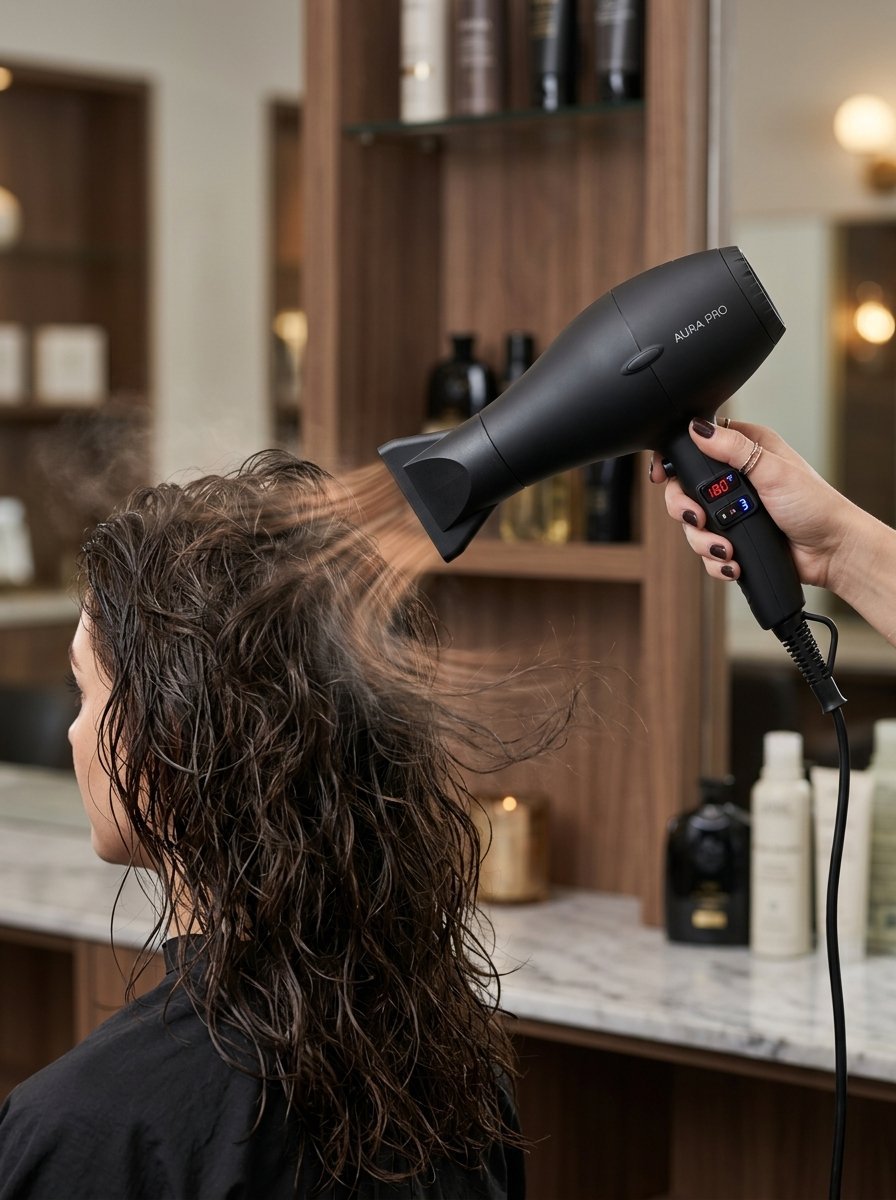
Your fine hair can hold impressive volume when you use the right approach. Focus on thorough preparation, lift your sections straight up while drying, and use your cool shot button to lock in the shape. These practical shifts will help you create a beautiful, full-bodied blowout that lasts.

Sarah Mitchell — Founder & Editor-in-Chief
Sarah Mitchell is the founder and editorial voice behind Hair Level Up. A licensed cosmetologist with more than 15 years of experience, she has styled A-list celebrities for editorial shoots and red carpets, with work featured in Vogue, Elle, and Harper’s Bazaar. Early in her career, she trained under the legendary hairstylist Oribe in New York, an apprenticeship that still shapes her editorial eye today. Sarah founded Hair Level Up in 2020 after one bad haircut convinced her that women deserved a destination that felt like a magazine, taught like a stylist, and inspired like an art gallery. She oversees every story from concept to publication, guided by a simple belief: a good story teaches you something, but a great one makes you feel beautiful while it does.