The Ultimate Guide to Fine Hair Styling Trends
Many people struggle with fine flat hair that loses volume before lunchtime. You style it, use hairspray, and twenty minutes later it feels flat. In my years of styling hair, I have seen this cycle frustrate hundreds of people. The problem is not your hair. The problem is using cuts and techniques meant for thicker strands. Fine hair needs specialized approaches to look full. This year, the hair world shifted toward texture, strategic layers, and lightweight shapes that give natural body without heavy products. You can make fine strands look thick, bouncy, and full of life.
Executive Summary
Fine hair requires specific cutting styles and lightweight care to prevent flatness. This guide covers the top nine styling trends dominating salons today. You will learn about the revival of the 90s haircut, the low-maintenance pixie bob, and the magic of light bangs. We evaluate real tools like the Dyson Airwrap and Living Proof Full Dry Volume Blast. We also break down exact step-by-step styling processes, common mistakes like over-washing, and troubleshooting tips for rainy days. Whether you want a chic short hair look or a modern layered cut, these strategies will revive your flat hair.
1. Short Layered Haircuts
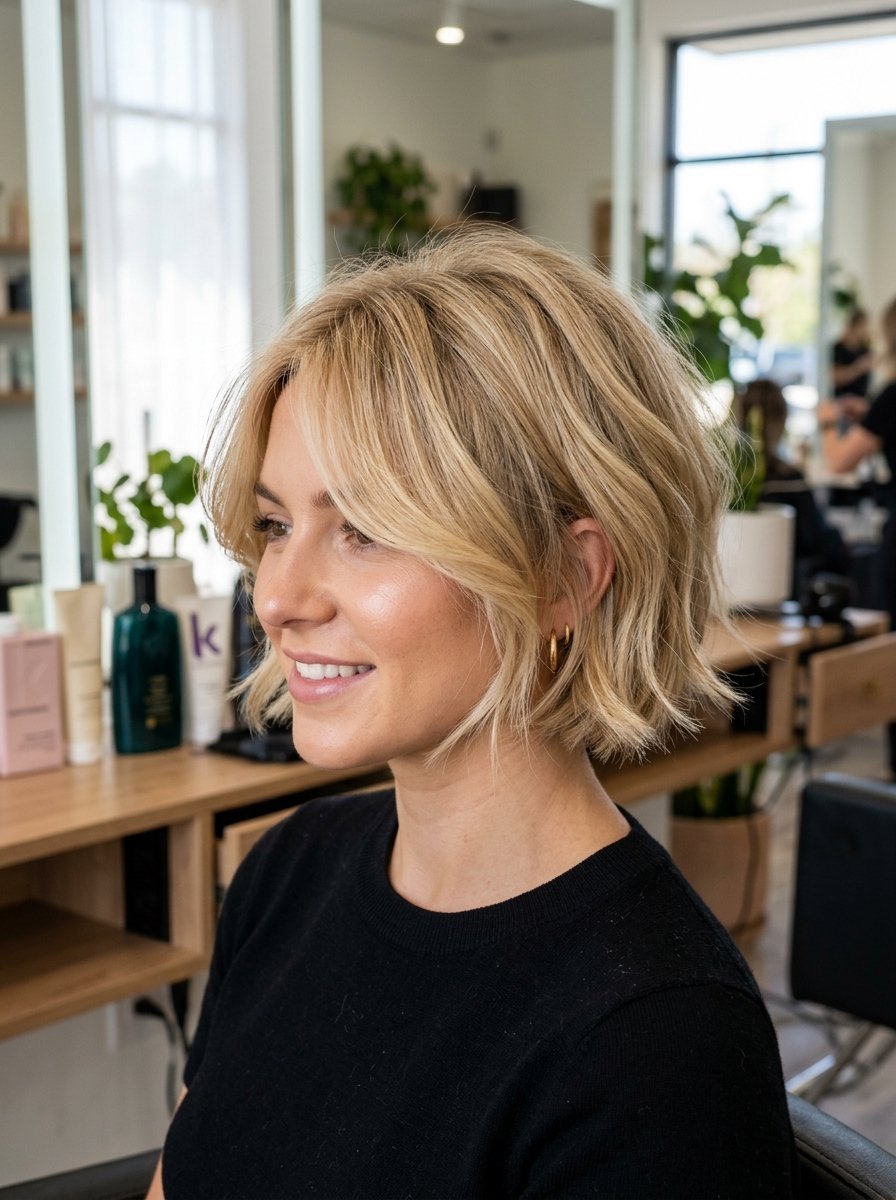
Short layered haircuts are the ultimate solution for fine hair lack of volume. When hair is all one length, the weight pulls it down, exposing the scalp and making it look thin. Strategic layers remove weight from the canopy, allowing the bottom hair to pop upward.
In my experience, internal layering works best. This technique involves cutting shorter pieces hidden beneath the top section to act as a scaffolding that props up the longer layers. Last month, a client came to me with limp, shoulder-length hair. We cut it into a structured short layered bob, and the immediate bounce made her hair look twice as thick.
The Step-by-Step Styling Method
- Wash hair with a weightless, clarifying shampoo.
- Apply a golf-ball-sized amount of volumizing mousse to damp roots.
- Flip your head upside down and blow-dry until eighty percent dry.
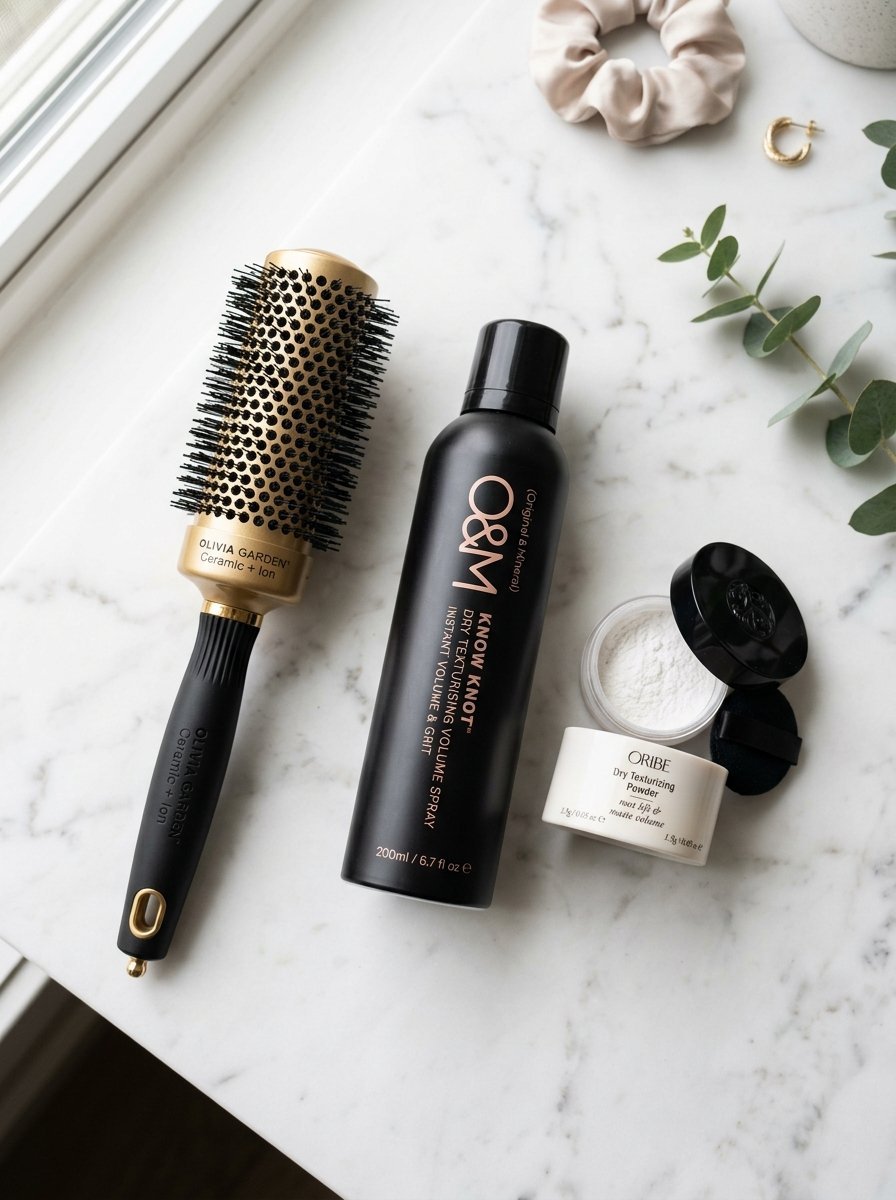
- Use a medium ceramic round brush to lift sections straight up from the scalp.
- Direct the airflow from root to tip to seal the cuticle and add shine.
- Finish with a cool blast of air to lock the lift in place.
2. 90s Haircuts

The 90s haircut revival is excellent news for fine flat hair. Think fluffy, bouncy layers that frame the face. The modern take uses softer perimeters so the hair does not look stringy. This style relies on round shapes to create the illusion of density.
I have seen people worry that long layers will thin out their ends. The secret is keeping the baseline blunt while layering the pieces around the face. This creates a strong foundation so the perimeter looks thick, while the shorter face-framing pieces offer movement and volume.
3. Pixie Bob Haircut
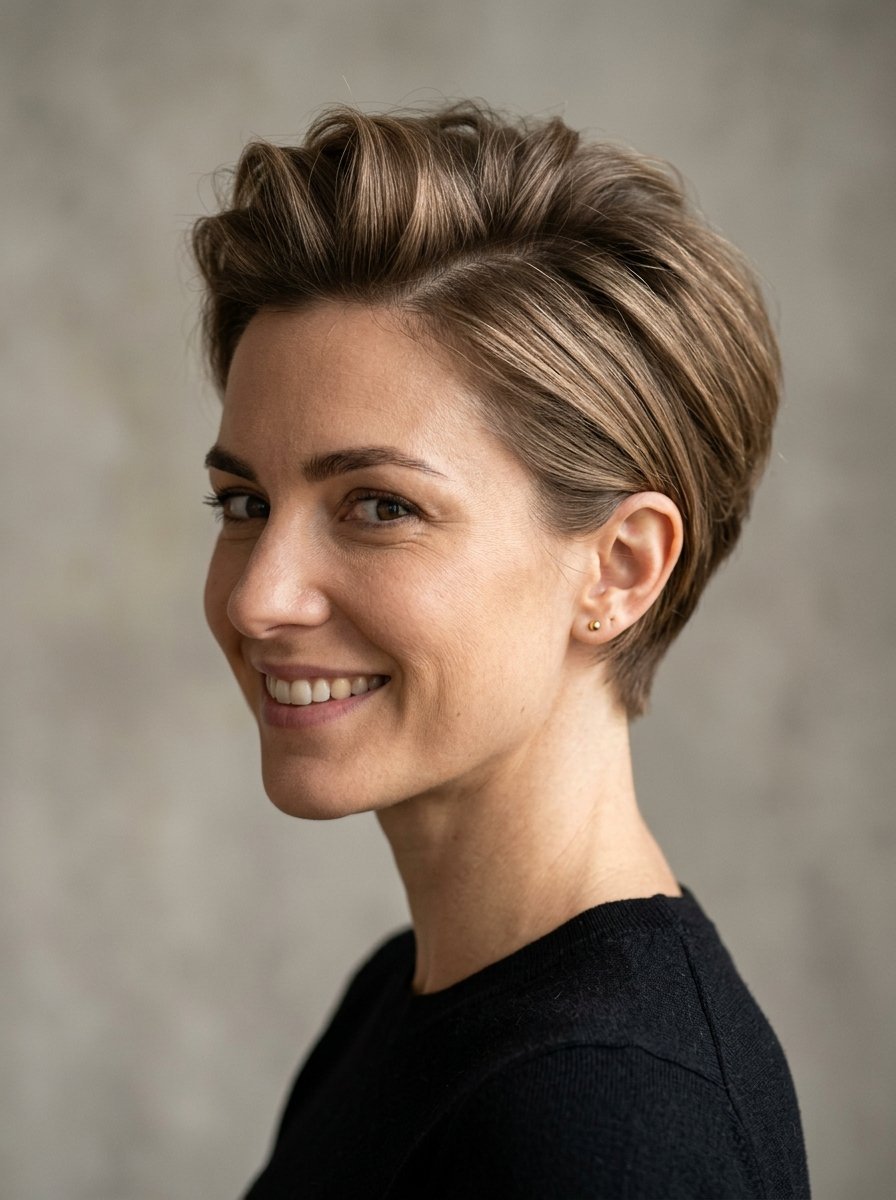
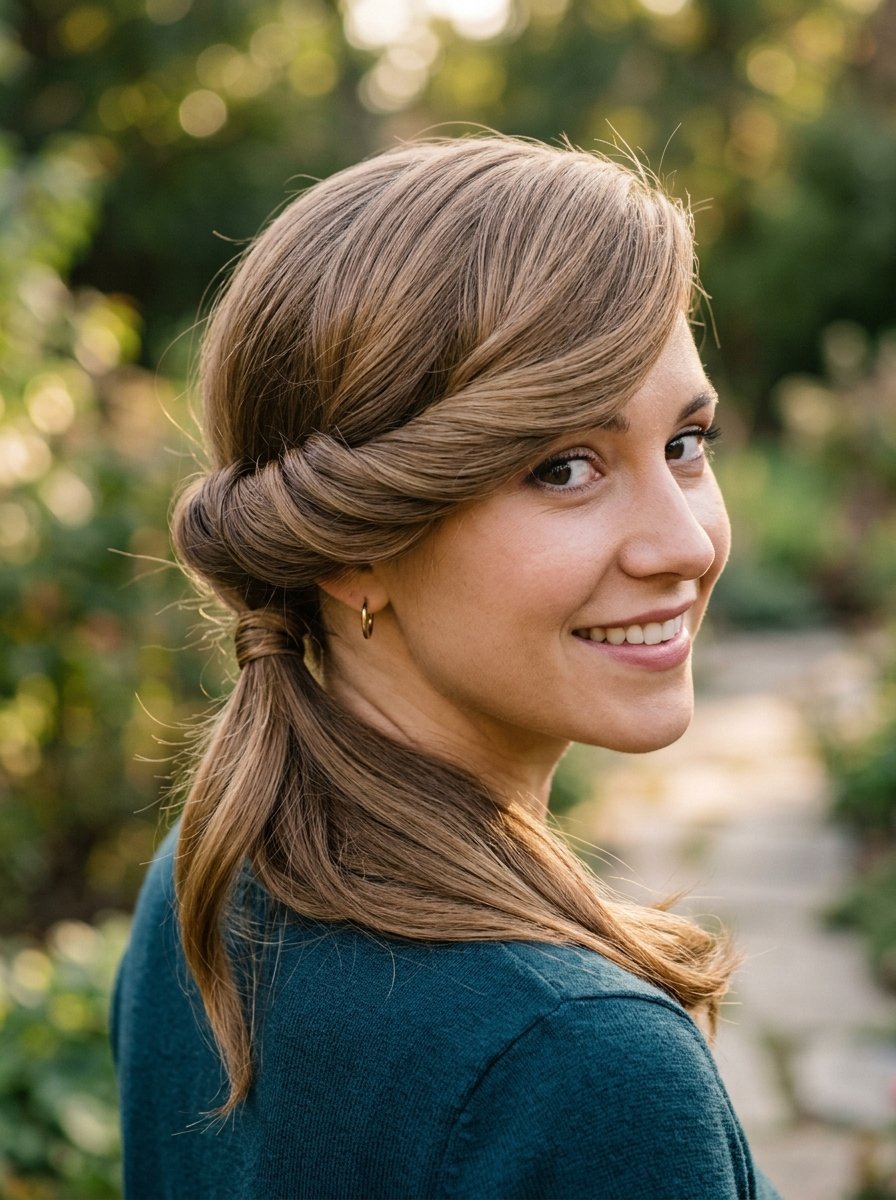
The pixie bob haircut is a hybrid style that offers the fullness of a pixie with the face-framing framing benefits of a bob. It features a cropped back that builds immediate height at the crown, while the sides remain long enough to tuck behind the ears.
This cut is a savior for flat hair because it concentrates the bulk of the hair at the back of the head. I recommend this style for busy professionals who want an elegant look without spending forty minutes with a blow dryer every morning.
4. Light Bangs

Heavy, thick bangs drain fullness from the rest of your hair. Light bangs offer the opposite effect. They frame the eyes, add interest to the front, and require very little hair from the crown.
Wispy fringe or curtain bangs work beautifully here. They create a focal point at the face, drawing attention away from any thinness at the crown. In my experience, cutting light bangs immediately updates your style without sacrificing the overall thickness of your length.
5. Chic Short Hair
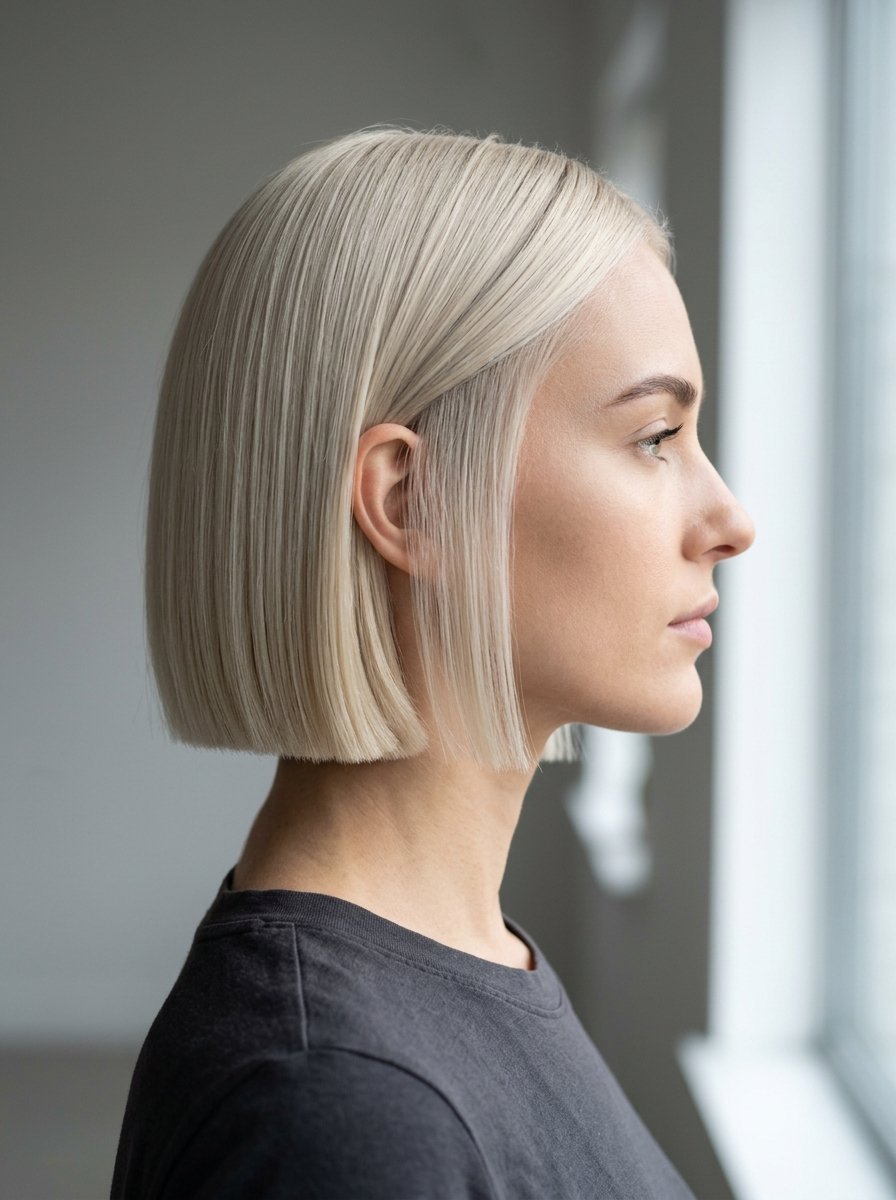
Chic short hair options like a blunt chin-length bob create a razor-sharp perimeter that makes fine hair look incredibly dense. When you cut fine hair perfectly straight across, every strand aligns to create a solid line of weight.
Avoid texturizing shears on the ends of short cuts. Texturizing thins out the baseline, which defeats the purpose. Keep the edges crisp, solid, and blunt for the most impactful look.
6. Pixie Haircut Fine Hair
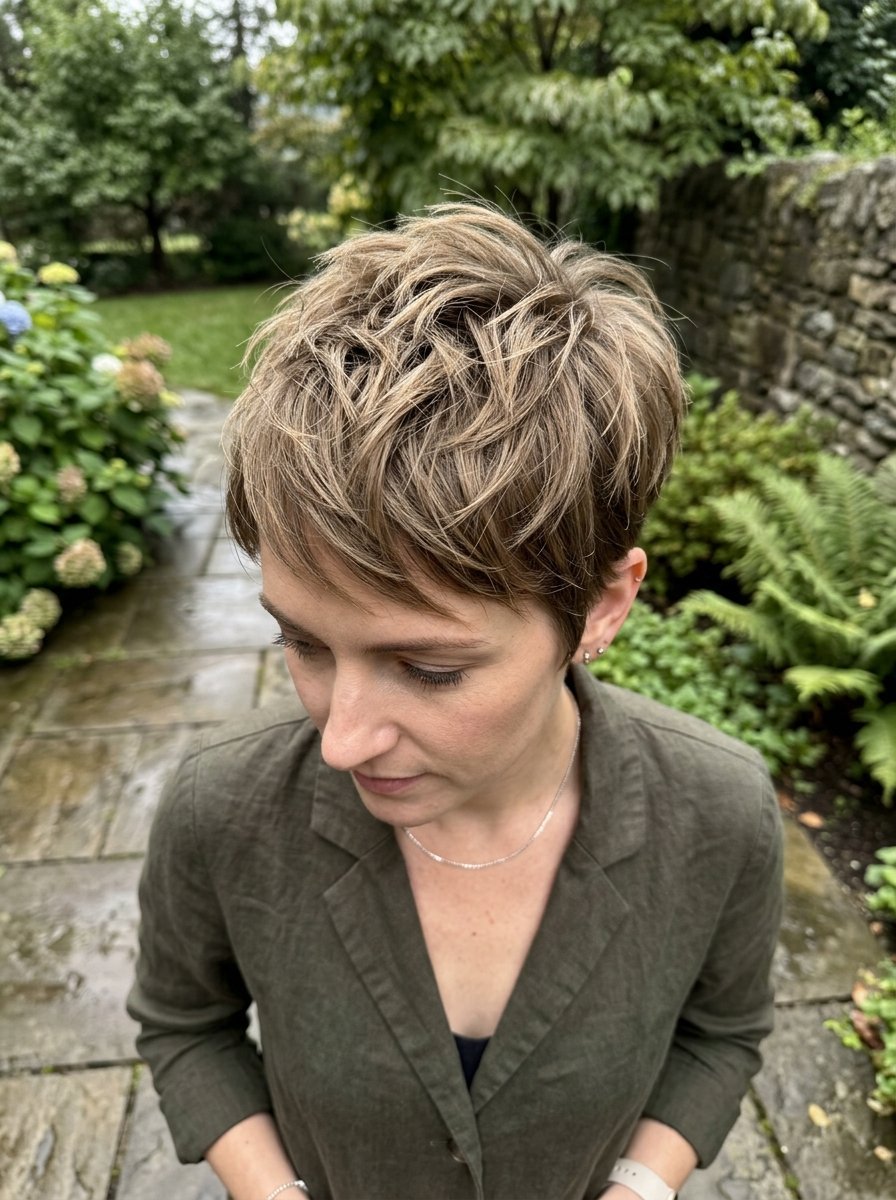
A true pixie haircut fine hair variation uses short, piecey sections to eliminate weight entirely. Without length pulling the hair down, fine strands stand up easily, creating natural height and texture.
Many people fear a pixie cut will look flat, but the opposite is true. Shorter hair is lighter, meaning it responds better to texturizing powders and pomades. It allows you to sculpt shapes that stay put all day long.
7. Fine Flat Hair Solutions
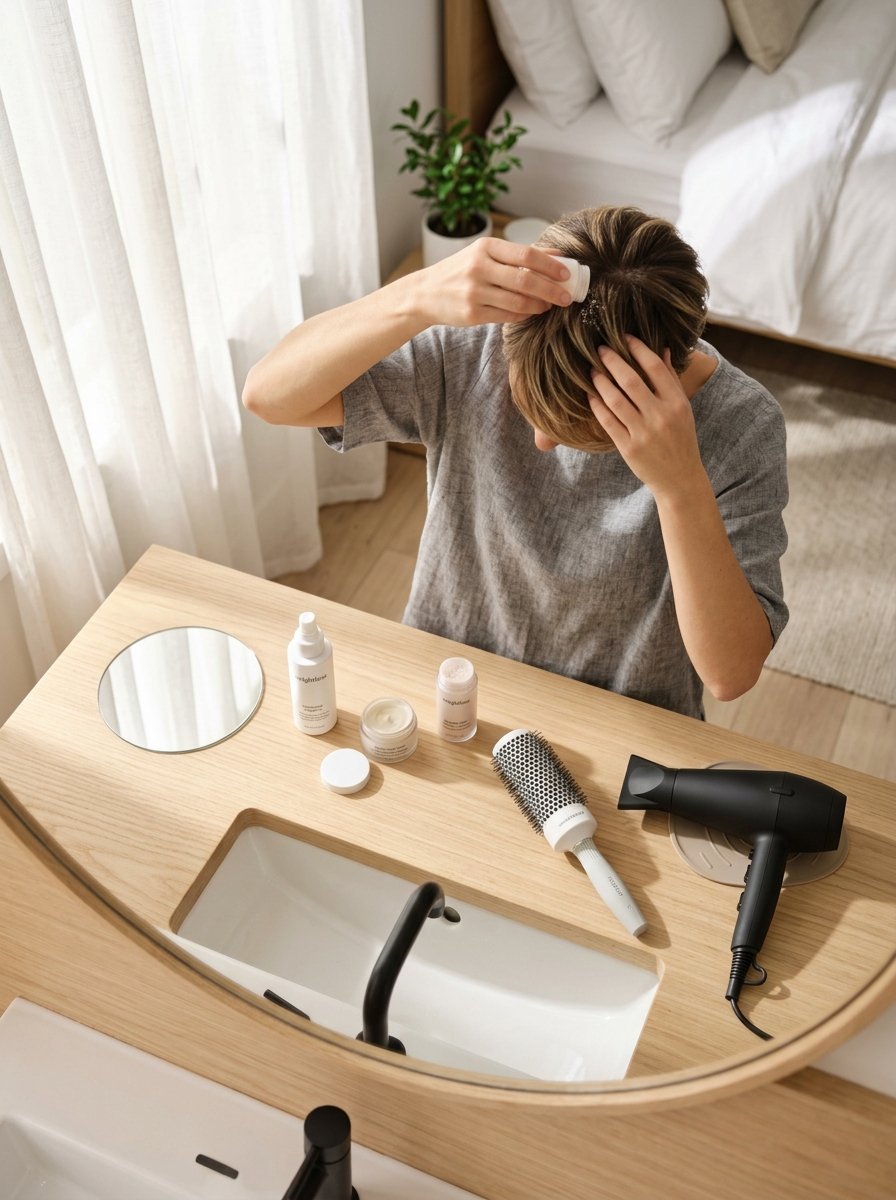
Managing fine flat hair requires a total rethink of your washing and conditioning routine. Heavy moisture is the enemy of volume. Switch to formulas designed to deposit zero weight while removing excess scalp oils.
Pro Tip: Only apply conditioner from the mid-lengths to the ends. Never let conditioner touch your scalp, as it clogs follicles and weighs down the roots before you even start styling.
8. Latest Short Haircuts
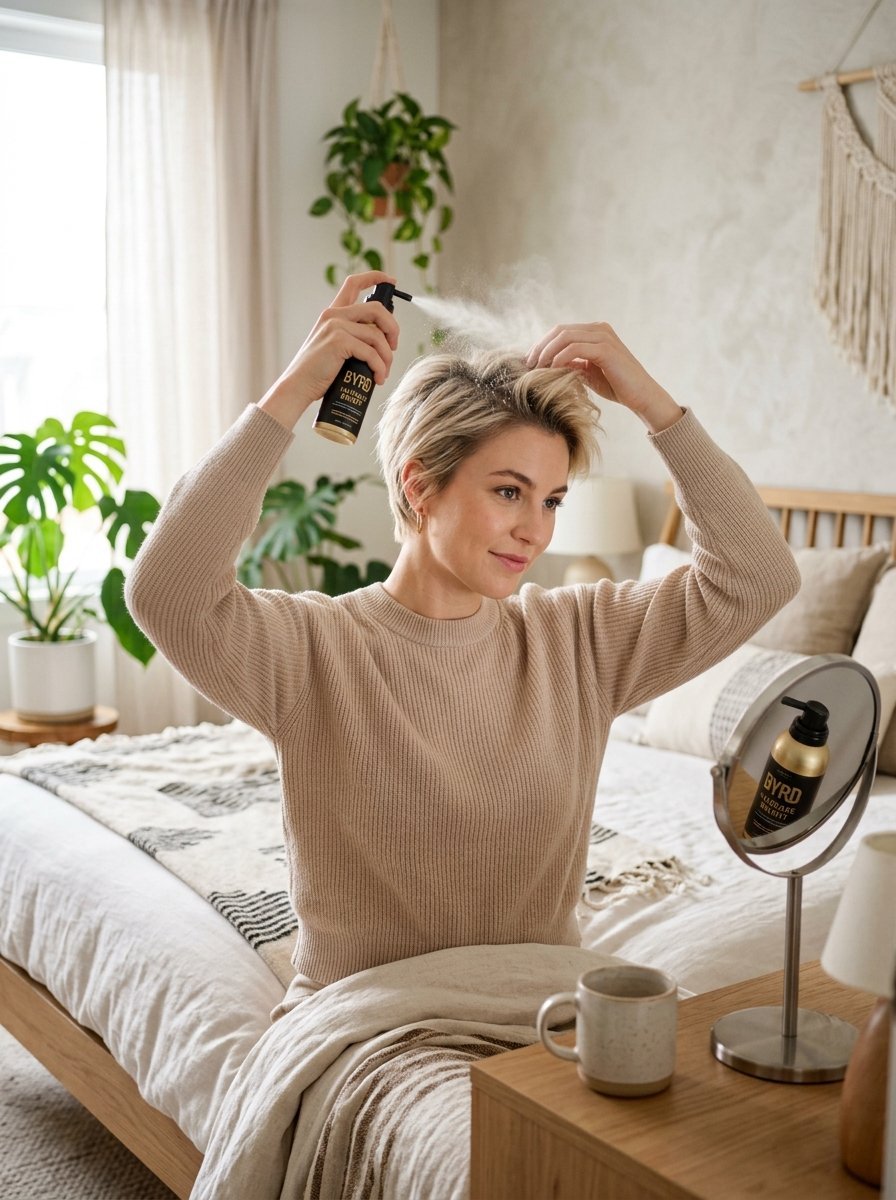
The latest short haircuts utilize disconnected lengths to build height. This means the top sections are cut independently of the lower sections, creating a step effect that adds instant structural bulk to flat crowns.
This approach works wonders for people who want edge and texture without using crunchy hairsprays. The haircut does the work so your styling tools do not have to.
9. Short Feminine Haircut Fine Hair

A short feminine haircut fine hair style relies on soft edges, side-swept bangs, and tapered necklines. It avoids harsh, masculine lines by keeping the top long enough to curl, wave, or style with soft texture.
This style provides a beautiful balance of ease and elegance. It allows fine hair to move naturally without looking limp or sparse.
Fine Hair Styling Product Comparison
| Product Name | Product Type | Primary Benefit | Best For |
| Living Proof Full Volume Blast | Spray | Instant dry texture | Day two styling |
| Dyson Airwrap | Tool | Low heat volume | Damage-free bounce |
| Kevin Murphy Powder Puff | Powder | Root lift and grit | Pixie styles |
| Bumble and Bumble Surf Spray | Salt Spray | Matte separation | Short layered cuts |
| Biolage Volume Bloom Shampoo | Shampoo | Plumps hair fibers | Daily washing |
| Oribe Maximista Spray | Lotion | Heat-activated hold | Blowouts |
Common Fine Hair Mistakes to Avoid
- Over-washing with harsh sulfates that strip natural oils, causing the scalp to overproduce sebum.
- Using heavy oils, silicones, or deep conditioning masks near the root area.
- Blow-drying hair completely flat downward instead of lifting sections upward.
- Applying too much product, which overloads the fine strands and collapses the style.
- Skipping regular trims, leading to split ends that make the hair look thin and ragged.
Fine Hair Troubleshooting Guide
Dealing with Rainy Day Flatness
High humidity introduces moisture back into the hair shaft, breaking the hydrogen bonds set during styling. To combat this, prep damp hair with an anti-humidity seal spray like Color Wow Dream Coat before blow-drying. Carry a dry texturizing powder in your bag to revive flat roots on the go without adding weight.
Reviving Day Two Hair
Avoid washing fine hair every single day. Instead, apply a lightweight dry shampoo to your roots before bed. This allows the powder to absorb oils overnight as you sleep. In the morning, flip your head upside down and massage the scalp to activate the volume. Use a wide-tooth comb instead of a brush to preserve natural texture.
Frequently Asked Questions
How often should I cut fine hair to maintain volume?
You should trim fine hair every six to eight weeks. Because the strands are delicate, they split easily. Split ends travel up the hair shaft, making the ends look transparent and thin. Frequent trims keep the perimeter sharp, thick, and healthy.
Will getting layers make my fine hair look thinner?
Too many layers can make the ends look stringy. However, strategic interior layers or face-framing layers build volume by removing heavy weight. The key is keeping the baseline perimeter blunt while adding movement to the upper sections.
Can I use hair oil on fine strands?
You can use hair oil, but you must be careful. Choose ultra-light oils like argan oil or jojoba oil. Apply only one drop to your palms, rub your hands together, and smooth it onto the bottom inch of your ends. Keep it away from your roots.
What is the best drying method for flat hair?
The best method is rough-drying upside down until your hair is eighty percent dry. This coaxes the roots to stand up away from the scalp. Finish the last twenty percent using a ceramic round brush, lifting each section perpendicular to your head.
Why does my hair go flat an hour after styling?
This happens because of product overload or using the wrong haircut. Heavy silicones weight hair down. Alternatively, if your hair is too long, the sheer weight of the strands pulls the root flat, killing any volume you created.
Are bangs a good idea for thin hair?
Yes, light bangs or curtain bangs work beautifully. They add shape and movement around your face, which distracts from any lack of volume elsewhere. Avoid thick, heavy straight-across bangs that steal too much density from the rest of your look.
Should I air-dry or blow-out fine hair?
Blow-drying builds the most volume because heat changes the hair shape and locks in lift. Air-drying often causes fine hair to dry flat against the scalp, following the natural gravity pull. Always use a heat protectant spray.
What ingredients should I avoid in styling products?
Avoid heavy silicones like dimethicone high up on the ingredient list. Also avoid heavy plant butters like shea butter, as well as heavy mineral oils. Look for lightweight polymers, proteins, and sea salt ingredients instead.
Choosing the right cut transforms how you view your fine hair. By stepping away from heavy products and embracing strategic short shapes, 90s movement, and interior layers, you can enjoy lasting fullness. Talk to your stylist about keeping your perimeter blunt while texturizing the crown. With the right techniques, your flat hair days are over.

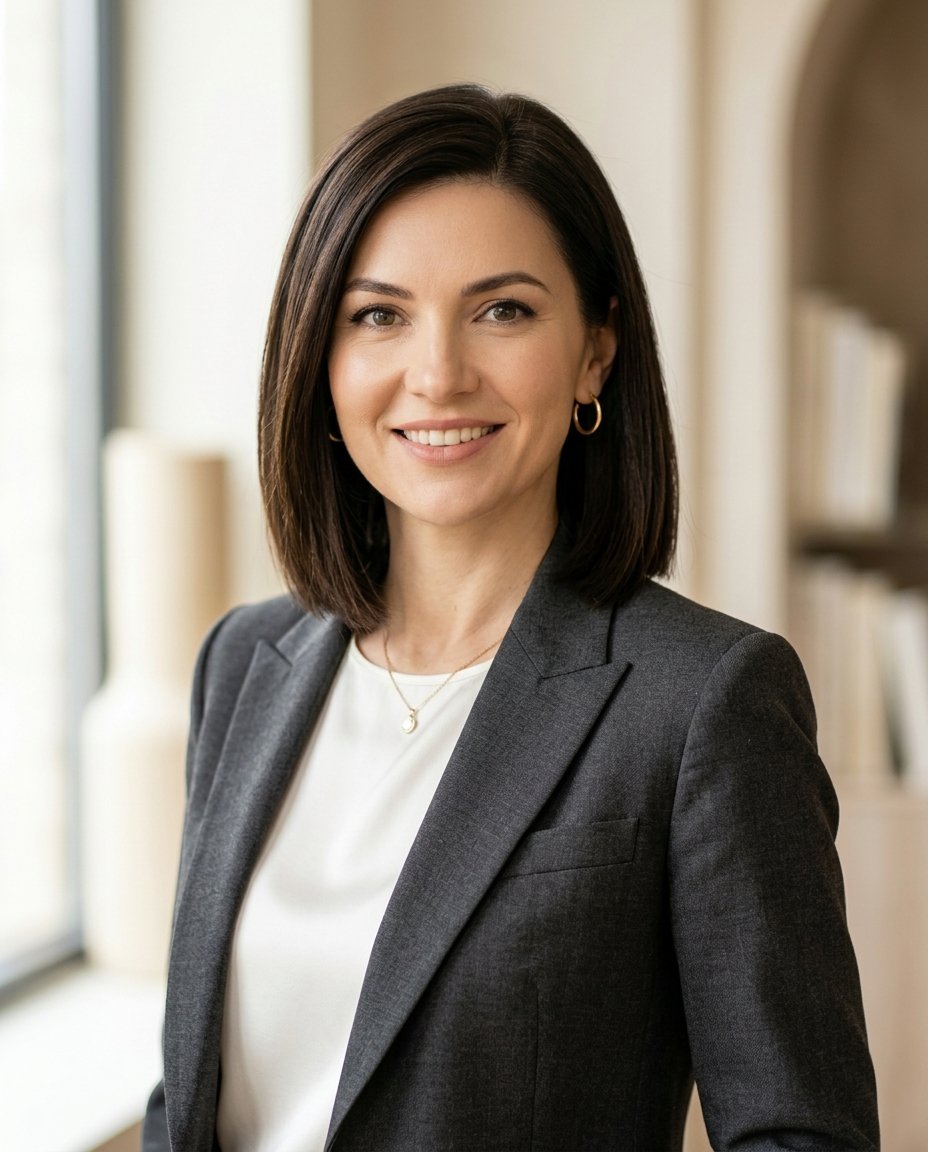
Sarah Mitchell — Founder & Editor-in-Chief
Sarah Mitchell is the founder and editorial voice behind Hair Level Up. A licensed cosmetologist with more than 15 years of experience, she has styled A-list celebrities for editorial shoots and red carpets, with work featured in Vogue, Elle, and Harper’s Bazaar. Early in her career, she trained under the legendary hairstylist Oribe in New York, an apprenticeship that still shapes her editorial eye today. Sarah founded Hair Level Up in 2020 after one bad haircut convinced her that women deserved a destination that felt like a magazine, taught like a stylist, and inspired like an art gallery. She oversees every story from concept to publication, guided by a simple belief: a good story teaches you something, but a great one makes you feel beautiful while it does.