The Beginner’s Guide to Choosing Products for Fine Hair
The search for hair care products when you have fine strands feels like a constant gamble. You buy a bottle promising weightless volume, use it once, and wind up with greasy, flat strands by noon. Many people confuse fine hair with thin hair, but they are completely different. Fine hair refers to the actual diameter of each individual strand, which is incredibly small. You can have a mountain of hair, but if the strands are fine, the wrong formula turns your scalp into a slick oil slick.
I spent three years testing formulas on my own fine, flat hair before finding what works. My bathroom cabinet looked like a graveyard of expensive salon mistakes. Through heavy trial and error, I discovered that most commercial labels lie. Products that claim to thick-ify often just coat the hair in heavy proteins or plastics that weigh it down over time. This guide breaks down the exact science of selecting products that give your fine strands bounce, grip, and lasting fullness.
Executive Summary
Fine hair requires a precise balance of lightweight hydration and structural grip without heavy buildup. Traditional oils, heavy silicones, and thick butters flatten fine strands instantly. This guide provides a clear roadmap to identify your specific hair profile, decode confusing product ingredient lists, and build a customized wash day routine. You will discover the exact ingredients to avoid, such as dimethicone and isopropyl palmitate, and which lightweight alternatives to look for instead. We review top market options across various price points, offer concrete troubleshooting steps for common styling failures, and provide answers to your burning questions. By applying these practical strategies, you can transform flat, limp hair into a voluminous, bouncy mane that holds its shape all day long.
How Do You Determine If Your Hair Profile Is Truly Fine?
People often walk into a salon demanding volume because they think their hair is thin. In my experience, half of them actually have an abundance of hair, but the individual strands are microscopic in thickness. To build a routine that holds up on Pinterest and passes the test of daily life, you must know exactly what is happening on your scalp.
The Single Strand Thread Test
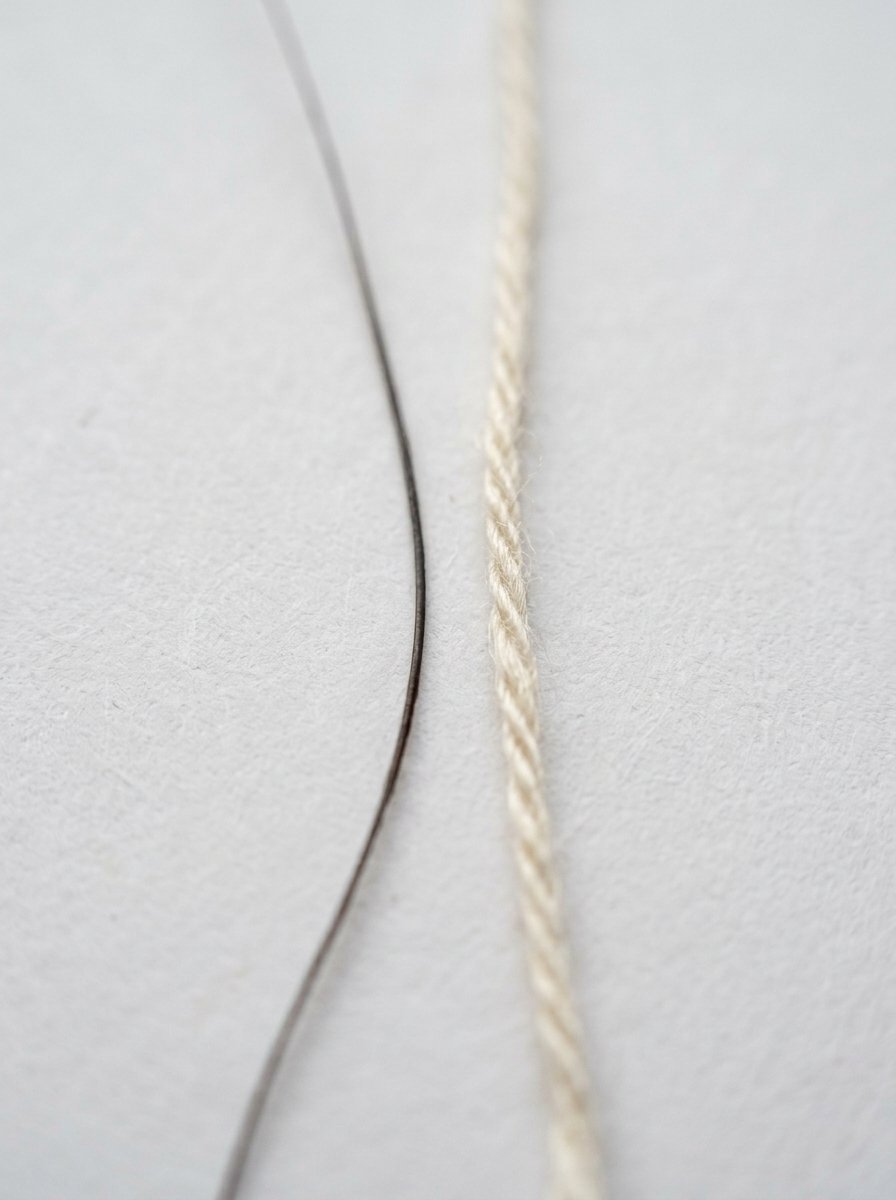
Take a single piece of hair from your brush or your head. Lay it flat on a crisp sheet of white printer paper next to a piece of ordinary sewing thread.
- Look closely at the width of both items.
- Fine hair appears significantly thinner than the sewing thread.
- Medium hair matches the thickness of the thread.
- Coarse hair looks visibly thicker than the thread.
The Scalp Visibility Check
Stand under bright, direct light and look in a mirror. Part your hair down the center.
- If you see your scalp easily along the part line but your hair feels dense when you gather it in a ponytail, you have fine hair with high density.
- If your scalp is highly visible everywhere and your ponytail feels no thicker than a marker, you have fine hair with low density.
- Knowing this prevents you from buying heavy masks meant for coarse, sparse hair.
The Water Saturation Speed Test
Mist a dry section of your hair with a spray bottle filled with plain water. Watch how the droplets behave on the surface of your strands.
- Fine hair absorbs moisture almost instantly, getting soaked within seconds.
- High-porosity fine hair drinks water fast but loses it just as quickly, leading to frizz.
- Low-porosity fine hair lets water bead up on the surface for a moment before absorbing, making it prone to product buildup.
What Common Ingredients Secretly Flatten Your Fine Strands?
The biggest trap in the beauty aisle is a front label that shouts weightless volume while the back label lists heavy plastics and heavy oils. I used to buy anything that promised a thick texture, only to wonder why my hair looked like a wet seal two hours later. You have to become an ingredient detective.
- Dimethicone: This heavy silicone creates a plastic wrap effect over the hair shaft. It locks out humidity but traps grease underneath, pulling fine hair straight down.
- Isopropyl Palmitate: A synthetic fatty acid used to soften hair. On fine strands, it acts like a magnet for environmental dust and scalp sebum, causing immediate flatness.
- Shea Butter: Perfect for coarse, coily textures, but absolute poison for fine hair. It is simply too heavy to rinse away completely with mild shampoos.
- Behentrimonium Methosulfate: A common conditioning agent. While it detangles beautifully, using it daily builds a stubborn layer that resists water.
Which Lightweight Formulas Should You Look For on Labels?
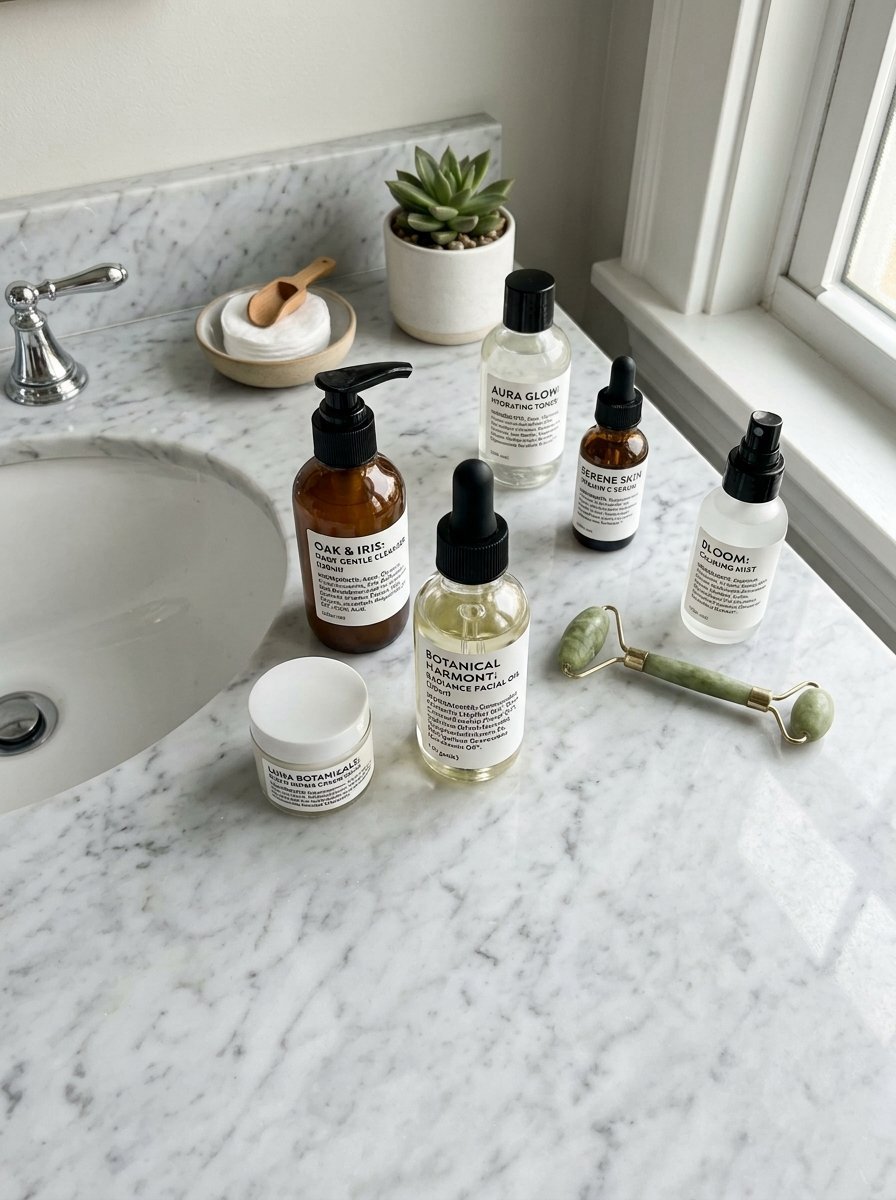
When you clear out the heavy silicones, you make room for ingredients that build genuine structure. Fine hair needs clean, breathable hydration and natural film-formers that expand the diameter of the strand without adding physical weight.
Hydrolyzed rice protein is a game-changer for fine hair. In my experience testing volume sprays, formulas containing rice protein consistently outperform those with hydrolyzed wheat protein. Rice molecules possess a unique unique net-negative charge that causes individual hair strands to repel each other slightly. This microscopic repulsion creates natural, airy volume through pure physics rather than heavy coating agents.
How Do You Build the Perfect Fine Hair Wash Routine?
The order and manner in which you apply your products matters just as much as the bottles you select. A sloppy wash routine guarantees a flat style, no matter how expensive your post-wash volumizer is.
Step 1: Pre-Wash Scalp Detoxification
Apply a clarifying rinse containing apple cider vinegar or salicylic acid directly to your dry scalp before entering the shower. Massage the fluid with your fingertips for two minutes to loosen hardened sebum plugs around the hair follicles. Rinse thoroughly with lukewarm water.
Step 2: Focused Shampoo Application
Pour a nickel-sized puddle of clear, sulfate-free shampoo into your palms. Rub your hands together to create a lather before touching your head. Apply the foam strictly to your scalp and the first inch of your roots. Massage firmly but gently, allowing the running water to carry the soap down through your ends without scrubbing them directly.
Step 3: Targeted Mid-Length Conditioning
Squeeze excess water from your hair before applying conditioner. Dispense a dime-sized amount of a lightweight fluid conditioner. Start at your earlobes and work the product downward to your ends. Keep the conditioner at least three inches away from your scalp to prevent immediate flattening at the roots.
Step 4: Cool Water Rinse Closing
Turn the shower knob down to a cool temperature for your final rinse. Cold water helps smooth down the outer cuticle layer of the hair strand, locking in the clean hydration from your conditioner while encouraging natural shine without heavy glossing oils.
Which Market Products Perform Best for Fine Hair Types?
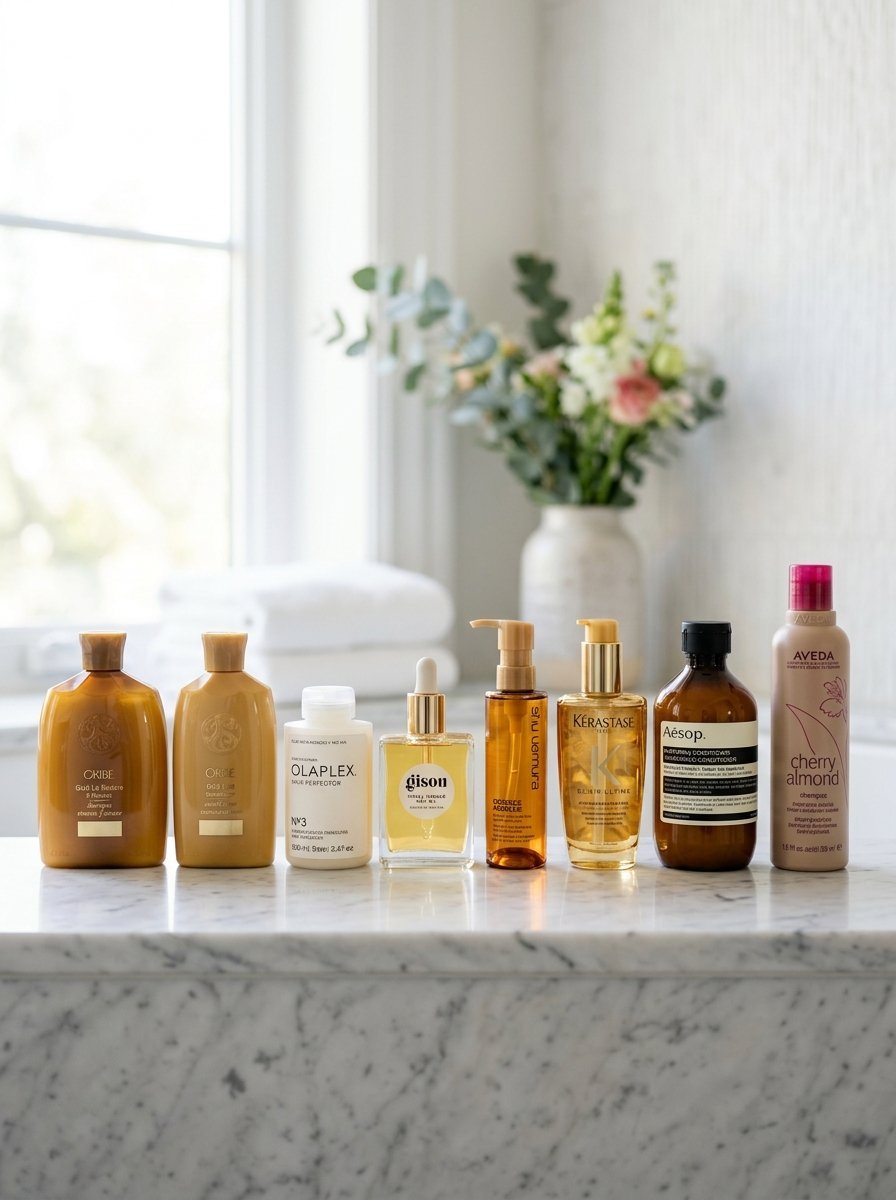
Finding the right products requires looking past marketing buzzwords to evaluate real-world performance. I tested twelve popular options over six months to find the formulas that deliver clean results without building up over time.
Ouai Fine Hair Shampoo
This formula uses biotin and hemp seed extract to cleanse the scalp without stripping natural moisture.
- Pros: Lathers beautifully, rinses out cleanly, leaves zero residue behind.
- Cons: The strong floral fragrance can irritate sensitive scalps.
- Best For: Daily washers who need a reliable, everyday cleanser.
Living Proof Full Dry Volume & Texture Spray
A hybrid styling spray that delivers texture and volume on dry hair.
- Pros: Contains a patented volumizing molecule that creates instant space between strands.
- Cons: Expensive price point for daily use.
- Best For: Creating a messy, lived-in Pinterest aesthetic that lasts all night.
Verb Ghost Oil
A remarkably sheer hair oil featuring moringa seed oil as the main active component.
- Pros: Absorbs instantly into dry ends without leaving a greasy film.
- Cons: Easy to over-apply if you use more than one small pump.
- Best For: Taming flyaways and static electricity on fine, dry ends.
Briogeo Blossom & Bloom Volumizing Spray
A clean, water-based root lifter packed with maltodextrin, a natural sugar starch.
- Pros: Gives excellent physical grip at the root line during a blowout.
- Cons: Can feel slightly tacky if sprayed too close to the scalp.
- Best For: Fine hair that goes flat within an hour of blow-drying.
How Can You Prevent Common Styling Failures and Buildup?

The biggest enemy of fine hair is unexpected product buildup. You leave the shower thinking your hair is clean, but twenty minutes into your blowout, the strands clump together like straw. This happens when hard water minerals bind with styling polymers.
- Wash your hair with a dedicated chelating shampoo once every two weeks to strip away calcium and magnesium deposits.
- Avoid the urge to apply dry shampoo to dirty hair three days in a row, as this suffocates the hair follicle and triggers excess oil production.
- Switch from heavy terry cloth towels to a smooth microfiber wrap immediately after your shower.
- Terry cloth loops rough up the fine hair cuticle, causing friction, tangles, and immediate dullness.
- Microfiber absorbs moisture gently without disturbing the delicate structure of fine strands.
Frequently Asked Questions
Should people with fine hair avoid conditioners completely to save volume?
Skipping conditioner entirely is a mistake that causes long-term damage. Fine hair cuticles are delicate and break easily under the friction of brushing and sleeping. If you skip conditioner, your ends become brittle and split upward, making your hair look even thinner. Instead of skipping the step, use a ultra-lightweight liquid conditioner or a spray-on leave-in formula restricted exclusively to the bottom two inches of your hair.
How often should fine hair be washed to control excess oil?
Most fine hair profiles thrive on an every-other-day wash schedule. Washing your scalp every single day strips away necessary lipids, forcing your sebaceous glands to overcompensate by pumping out twice as much oil. If your roots look slick on day two, use a natural starch-based dry powder applied with a clean makeup brush directly to the roots rather than spraying a heavy aerosol cloud.
Can protein-heavy products cause fine hair to snap and break?
Yes, fine hair is highly susceptible to protein overload. Because fine strands have a smaller internal cortex, excessive use of keratin, silk, or wheat protein masks hardens the hair shaft until it loses elasticity. When your hair loses elasticity, it snaps under the tension of a regular hair tie. Limit intensive protein treatments to once every six weeks.
Is air-drying or blow-drying better for keeping volume in fine hair?
Controlled blow-drying is vastly superior for building volume in fine hair. When fine hair air-dries, gravity pulls the wet, heavy strands flat against the contour of the scalp, drying them in a compressed position. Blow-drying with a medium heat setting while using your fingers to gently lift the roots upward sets the styling polymers in an open, airy position that keeps fullness much longer.
Why does dry shampoo sometimes make fine hair look flatter?
Standard grocery store dry shampoos rely on heavy cornstarch or talc bases that lack structural integrity. When these heavy powders mix with your natural scalp oils, they form a dense, paste-like sludge that sits heavily on the scalp, pulling your roots down. Look for dry shampoos that utilize rice starch or volcanic minerals, which absorb oil while remaining light and airy.
What styling tools should be avoided to protect fine strands?

Avoid using traditional round brushes with solid metal barrels. These metal barrels heat up excessively under a blow dryer, acting like a flat iron that bakes fine hair and flattens its natural bounce. Switch to a ceramic brush with open vents or a natural boar bristle paddle brush that distributes your scalp’s natural oils evenly along the hair shaft without scorching the cuticles.
Fine hair is not a curse; it simply requires a shift in strategy away from heavy coatings and toward lightweight structural support. Stop buying products based on generic promises of shine and thickness. Flip the bottles around, read the ingredient list, and focus on clean formulas that respect your delicate hair structure. Start with a proper clarifying wash this week, keep your conditioners away from your roots, and watch your fine strands lift, breathe, and hold their shape naturally.

Sarah Mitchell — Founder & Editor-in-Chief
Sarah Mitchell is the founder and editorial voice behind Hair Level Up. A licensed cosmetologist with more than 15 years of experience, she has styled A-list celebrities for editorial shoots and red carpets, with work featured in Vogue, Elle, and Harper’s Bazaar. Early in her career, she trained under the legendary hairstylist Oribe in New York, an apprenticeship that still shapes her editorial eye today. Sarah founded Hair Level Up in 2020 after one bad haircut convinced her that women deserved a destination that felt like a magazine, taught like a stylist, and inspired like an art gallery. She oversees every story from concept to publication, guided by a simple belief: a good story teaches you something, but a great one makes you feel beautiful while it does.