10 Mistakes That Ruin Heatless Curls and Easy Fixes
Waking up with bouncy, effortless waves feels like a absolute victory. You avoid hot tools, protect your strands, and save twenty minutes in the morning. Yet, many mornings end in frustration. You unwrap your hair ribbon only to find limp loops, damp sections, or a frizzy mess that looks nothing like the tutorial you watched.
Last October, I spent three weeks testing every silk rod and bathrobe tie in my closet. My initial results were terrible. One side looked flat, the back had a massive dent, and the frizz was out of control. I realized that while skipping heat is great, the technique requires precision. Small errors in tension, moisture, and sectioning completely alter your final look.
1. Wrapping Sopping Wet Strands
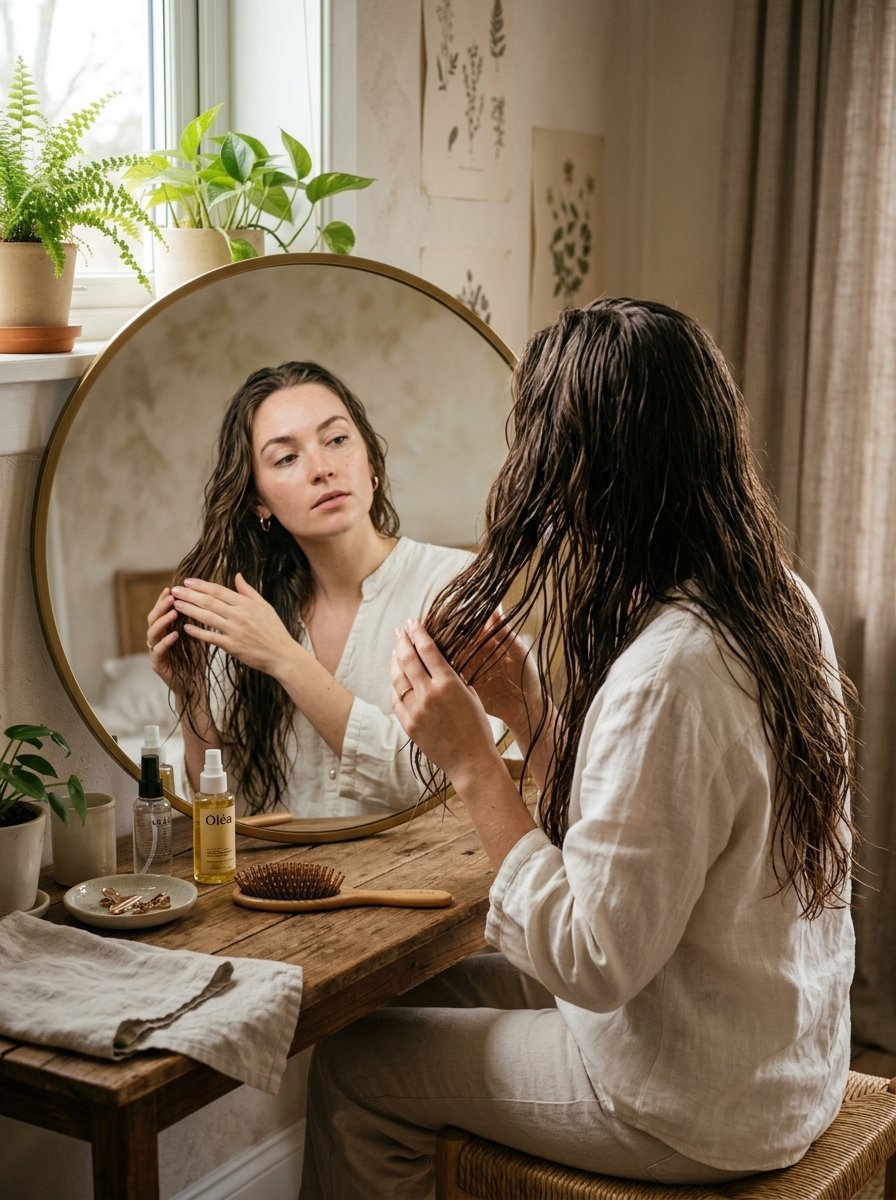
When your hair stays completely wet inside a tight silk wrap, the airflow cannot reach the inner layers. The water remains trapped against the scalp. When you remove the ribbon eight hours later, the damp sections immediately drop under their own weight. This leaves you with heavy, straight roots and frizzy, half-formed ends.
In my experience, your hair must be exactly eighty-five percent dry before you even touch a curling ribbon. I discovered this the hard way after sleeping in damp wraps for a week, waking up with cold, soggy strands that fell flat within ten minutes. Now, I let my hair air dry almost completely, or I use a blow dryer on the cool setting to remove the heavy moisture first. Your strands should feel barely cool to the touch, not wet.
2. Skipping the Pre-Styling Product
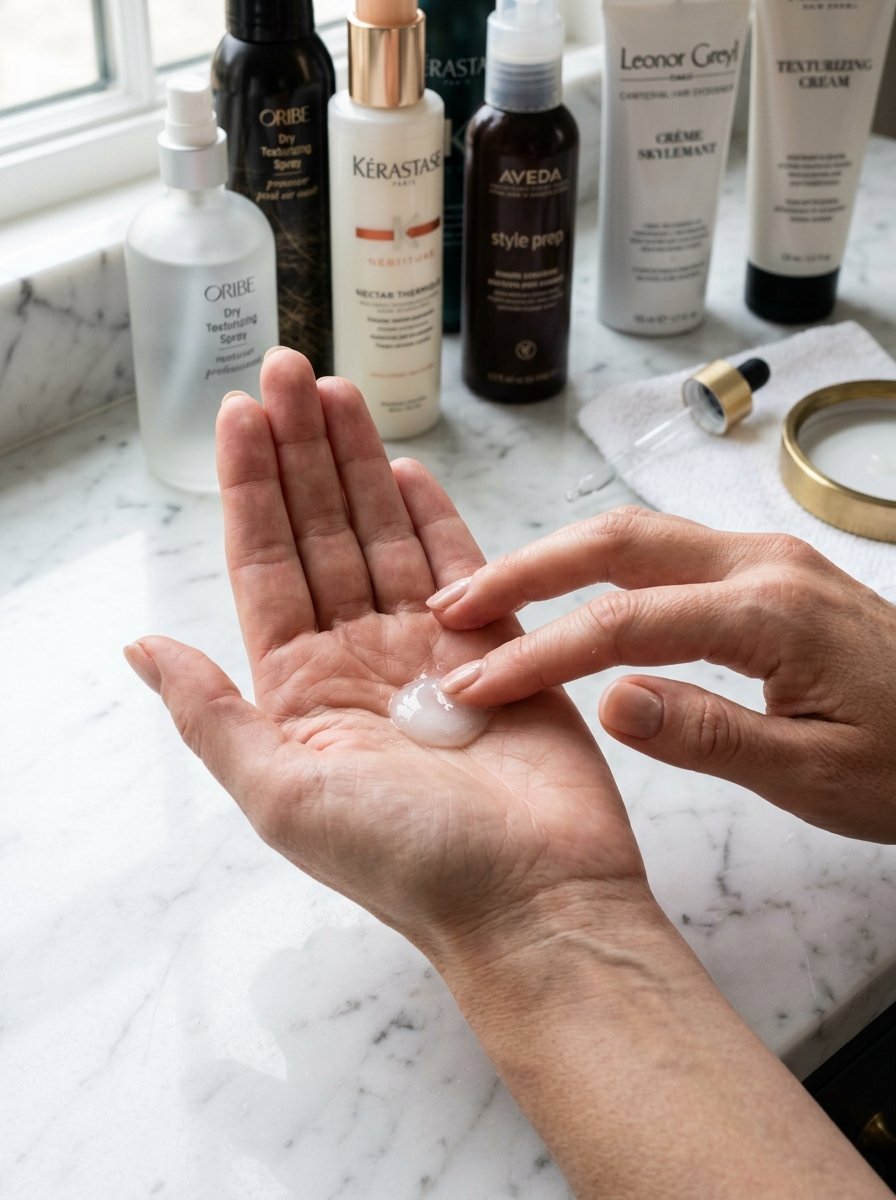
Hair needs memory to hold a shape without heat. If you wrap clean, naked hair, the cuticle remains slippery. The loops will simply slide out of alignment the moment you start moving or sleeping. Without a proper styling agent, the environment pulls the natural moisture out of your strands, causing immediate frizz.
- Bumble and bumble Curl Styling Cream: Excellent for coarse or thick hair types ($34)
- L’Oréal Professionnel Tecni.Art Liquid Pasty: Great for fine strands needing grip ($28)
- Briogeo Farewell Frizz Milk: Best for dry or color-treated hair ($26)
Apply a dime-sized amount of lightweight styling cream or a foam mousse from roots to ends. Work it through with a wet brush to distribute the product evenly before sectioning.
3. Pulling the Hair Too Loose
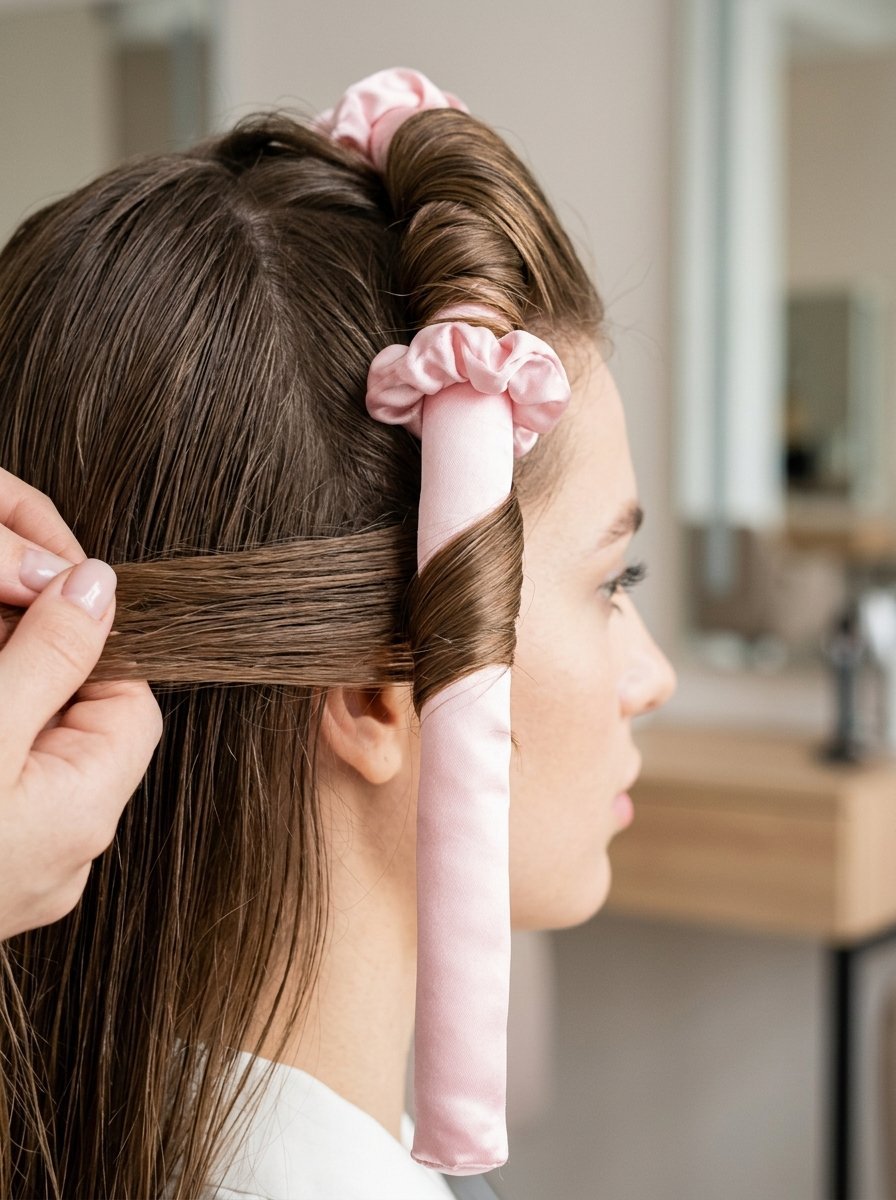
Loose wrapping creates sloppy results. When you do not apply consistent tension, the hair slides around on the silk rod while you sleep. This friction roughs up the hair cuticle, creating flat waves at the top and a cluster of tangles at the bottom.
Hold each section firmly as you rotate it around the foam core. Keep your fingers close to the rod to maintain control. Each wrap should feel secure against your head but comfortable enough that it does not pull on your hair follicles.
4. Sectioning the Hair Too Thick
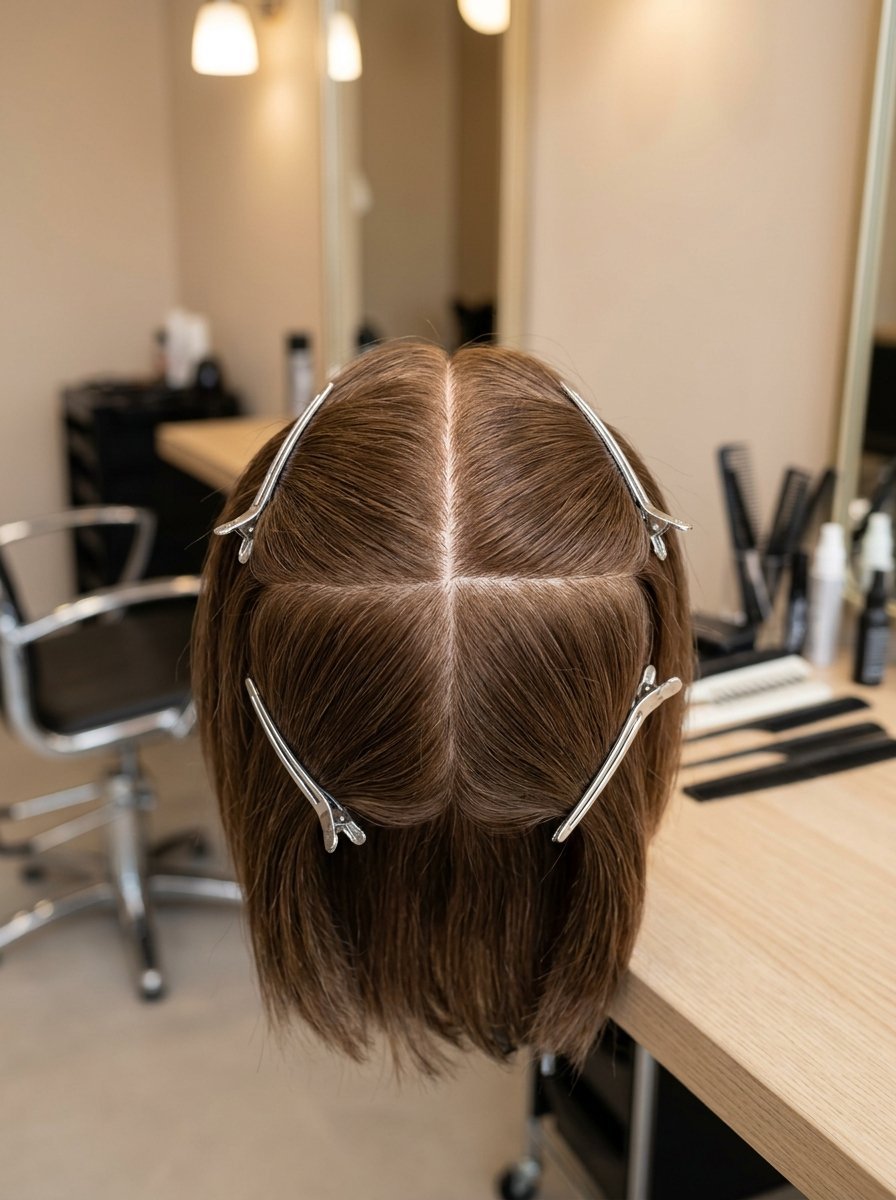
Taking massive chunks of hair prevents the inner strands from wrapping tightly around the rod. The outer layer shapes correctly, but the core of the section remains straight and unformed. This creates an uneven texture where the top of your head looks wavy while the under-layers remain completely flat.
Divide your hair into at least four primary sections, two on each side of your part. If you have thick or coarse hair, create six sections by splitting the back horizontally. Keep each section thin enough that you can easily feel the shape of the curling rod beneath the hair layer.
5. Angling the Sections Forward
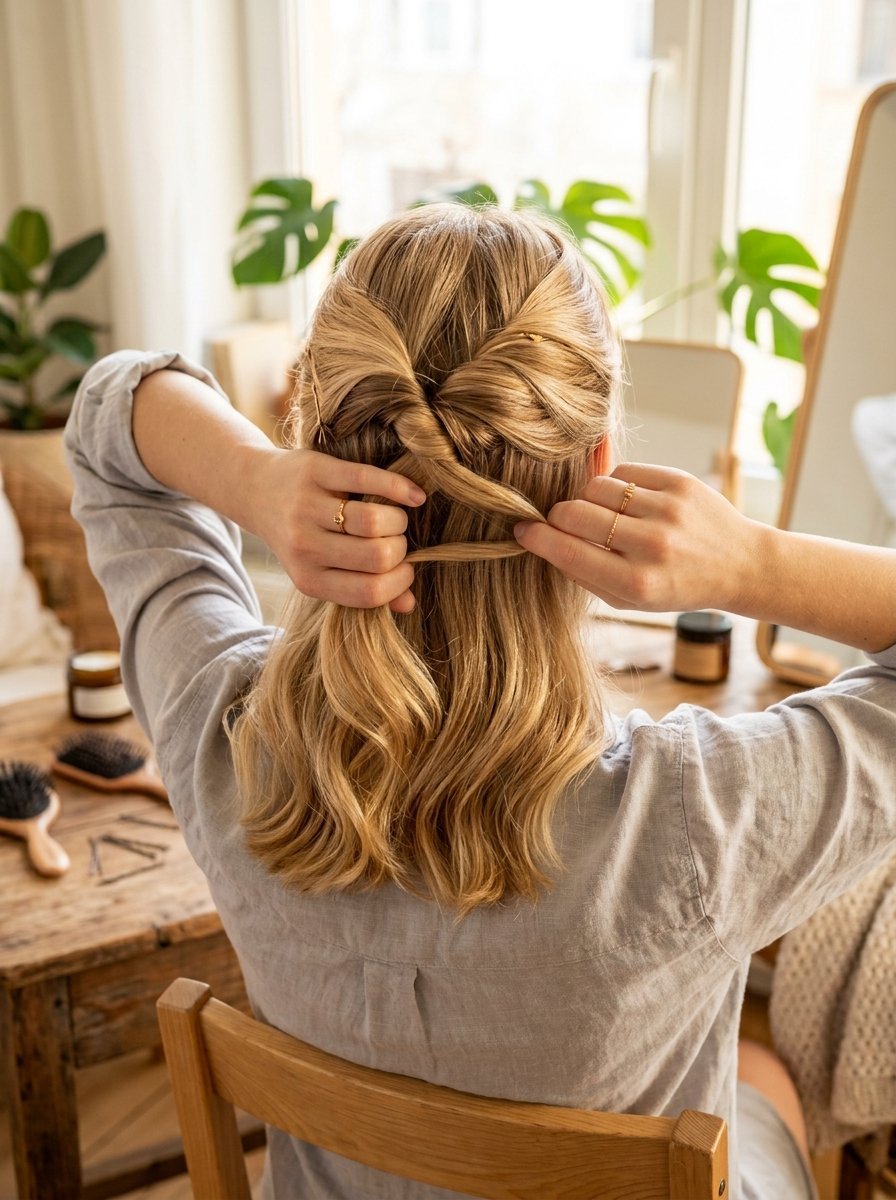
When you wrap every strand forward toward your face, the curls cluster together in front of your shoulders. This creates a heavy, forward-heavy shape that blocks your face and leaves the back of your head looking completely flat and unstyled. It also creates a visible separation line down the center of your skull.
Direct each section away from your face as you loop it over the ribbon. This technique forces the curls to fall naturally over your shoulders, creating a blended, voluminous style across the back.
6. Using Cheap Synthetic Ribbons
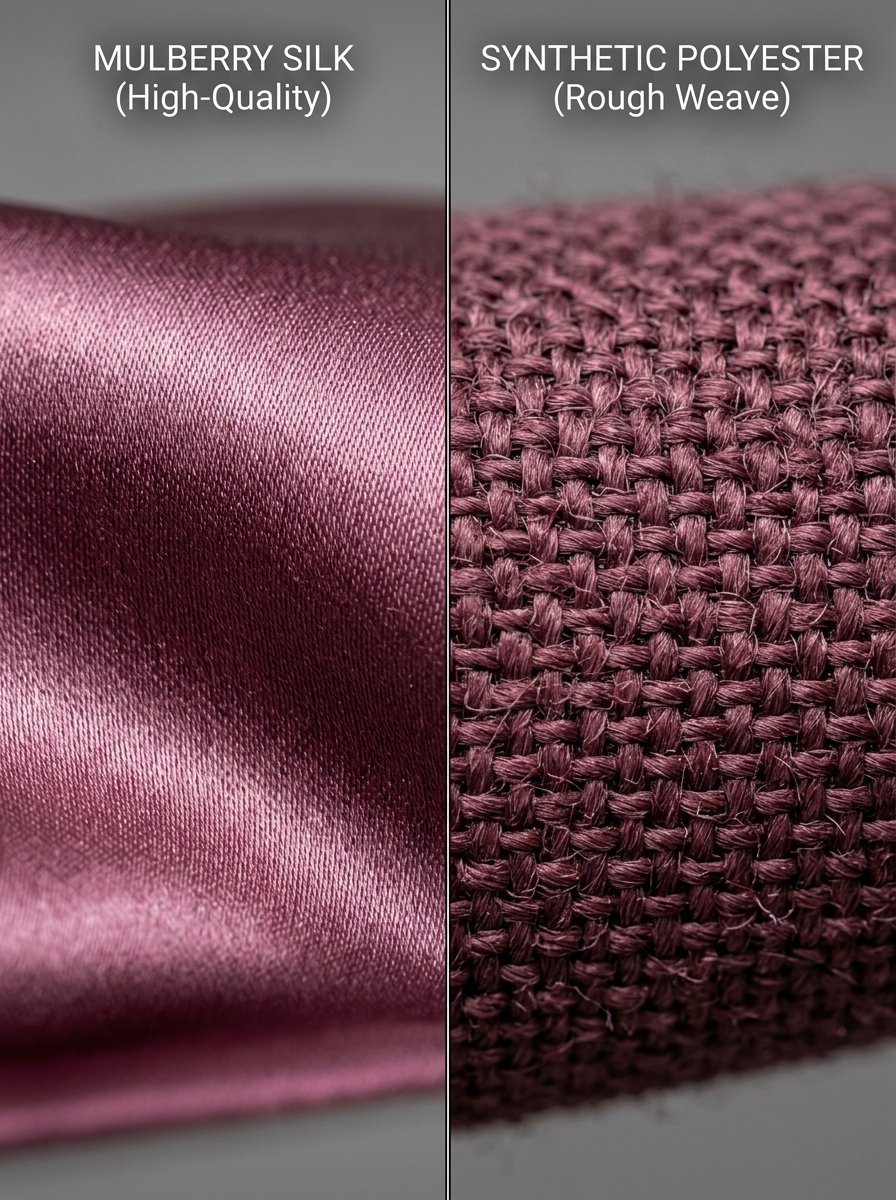
Inexpensive curling rods covered in polyester satin look identical to pure silk, but they behave completely differently. Synthetic fibers generate static electricity when your hair rubs against them during sleep. This friction snaps fragile strands and creates a halo of frizz by morning. Polyester also traps sweat against your scalp.
| Ribbon Material | Friction Level | Breathability | Average Cost |
| Pure Mulberry Silk (22 Momme) | Extremely Low | High | $30 – $45 |
| High-Grade Rayon Satin | Moderate | Medium | $15 – $20 |
| Polyester Satin (Synthetic) | High | Low | $5 – $10 |
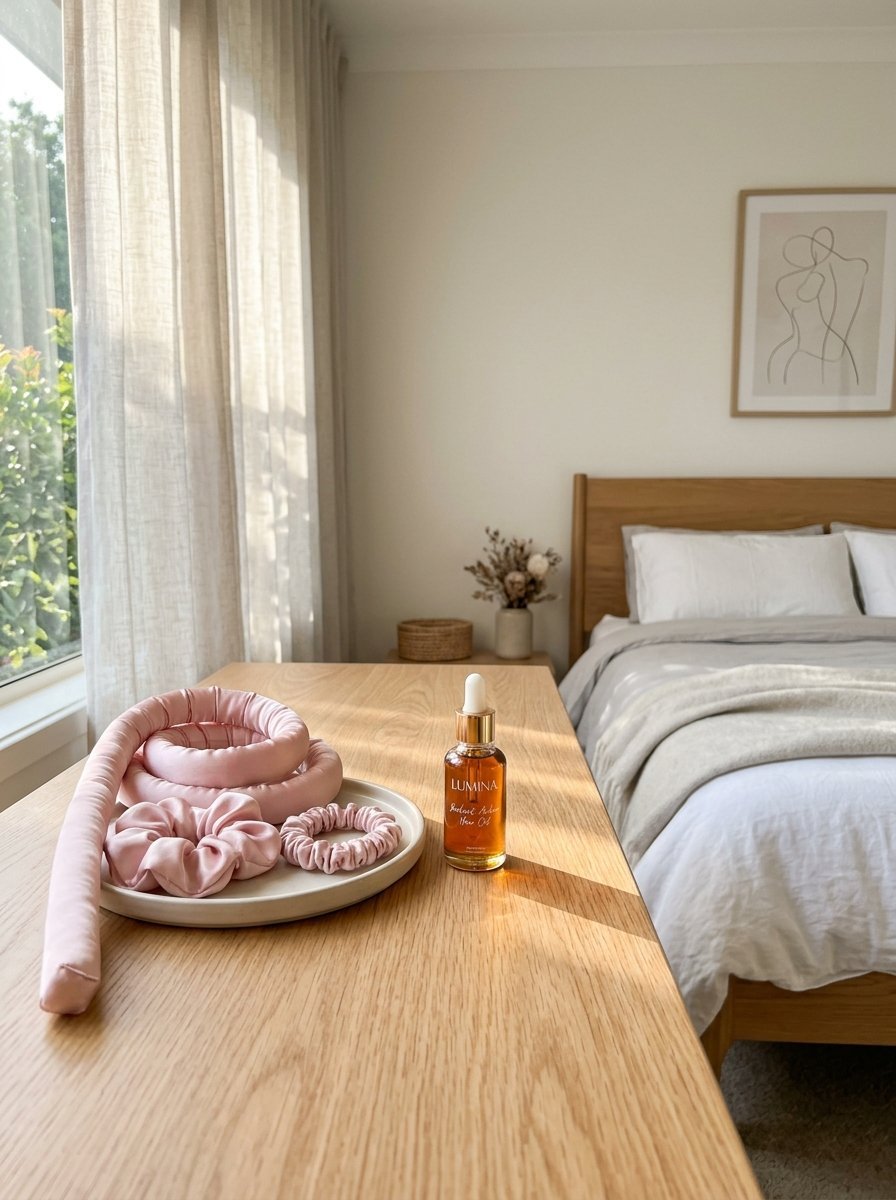
Invest in a genuine mulberry silk set. The natural proteins in silk keep the hair cuticle flat and smooth, preserving your natural shine without extracting your hair’s essential oils.
7. Securing the Ends Incorrectly
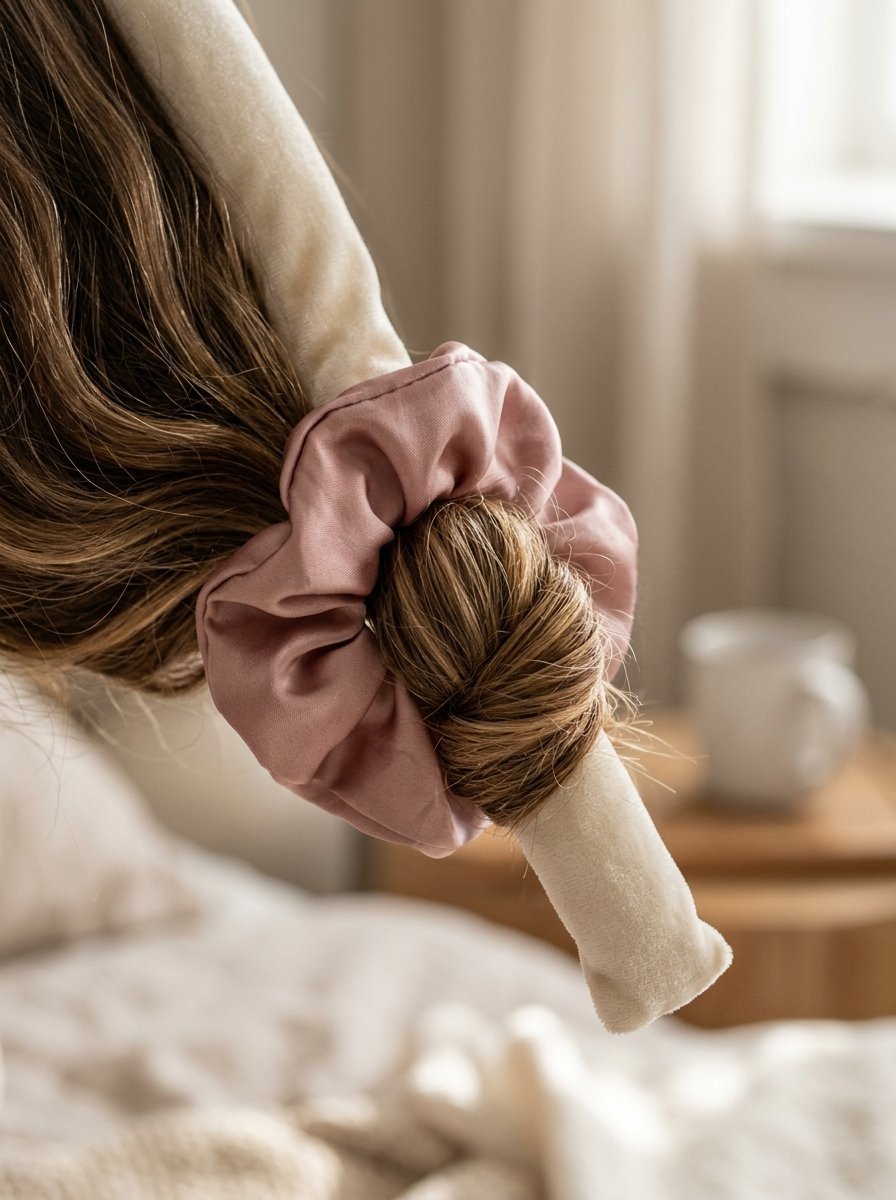
Using tight, thin rubber bands at the bottom of the ribbon pinches the hair fibers against the plastic core. This leaves sharp, unnatural indents on your ends that look messy. If you wrap the ends too loosely, they will unravel overnight, leaving you with beautiful waves that terminate in straight, pointy tips.
- Slide a wide, soft silk scrunchie over the ends instead of a thin elasticband.
- Tuck the very tips of your hair underneath the loop of the scrunchie to protect them.
- Keep the scrunchie snug but avoid twisting it so tightly that it crushes the hair.
8. Removing the Ribbon Too Fast
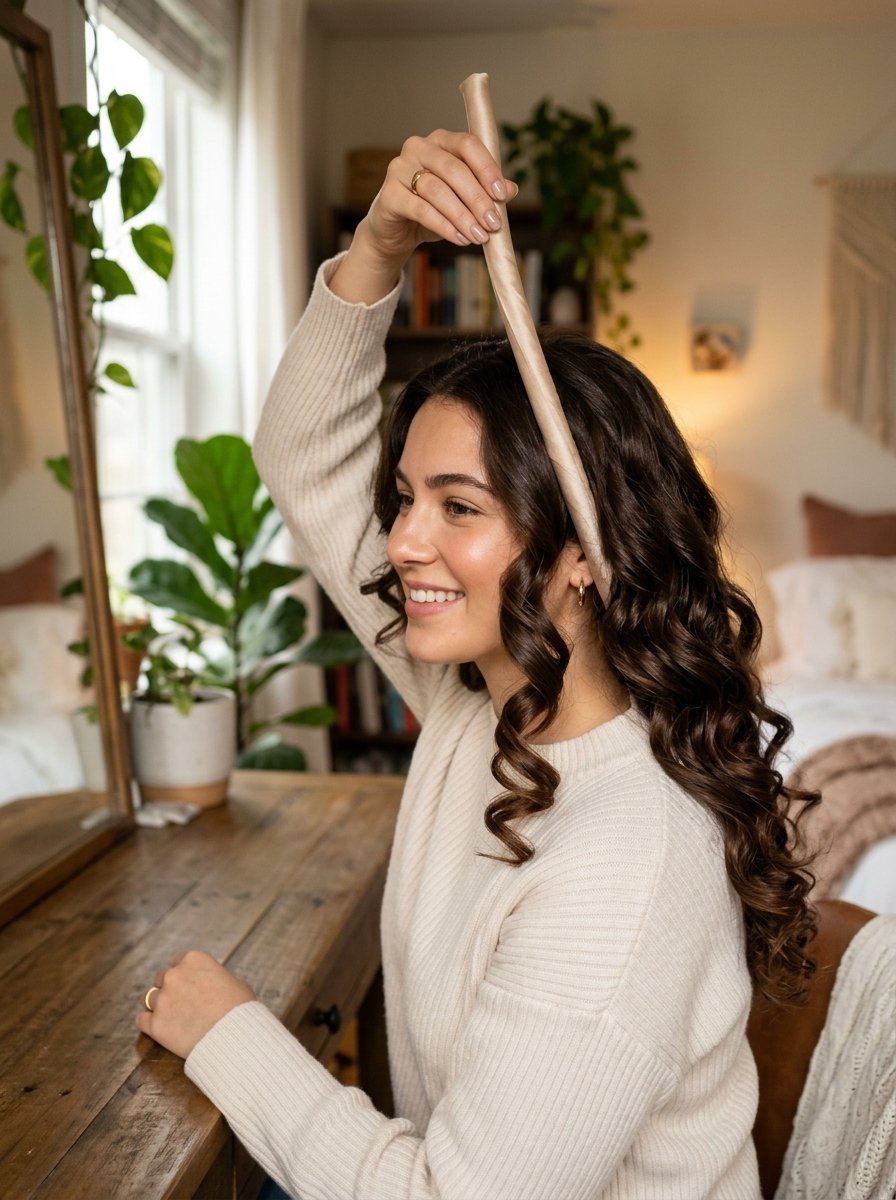
Yanking the curling rod straight out of your hair disrupts the hydrogen bonds that formed while the hair dried into shape. This rough motion pulls the wave pattern straight and separates the individual hair clumps into a frizzy mass.
Unfasten the scrunchies at the bottom first. Gently pull the top of the curling ribbon upward, letting the hair loops uncoil on their own without pulling down on them. Let the curls sit in their tight, coiled state for five minutes before touching them.
9. Rushing In With a Hairbrush
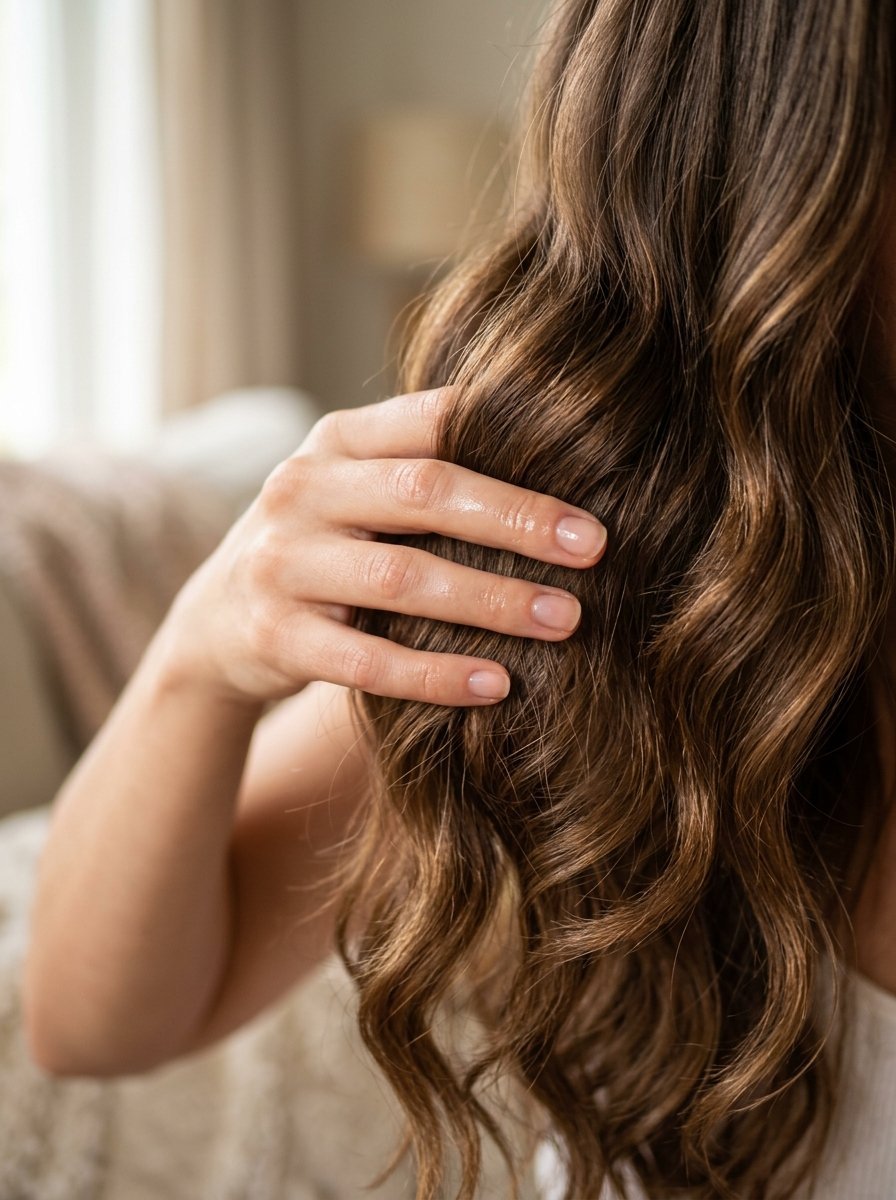
Brushing your overnight curls immediately with a dense bristle brush shatters the uniform wave pattern. It forces the individual strands to separate, turning defined curls into a massive cloud of volume and static frizz.
10. Sleeping Without Protection
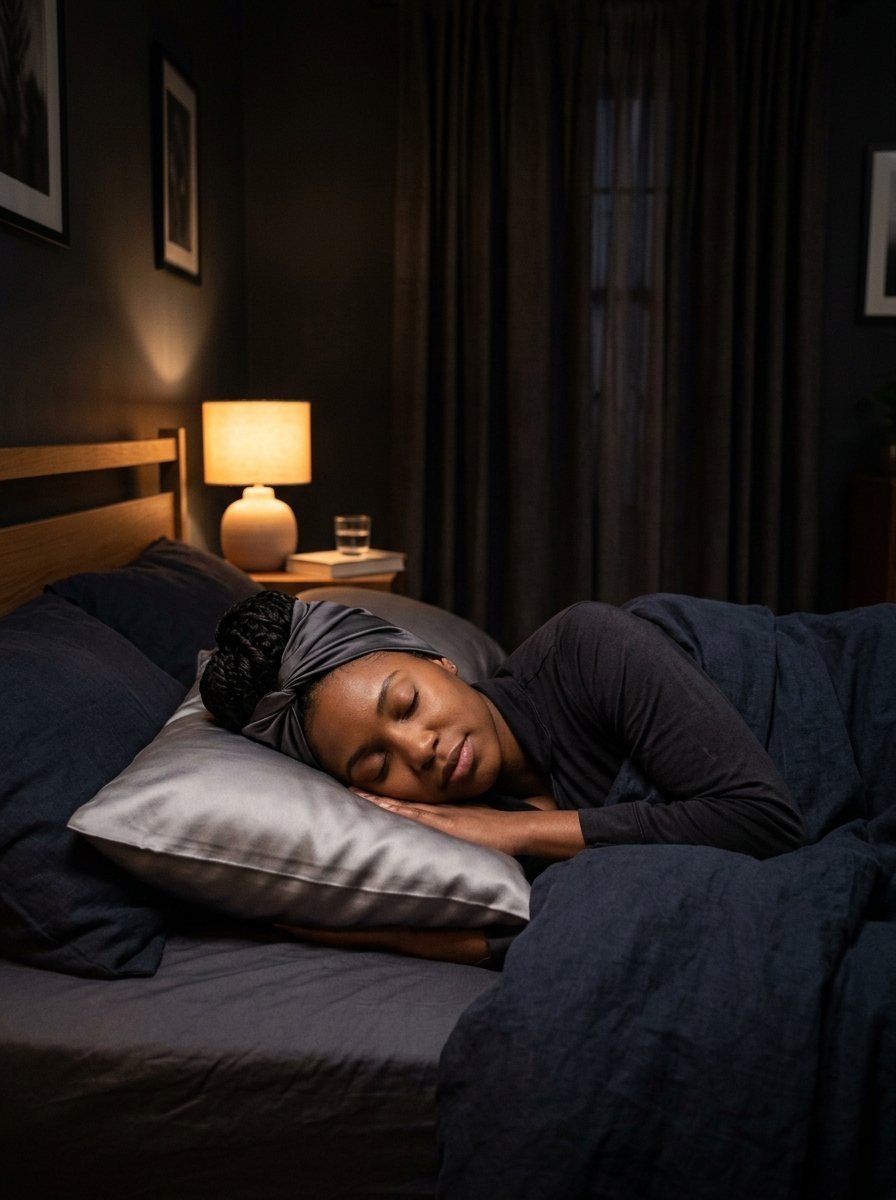
Even the best wrapping job will fail if your head rubs directly against a rough cotton pillowcase for eight hours. Cotton absorbs moisture right out of your hair, while the rough texture catches on the loops, causing them to fray and unravel before you wake up.
Secure the wrapped ribbon to the top of your head using a large claw clip to prevent it from sliding around. Cover the setup with a large silk bonnet, or sleep directly on a smooth silk pillowcase to keep the friction down.
Frequently Asked Questions
Why do my heatless curls fall out after one hour?
Your hair was likely completely dry when you wrapped it, or you skipped using a styling product with hold. Strands need a small amount of moisture and a setting cream to lock the new shape into the hair bonds effectively.
Can I do this on short or layered hair?
Yes, but you need a thinner curling ribbon. For short layers, wrap smaller sections of hair and keep them closer together on the rod to prevent the short pieces from popping out mid-sleep.
How do I prevent a flat root or center part line?
Zig-zag your parting line before wrapping instead of using a straight line. Pull the top sections of hair upward toward the ceiling as you wrap them to create natural lift right at the root.
Should I apply hairspray before or after removing the ribbon?
Apply a light mist of flexible hold hairspray right before you take the ribbon out while the curls are still coiled. Mist again after separating the waves with your fingers.
What do I do if my curls look too tight?
Do not panic or wash your hair. Let gravity do the work. Shake your head gently or run a tiny drop of hair oil through the lengths, and the tight coils will drop into soft waves within thirty minutes.
How often can I use heatless rollers?
You can use them every single night if you use silk materials. Because this method uses zero heat, it does not cause thermal damage, making it ideal for growing out damaged hair.

Waking up with gorgeous hair is all about the setup. Check your moisture levels, use a quality product, and wrap away from your face with steady tension. Once you fix these simple mistakes, your morning styling routine will disappear completely.

Sarah Mitchell — Founder & Editor-in-Chief
Sarah Mitchell is the founder and editorial voice behind Hair Level Up. A licensed cosmetologist with more than 15 years of experience, she has styled A-list celebrities for editorial shoots and red carpets, with work featured in Vogue, Elle, and Harper’s Bazaar. Early in her career, she trained under the legendary hairstylist Oribe in New York, an apprenticeship that still shapes her editorial eye today. Sarah founded Hair Level Up in 2020 after one bad haircut convinced her that women deserved a destination that felt like a magazine, taught like a stylist, and inspired like an art gallery. She oversees every story from concept to publication, guided by a simple belief: a good story teaches you something, but a great one makes you feel beautiful while it does.