
Winter Curly Hair Care: Combat Dryness, Static, and Hat Damage
Winter air feels like a vacuum for your hair. It pulls every drop of moisture out of your curls. I remember walking to a coffee shop last December. My hair felt great when I left the house. Five minutes in the cold wind changed everything. By the time I sat down, my curls were a frizzy mess. They felt like straw. This is the reality for curly hair women every winter. The cold air outside and the dry heat inside create a nightmare. You deal with static that makes your hair stand up. You deal with wool hats that crush your patterns. You deal with brittle hair that snaps when you touch it. This guide shows you how to fight back. We will look at real ways to keep your hair soft. You will learn to stop the snap of split ends. We will find the right leave in conditioner for your needs. This is about more than just looking good. It is about keeping your hair health intact until spring arrives.
Every winter brings the same three enemies for curls. Dryness is the first one. Static is the second. Physical damage from winter clothes is the third. You need a plan that covers all three. Start by changing how you wash your hair. Cut back on shampoo. Use more moisture. In my experience, a humidifier is your best friend. It keeps the air in your bedroom from stealing your hair moisture at night. I also suggest looking at your fabrics. Wool and cotton are the enemies of curly hair. They cause friction and soak up oils. Swap them for silk or satin. This small change helps reduce wrinkles on your face too. It keeps your skin and hair hydrated. We will cover protective styles that actually look stylish. We will name the tools that actually work. This is the deep dive you need to save your curls this season.
Why does winter air cause dry curls and brittle hair?
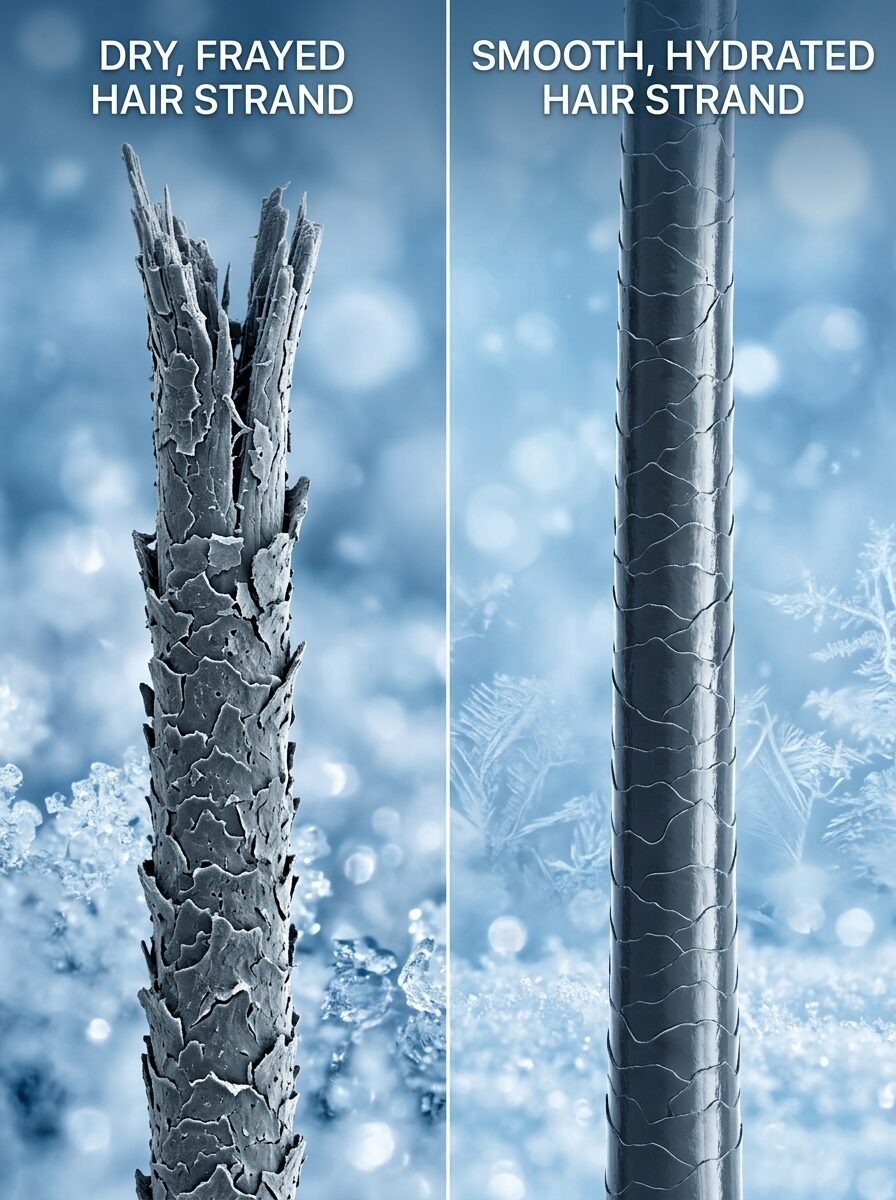
Cold air holds very little water. When that air meets your warm hair, it acts like a sponge. It sucks the hydration out of your hair shaft. This makes your curls lose their shape and bounce. I noticed my hair started breaking more two years ago in January. I was using the same products I used in July. That was my first mistake. Your hair needs a different routine when the dew point drops. Brittle hair happens when the cuticle stays open and empty. This leads to those tiny white dots at the ends of your hair. Those are the start of split ends. If you don’t stop them, they travel up the hair.
You can fix this by layering your products. Think of it like a winter coat for your hair. First, apply your water based leave in conditioner. Second, add a thick cream. Third, seal it all in with a light oil like jojoba or almond oil. I tried this “LOC” method during a trip to Chicago. My hair stayed soft even in the freezing wind. It works because the oil creates a barrier. It keeps the water inside the hair where it belongs. Without that barrier, your hair dries out in minutes.
How can you stop winter static in curly hair women?
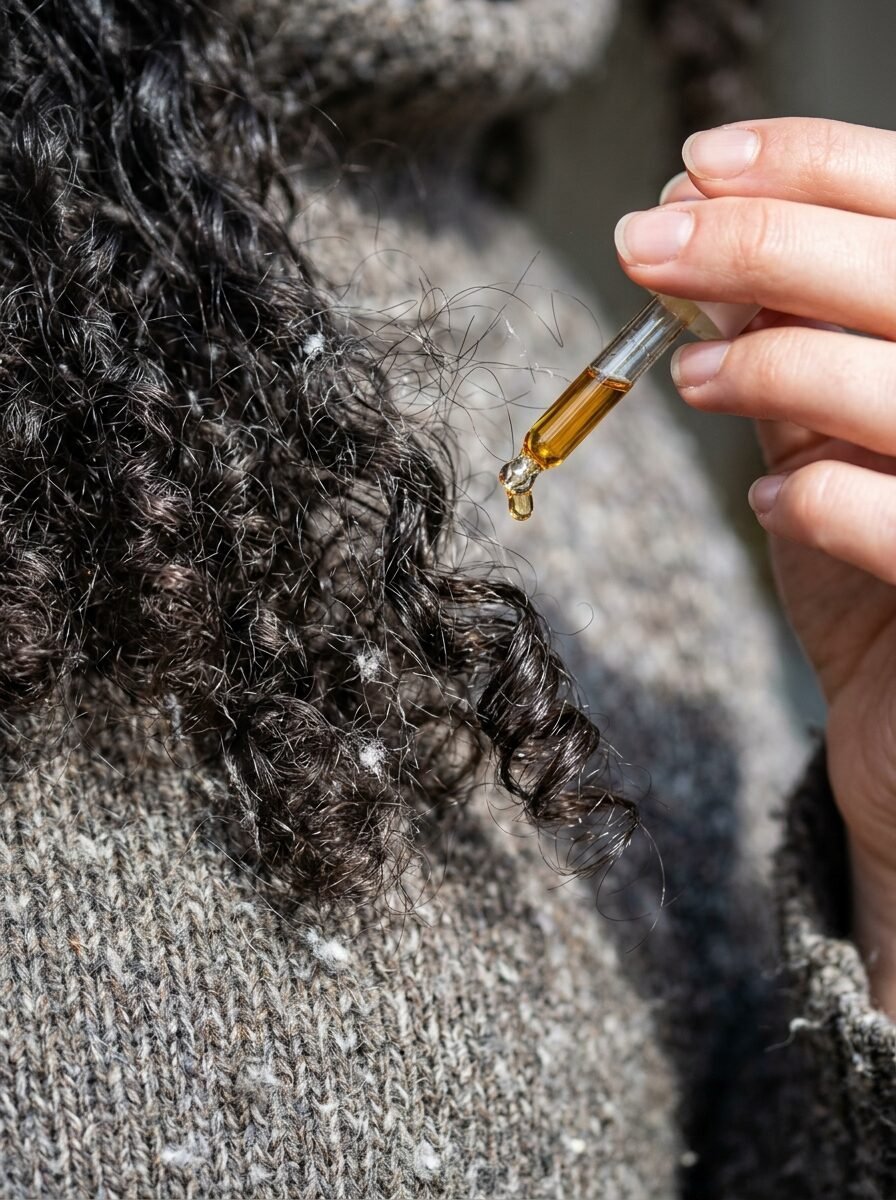
Static is just a build up of electrons. It happens when dry hair rubs against fabrics like wool. It is frustrating to have your curls cling to your face or coat. I used to carry dryer sheets in my bag to rub on my hair. It worked for a minute, but it left a weird film. The real fix is moisture. Static cannot live on hydrated hair. If your hair is standing up, it is telling you it is thirsty. I found that switching to a plastic free comb helps a lot. Metal or wood combs don’t create the same charge.
One trick I love is using a tiny bit of hand cream in a pinch. If you are out and your hair goes wild, rub a pea sized amount of lotion on your hands. Lightly graze the surface of your hair. It adds enough weight and moisture to kill the static. For a long term fix, use a deep conditioner every single week. I like the Briogeo Don’t Despair Repair mask. I use it every Sunday night. It fills the hair with lipids that stop the static before it starts. Make sure you rinse with cool water. This helps close the cuticle and lock that moisture in place.
Which leave in conditioner is best for winter moisture?
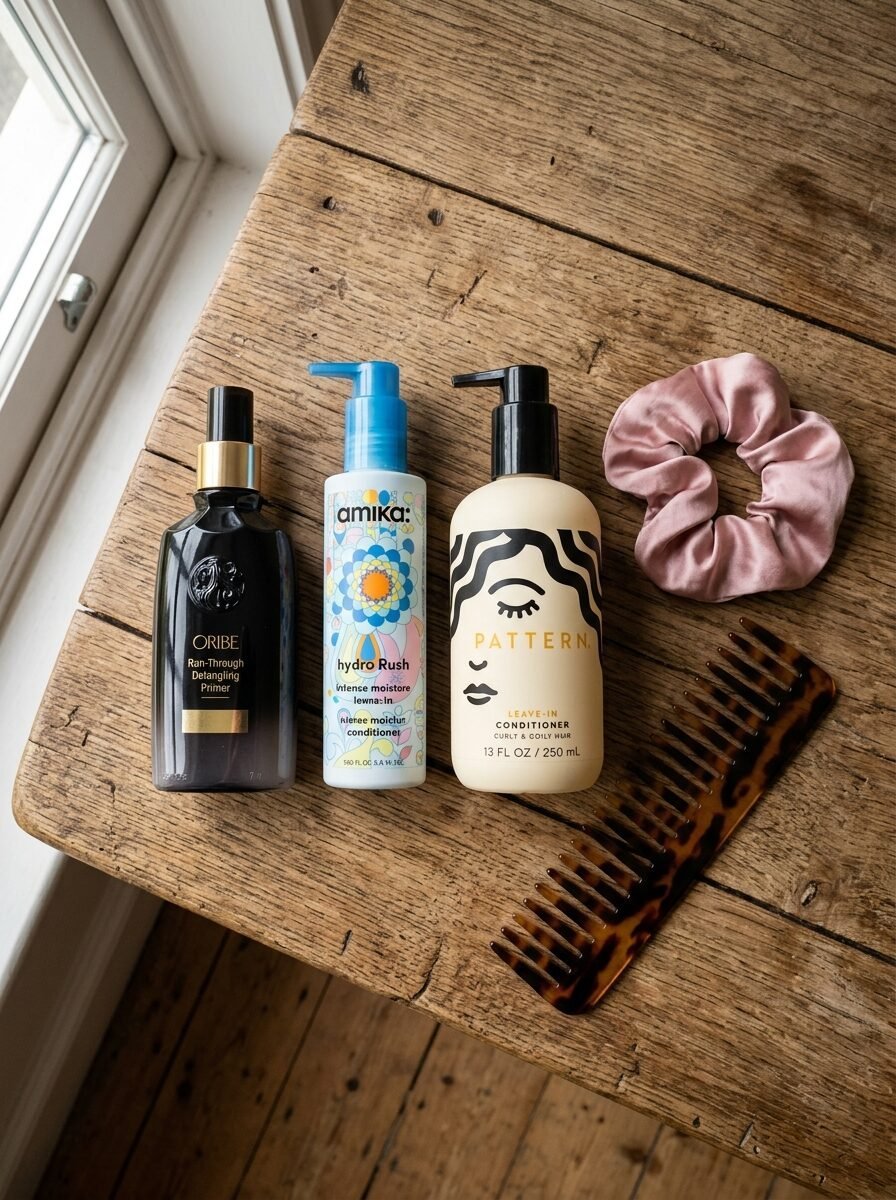
A good leave in conditioner is the most important tool in your kit. In winter, you need something with “slip.” This means it makes your hair feel slippery so knots don’t form. I have tried over twenty different brands. Some are too heavy and make curls look greasy. Others are too light and do nothing. For fine curls, Pattern Beauty has a great lightweight option. For thick or coarse curls, Mielle Rosemary Mint is a heavy hitter. It feels rich and smells amazing.
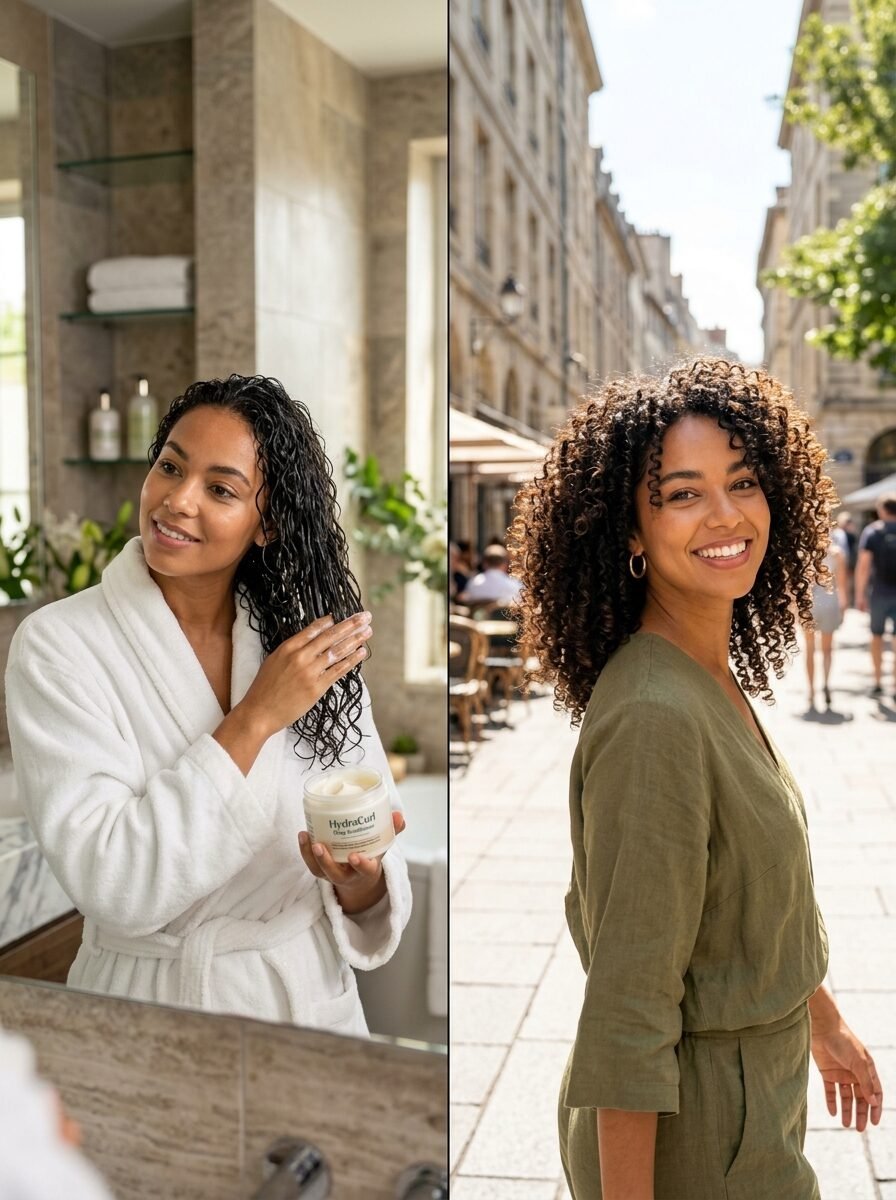
When you apply your leave in, do it while your hair is soaking wet. Do not towel dry first. I’ve seen this work best when I apply it in the shower. The steam helps the product sink in. I use about a quarter sized amount for each section of my hair. If you have high porosity hair, your hair will eat the product up. Don’t be afraid to use a bit more. Just avoid the roots. Applying product to the scalp can lead to buildup and itching. Focus on the mid lengths and the ends. That is where the damage usually starts.
How do you prevent hat damage and hat hair?
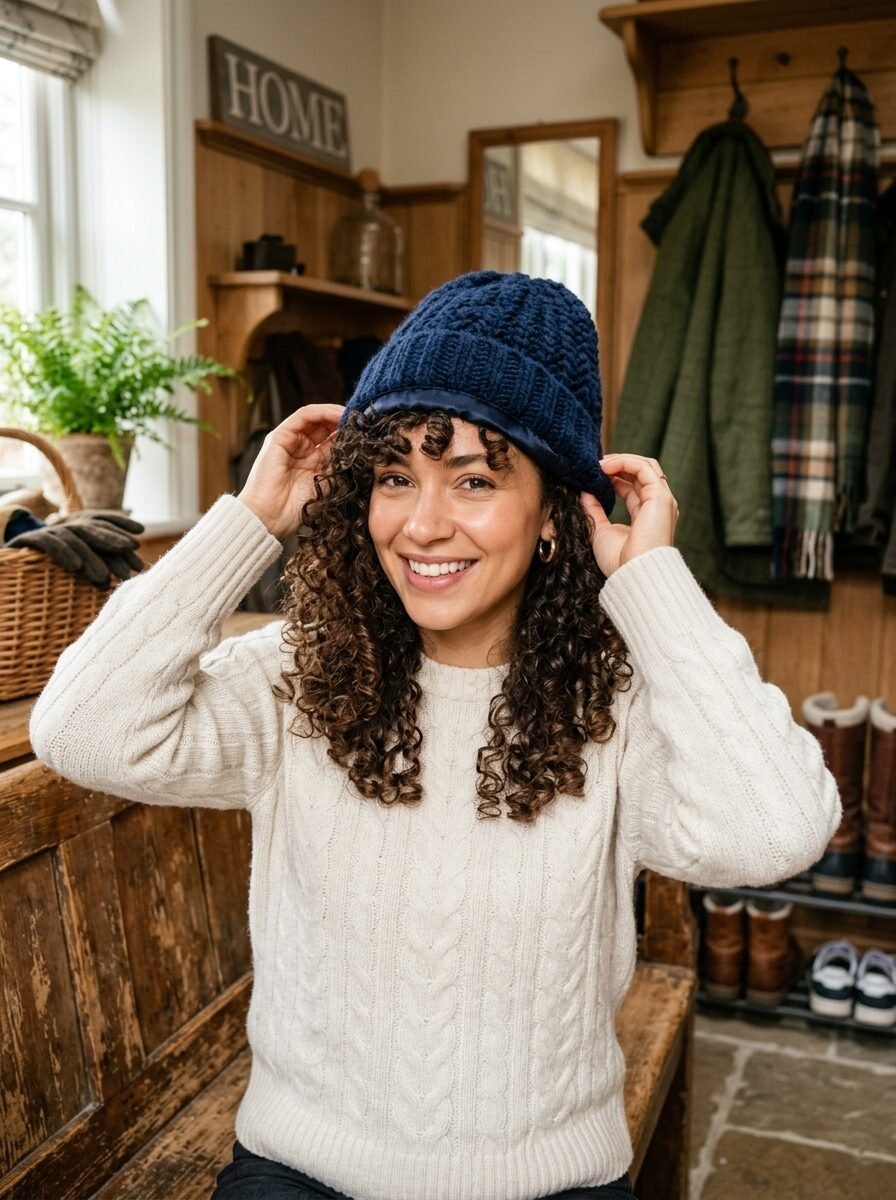
Hats are a winter necessity, but they hate curls. A standard wool beanie will crush your curl pattern. It also creates friction that leads to frizz. I used to avoid hats entirely until I got a sinus infection from the cold. Now, I use satin lined beanies. Brands like Grace Eleyae make hats that look like normal beanies but have silk inside. This is a game changer. The silk lets your curls slide around without breaking. It also keeps your natural oils on your hair instead of soaking into the wool.
If you must wear a regular hat, use a silk scarf first. Wrap your curls loosely in a silk square. Then put your hat on over it. When you get inside, take the hat off and shake your hair out. Do not brush it. Brushing dry curls in winter is a recipe for a disaster. Instead, use your fingers to fluff the roots. If the top of your hair looks flat, use a bit of dry shampoo. It adds volume without needing water. This helps you keep your style for three or four days.
What are the best protective styles for curly hair?
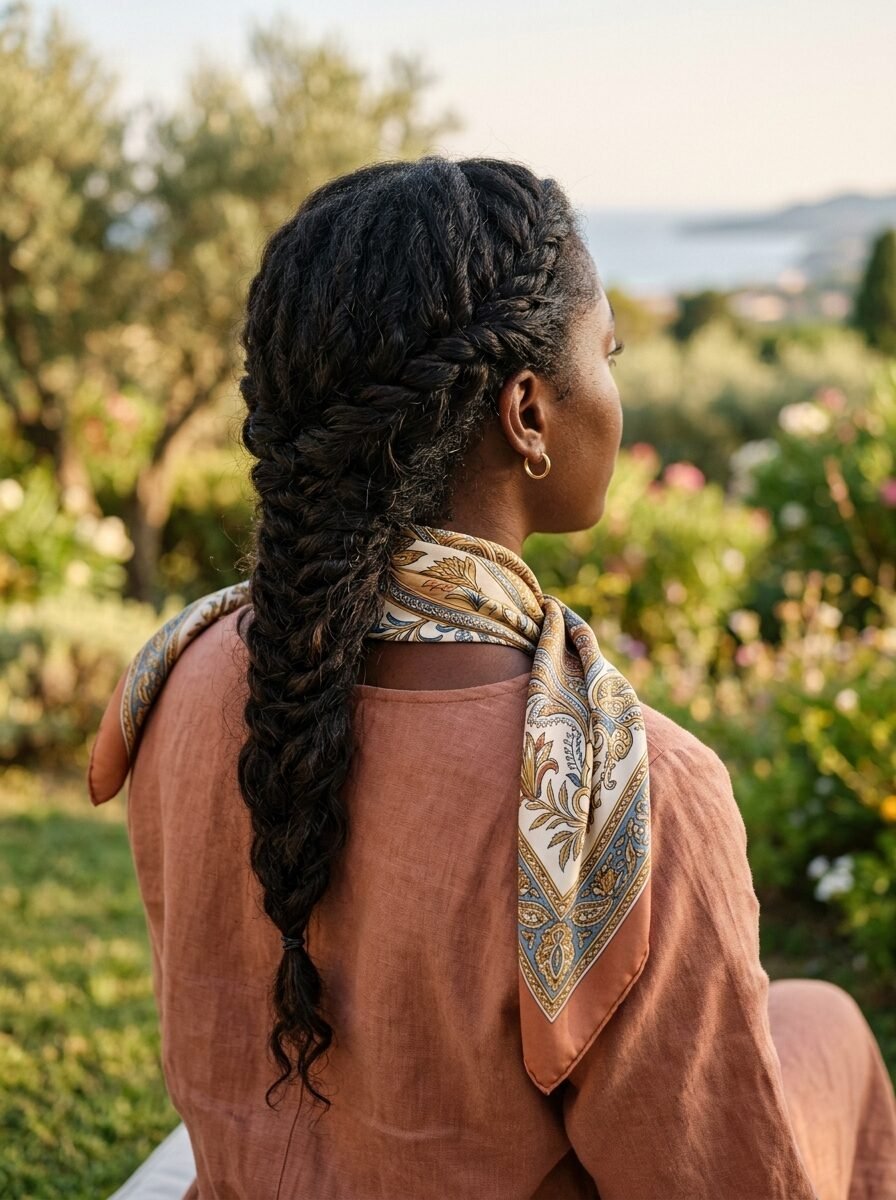
Protective styles are meant to tuck your ends away. Your ends are the oldest and weakest part of your hair. In winter, keeping them tucked away saves them from the wind. I personally love loose braids or a “pineapple” bun. A pineapple is just a very high, loose ponytail on top of your head. Use a silk scrunchie. Never use a rubber band. Rubber bands cause tiny tears in the hair shaft. I learned this the hard way when I saw a ring of broken hair around my ponytail line.
Another great option is a low bun secured with a silk claw clip. It keeps your hair off your wool coat collar. Wool coats are famous for causing knots at the nape of the neck. We call these “winter knots.” They are painful to detangle and lead to split ends. By keeping your hair up and off the fabric, you stop the knots from forming. If you want something more long term, try flat twists. They look professional and keep your hair secure for days. Just make sure they are not too tight.
How do you avoid traction alopecia from tight styles?
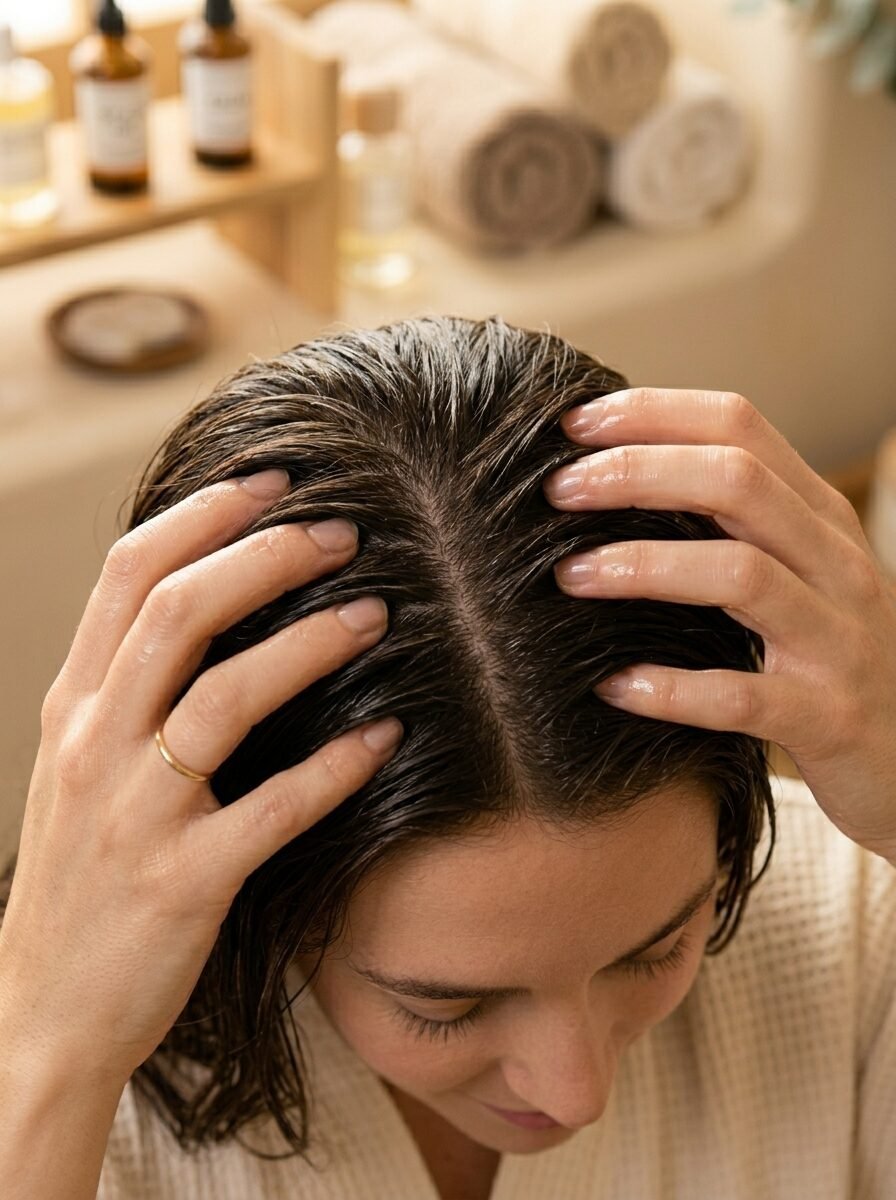
Traction alopecia is hair loss caused by pulling. Many people try to control winter frizz by pulling their hair into tight buns. This is dangerous. Over time, the tension pulls the hair out of the follicle. I saw this start to happen to my hairline last year. I noticed my “baby hairs” were disappearing. I had to stop wearing tight styles immediately. If a style hurts or feels tight, it is damaging your hair health. Your scalp should never feel sore.
To prevent this, always keep your styles loose. Use soft tools. A Denman brush is great for styling, but don’t use it to pull your hair back. Use your hands for a softer look. If you see thinning around your temples, give your hair a break. Wear it down or use a loose headband. I also recommend scalp massages. Use a few drops of Mielle oil on your fingertips. Massage your scalp for five minutes a night. It brings blood flow to the area and helps keep the follicles healthy.
How do you repair split ends and brittle hair?
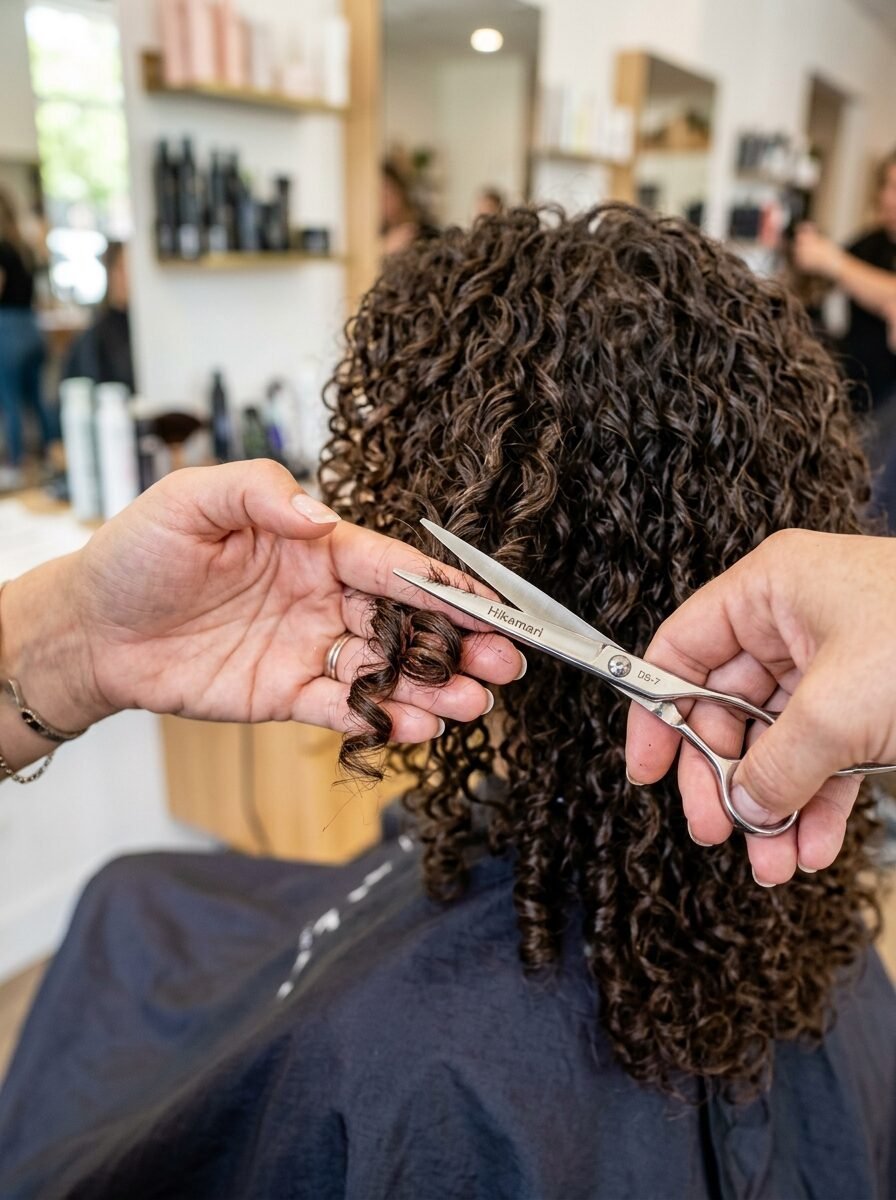
Once a hair strand splits, you cannot truly glue it back together. Some products claim to fix split ends, but they only provide a temporary seal. The only real cure is a trim. I suggest a “dusting” every eight weeks in the winter. A dusting is a very light trim where you only cut the tiny damaged tips. It keeps your hair health high without losing your length. I tried to skip my trim last winter to save length. By March, my hair had split so far up that I had to cut three inches instead of half an inch.
To prevent brittle hair, look at your protein balance. Too much protein makes hair snap. Too much moisture makes hair feel mushy. Most people need more moisture in the winter. Use a deep conditioner that lists water as the first ingredient. Avoid “strengthening” masks if your hair already feels stiff. I like Shea Moisture Raw Shea Butter Deep Treatment Masque. It provides a good balance. If your hair feels like straw, it needs water and oil, not more protein.
What is the best winter wash day routine?
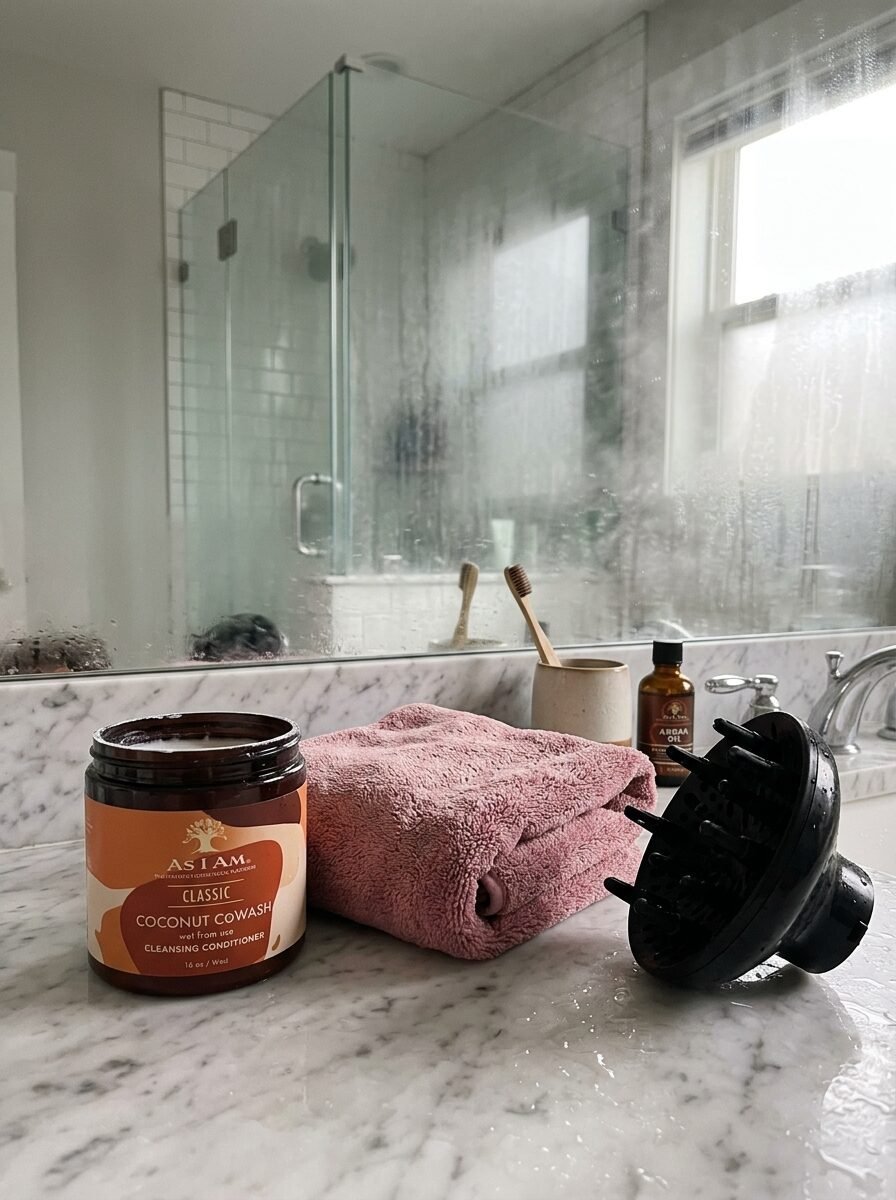
Your wash day sets the stage for the whole week. In winter, I only wash my hair once every seven to ten days. Between washes, I use a co-wash. A co-wash is a cleansing conditioner. It cleans the scalp without stripping the hair. I’ve tried the As I Am Coconut Co-Wash and it is a staple in my bathroom. It keeps my scalp from getting itchy and dry. When you do use shampoo, only put it on your scalp. Let the suds run down the rest of your hair. Do not scrub your ends.
After washing, do not use a regular towel. Regular towels have tiny loops that grab your curls and tear them. Use an old cotton T-shirt or a microfiber towel. Squeeze the water out gently. Do not rub. Rubbing creates frizz and static instantly. I then apply my leave in conditioner and my gel. In winter, I prefer a creamier gel. It provides a softer hold that doesn’t get crunchy in the cold. Let your hair air dry as much as possible. If you must use a hair dryer, use a diffuser on the lowest heat setting.
Which tools and brands actually work for winter?
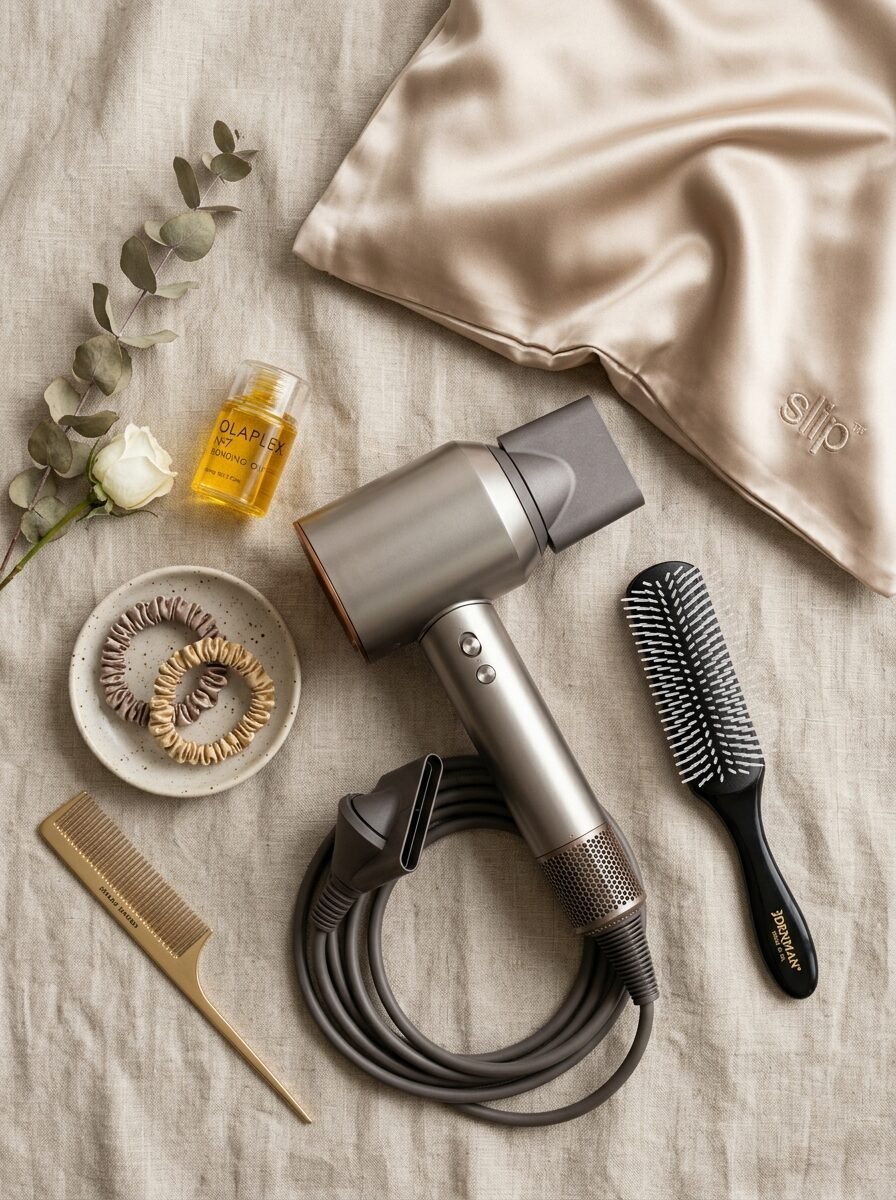
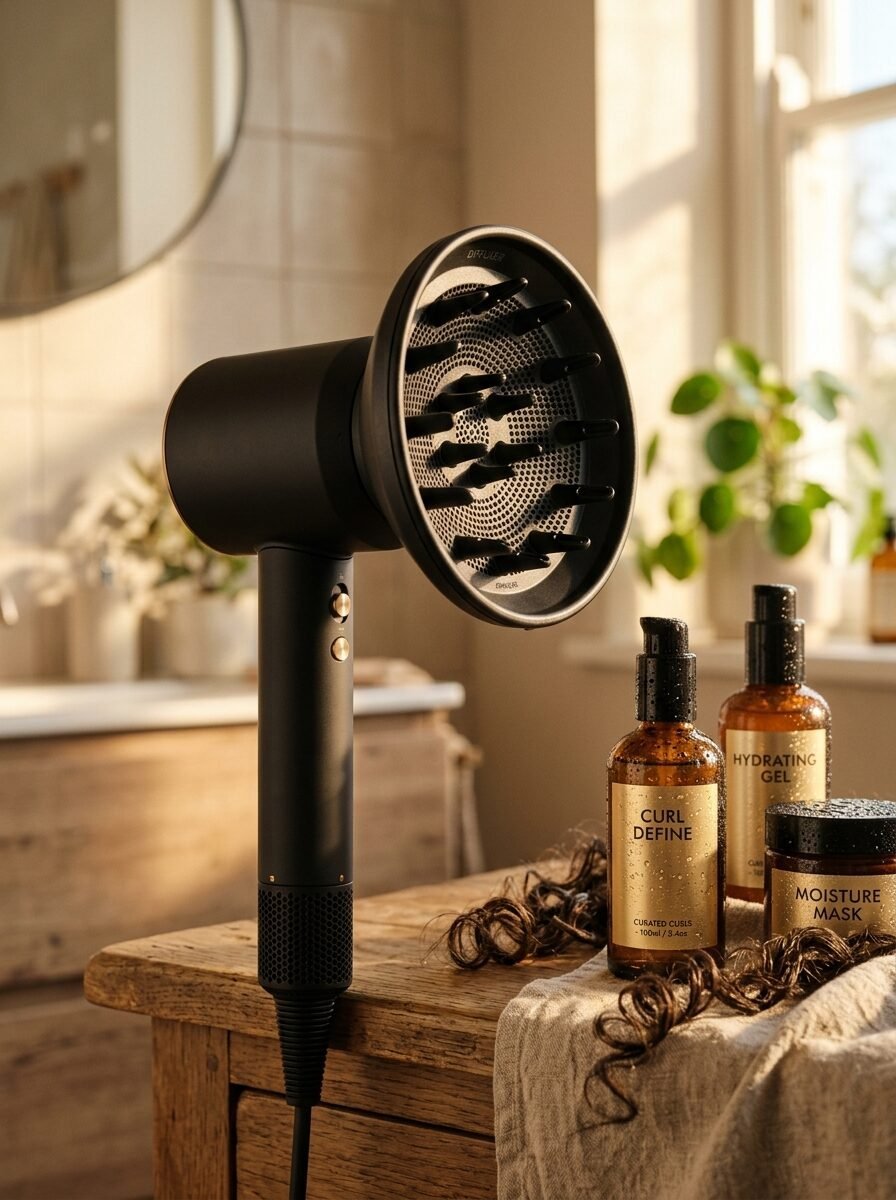
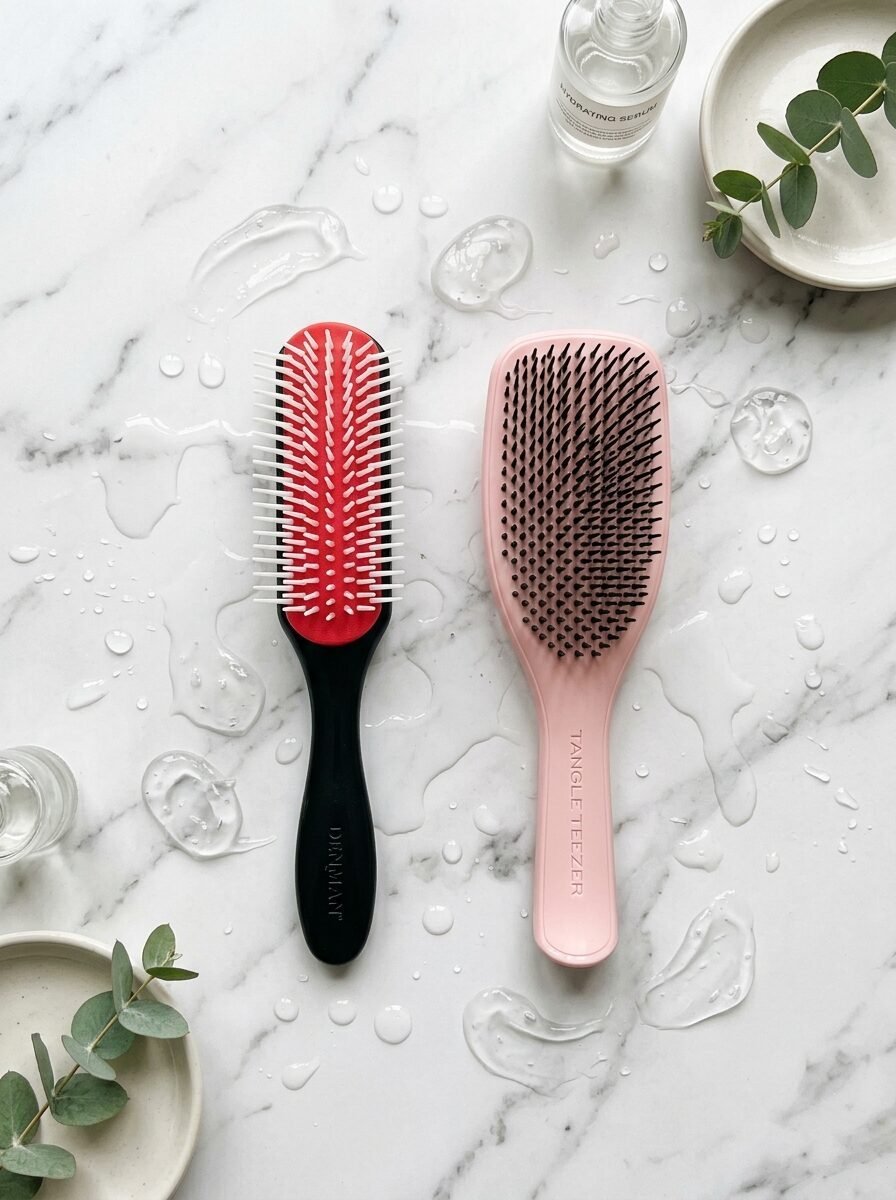
I have spent a lot of money on hair tools. Some are worth it, and some are just hype. The Dyson Supersonic dryer is a big investment, but it is great for curly hair. It controls heat so you don’t burn your dry curls. A cheaper option is a high quality diffuser attachment for your current dryer. For brushes, the Denman D3 is the gold standard for defining curls. It helps clump the hair together so it stays hydrated longer.
For products, I recommend having a mix of high and low end. Mielle and Shea Moisture are great affordable brands you can find at most stores. If you want to splurge, Briogeo and Pattern Beauty offer amazing results for winter hair health. I also suggest getting a high quality silk pillowcase. Brands like Slip are expensive, but they last for years. A silk pillowcase is the easiest way to protect your hair while you sleep. It also feels cool on your skin and can help reduce wrinkles.
How to manage dry scalp and dandruff in winter?
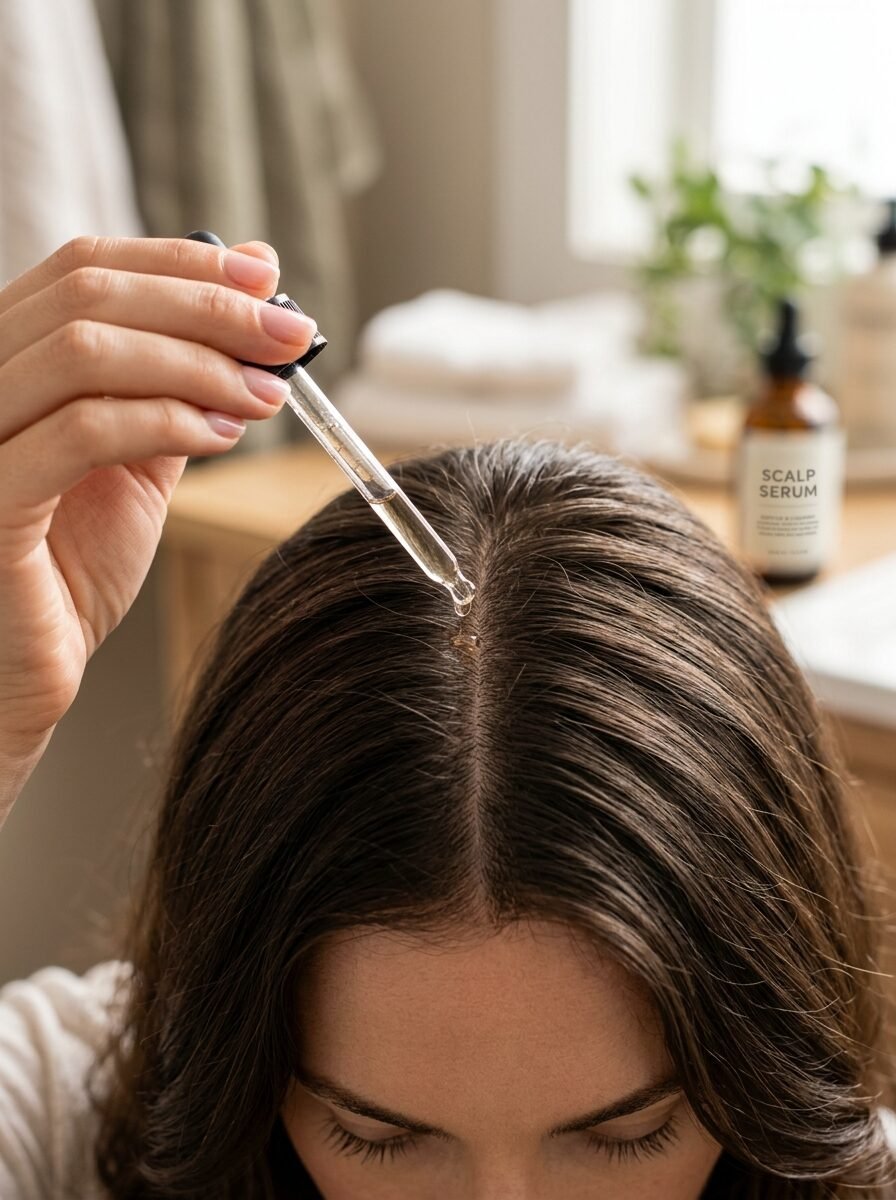
A dry scalp is not the same as dandruff. Dandruff is usually oily and caused by a fungus. Dry scalp is just like dry skin on your hands. It flakes because it lacks moisture. I noticed my scalp getting flaky every November. I thought I had dandruff and used a harsh shampoo. It made the problem ten times worse. If your scalp feels tight and itchy, it needs oil. I use a few drops of jojoba oil on my fingertips and rub it directly into the itchy spots.
If you do have actual dandruff, use a targeted treatment like Nizoral. But only use it on the scalp. For most people, a simple scalp scrub once a month is enough. You can make one at home with brown sugar and your favorite oil. It removes dead skin cells and lets your scalp breathe. Healthy hair starts at the scalp. If your scalp is happy, your hair will grow faster and stronger. Don’t ignore the itch. Treat it with moisture first.
1. How often should I wash my curly hair in winter?
Most curly hair women should wash their hair once a week. If your hair is very dry, you can go longer. Use a co-wash between full shampoo days to keep your scalp clean. This prevents the cold air from stripping your natural oils too often.
2. Can I use a regular towel on my curls?
No. Regular towels cause frizz and breakage. Use a microfiber towel or a plain cotton T-shirt. These fabrics are smoother and won’t snag your curls. I saw a huge drop in frizz once I made this switch.
3. Do I really need a silk pillowcase?
Yes. Silk doesn’t soak up moisture like cotton does. It lets your hair glide as you move at night. It also helps reduce wrinkles on your face by keeping your skin hydrated. It is a win for your hair health and your skin.
4. How do I fix hair that is already brittle?
Start with a deep conditioning treatment. Use a product with honey or aloe vera. These are humectants that pull moisture into the hair. If the ends are very bad, a small trim is the only way to stop the damage.
5. What is the best way to wear a hat with curls?
Always choose a hat with a silk or satin lining. If you don’t have one, wrap your hair in a silk scarf before putting on your hat. This stops the wool from sucking the life out of your curls.
6. How can I stop my hair from getting flat in winter?
Avoid heavy oils on your roots. Use a pick to fluff your hair at the scalp. If the air is very dry, use a humidifier at home. This keeps your hair from losing the volume that comes with hydration.
7. Is leave in conditioner enough for winter?
Usually, no. You need to seal that leave in conditioner with a cream or an oil. In my experience, the “seal” is what makes the moisture last more than a few hours.
8. Can I air dry my hair in the winter?
You can air dry indoors, but never go outside with wet hair. The water in your hair can actually freeze. This causes the hair shaft to expand and break. Always make sure your hair is 100% dry before leaving the house.
9. Why does my hair feel crunchier in the cold?
Extreme cold can make some gels feel stiff or “crunchy.” Switch to a moisturizing cream or a film-forming gel that contains marshmallow root or flaxseed. These stay flexible even in low temperatures.
10. How do I deal with “winter knots” at the neck?
These happen when your hair rubs against coat collars. Wear your hair in a high bun or a braid. If you get a knot, use a lot of conditioner and a wide tooth comb to gently work it out.
11. Does drinking water help my hair moisture?
Yes. Hydration starts from the inside. If you are dehydrated, your body will pull water away from your hair to feed your organs. Drink plenty of water even when it is cold outside.
12. Should I use heat tools more or less in winter?
Use them less. Your hair is already struggling with dryness. Adding a flat iron or a curling wand will only make brittle hair worse. Stick to heat-free styles as much as possible.

Winter hair care is a marathon. It requires patience and the right products. You cannot fix dry curls overnight. But if you follow these steps, you will see a difference. Start with a good leave in conditioner. Swap your pillowcase for silk. Protect your ends with loose styles. Most importantly, listen to your hair. If it feels dry, give it moisture. If it feels weak, give it a trim. Your hair health is an investment that pays off in the spring. I have seen these changes work for me and many other curly hair women. You can have beautiful, bouncy curls even in the middle of a blizzard. It just takes a little extra love and the right routine.

Sarah Mitchell — Founder & Editor-in-Chief
Sarah Mitchell is the founder and editorial voice behind Hair Level Up. A licensed cosmetologist with more than 15 years of experience, she has styled A-list celebrities for editorial shoots and red carpets, with work featured in Vogue, Elle, and Harper’s Bazaar. Early in her career, she trained under the legendary hairstylist Oribe in New York, an apprenticeship that still shapes her editorial eye today. Sarah founded Hair Level Up in 2020 after one bad haircut convinced her that women deserved a destination that felt like a magazine, taught like a stylist, and inspired like an art gallery. She oversees every story from concept to publication, guided by a simple belief: a good story teaches you something, but a great one makes you feel beautiful while it does.