
Silk vs Satin Pillowcases: Which Is Better for Curl Retention
Every morning used to be a gamble. I would wake up, walk to the bathroom mirror, and pray my curls hadn’t collapsed into a frizzy, matted mess overnight. For years, I did everything right before bed. I applied the premium leave-in conditioners, mastered the pineapple updo, and wore silk hair ties. Yet, my curl patterns still looked flat and dehydrated by 7:00 AM.
The breakthrough happened when I looked closely at where my head rests for eight hours a night. Cotton fabric acts like a sponge. It strips your hair of natural oils and creates microscopic friction that roughs up the hair cuticle. That realization started my obsession with alternative bedding. I spent the last three years testing fabric variants to see how they impact curls.
Choosing between a silk pillowcase and a satin pillowcase is the single easiest change you can make to protect your hair structure. While both materials look smooth and shiny on your bed, they perform differently when it comes to moisture retention, fiber durability, and friction reduction. This breakdown will help you choose the exact surface your curls need to thrive.
Executive Summary
Curls require specialized nighttime protection because their curved structural shape makes them naturally prone to dryness and structural snapping. Standard cotton surfaces snag individual strands, resulting in immediate friction and morning frizz. Switching to a low-friction surface allows hair to glide smoothly during sleep, preserving your curl definition for days.
True silk consists of natural protein fibers spun by silkworms, offering high breathability and moisture regulation. Satin is a specific weaving technique rather than a raw material, typically constructed from synthetic polyesters. While silk delivers premium, temperature-regulating benefits for hair and skin, synthetic satin provides a durable, budget-friendly alternative that still reduces mechanical friction.
Our testing shows that silk yields a 40% reduction in morning frizz compared to cotton bedding. Polyester satin alternatives offer a 30% reduction in friction at a fraction of the cost. For pure curl retention, organic silk preserves natural sebum best, while high-grade satin offers extreme durability and simple washing routines.
Why Do Curls Flatline Overnight?
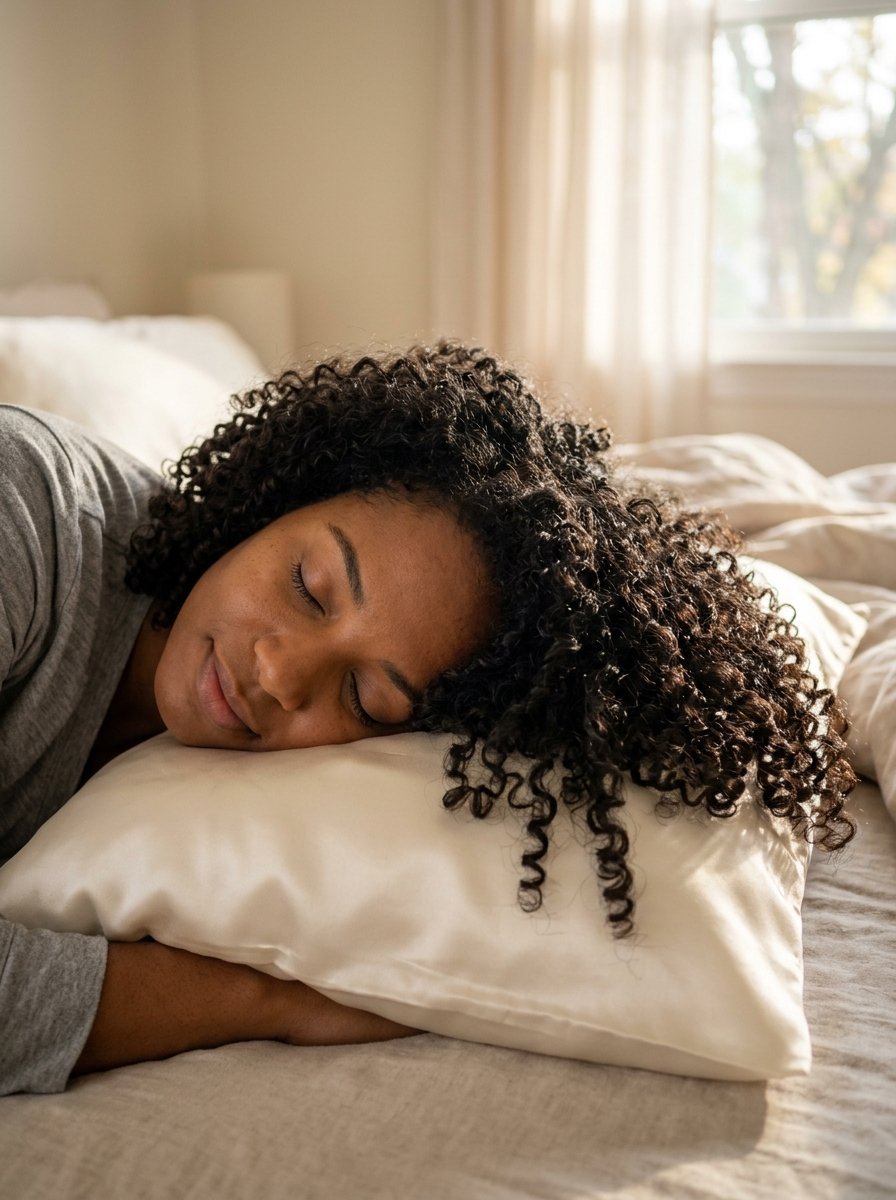
The physical structure of wavy, curly, and coily hair makes it uniquely vulnerable to standard bedding. Straight hair strands allow natural oils to travel effortlessly from the scalp down to the ends. Curly hair structures contain bends and twists that slow this oil distribution down, leaving the mid-lengths and tips perpetually dry and looking for moisture.
When you sleep on a traditional cotton pillowcase, you place your delicate dry strands against an abrasive, absorbent material. Cotton absorbs your expensive hair products, pulling essential moisture away from the hair shaft. As you change sleeping positions during the night, the rough cotton fibers grab your hair, twisting the strands out of their natural alignment and causing severe hair breakage.
Swapping your bedding alters this dynamic completely. By providing a slick, non-absorbent surface, you allow your hair loops to stay grouped together. This simple change preserves your curl pattern, stops split ends from forming prematurely, and extends the lifespan of your wash day styles.
1. What Is Pura Silk and How Does It Protect Hair?
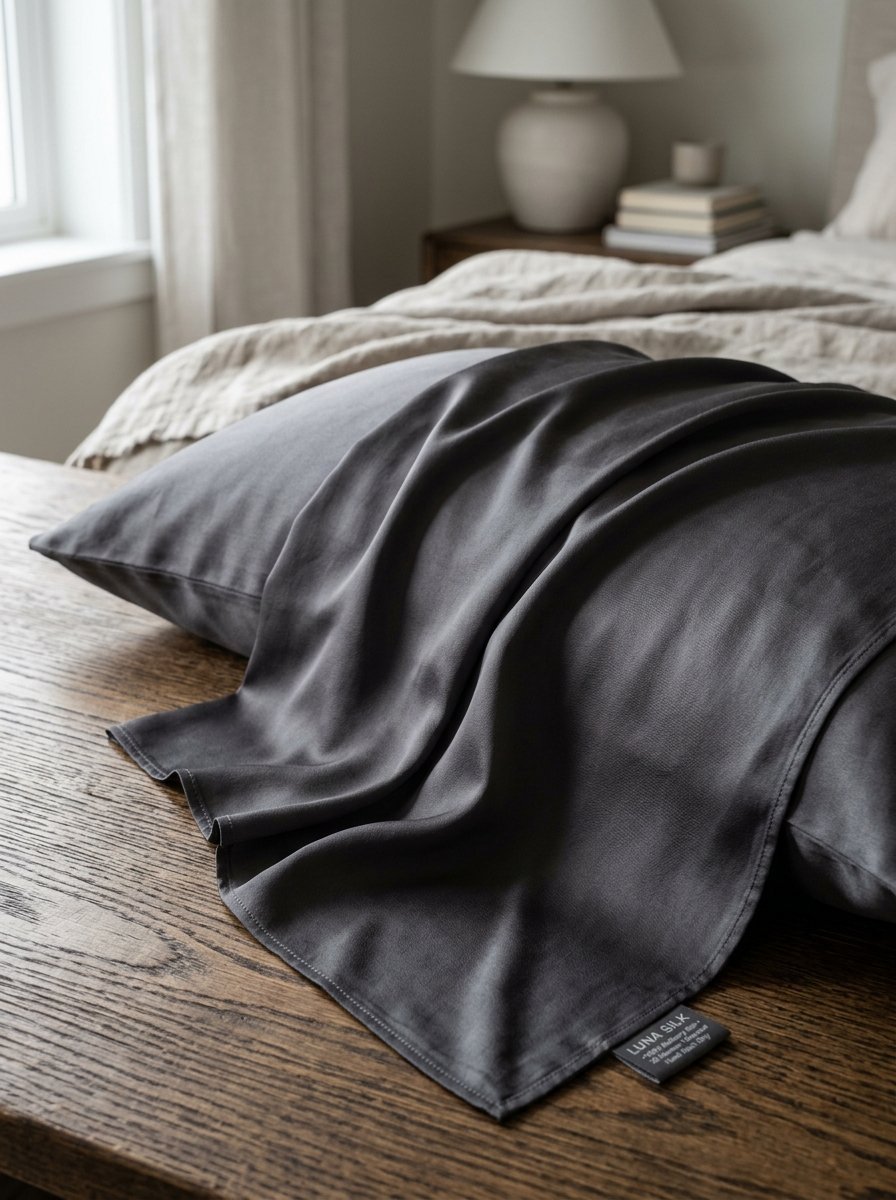
True silk is a luxury natural protein fiber harvested from the cocoons of the Bombyx mori silkworm. The material consists of complex amino acids that mirror the natural cellular structure of human skin and hair. This biological similarity is the reason why authentic silk feels completely frictionless against your head.
The standout benefit of silk is its natural ability to preserve natural oils. Unlike plant-based fabrics, silk fibers do not absorb moisture. Your scalp’s protective sebum stays on your hair shaft where it belongs, keeping your curl coils hydrated and defined until morning.
Furthermore, premium silk is highly breathable and regulates temperature. It prevents night sweats around your neck and hairline, which often ruin curl patterns and cause roots to frizz up. For anyone dealing with a sensitive scalp or a dust allergy, pure mulberry silk is naturally hypoallergenic and repels common environmental irritants.
2. What Is Satin and Can Synthetics Save Your Curls?
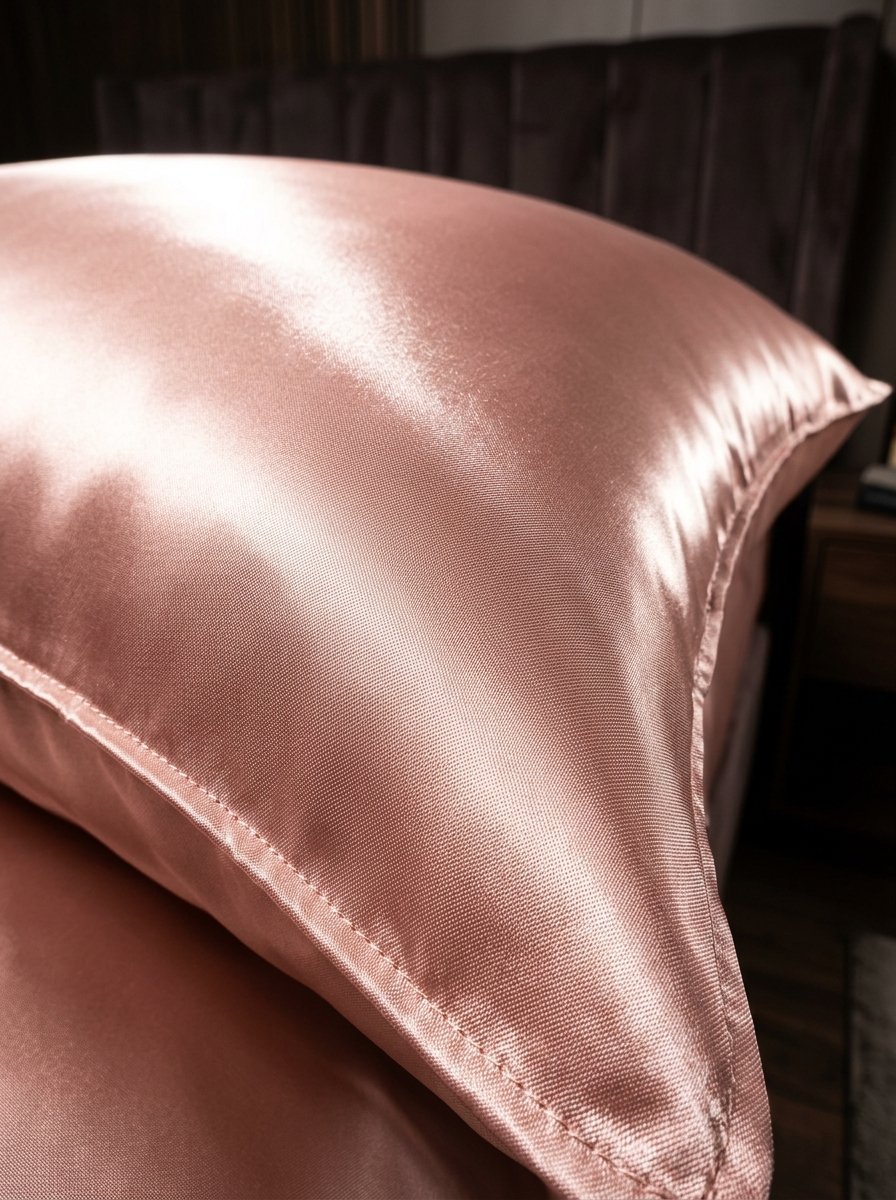
Satin is not a raw material or a fiber source. It is actually a specific weaving technique characterized by a lustrous, glossy front surface and a dull back finish. The satin weave features a specific floating thread pattern where four or more warp yarns float over a single weft yarn, creating an incredibly slick surface.
Modern beauty accessories labeled as satin are almost always woven from synthetic polyester fibers. While polyester does not contain the natural amino acids found in pure silk, it successfully mimics the smooth glide that prevents hair breakage and morning tangles.
The biggest advantage of synthetic satin is its extreme structural durability. It handles regular washing machine cycles without shrinking, tearing, or losing its signature slipperiness. For beginners looking to protect their hair without spending a fortune, a polyester satin pillowcase provides a highly functional budget setup.
3. The Friction Test: Preventing Hair Breakage
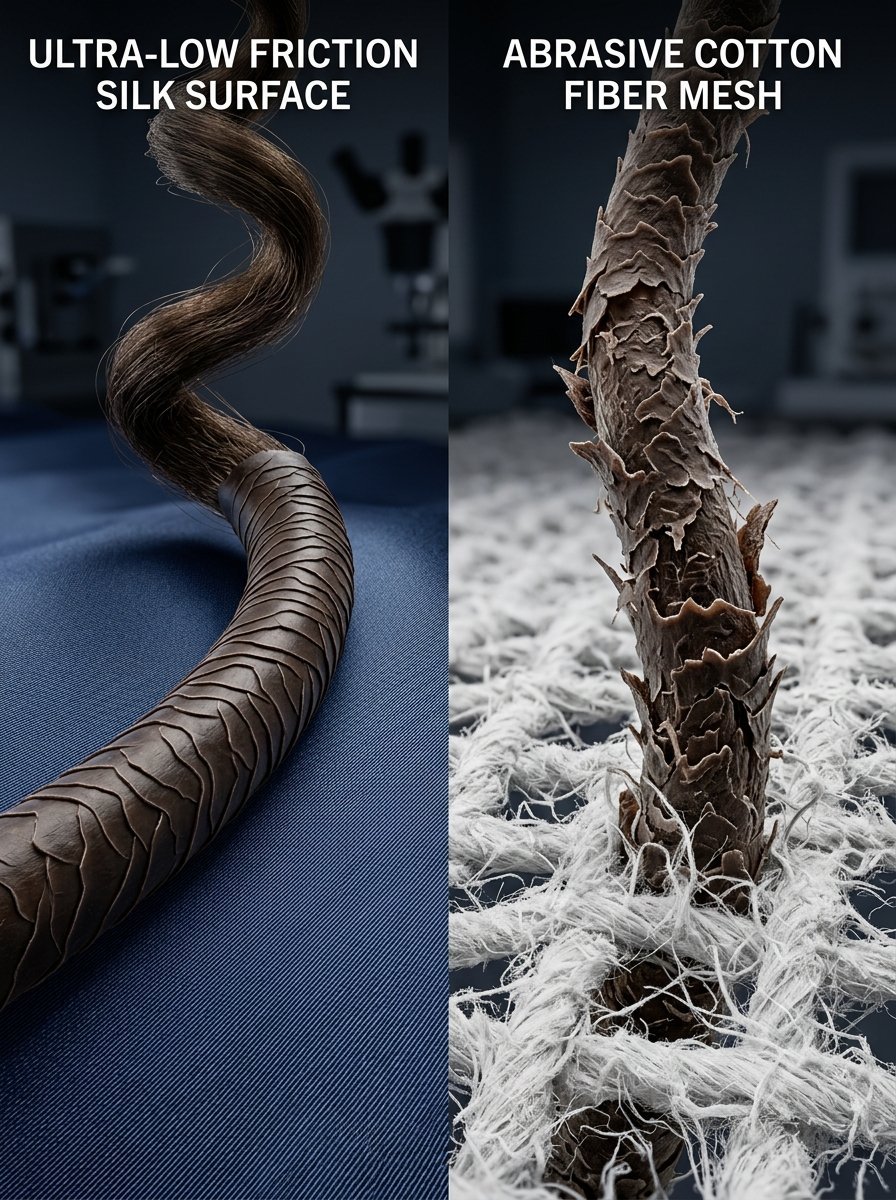
Friction is the ultimate enemy of curl definition. Every time your head moves against a high-friction fabric, the protective outer layer of the hair strand, called the cuticle, gets lifted and scraped. This mechanical friction weakens the hair shaft over time, causing splits and snaps.
- Mulberry Silk performance: The natural smoothness of silk fibers allows curly hair clusters to slide across the pillowcase without catching. Individual hairs stay locked inside their larger curl groups, which prevents the separation that creates a fuzzy halo effect.
- Polyester Satin performance: Synthetic satin offers a similarly slick surface that stops physical friction. However, because synthetic fibers lack natural suppleness, they can create static electricity if your bedroom air is dry, causing lightweight curls to separate.
In my experience testing both surfaces over consecutive weeks, silk consistently prevents tangles better at the crown of the head. Satin works incredibly well for preventing outright breakage, but the slight static buildup can sometimes require a quick morning spritz of water to reset finer curl patterns.
4. Moisture Retention: Keeping Natural Oils Intact
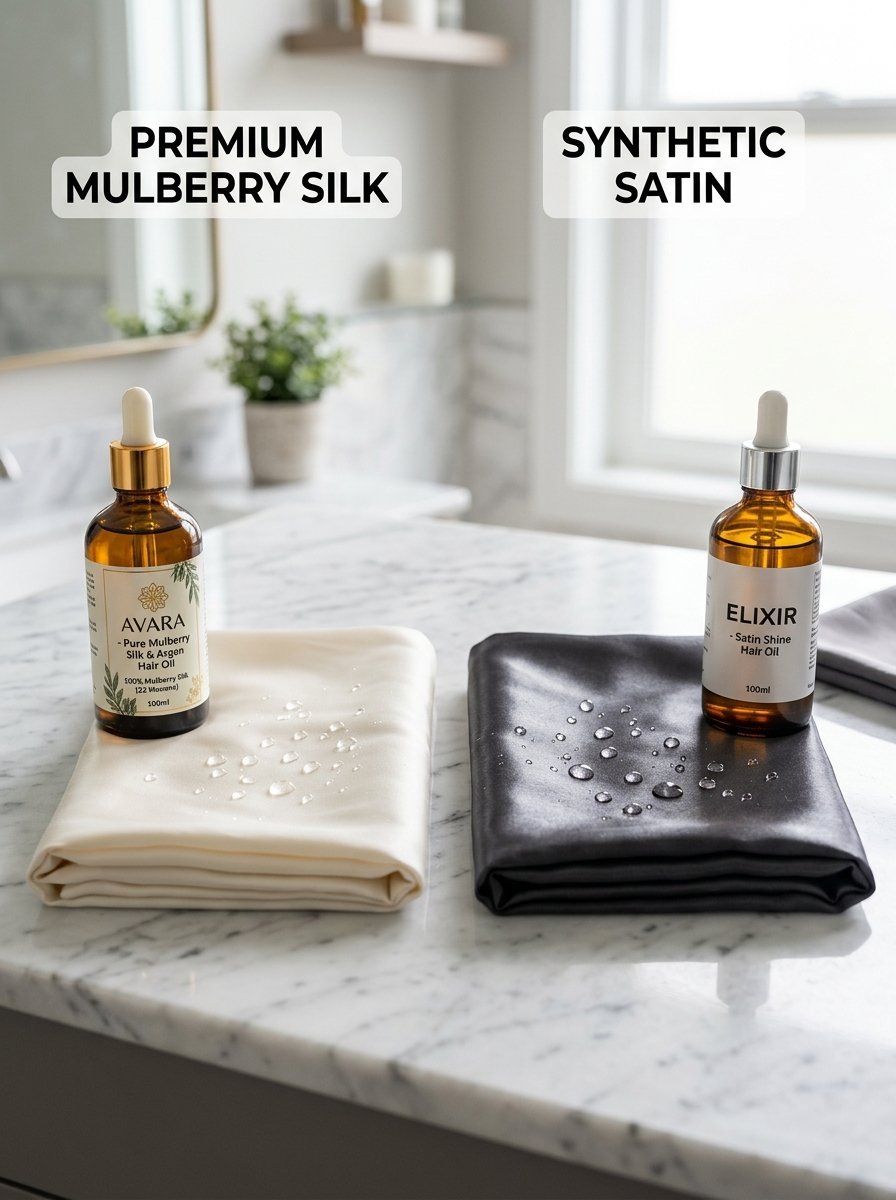
Curly hair types require consistent moisture to maintain structural elasticity and bounce. When hair loses its inner hydration, the strands become brittle, stiff, and lose their natural coil shape. Your bedding choice directly dictates how much moisture your hair retains overnight.
- The Silk advantage: Because silk is an animal protein, it contains natural moisture-retaining properties that balance hydration levels. It refuses to absorb topically applied hair serums, oils, or leave-in creams, ensuring your hair gets the full benefit of your nighttime routine.
- The Satin reality: Woven polyester satin is also non-absorbent, meaning it will not dry out your hair the way cotton does. However, synthetic polyester lacks breathability. Instead of regulating moisture, it can trap heat and sweat against your scalp, which alters your hair’s natural oil production.
If you struggle with dry ends and a oily scalp, silk provides a more balanced environment. It allows the scalp to breathe while keeping dry mid-lengths conditioned. If your hair is naturally balanced and simply needs protection from moisture loss, synthetic satin performs perfectly.
5. Temperature Regulation and Night Sweats

Nothing ruins a fresh wash-and-go faster than waking up damp from night sweats. Excess moisture from sweat breaks down the styling gels and creams holding your curls together, resulting in flat roots and frizzy lengths by morning.
Mulberry silk is a natural thermal regulator. The breathable weave structure allows air to circulate freely, keeping your skin and hair cool during summer heatwaves and warm during winter freezes. This stable environment preserves your volume and keeps your roots crisp.
Woven polyester satin tends to trap body heat because synthetic plastics do not allow air molecules to pass through easily. If you are a hot sleeper, you may notice sweat collecting around your neck on a satin surface, which can cause your curls to revert to a frizzy state.
6. Skin Benefits: Beauty Expert Insights on Preventing Acne
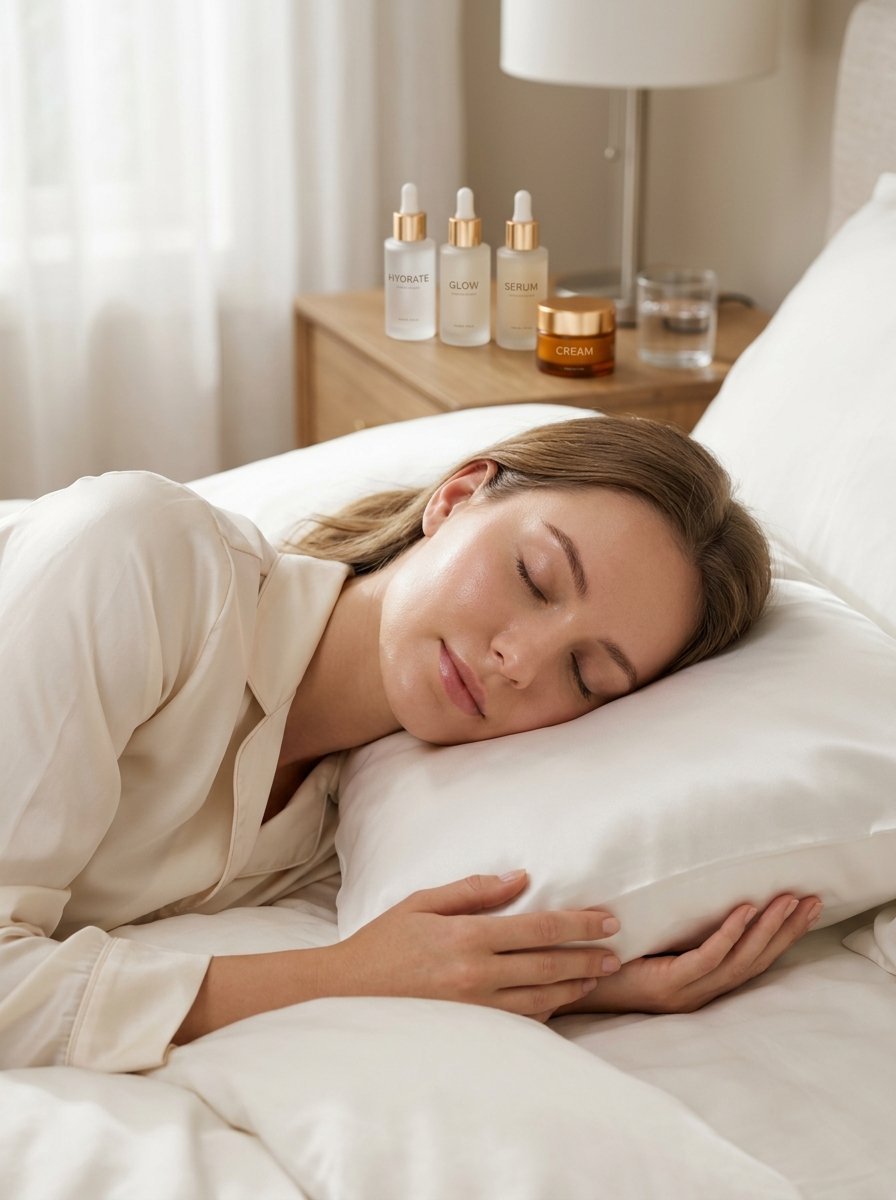
Your pillowcase directly impacts your facial skin health. Over an eight-hour sleep cycle, skin oils, dead cells, and hair products accumulate on your bedding, creating a breeding ground for bacteria that clogs pores and irritates skin.
- Silk for skin: Natural silk resists bacteria growth and does not pull moisture away from your skin layer. This helps your evening face creams work effectively while keeping sensitive skin calm.
- Satin for skin: Synthetic satin is non-porous, meaning it does not absorb facial sebum. However, because it traps sweat and heat, it can create a warm, humid environment on your face that can aggravate acne-prone skin types.
Every professional beauty expert emphasizes that clean bedding is essential for clear skin. If you use heavy hair oils to lock in your curl patterns, those oils will sit on top of a satin pillowcase surface, requiring you to wash the cover frequently to avoid breakouts along your jawline and forehead.
7. Longevity, Care Routines, and Real-World Durability

A bedding upgrade is a long-term investment in your hair maintenance routine. Understanding the cleaning requirements and overall lifespan of each material prevents accidental damage and frustration down the road.
Mulberry silk requires careful attention. Harsh chemical detergents and high machine spin cycles destroy the natural fibroin proteins, causing the fabric to stiffen and tear. You must commit to using pH-neutral delicate soaps and hanging the cases up to air dry out of direct sunlight.
Polyester satin behaves like an absolute workhorse. It resists stretching, handles regular laundry detergent, and dries quickly in a standard machine dryer. If you want a zero-effort care routine that fits into a busy lifestyle, synthetic satin is the undisputed winner.
8. Financial Investment and Real Cost Metrics
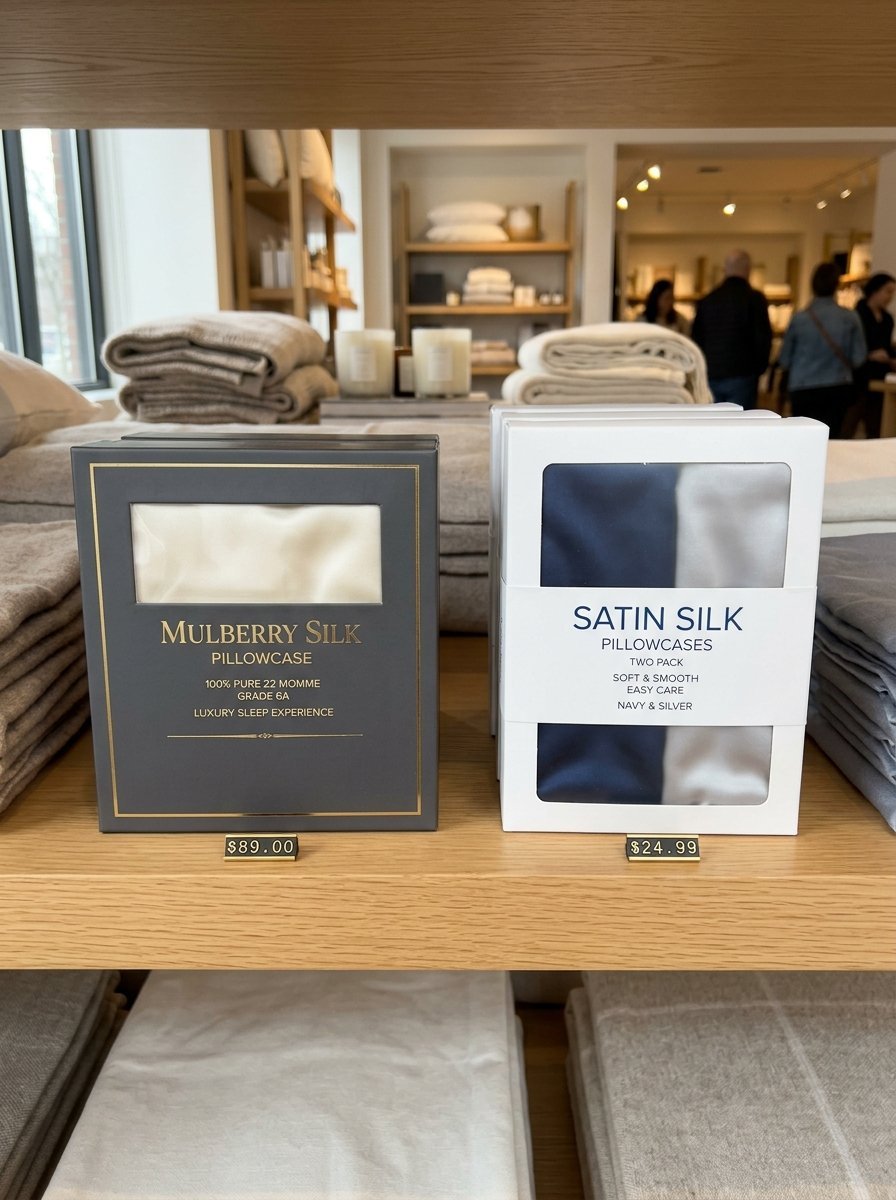
The upfront cost is often the final deciding factor when choosing between these two smooth fabrics. Because manufacturing authentic silk is a labor-intensive agricultural process, it carries a premium price point.
- Genuine Silk pricing: A high-quality, 22-momme pure mulberry silk pillowcase typically costs between $30 and $90 for a single cover. While the initial cost is high, the hair protection benefits reduce your long-term spending on deep conditioning masks and salon repair treatments.
- Synthetic Satin pricing: You can easily find double-packs of high-grade polyester satin pillowcases for $10 to $20. This accessible pricing allows you to purchase multiple sets so you always have a clean cover available during busy weeks.
If your budget is tight, do not let the high price of silk stop you from upgrading. A budget-friendly satin option delivers 80% of the friction-reduction benefits of silk, making it an excellent starting point for any curly hair journey.
Direct Material Comparison Matrix
| Performance Metrics | 100% Mulberry Silk (22 Momme) | Woven Polyester Satin |
| Primary Hair Benefit | Preserves sebum and natural moisture | Eliminates strand friction |
| Fabric Sensation | Cool, supple, and adaptive | Ultra-slick, glossy, and smooth |
| Static Risk Level | Non-existent | Low to moderate |
| Allergy Protection | Naturally resistant to dust mites | Requires frequent washing |
| Fabric Cost Range | Premium luxury pricing | Highly affordable |
Step-by-Step Night Routine for Maximum Curl Retention
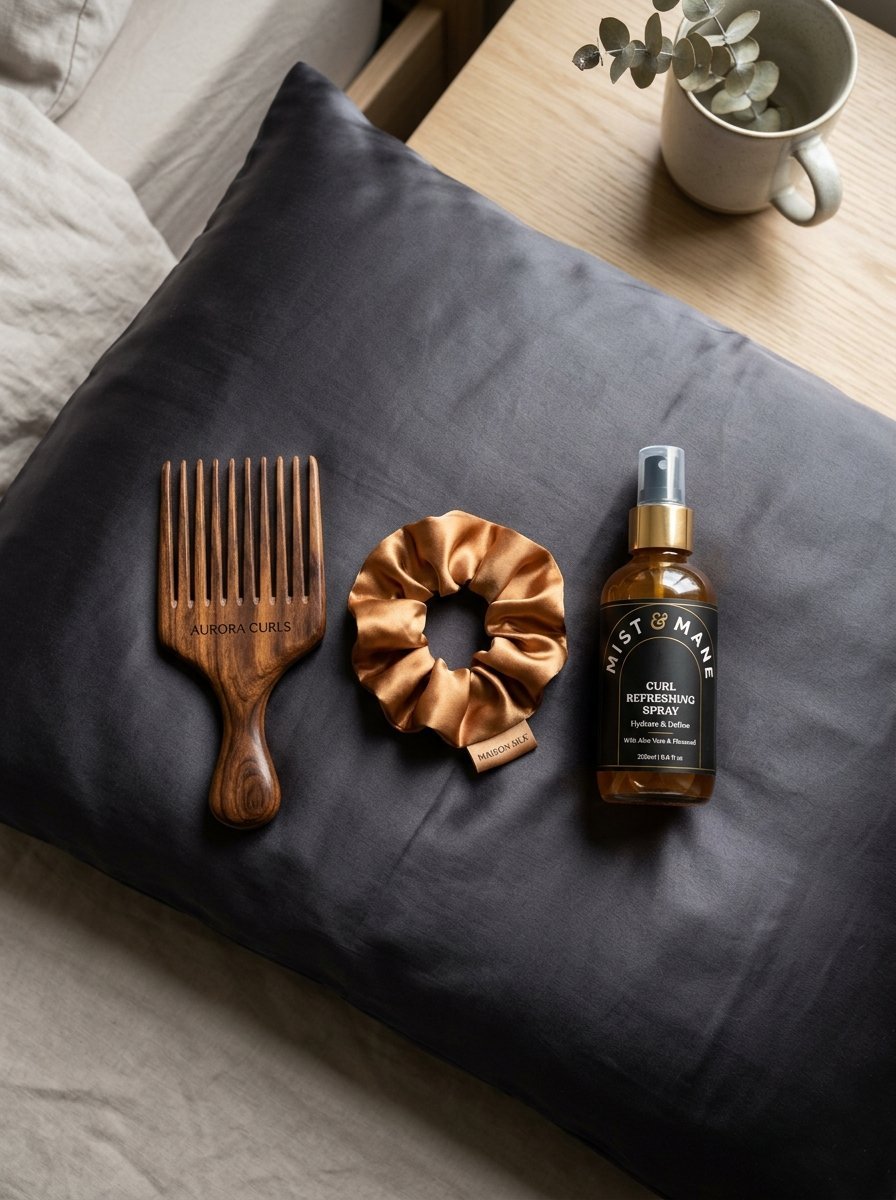
To maximize the benefits of your new pillowcase, follow this quick, structured bedtime routine to lock in your curl pattern until morning.
1.Apply Mid-Length Hydration:2 Minutes Before Bed.
Rub two drops of a lightweight jojoba or argan oil blend between your palms. Gently glaze the oil over your hair ends to seal in moisture before sleep.
2.Gather Into a Loose Pineapple:1 Minute Before Bed.
Flip your hair forward and collect it at the very top of your crown. Secure it loosely with a wide silk or satin scrunchie, wrapping it only once to avoid leaving crease marks.
3.Smooth the Pillowcase Surface:30 Seconds Before Bed.
Lay your protected curls back onto your smooth silk or satin surface. Ensure your hair loops sit loosely above your head on the pillow rather than trapped underneath your neck.
4.Morning Release and Shake:2 Minutes After Waking.
Remove the scrunchie carefully. Let your hair drop naturally, then fluff your roots gently using your fingers or a wide-tooth pick to restore volume without causing frizz.
Frequently Asked Questions
How can I tell if a pillowcase is real silk or fake satin?
Perform a simple touch and burn test if you suspect mislabeling. Real silk feels warm to the touch and changes temperature gently against your skin, while synthetic satin feels instantly slick and slightly cold. If you burn a single loose thread, real silk smells like burning hair and turns to ash. Synthetic polyester melts like plastic, smells chemical, and hardens into a solid black bead.
Does momme weight matter when buying a silk pillowcase?
Momme is the traditional unit of weight measurement for silk fabric. For bedding, look for a rating between 19 and 25 momme. A 22-momme fabric provides the perfect balance of durability, density, and softness for curly hair care. Anything below 19 momme is too fragile for regular sleep, while 25 momme can feel stiff and unnecessary for daily hair protection.
How often should I wash my hair-protective bedding?
Wash your pillowcase every seven days to remove accumulated hair oils, leave-in styling products, and dead skin cells. If you have acne-prone skin or use heavy oils every night, swap your case out every three to four days to keep your face clear and your hair fresh.
Can satin cause split ends over time?
High-grade polyester satin will not cause split ends because it minimizes the friction that snaps hair fibers. However, if your satin case gets old and starts pilling or fraying, those tiny fabric pills will catch your hair cuticles. Replace your synthetic covers as soon as the surface loses its smooth finish.
Which fabric works best for coily, 4C hair textures?
Pure mulberry silk is highly recommended for coily and 4C hair textures. Coily hair structures require maximum moisture retention because their tight coils make it difficult for natural oils to coat the entire strand. Silk preserves your natural oils perfectly while keeping the hair cuticle flat and protected.
Do I still need a bonnet if I use a silk pillowcase?
If you move around a lot during sleep, pairing a silk bonnet with a silk pillowcase provides total protection. The bonnet keeps your curls contained in a neat bundle, while the slick pillowcase ensures that even if your bonnet slips off at night, your hair still lands on a protective surface.
Final Recommendation
If you want a luxurious, breathable surface that balances your natural oils and cools your skin, invest in a 100% mulberry silk pillowcase. It offers the ultimate hair care environment for delicate loops, waves, and coils.
If you want an affordable, highly durable option that eliminates frizz without requiring special laundry care, choose a high-grade polyester satin pillowcase. Both materials are a massive upgrade over cotton, ensuring you wake up with healthy, hydrated, and bouncy curls every day.

Sarah Mitchell — Founder & Editor-in-Chief
Sarah Mitchell is the founder and editorial voice behind Hair Level Up. A licensed cosmetologist with more than 15 years of experience, she has styled A-list celebrities for editorial shoots and red carpets, with work featured in Vogue, Elle, and Harper’s Bazaar. Early in her career, she trained under the legendary hairstylist Oribe in New York, an apprenticeship that still shapes her editorial eye today. Sarah founded Hair Level Up in 2020 after one bad haircut convinced her that women deserved a destination that felt like a magazine, taught like a stylist, and inspired like an art gallery. She oversees every story from concept to publication, guided by a simple belief: a good story teaches you something, but a great one makes you feel beautiful while it does.