Best Satin Bonnets for Protecting Heatless Curls Overnight
Waking up with crushed curls is a frustrating morning reality. You spend hours wrapping your hair around a robe belt or a foam rod before bed. You expect gorgeous waves when the alarm rings. Instead, you look in the mirror and face a frizzy mess. The culprit is not your curling skills. Your cotton bedding is rubbing against your strands all night. This constant friction breaks your pattern and creates knots.
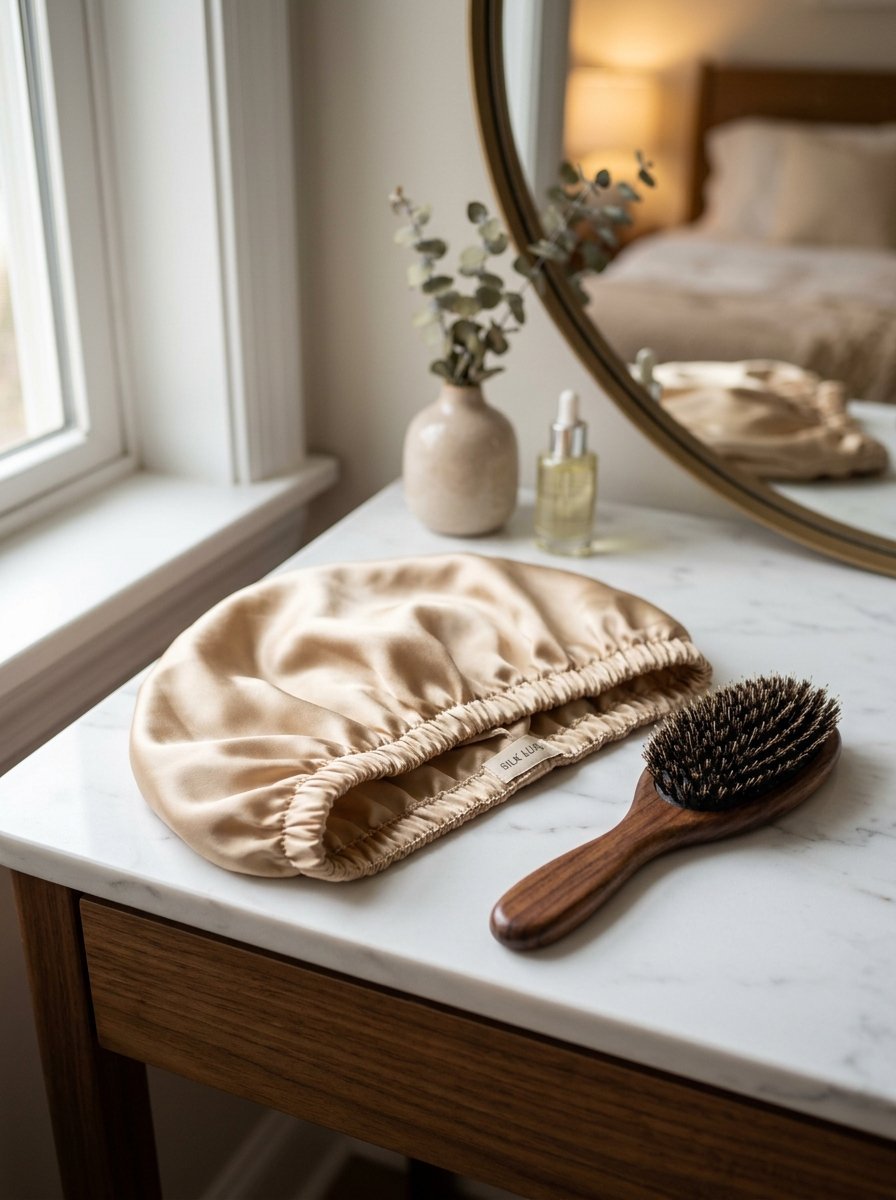
A high-quality satin head covering shields your hair while you sleep. It preserves the shape of your overnight curls without flattening your roots. Many options line the digital shelves. Finding the right choice requires looking at band comfort, size, and material quality. This guide breaks down the top headwear choices to preserve your style until morning.
Waking up with bouncy hair saves you thirty minutes every morning. This review covers eight popular hair shields on the market right now. You will see how different bands perform for thick hair, fine strands, and long extensions. We look at adjustable ties, wide elastic bands, and silk blends. We also test how these items hold up after multiple machine washes. You will find specific product recommendations from popular Amazon beauty products that fit your budget. We share simple adjustments to keep your cap secure until morning. This guide leaves out the guesswork so you can keep your hair smooth and healthy.
Why do your overnight curls flatten or frizz while you sleep?
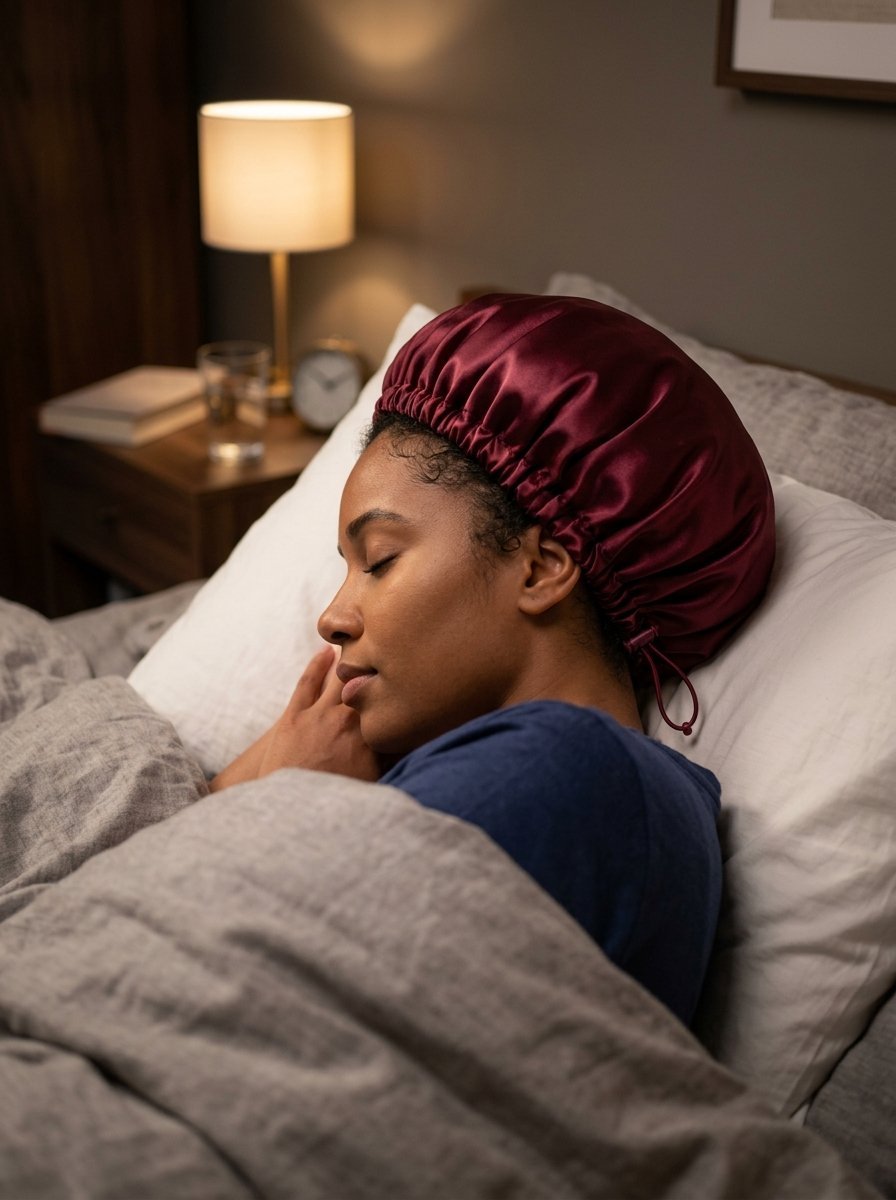
Your head weighs about ten to eleven pounds. When you lie down, that weight presses your hair directly into your bedding. Standard cotton sheets act like tiny hooks on your hair cuticles. As you turn during the night, the cotton fibers pull at your strands. This action strips natural oils and roughs up the hair surface. The result is a cloud of frizz by morning.
Satin provides a slick surface. Your hair glides across the material without friction. This protection keeps your pattern intact. In my experience, switching away from bare cotton saves fragile curls from breaking. I noticed fewer short hairs snapping along my hairline after one week of protection.
Which satin bonnet works best for your specific hair type?
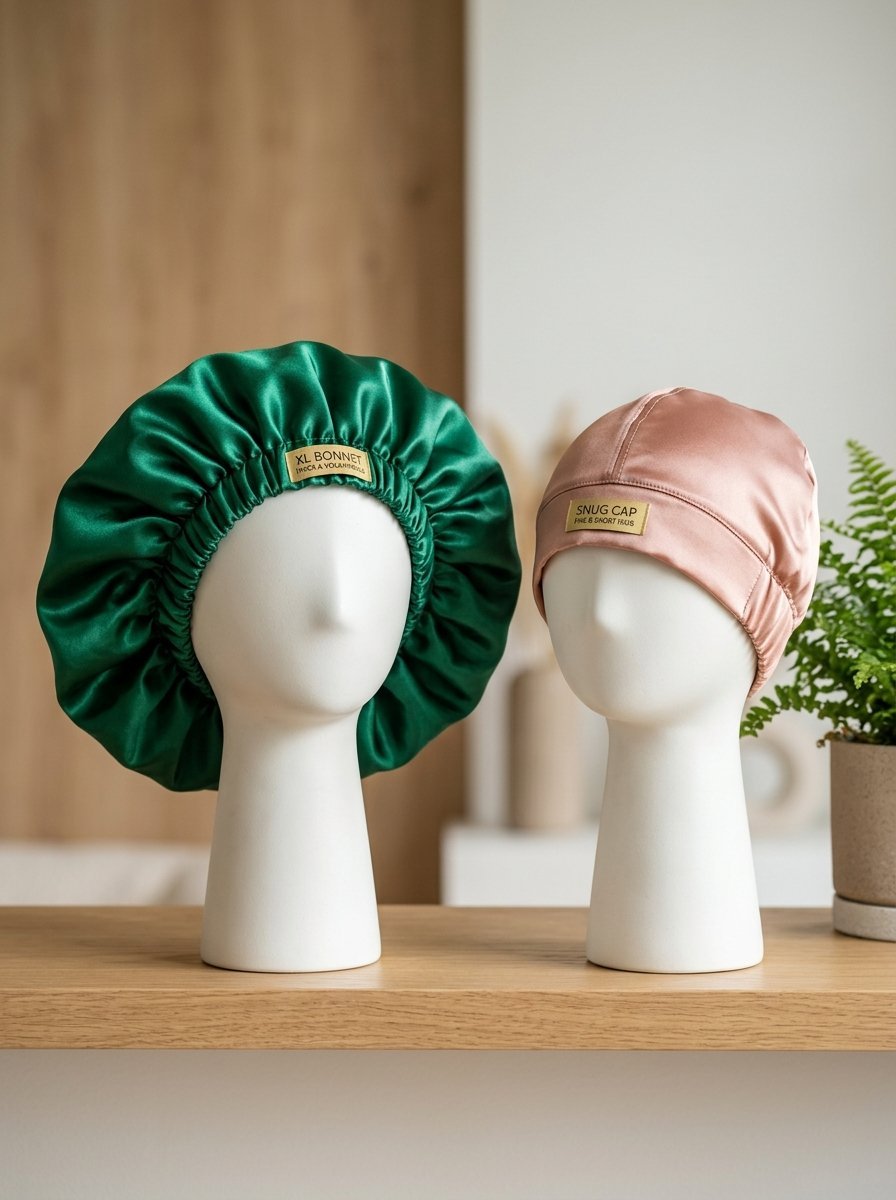
Every head of hair has different needs based on weight, volume, and density. A cap that works for fine waves will crush heavy, thick coils. You must match the inner space of the cap to your hair volume.
Options for thick or long hair
Thick hair requires extra interior room. If the cap is too small, it compresses your volume. This compression leaves you with flat spots. Look for options with a wide cavity or an expandable back panel.
The Glow by Daye large cap is a great fit for heavy volume. It uses a perimeter drawstring to adjust the tightness. I like this design because it leaves plenty of room for long rollers. You do not have to cram your hair inside.
Options for fine or short styles
Fine strands need a snug fit to prevent sliding. Too much extra fabric allows your hair to shift around inside. This shifting creates friction against itself.
The Grace Eleyae satin silk cap features a hidden elastic band. It hugs the head without leaving deep red marks on your skin. I have seen this design keep short rollers secure without crushing the roots.
How do you secure a bonnet so it stays on all night?
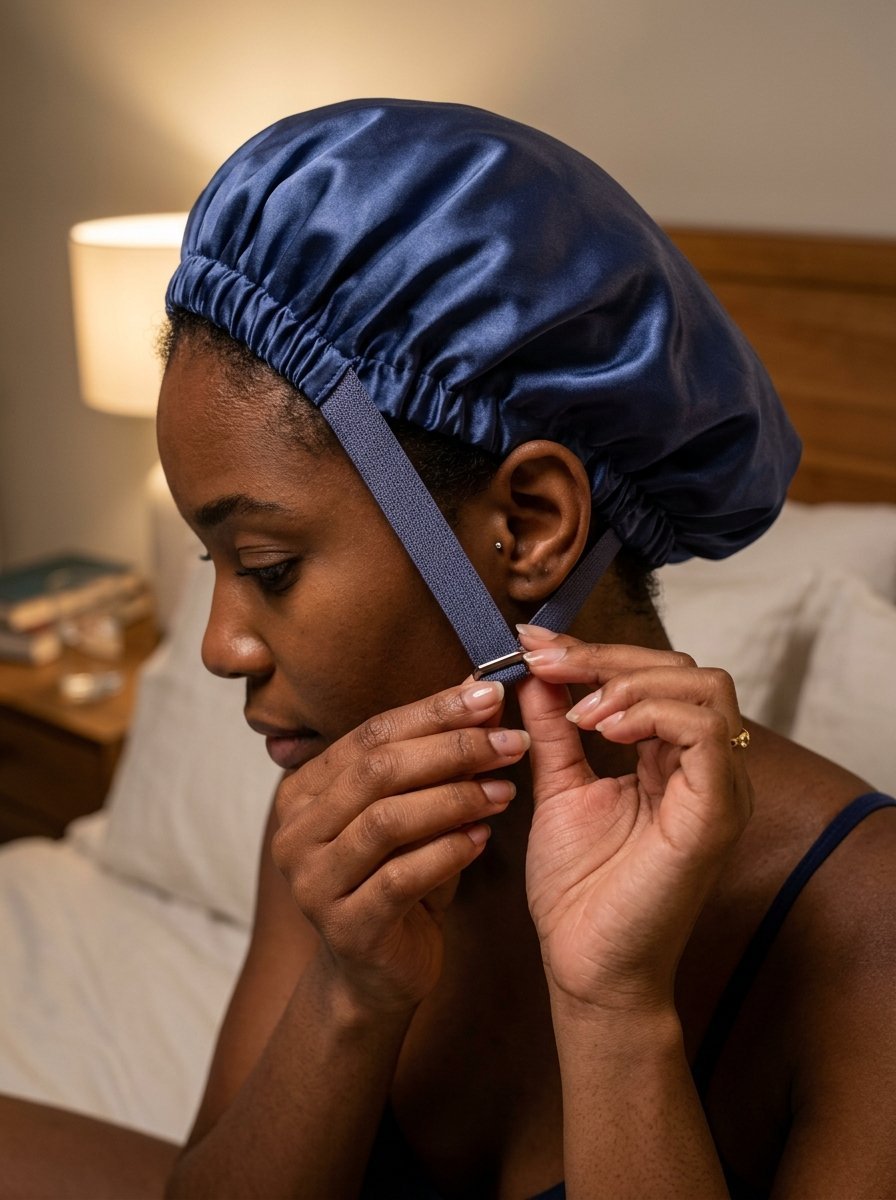
Many people complain that their head covering slips off by midnight. This issue usually happens because of bad placement or oily skin. You can fix this problem with two easy adjustments.
- Clean your hairline before bed. Remove heavy moisturizers or face oils from your skin. Slippery products cause the band to slide up and off.
- Position the band below your ears. Do not place it high up on your forehead. Let the back rest under the base of your skull.
I tried placing the band over my ears last month. It stayed secure, but my ears hurt by morning. Moving the band just below the ear lobes keeps it stable without causing pain.
Real comparison of top satin bonnets on Amazon
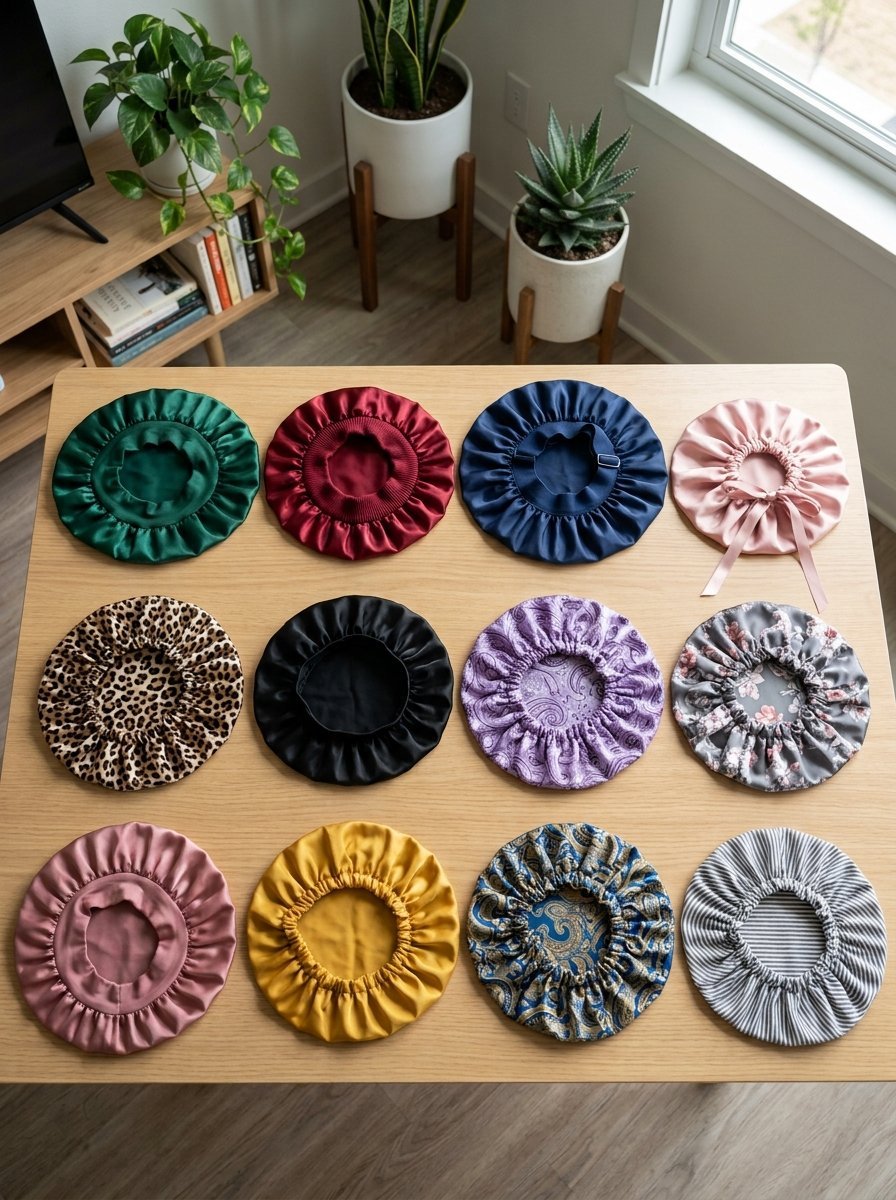
The market offers hundreds of hair protection items. Testing every option wastes your time and money. Here is an honest breakdown of eight popular choices available right now.
| Brand Name | Price Range | Band Type | Best For | Material Durability |
| Yanibest Adjustable | $12 – $15 | Elastic with Slider | Long Waves | Medium |
| Grace Eleyae Slap | $20 – $25 | Wide Covered Elastic | Fine Strands | High |
| Glow by Daye | $18 – $22 | Perimeter Drawstring | Heavy Volume | High |
| LilySilk Mulberry | $35 – $40 | Silk Ribbon Ties | Fragile Hair | Medium |
| Kitsch Satin | $15 – $18 | Wide Flat Band | Daily Wear | High |
| Evolve Wide Band | $5 – $8 | Stretchy Fabric | Short Hair | Low |
| Stay On Satin | $6 – $9 | Satin Edge Tie | Budget Users | Low |
| Humby Double Lined | $16 – $20 | Toggle Cord | Coily Textures | Medium |
Honest assessments of popular hair protection brands
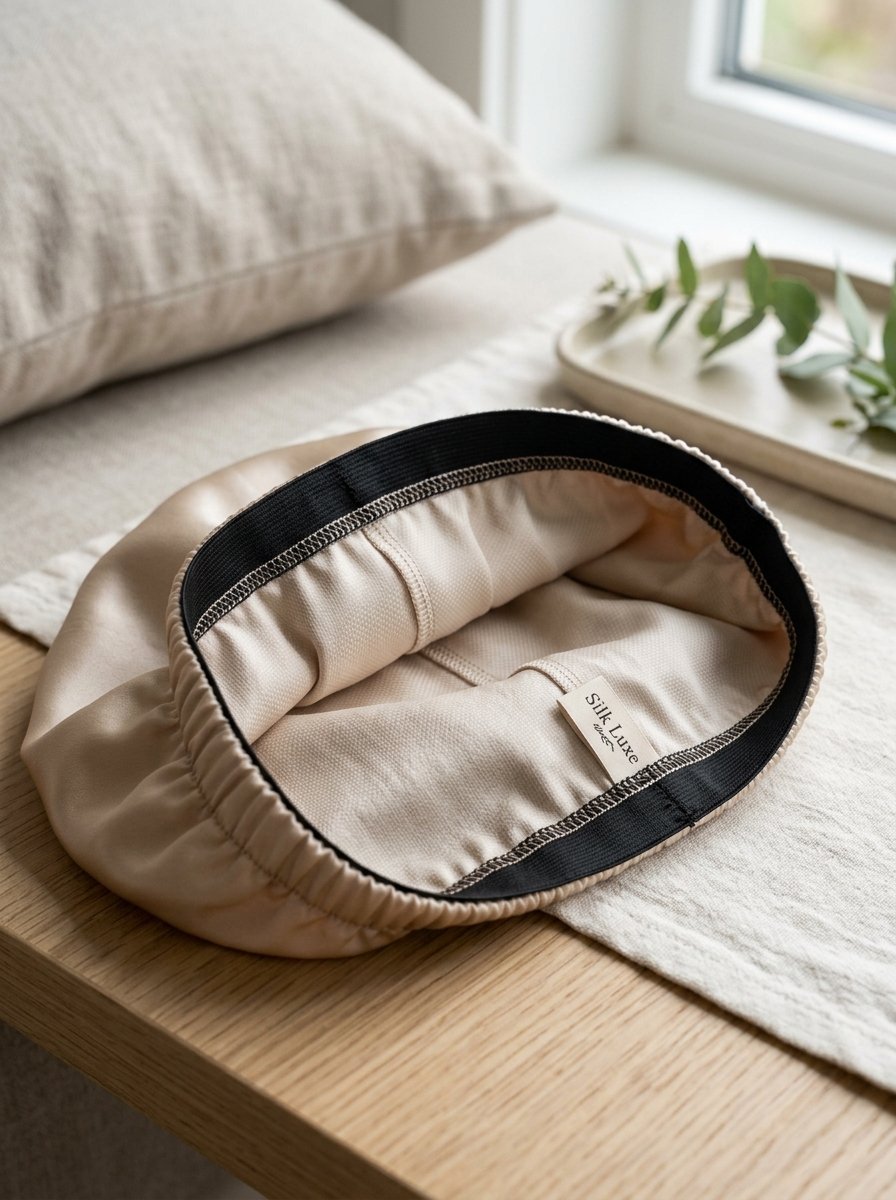
Selecting the right product involves looking past marketing claims. Each brand has specific strengths and flaws that appear after weeks of continuous use.
Yanibest Adjustable Cap
This product features an adjustable strap on the back. It allows you to tighten the circumference without using a hard plastic buckle.
- Pros: The inner lining is smooth. It accommodates mid-length styles easily.
- Cons: The adjustment slider can loosen over time if you toss and turn frequently.
Grace Eleyae Satin Slap
This option looks like a casual beanie on the outside. The interior features premium satin lining.
- Pros: It looks nice enough to wear outside the bedroom. The wide band distributes pressure evenly.
- Cons: The fabric feels heavy during hot summer nights.
Glow by Daye Cap
This brand offers a double-lined reversible cap. It provides twice the layer of protection against moisture loss.
- Pros: The high fabric quality resists tearing. It works well with damp setting products.
- Cons: The toggle cord can feel bulky if you sleep flat on your back.
LilySilk Mulberry Hat
This item uses real silk instead of synthetic polyester satin. It regulates temperature well.
- Pros: It feels incredibly soft and cool on the skin. It prevents sweating.
- Cons: The price tag is high. You must hand wash this item to avoid ruining the shape.
Kitsch Satin Cap
This product features a wide elastic edge that sits flat on the forehead. It aims to reduce friction on delicate baby hairs.
- Pros: It stays in place without requiring constant adjustments. The fabric dries quickly.
- Cons: The elastic loses its snap after six months of regular washing.
Evolve Wide Band Bonnet
This budget option is available in most grocery stores and pharmacies. It features a basic single-layer design.
- Pros: It is highly affordable and lightweight.
- Cons: The rough inner seams can catch on fragile hair strands.
Stay On Satin Cap
This cap uses a special fabric treatment to prevent sliding on satin pillowcases.
- Pros: The cost is low. It does not slip easily off the head.
- Cons: The material feels thin and rough compared to premium choices.
Humby Double Lined Cap
This choice offers an extra-large design with a secure toggle system.
- Pros: It holds the longest hair extensions without bending the tips.
- Cons: The extra fabric can overwhelm people with small heads or short styles.
What common mistakes ruin your overnight hair protection routine?
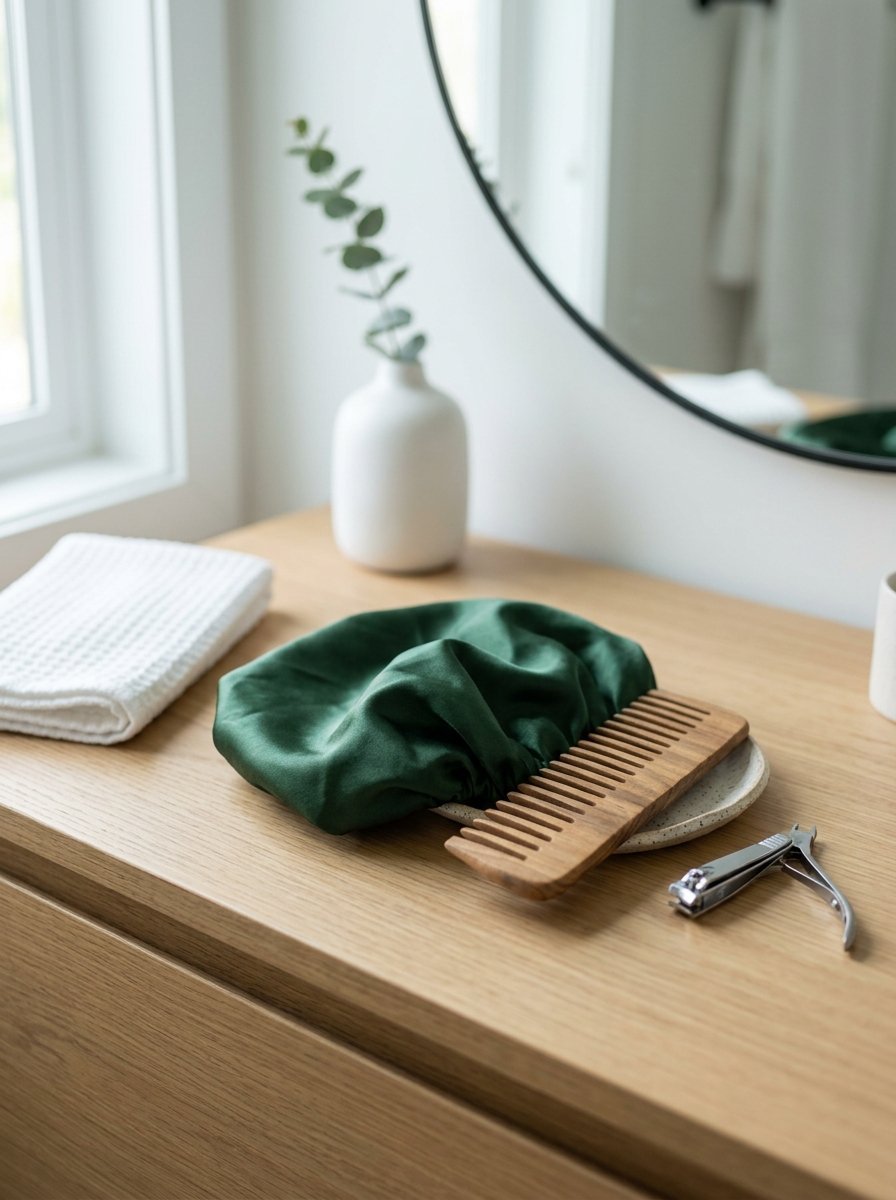
Even the best cap will fail if your preparation is wrong. Avoid these common missteps to keep your hair looking healthy.
- Putting a cap over soaking wet hair. This traps moisture against your scalp for hours. It can cause fungal issues or weaken the hair shaft. Your hair should be ninety percent dry before wrapping.
- Neglecting sharp fingernails. Rough nails snag fine satin weaves when you tuck your hair inside. Keep your nail essentials close by to smooth down sharp edges before handling your cap.
- Using the wrong winter gear. Some people wear a heavy fleece hat over their curls in cold weather. Fleece absorbs moisture quickly and creates massive frizz. Stick to a lined cap instead.
I once rushed to bed with damp hair inside a tight cap. I woke up with flat roots and an itchy scalp. Now I always ensure my hair is dry to the touch before putting the cap on.
Case studies: Real results from overnight hair protection
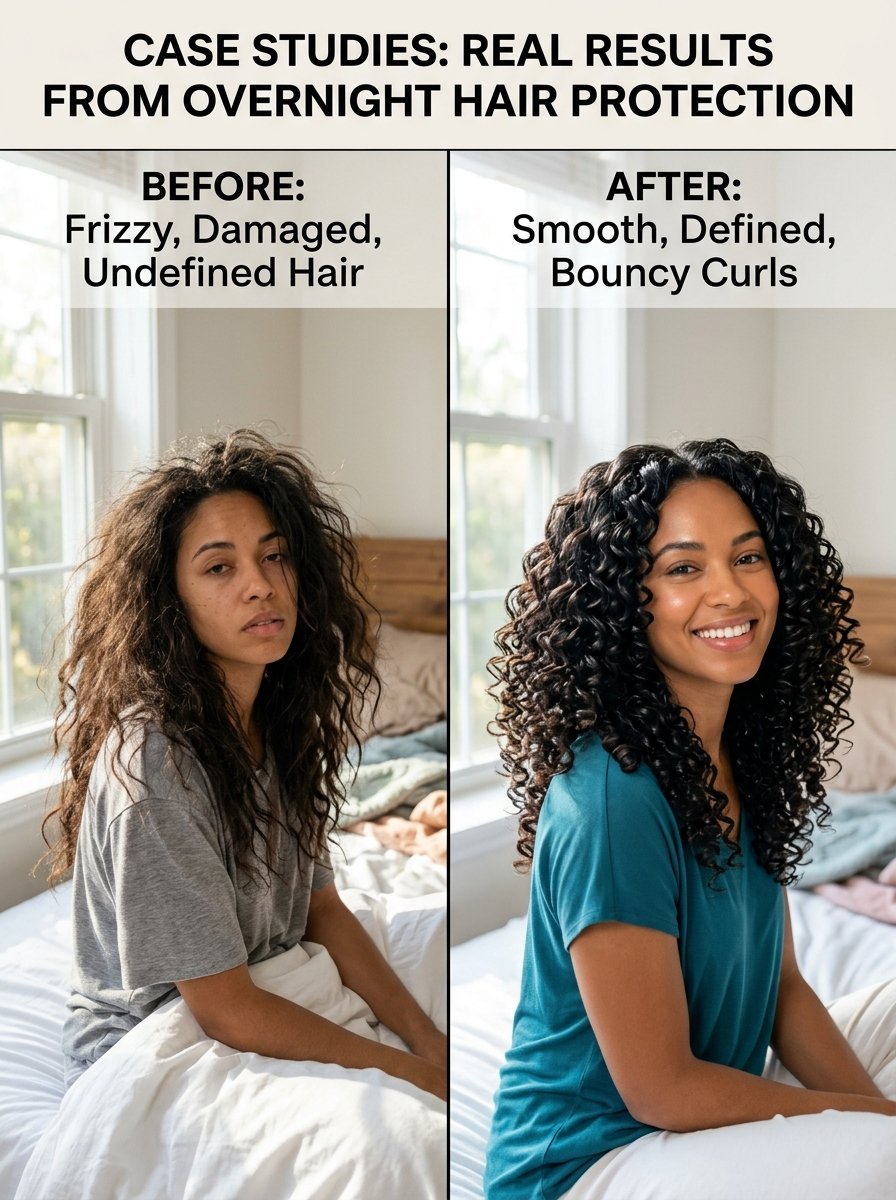
Looking at how these products perform over time shows their true value. Here are three examples from people who changed their nightly routines.
Sarah’s transition from cotton bedding
Sarah has fine hair and struggled to keep her curls intact past midday. She used to sleep on standard cotton pillowcases without a head covering. Her morning routine involved re-curling sections with a hot iron. This habit caused noticeable heat damage. She started using a Yanibest adjustable cap every night. After three weeks, her curls lasted three full days. She stopped using hot irons completely.
Jessica’s volume protection trial
Jessica has dense hair that reaches past her shoulders. She tried using a small drugstore cap, but it flattened her roots by morning. She switched to the Glow by Daye large cap. The extra space allowed her to place her curls in a loose pile on top of her head. This change preserved her natural volume. Her hair retained its body without requiring morning styling sprays.
My failure with unbranded budget caps
Two years ago, I bought a cheap three-pack of unbranded caps online. The elastic bands were thin and uncovered. Within three nights, the caps slid off before 3 AM. The exposed elastic rubbed against my hairline and caused small breakages. I threw them away and invested in a covered wide-band version. The difference was immediate. The secure fit kept my hair safe all night without harming my skin.
Frequently Asked Questions
Can you use a silk scarf instead of a bonnet?
A silk scarf works well if you know how to tie it securely. Scarves require a specific wrapping method to stay in place. Caps are easier for beginners because they use elastic or drawstrings to remain stable without complex knots.
How often should you wash your satin bonnet?
You should wash your hair covering every two weeks. The fabric collects scalp oils, sweat, and hair products during the night. Leaving these oils on the fabric can cause skin breakouts along your hairline. Use a gentle detergent and air dry the item to preserve the fibers.
Will a satin bonnet cause breakouts on your forehead?
A dirty cap can trap bacteria against your skin and cause breakouts. To prevent this issue, pull the band slightly past your hairline onto your hair. Wash the cap regularly to remove product buildup.
Is synthetic satin better than pure mulberry silk for overnight curls?
Pure mulberry silk offers superior breathability and temperature control. Synthetic polyester satin is cheaper and easier to clean in a washing machine. Both materials reduce friction successfully, so choose based on your budget and maintenance preferences.
Can you wear a bonnet over a fleece hat during winter?
Do not wear a fleece hat under your cap. Fleece creates heavy friction and absorbs natural oils from your hair. If your bedroom is cold, use a double-lined satin cap to trap heat without ruining your curl pattern.
How do you fix a loose elastic band on an old cap?
You can thread a new piece of elastic through the perimeter casing using a safety pin. If the fabric is still in good shape, this quick fix saves you from buying a new product.
Does a bonnet protect hair from long fingernails?
A double-lined cap shields your hair from accidental scratches while you sleep. If you use sharp beauty gadgets or have long nails, the outer fabric layer takes the hit instead of your hair strands.
Can you use a cap on straight hair?
Yes, a smooth cap keeps straight hair from tangling and developing split ends overnight. It maintains shine by keeping natural oils distributed throughout the hair shaft.
Final steps for wake up ready hair
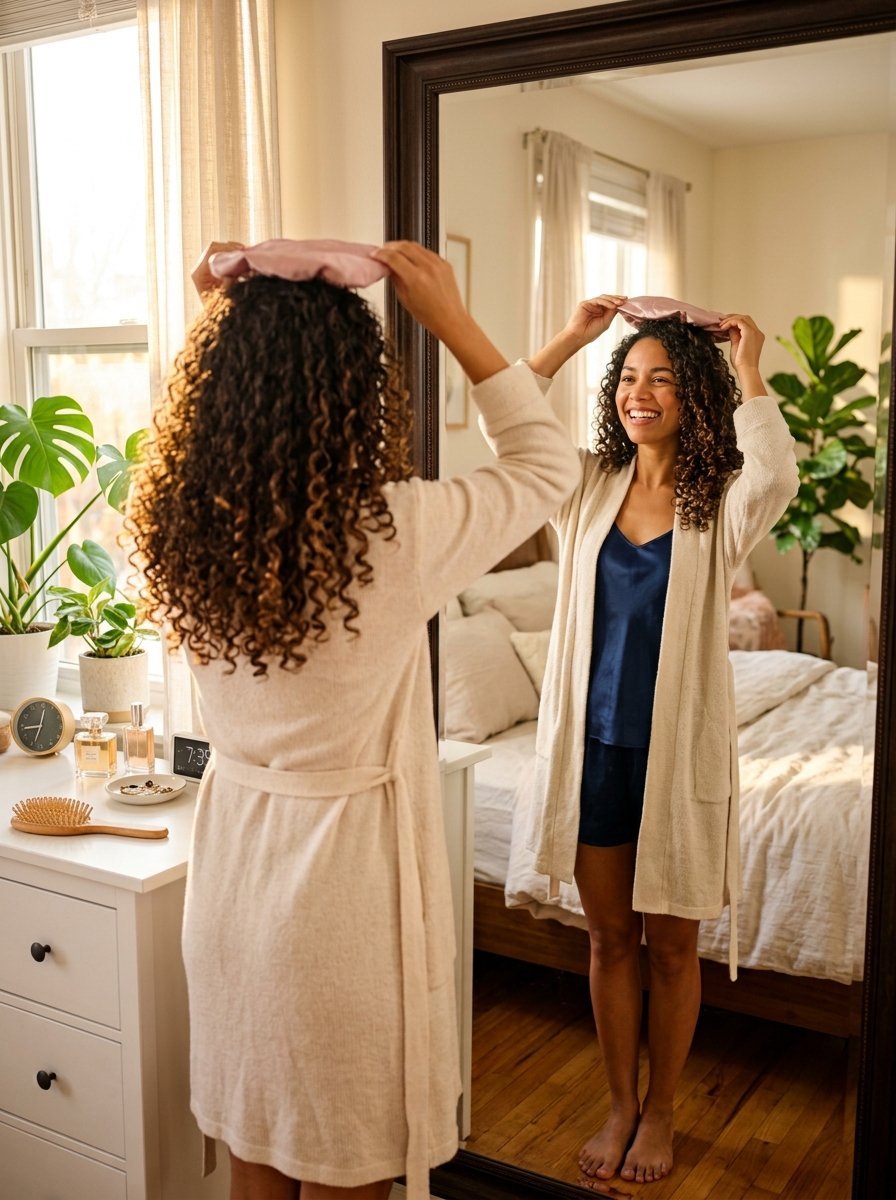
Protecting your hair at night is the easiest way to maintain health and shine. It cuts down your morning styling time from thirty minutes to a quick shake. Invest in a product that matches your hair volume and stays secure without causing headaches. Your hair will thank you with lasting bounce and zero frizz.

Sarah Mitchell — Founder & Editor-in-Chief
Sarah Mitchell is the founder and editorial voice behind Hair Level Up. A licensed cosmetologist with more than 15 years of experience, she has styled A-list celebrities for editorial shoots and red carpets, with work featured in Vogue, Elle, and Harper’s Bazaar. Early in her career, she trained under the legendary hairstylist Oribe in New York, an apprenticeship that still shapes her editorial eye today. Sarah founded Hair Level Up in 2020 after one bad haircut convinced her that women deserved a destination that felt like a magazine, taught like a stylist, and inspired like an art gallery. She oversees every story from concept to publication, guided by a simple belief: a good story teaches you something, but a great one makes you feel beautiful while it does.