The Beginner’s Guide to Going Heat-Free for Healthier Hair
Curly strands look completely fried. Split ends crawl up the hair shaft. Your flat iron sits on the bathroom counter like a tiny, humming monster that demands thirty minutes of your morning just to make your hair presentable. You want to change this cycle, but the fear of frizz stops you. Giving up hot tools feels like stepping outside without clothes.
In my experience, the first week of going heat-free is the hardest part. Your hair texture feels confused. It behaves badly because the cuticle layer stays open from years of high temperatures. Last summer, I decided to lock my blow dryer in a closet for ninety days. My natural waves looked wild at first. By week four, the shine returned. This guide shows you exactly how to rebuild your hair patterns without losing your sanity.
Executive Summary
Transitioning away from styling tools requires a strategy that replaces thermal styling with deep hydration. You will learn how to identify your natural texture patterns and choose the right microfiber wraps. This guide outlines the exact tools needed to navigate the transition period. We cover product selections from brands like Briogeo and Olaplex. We also detail night routines that protect your strands from friction.
By applying these methods, you can expect a visible reduction in split ends within twenty-one days. Your natural wave or curl pattern will appear more defined. The entire process requires minimal financial investment. Most solutions involve altering your washing habits and using specific wrapping methods. Let us break down the exact steps to achieve vibrant hair using zero heat.
Why Hot Tools Destroy Your Hair Cuticle over Time
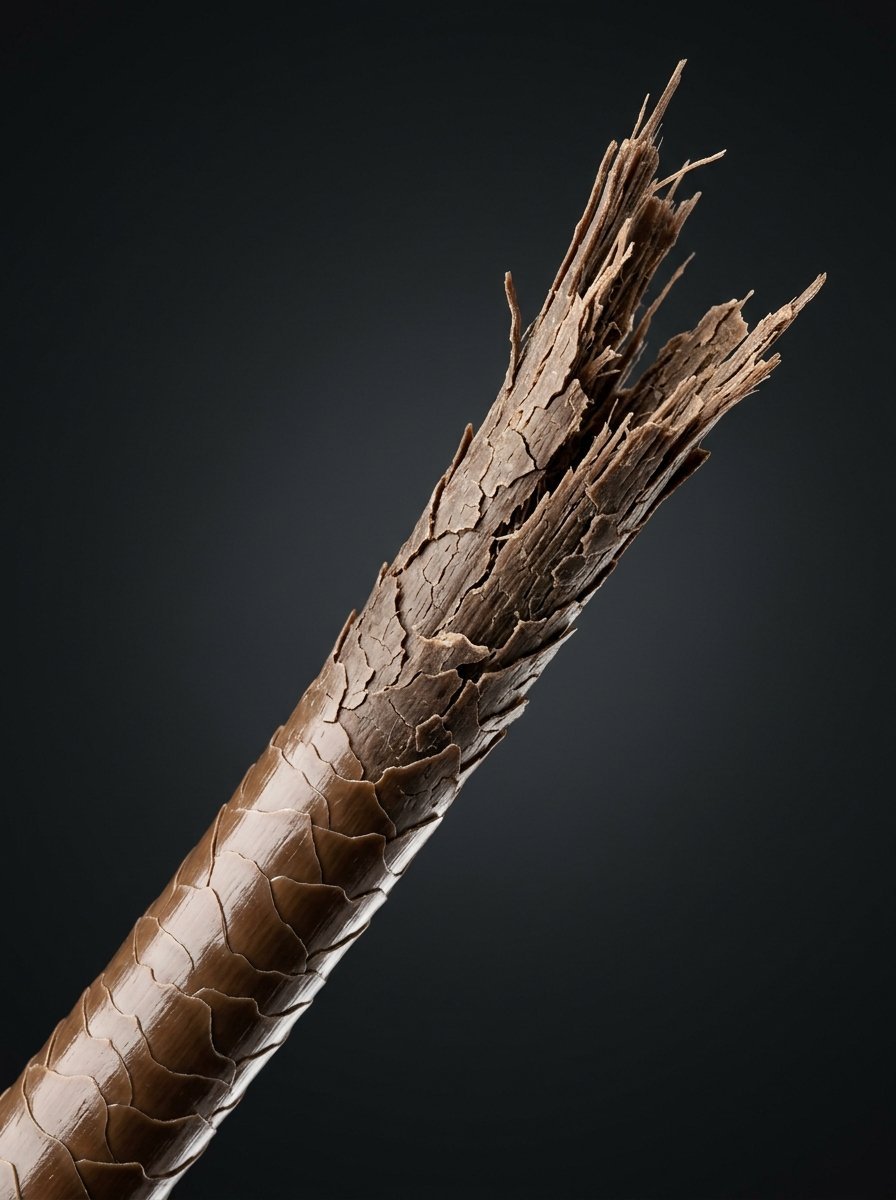
High temperatures strip the natural moisture barrier from your hair shafts instantly. When you press a flat iron heated to 400 degrees against your strands, the water molecules inside the cortex boil. This boiling process creates tiny steam bubbles inside the hair structure. Authors in trichology clinics call this condition bubble hair. The outer layer cracks open, leaving the inner core completely exposed to environmental damage.
I noticed my own hair snapping mid-shaft after years of daily blowout routines. The damage occurs because heat melts the keratin proteins that give your hair its strength. Once these protein bonds break, they cannot grow back together. Your hair loses its elasticity, meaning it stretches like old rubber bands and then snaps. Going heat-free allows the new growth from your scalp to remain entirely intact.
How Do You Start a Summer Hair Routine Without Heat?
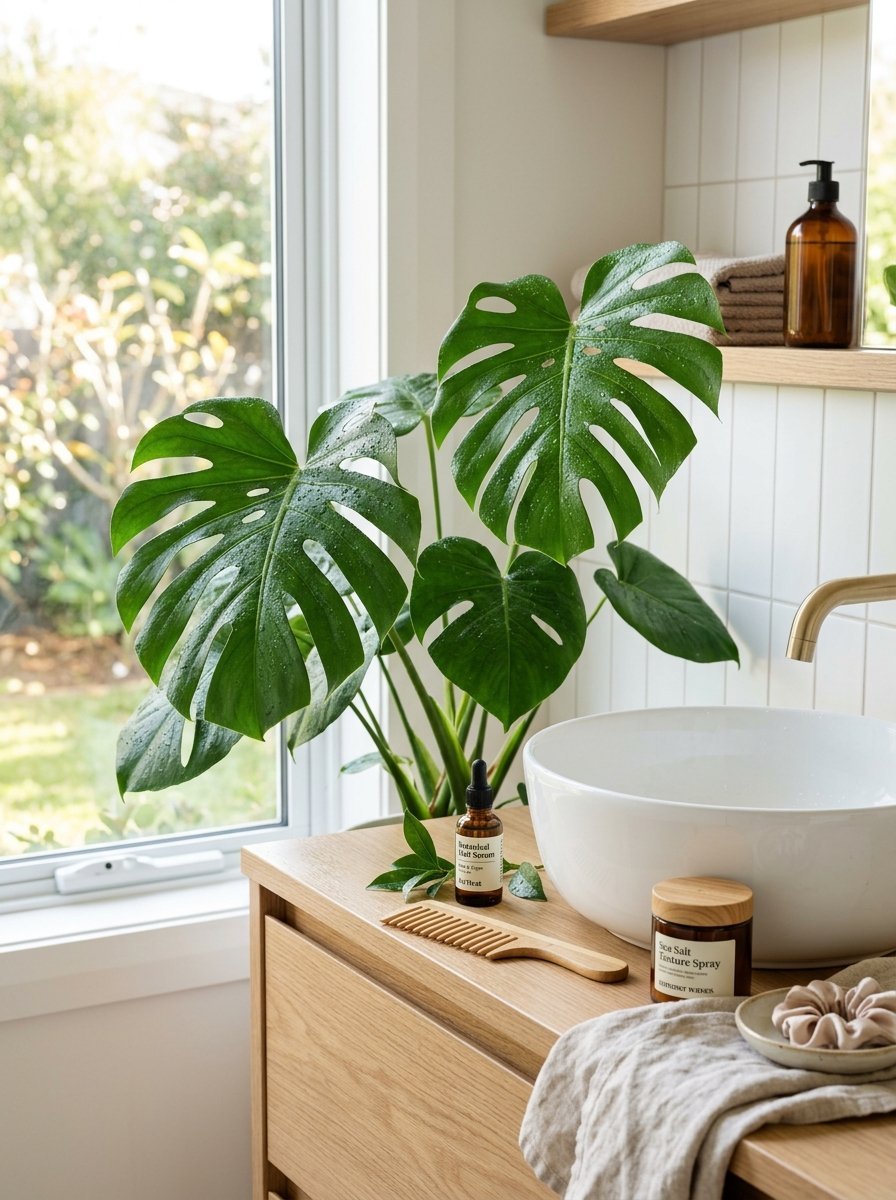
Your washing process sets the foundation for your style. When you stop using dryers, the air becomes your styling tool. This means your product application must happen while your hair is soaking wet. Air drying without a plan leads to flat roots and puffy ends. You need to control how the water evaporates from your strands.
- Wash your hair with a sulfate-free shampoo to preserve natural scalp oils.
- Apply a generous amount of silicone-free conditioner from the mid-lengths down to your ends.
- Use a wide-tooth comb to detangle while the conditioner is still in your hair.
- Rinse with cool water to force the cuticle cells to lay flat.
- Squeeze excess water out with your hands instead of twisting with a heavy cotton towel.
The Ultimate Hair Care Checklist for Air Drying Success
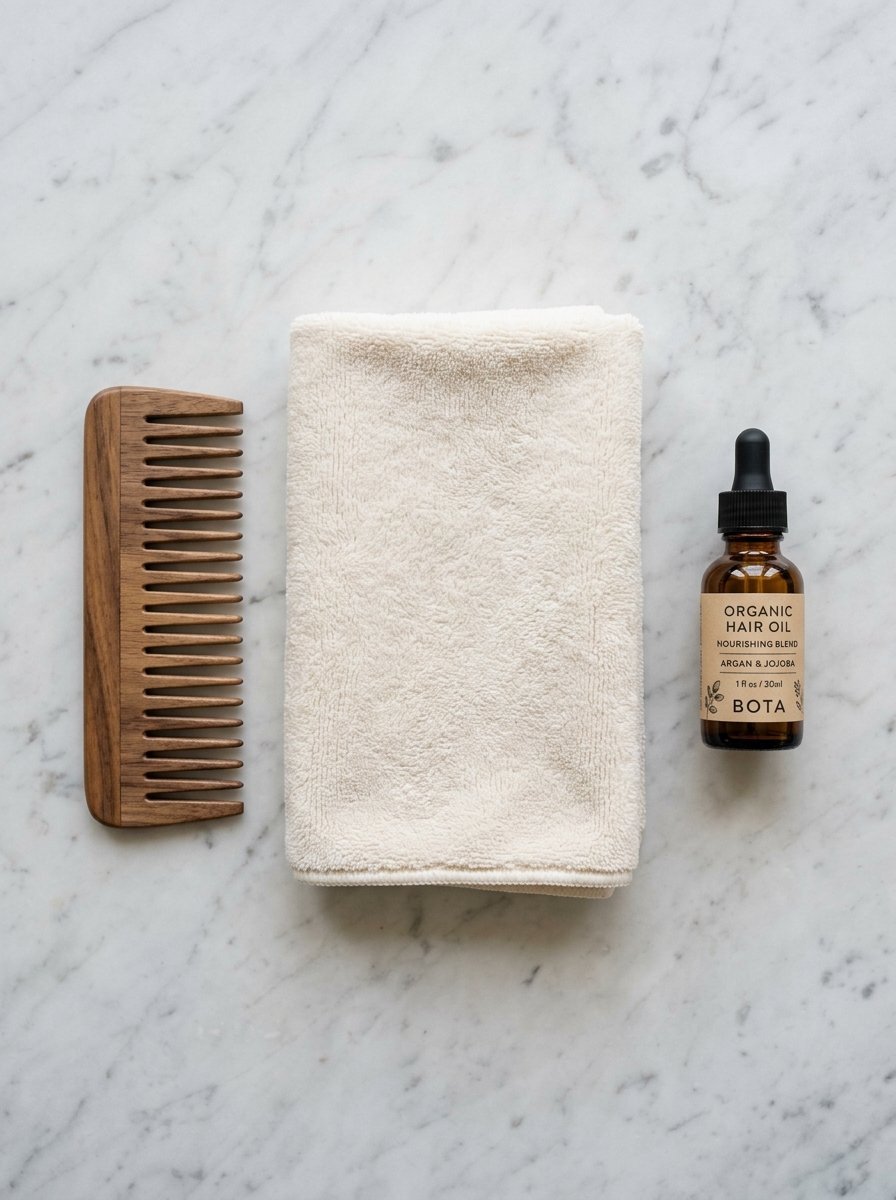
You need specific items in your bathroom to make this lifestyle shift work. Throwing away your blow dryer is not enough. You must replace that mechanical heat with items that absorb moisture gently. Regular bath towels have rough loops that snag individual hairs, causing instant frizz.
- A microfiber towel wrap or an old clean cotton t-shirt.
- A leave-in conditioner spray containing lightweight oils like jojoba or argan.
- A wide-tooth wooden comb to prevent static electricity.
- Seamless silk scrunchies for securing damp styles.
- A satin or silk pillowcase to stop nighttime friction.
A Reliable Hair Care Routine Chart for Weekly Management
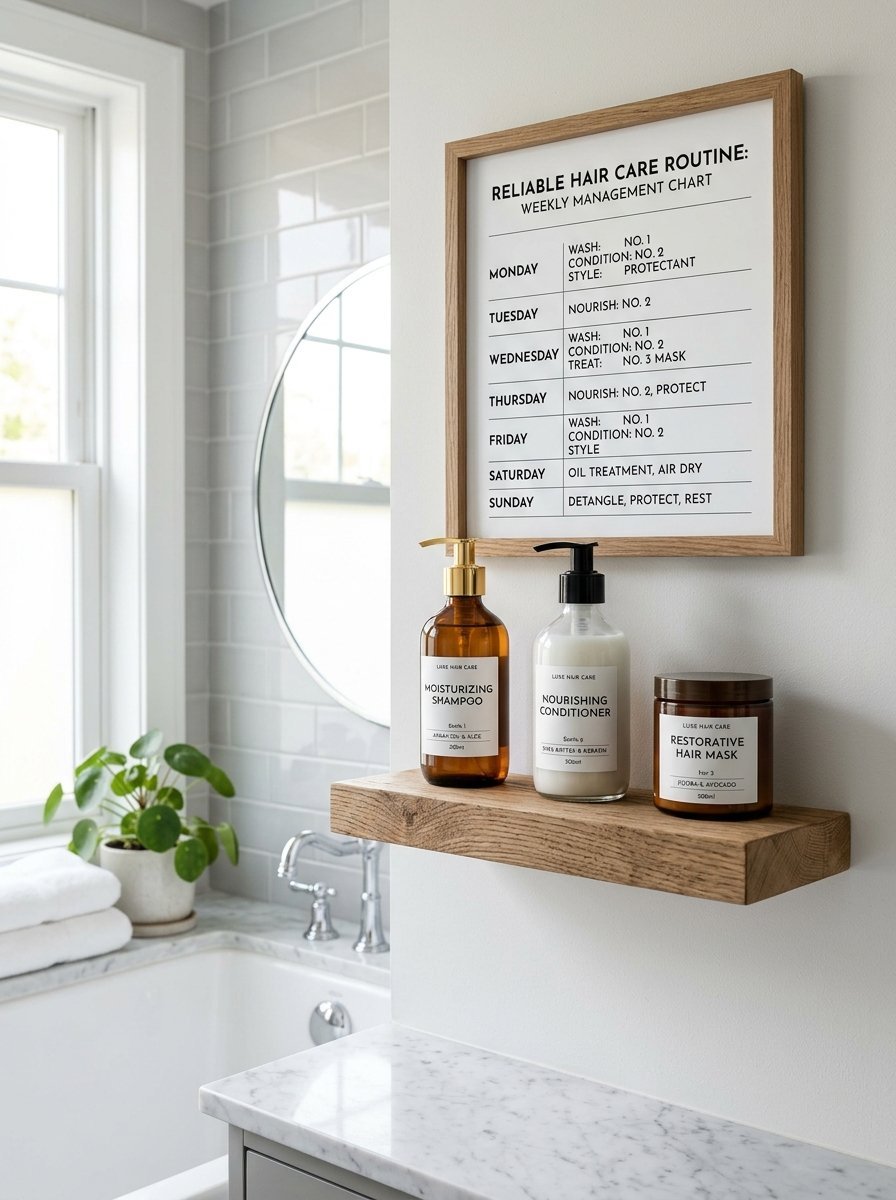
Consistency keeps your texture looking organized. You cannot treat your hair randomly and expect uniform results. This simple weekly breakdown ensures your hair receives moisture without getting weighed down by product buildup.
| Day | Action Required | Products Needed | Expected Result |
| Monday | Clarifying Wash + Deep Mask | Amika Soulfood Mask | Clean scalp, deep moisture reset |
| Tuesday | Leave-In Refresh | Briogeo Rosarco Spray | Restored moisture, soft texture |
| Wednesday | Co-Wash or Water Rinse | As I Am Coconut Co-Wash | Dust removal without stripping |
| Thursday | Lightweight Oil Application | Verb Ghost Oil | Sealed ends, high shine |
| Friday | Full Wash + Air Dry Styling | Living Proof Curl Definer | Maximum natural pattern definition |
| Saturday | Protective Night Braid | None | Zero tangles, gentle waves |
| Sunday | Scalp Massage + Rest | Blue Atlas Hair Oil | Increased circulation, healthy roots |
Essential Hair Care Routine Tips for Managing Frizz
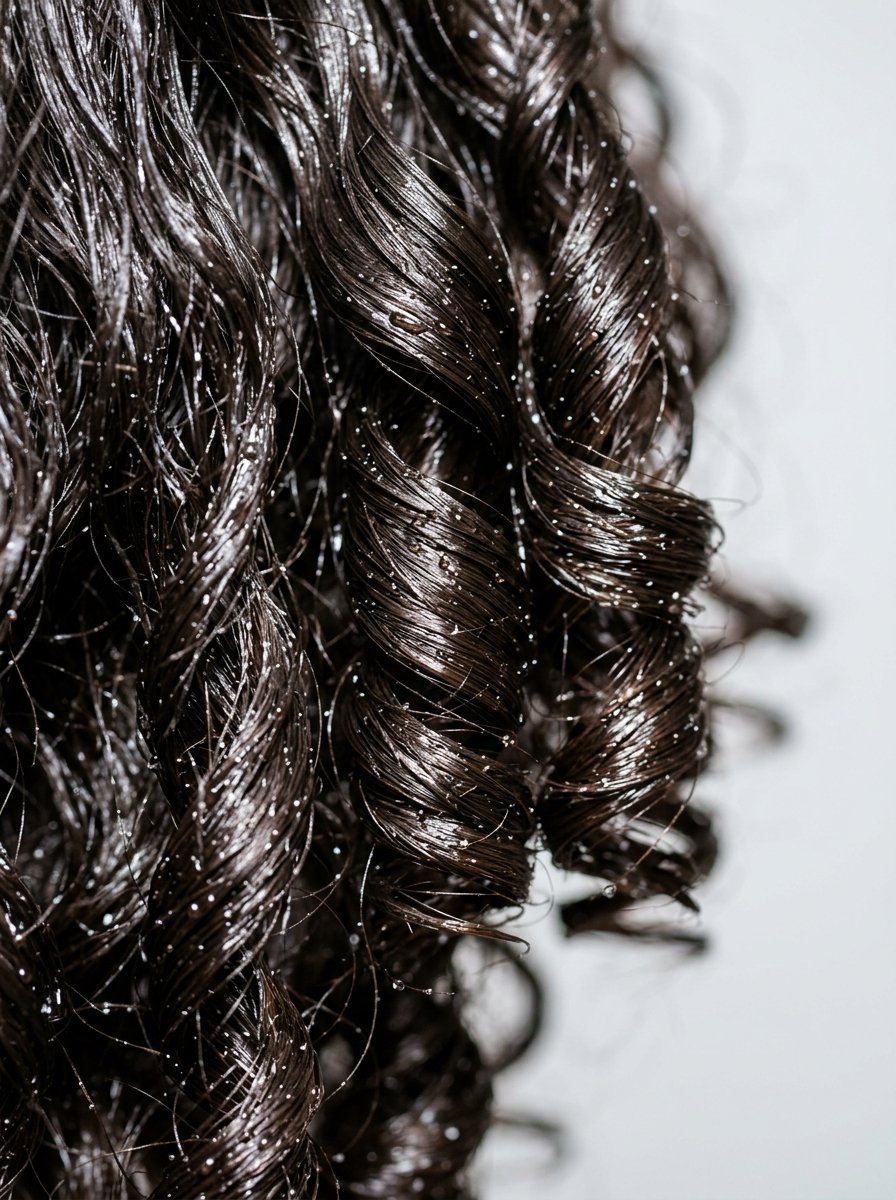
Frizz is just dry hair looking for moisture in the air. When the atmosphere contains more humidity than your hair shaft, the hair swells outward to grab that water. You stop this process by filling the hair shaft with clean moisture before you step outside. I watched my client Sarah fight frizz for years until she started applying her styling cream to soaking wet hair before towel drying.
- Apply your styling cream or gel inside the shower while your hair is dripping wet.
- Use the praying hands method by smoothing product down your hair between flat palms.
- Avoid touching your hair while it dries to prevent disrupting the natural pattern.
- Scrunch your hair only when it is one hundred percent dry to break the crunchy gel cast.
- Use a drop of hair oil on your palms when breaking the gel cast for extra softness.
Designing a Personal Hair Care Routine Schedule

Your daily schedule depends on your specific hair density and thickness. Fine hair dries quickly but flattens easily. Thick hair holds water for hours and requires open airflow to dry completely without smelling musty. You must adjust your drying time to match your lifestyle.
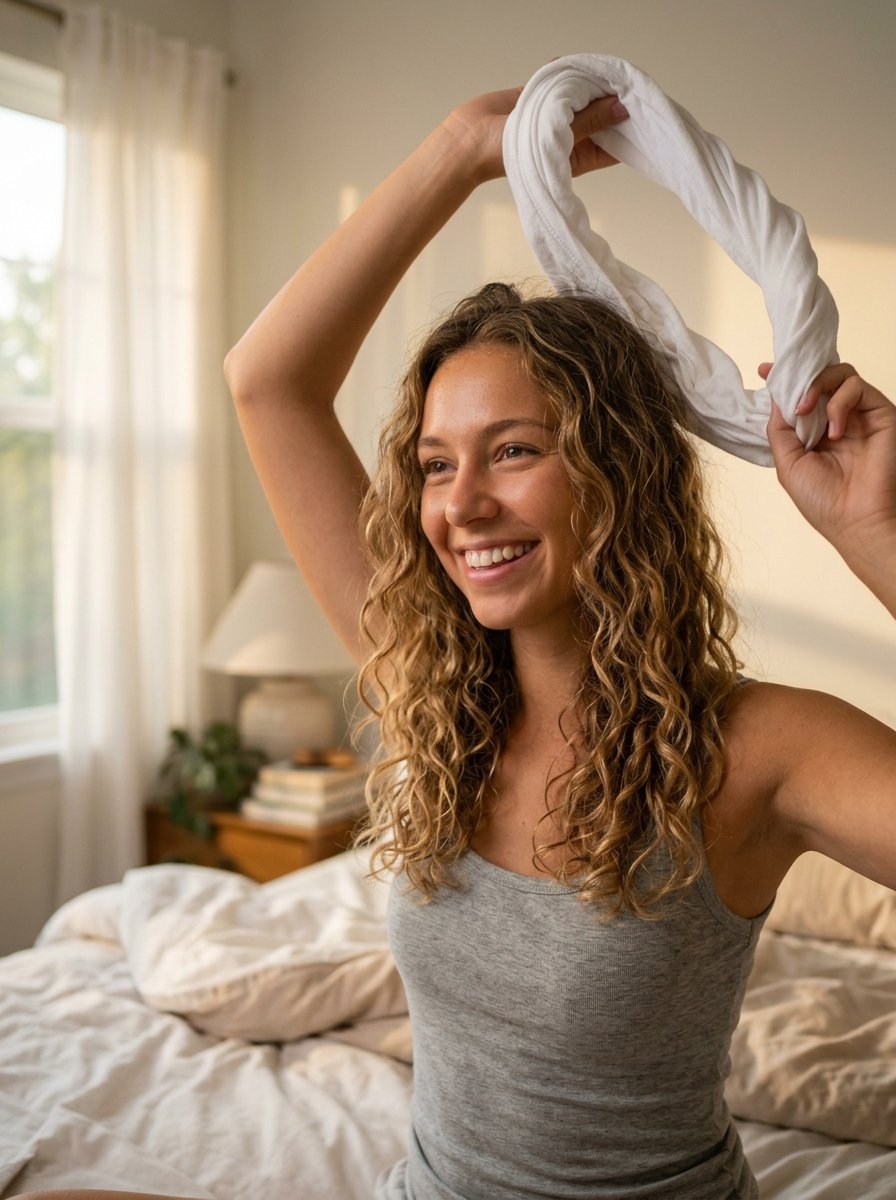
If you work early mornings, wash your hair the night before. Use the plopping method with a cotton shirt to secure your curls on top of your head while you sleep. Morning washers should allow at least two hours of drying time before exposing their hair to heavy outdoor wind or cold air.
Your Daily Hair Care Checklist for Healthy Maintenance
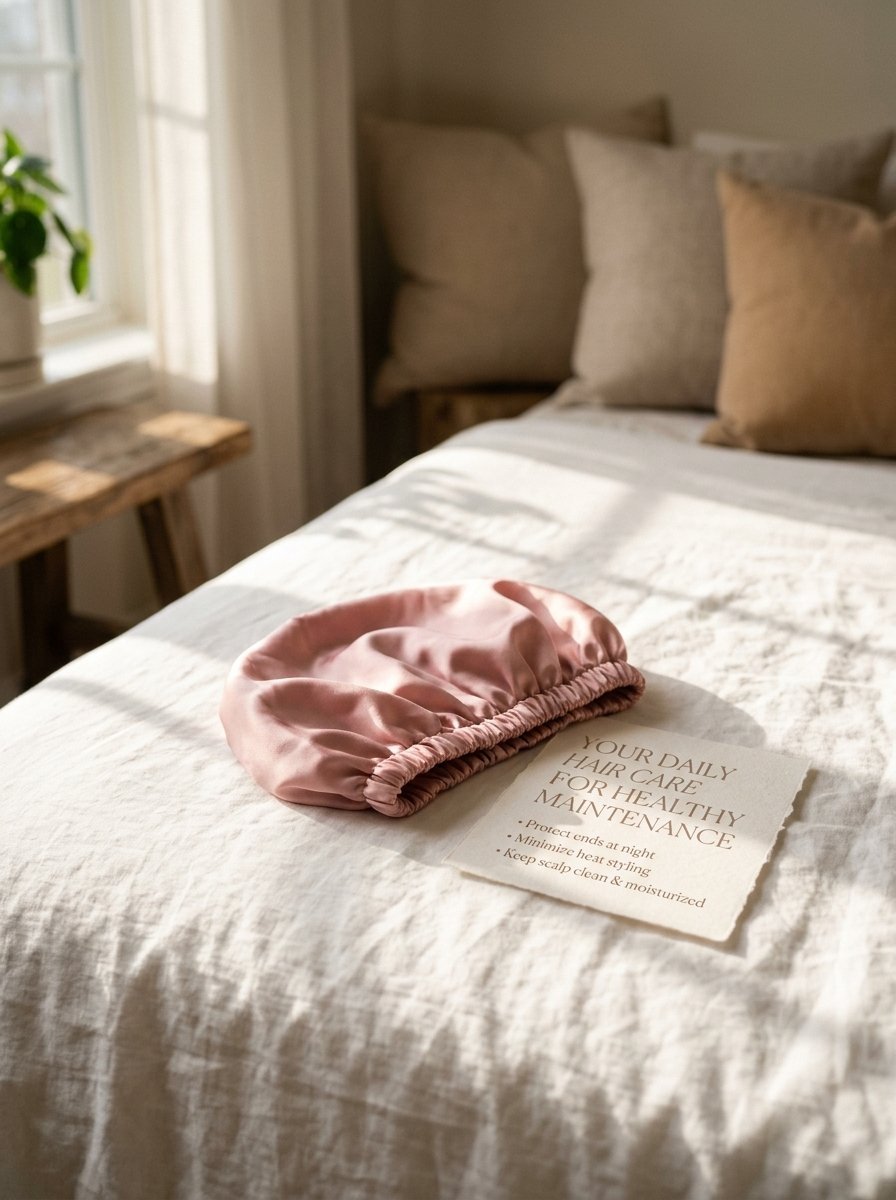
Every morning requires a quick assessment of your hair moisture levels. Do not baseline your routine on washing every day. Instead, focus on refreshing the style you already have.
- Check the ends of your hair for dryness or brittleness.
- Mist dry sections with a mixture of water and a tablespoon of leave-in conditioner.
- Smooth down flyaways using a tiny amount of lightweight hair oil.
- Use your fingers to fluff the roots for natural volume.
- Wear a loose silk bonnet during high-friction activities like cleaning or working out.
What Is the Best Hair Care for Summer Weather?
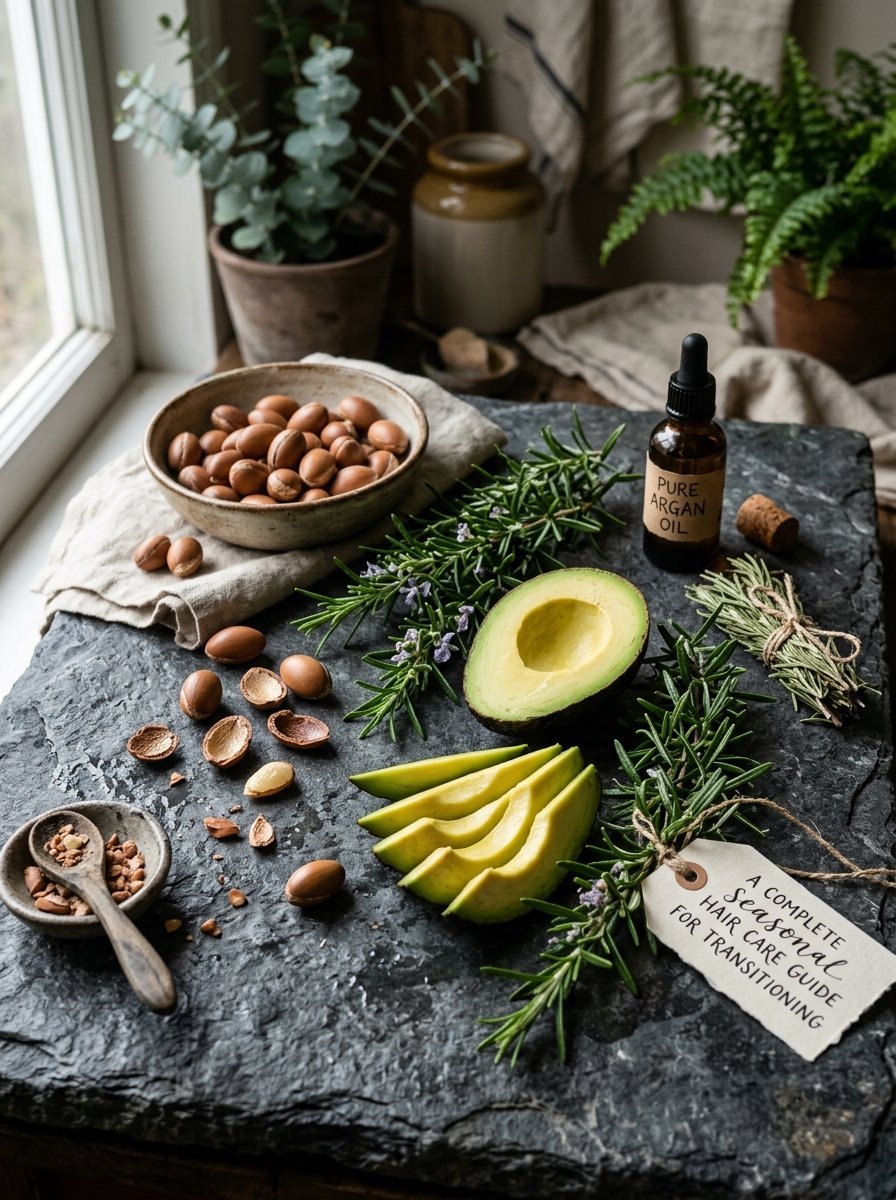
Summer brings high humidity and strong UV rays that fade your natural color and weaken hair proteins. Your summer strategy must include sun protection for your strands. I spent a month in Florida testing various routines, and the sun fried my hair until I treated it like my skin.
- Look for hair products that explicitly list UV filters on the label.
- Apply a coating of coconut oil before swimming in chlorinated pools or ocean water.
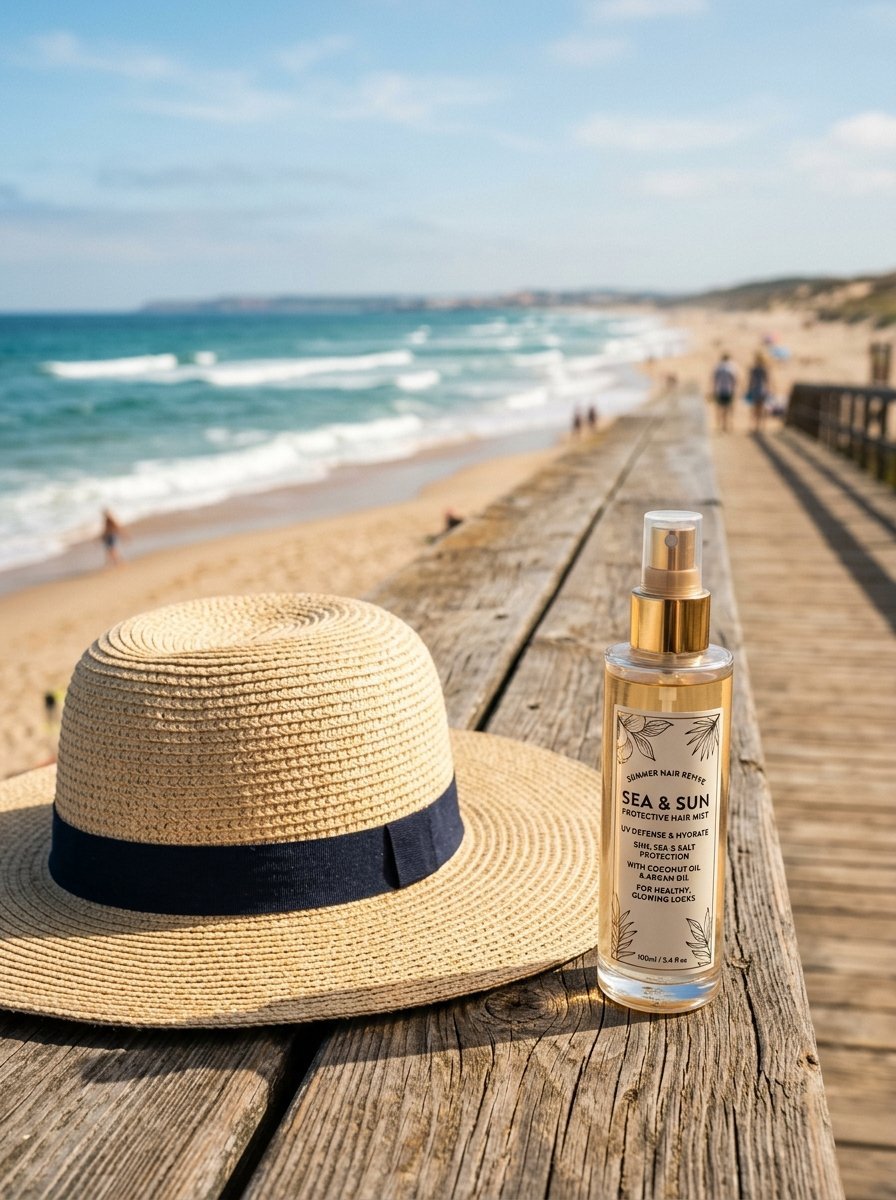
- Wear wide-brimmed straw hats during peak sunshine hours from noon to four in the afternoon.
- Increase your deep conditioning treatments to twice a week during July and August.
- Switch to lightweight water-based gels to avoid melting product on hot days.
A Complete Seasonal Hair Care Guide for Transitioning
Your hair needs change as the weather shifts. A routine that works beautifully in the high humidity of June will leave your scalp flaky and your ends snapping in the dry air of January.
- Spring is for clarifying away winter buildup and trimming dead ends.
- Summer requires maximum hydration and protection against sun and salt water.
- Autumn focuses on repairing summer sun damage with heavy protein treatments.
- Winter demands thick butter-based creams to block cold, dry outdoor air.
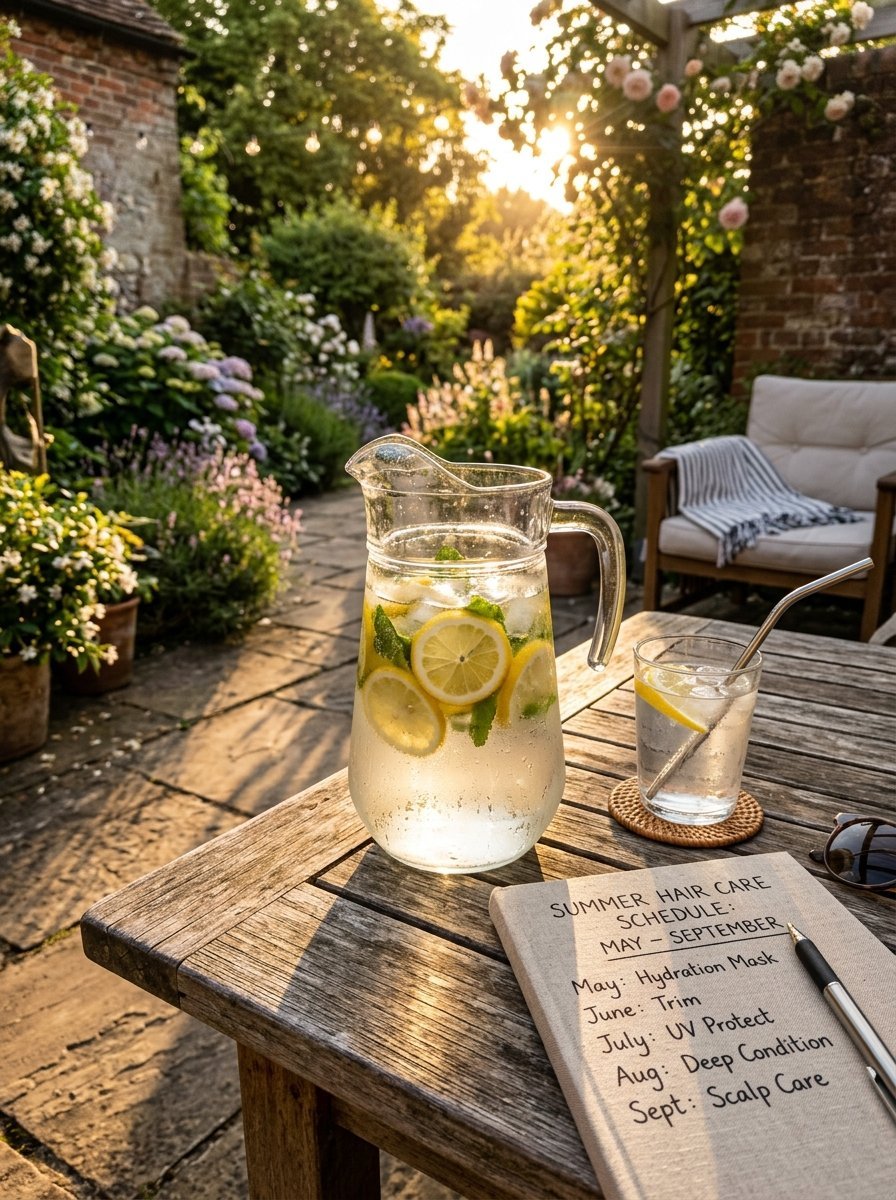
Organizing a Hair Care Schedule May to September
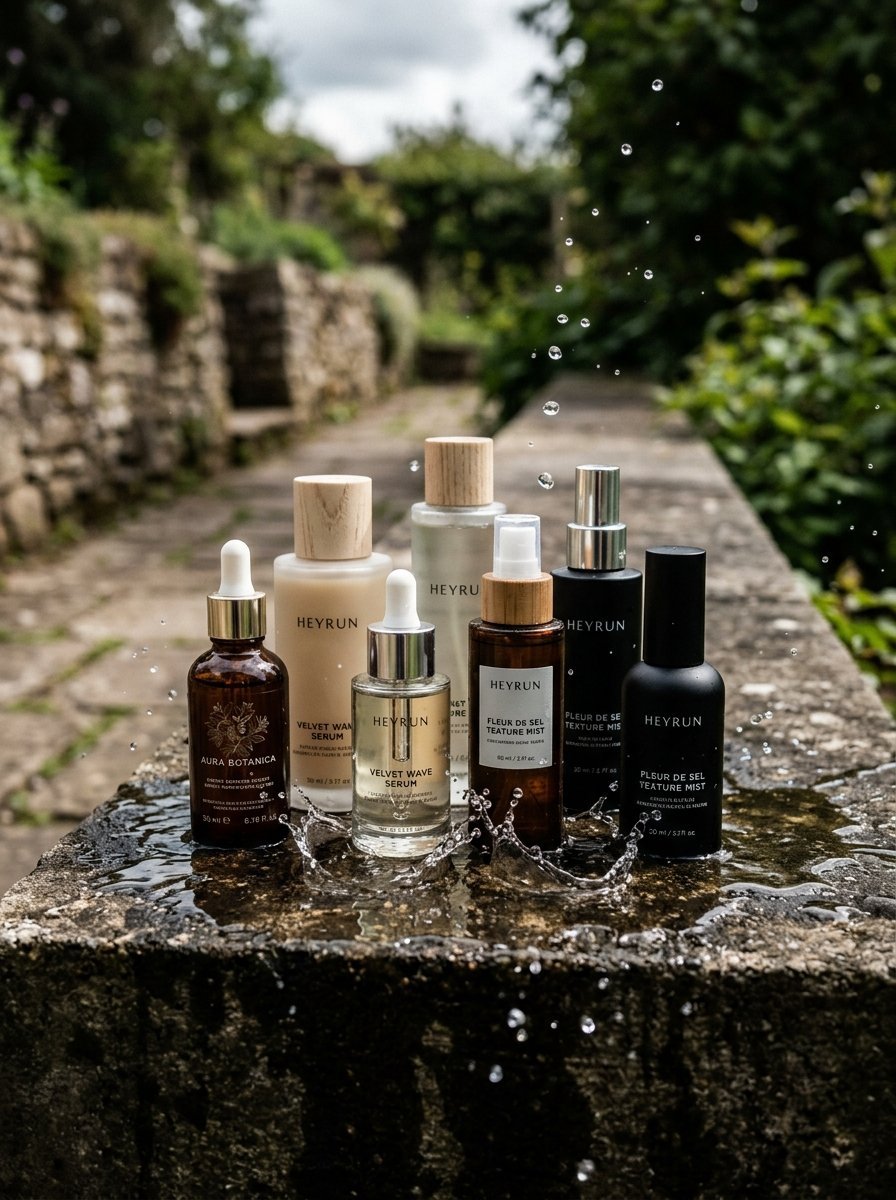
The warmest months require a strict schedule to prevent sweat and salt from ruining your texture. This five-month block is the perfect time to build your heat-free habits because the warm air speeds up your drying time naturally.
- May: Stop all heat tools entirely and get a dust trimming to clear split ends.
- June: Introduce weekly deep conditioning masks to prep for summer heat.
- July: Utilize protective styling like loose twists and braids to minimize handling.
- August: Use clarifying shampoos bi-weekly to remove sunscreen and sweat buildup.
- September: Assess your texture improvements and transition to richer creams for autumn.
Evaluating Popular Brands for Heat-Free Styling
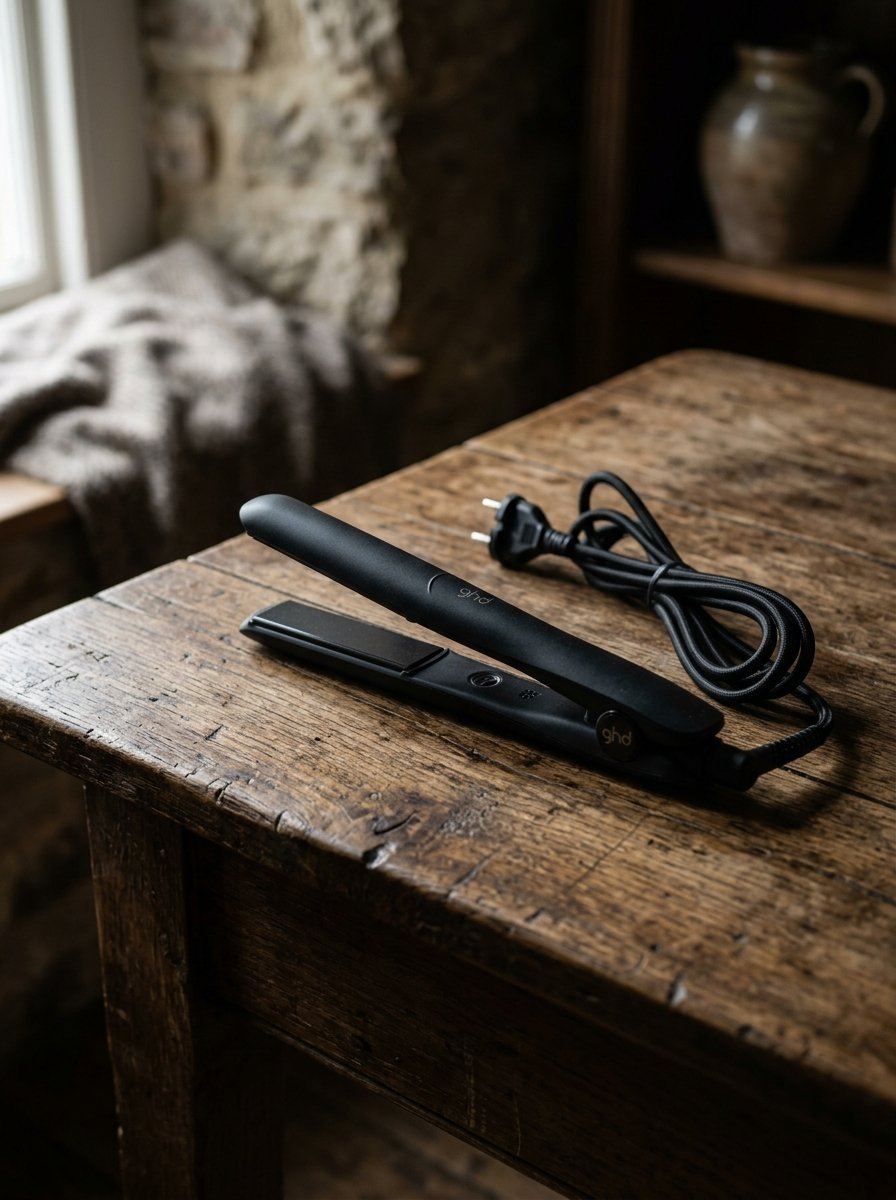
Finding the right products requires trial and error. I have spent hundreds of dollars testing different lines to see which formulas actually deliver on their promises without weighing down fine hair.
- Olaplex No. 6 Bond Smoother: This leave-in styling cream eliminates frizz for up to seventy-two hours. It works wonders for damaged hair, but using too much makes fine strands look greasy.
- Briogeo Farewell Frizz: A clean formula that utilizes rosehip and argan oils. It offers a very lightweight feel, though people with extremely coarse coils might find it lacks sufficient hold.
- Moroccanoil Treatment Light: Perfect for sealing ends after air drying. The scent is iconic, but the formulation contains silicones which require a sulfate shampoo to wash out completely.
- SheaMoisture Coconut & Hibiscus Curl Enhancing Smoothie: Incredible for thick, curly hair types. It defines patterns perfectly, but it is far too heavy for fine or straight hair.
Common Mistakes People Make When Dropping Hot Tools
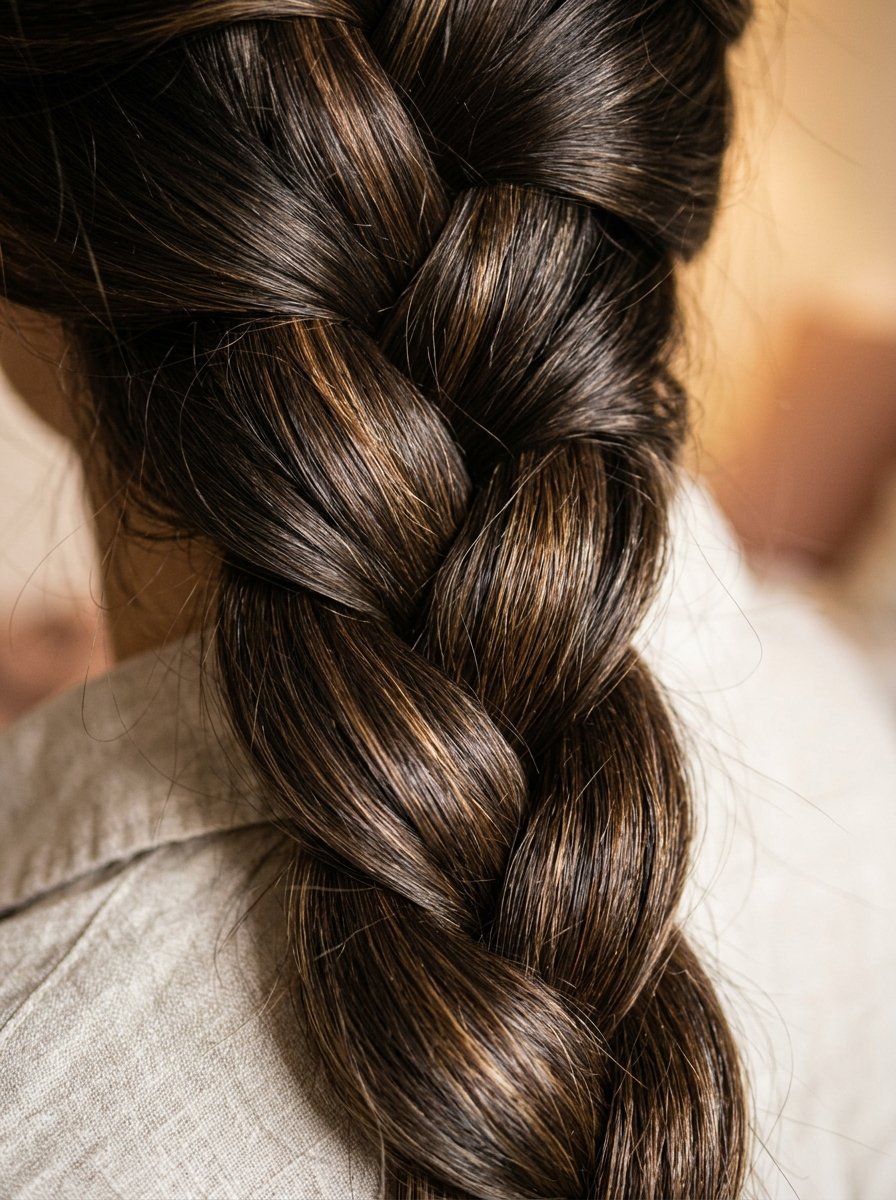
The biggest mistake is expecting your hair to look perfect on day two. Your strands are essentially recovering from a long-term injury. Many people give up because their air-dried hair looks flat or puffy during the first two weeks.
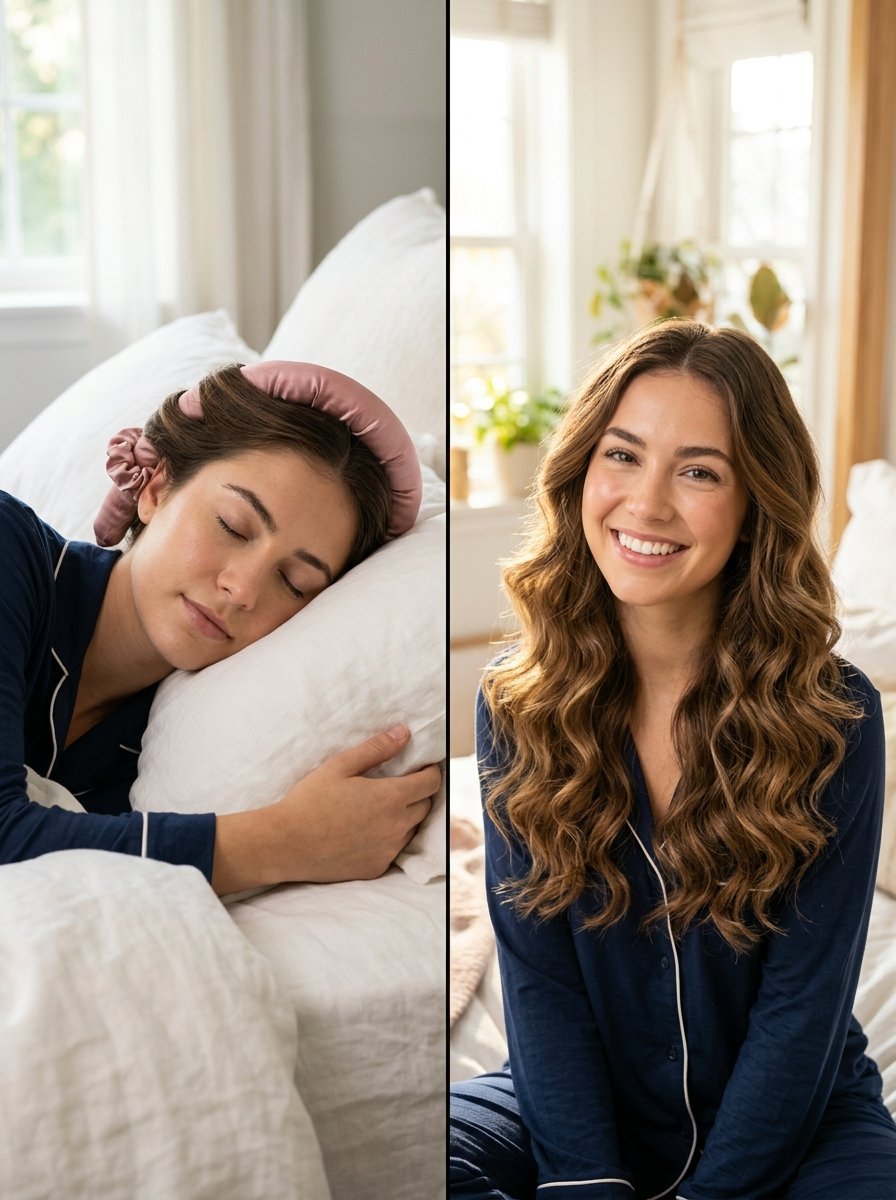
Another failure point is sleeping on wet hair without protecting it. Wet hair is highly elastic and incredibly fragile. Moving your head across a rough cotton pillowcase while your hair is damp causes microscopic tears along the shaft. Always ensure your hair is either completely dry or safely wrapped in silk before your head hits the bed.
Advanced Techniques for Creating Heatless Waves
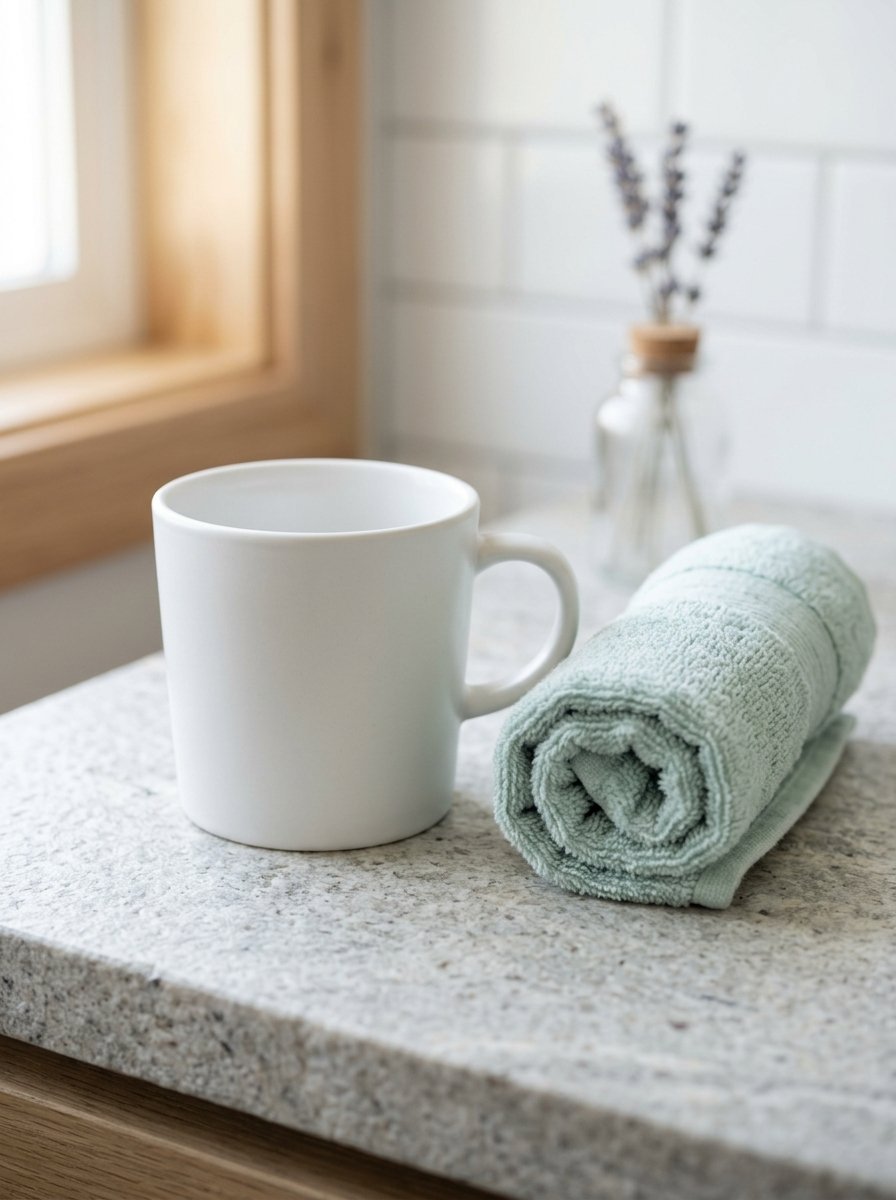
If your natural hair dries straight or slightly chaotic, you can use physical styling methods to create beautiful patterns without using electricity. These methods use time and evaporation to lock in shapes.
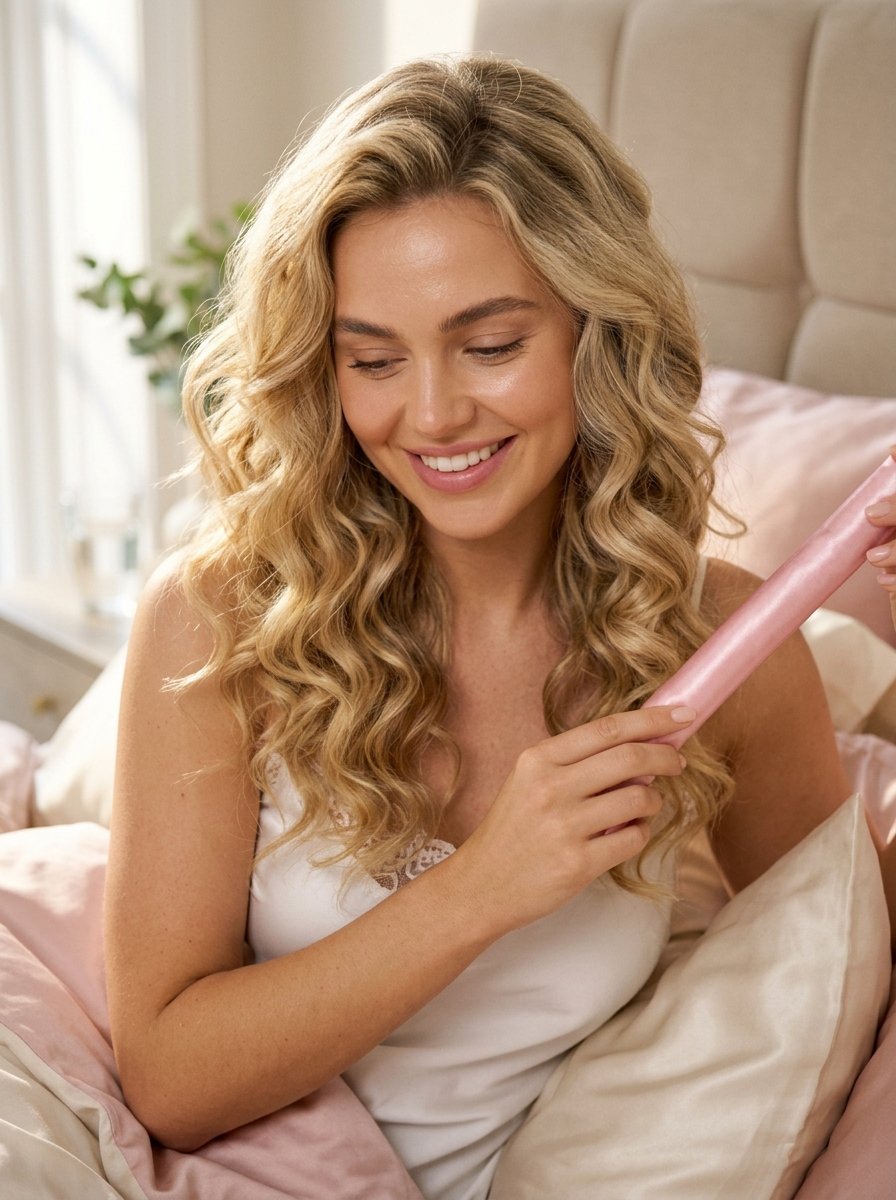
- The Bathrobe Tie Method: Place a fleece bathrobe tie across the top of your head. Wrap damp hair sections around the tie away from your face. Secure the ends with silk scrunchies and sleep in it.
- Finger Coiling: Apply curl cream to small sections of soaking wet hair. Wrap each section around your index finger down to the root, hold for three seconds, and let it drop.
- Three-Strand Braids: Braid damp hair into two large sections for loose, crimped beach waves. More braids create tighter textures, while a single braid creates soft volume.
Frequently Asked Questions
How long does it take for hair to heal after stopping heat?
You will notice an improvement in softness and shine within three to four weeks. Complete healing requires growing out the burned sections. Hair grows about half an inch per month, so a full recovery takes several months depending on your length.
Can I air dry my hair if it is extremely thick?
Yes, but you must alter your technique. Divide your hair into four distinct sections after washing. Apply your products to each section separately. Avoid bundling your wet hair into a tight bun, which traps moisture and causes scalp irritation.
Will going heat-free make my hair grow faster?
It does not speed up growth from the scalp. It stops the ends of your hair from breaking off. When your ends remain strong, you retain your length, which makes your hair look like it is growing much faster than before.
Is air drying worse than blow drying on low heat?
Air drying naturally is safer for the cuticle layer. Leaving hair wet for over six hours can cause the cortex to swell, a condition called hygral fatigue. If your hair takes an entire day to dry, use a blow dryer on a completely cold setting to speed up the process.
What should I do if my hair looks puffy when air dried?
Puffiness means your hair lacks moisture or hold. Increase the amount of leave-in conditioner you use. Add a layer of styling gel over the conditioner to lock the hair strands into organized clumps instead of letting them separate.
Can I use heat tools just once a month?
Using a flat iron once a month will not ruin your progress if you use a high-quality heat protectant. True recovery happens when you break the habit of daily styling. Treat hot tools like a formal evening dress rather than your daily casual wear.
How do I get volume at my roots without a hair dryer?
Use small metal duckbill clips at your roots while your hair is damp. Clip the hair upward at your parting line to lift the roots off your scalp. Leave the clips in place until your hair dries completely.
Do I still need heat protectant if I do not use tools?
You do not need thermal protectants designed for irons. You should look for leave-in conditioners that offer UV protection to shield your hair from sun damage during outdoor summer activities.
Why does my hair feel crunchy after air drying?
The crunch comes from the styling gel drying into a protective cast. This cast is necessary to stop frizz while water evaporates. Once your hair is completely dry, gently squeeze your hair with bare hands to break that stiffness.
How often should I wash my hair when going heat-free?
Aim for two to three times a week. Washing daily strips the natural oils your hair needs to stay smooth. If your scalp feels sweaty after a workout, rinse with warm water and conditioner rather than shampoo.
Can damaged bleached hair recover without heat?
Stopping hot tools is the best action for bleached hair. Bleach destroys the internal protein structure, making the hair incredibly vulnerable to melting under iron plates. Giving up heat prevents total hair failure and breakage.
What is the best pillowcase material for hair health?
Pure mulberry silk is the top choice because it allows hair to glide smoothly across the surface. High-quality polyester satin is a budget-friendly alternative that provides similar friction reduction benefits.
Embracing Your Natural Texture for Longevity
Dropping the hot tools changes how you view beauty. It forces you to accept the natural movement, cowlicks, and volume that make your hair unique. The transition requires patience, but the reward is a low-maintenance routine that saves you hours every week.
Look at your hair as a living fiber that responds directly to how you treat it. When you replace high heat with deep hydration, proper drying tools, and protective night routines, your strands will reward you with natural shine and bounce. Put the flat iron away this week and let your hair breathe.

Sarah Mitchell — Founder & Editor-in-Chief
Sarah Mitchell is the founder and editorial voice behind Hair Level Up. A licensed cosmetologist with more than 15 years of experience, she has styled A-list celebrities for editorial shoots and red carpets, with work featured in Vogue, Elle, and Harper’s Bazaar. Early in her career, she trained under the legendary hairstylist Oribe in New York, an apprenticeship that still shapes her editorial eye today. Sarah founded Hair Level Up in 2020 after one bad haircut convinced her that women deserved a destination that felt like a magazine, taught like a stylist, and inspired like an art gallery. She oversees every story from concept to publication, guided by a simple belief: a good story teaches you something, but a great one makes you feel beautiful while it does.